

In The Media
Josh Kurlantzick
{
  "authors": [
    "Josh Kurlantzick"
  ],
  "type": "legacyinthemedia",
  "centerAffiliationAll": "dc",
  "centers": [
    "Carnegie Endowment for International Peace"
  ],
  "collections": [],
  "englishNewsletterAll": "asia",
  "nonEnglishNewsletterAll": "",
  "primaryCenter": "Carnegie Endowment for International Peace",
  "programAffiliation": "AP",
  "programs": [
    "Asia",
    "South Asia"
  ],
  "projects": [],
  "regions": [
    "South Asia",
    "China"
  ],
  "topics": [
    "Political Reform",
    "Democracy"
  ]
}
Source: Getty
Source: National Public Radio

Visting scholar Josh Kurlantzick sits down with Meliessa Block from NPR to talk about China's relationship with Myanmar and other Asian countries.

Former Visiting Scholar, China Program
A special correspondent for The New Republic, a columnist for Time, and a senior correspondent for The American Prospect, Kurlantzick assesses China’s relationship with the developing world, including Southeast Asia, Africa, and Latin America.
Recent Work
Josh Kurlantzick
Carnegie does not take institutional positions on public policy issues; the views represented herein are those of the author(s) and do not necessarily reflect the views of Carnegie, its staff, or its trustees.

New thinking is needed on how global civil society can be protected. In an era of major-power rivalry, competitive geopolitics, and security primacy, civil society is in danger of getting squeezed – in some countries, almost entirely out of existence.


Richard Youngs, ed., Elene Panchulidze, ed.
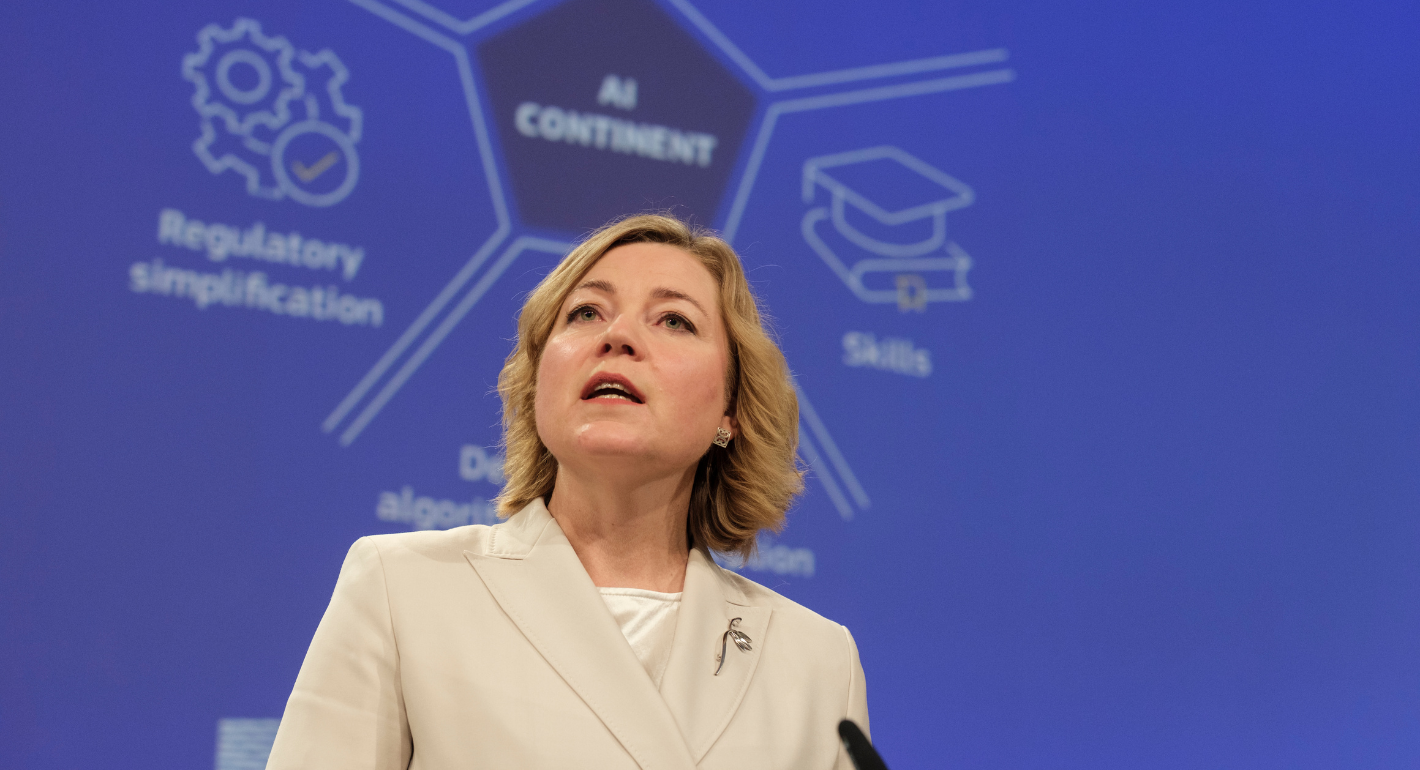
Integrating AI into the workplace will increase job insecurity, fundamentally reshaping labor markets. To anticipate and manage this transition, the EU must build public trust, provide training infrastructures, and establish social protections.

Amanda Coakley
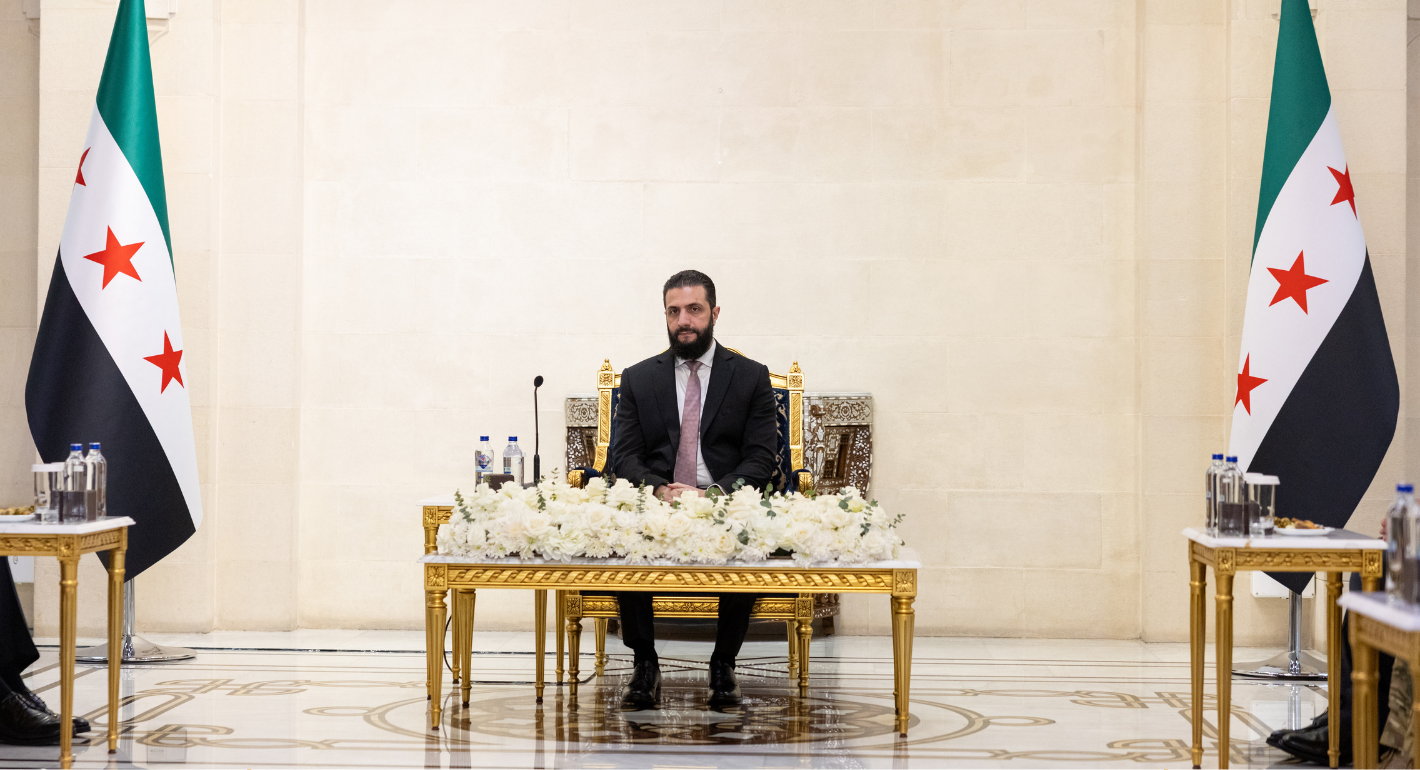
Europe’s interests in Syria extend beyond migration management, yet the EU trails behind other players in the country’s post-Assad reconstruction. To boost its influence in Damascus, the union must upgrade its commitment to ensuring regional stability.

Bianka Speidl, Hanga Horváth-Sántha
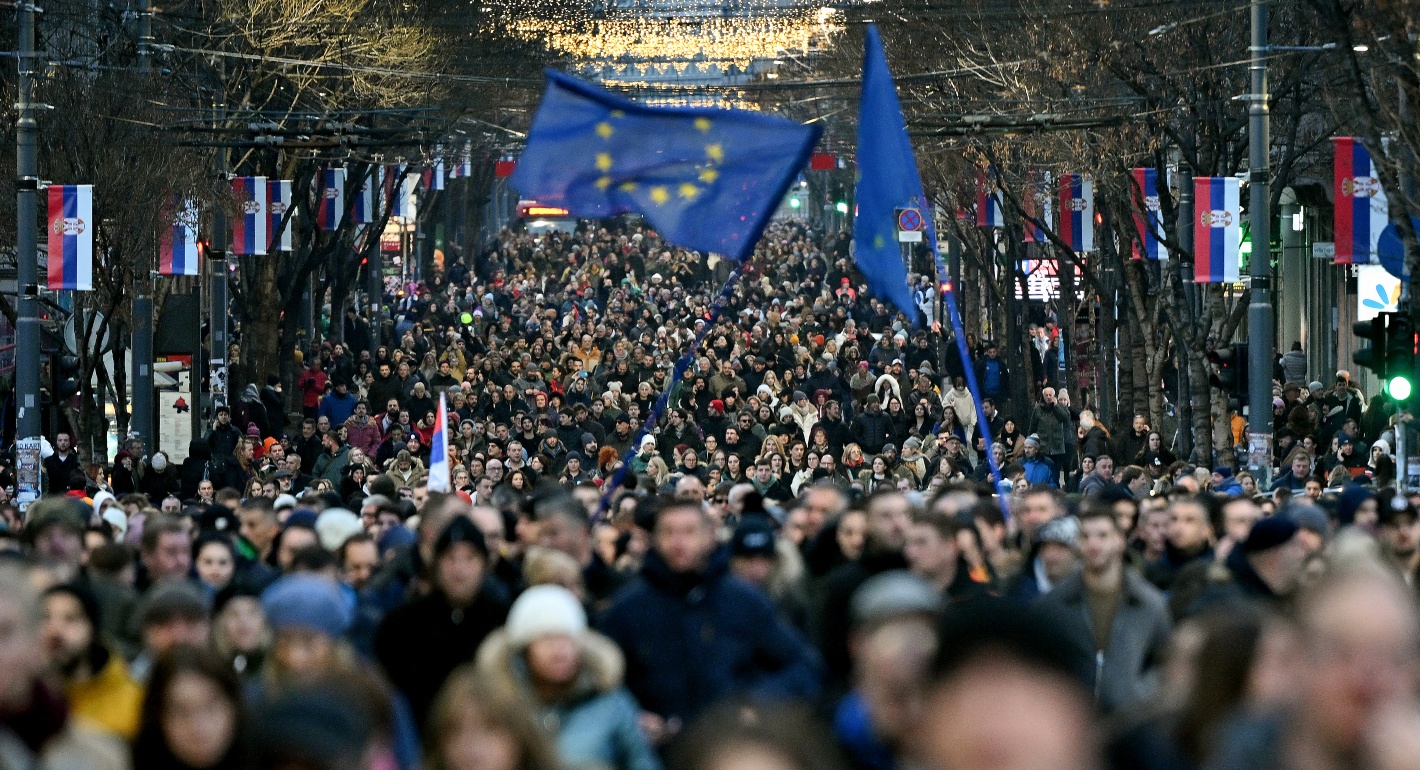
European democracy support strategy in 2025 prioritized protecting democratic norms within Europe. This signals the start of a structural recalibration of the EU’s approach to democracy support.


Richard Youngs, ed., Elena Viudes Egea, Zselyke Csaky, …
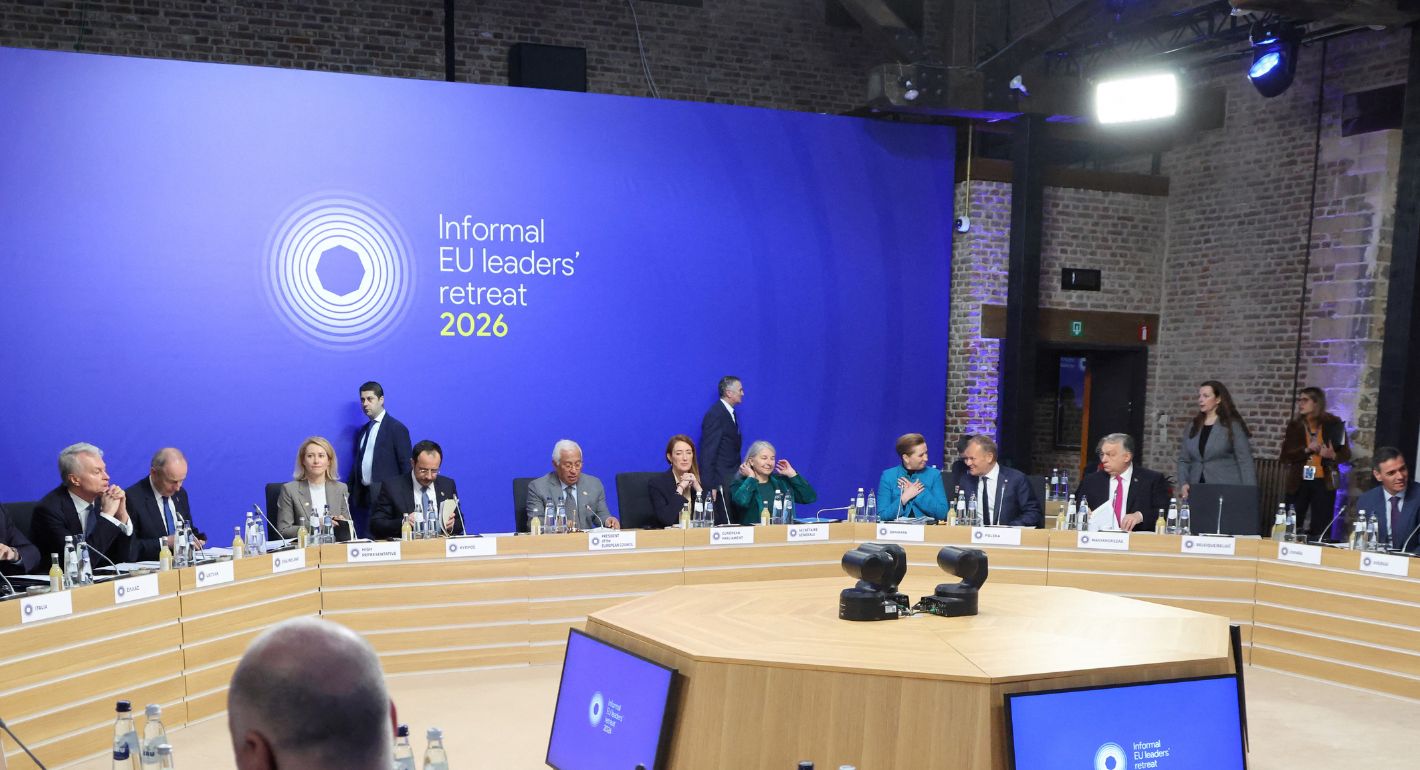
EU member states clash over how to boost the union’s competitiveness: Some want to favor European industries in public procurement, while others worry this could deter foreign investment. So, can the EU simultaneously attract global capital and reduce dependencies?

Rym Momtaz, ed.