

In The Media
Josh Kurlantzick
{
  "authors": [
    "Josh Kurlantzick"
  ],
  "type": "legacyinthemedia",
  "centerAffiliationAll": "dc",
  "centers": [
    "Carnegie Endowment for International Peace"
  ],
  "collections": [],
  "englishNewsletterAll": "ctw",
  "nonEnglishNewsletterAll": "",
  "primaryCenter": "Carnegie Endowment for International Peace",
  "programAffiliation": "SAP",
  "programs": [
    "South Asia"
  ],
  "projects": [],
  "regions": [
    "South Asia",
    "Southeast Asia"
  ],
  "topics": [
    "Economy"
  ]
}
Source: Getty
Josh Kurlantzick discusses how the increase of oil price present opportunites and challenges for countries in Southeast Asia.
Source: Time


Former Visiting Scholar, China Program
A special correspondent for The New Republic, a columnist for Time, and a senior correspondent for The American Prospect, Kurlantzick assesses China’s relationship with the developing world, including Southeast Asia, Africa, and Latin America.
Recent Work
Josh Kurlantzick
Carnegie does not take institutional positions on public policy issues; the views represented herein are those of the author(s) and do not necessarily reflect the views of Carnegie, its staff, or its trustees.

As geopolitical rivalry weaponizes global supply chains, the EU’s true vulnerability lies in emerging-risk imports. For these goods, suppliers are growing more concentrated, substitution more difficult, and political risk is looming.

Sinan Ülgen

The EU is putting together a new security strategy to meet today’s myriad challenges. But for any proposal to be effective, the union needs to grapple with its identity and ambitions.

Pierre Vimont
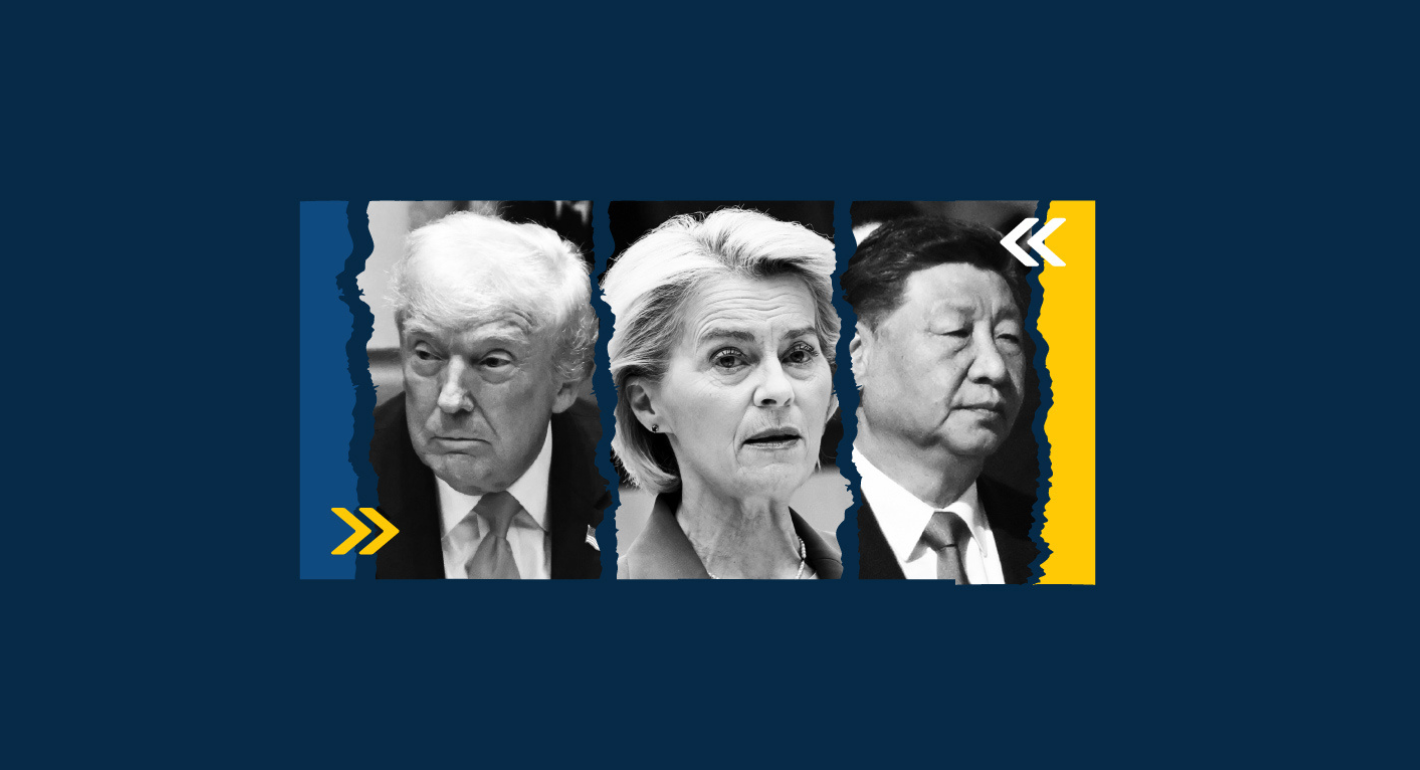
Between the United States’ market-driven approach and China's state-led industrial strategy, Europe is reckoning with how it can remain competitive in the global economy. But is Europe in danger of becoming a U.S. or China colony?
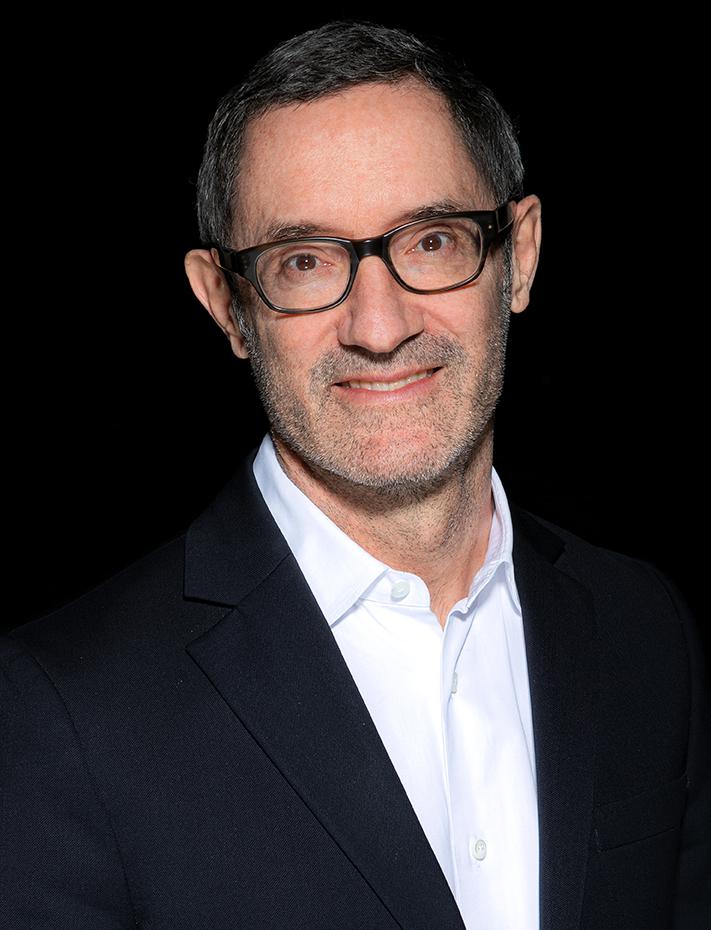

Noah Barkin, Anu Bradford
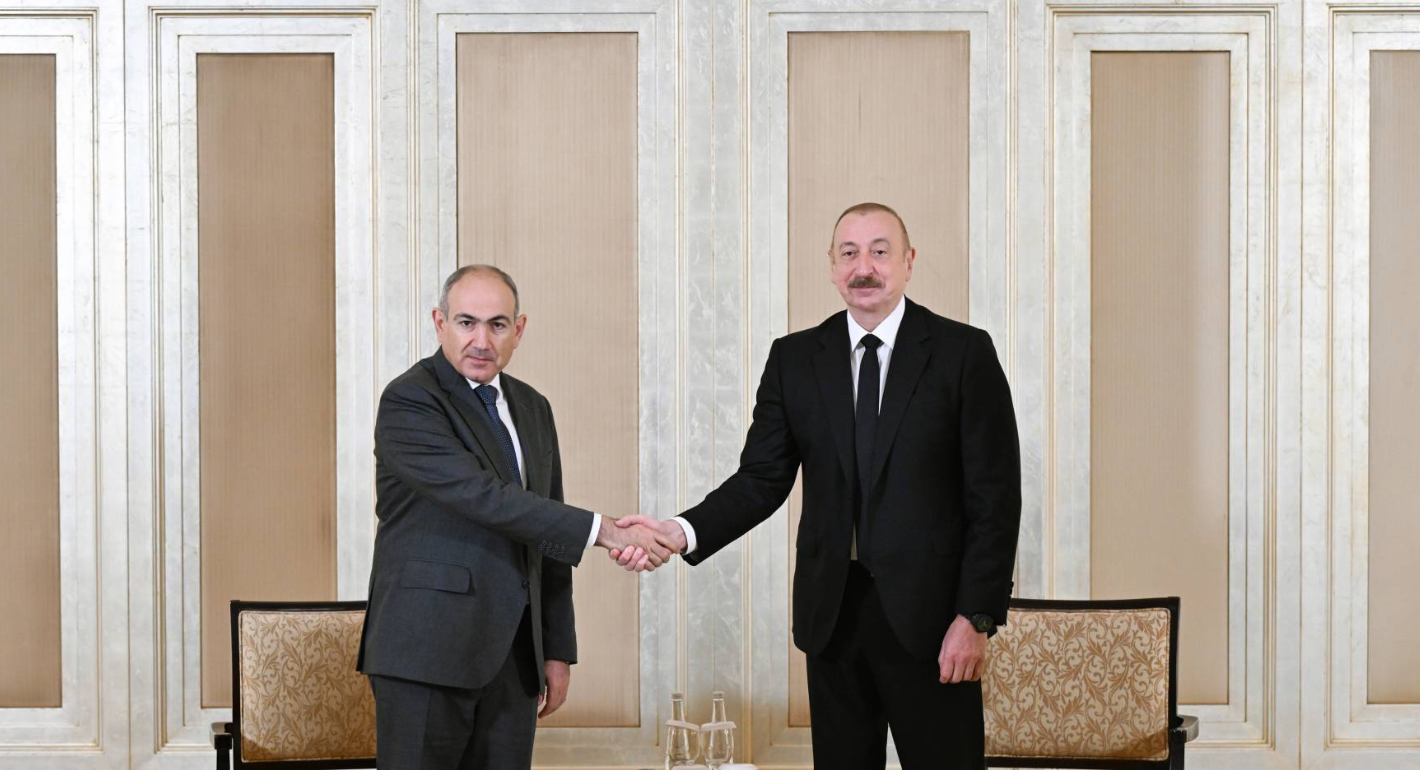
The U.S.-sponsored TRIPP deal is driving the Armenia-Azerbaijan peace process forward. But foreign and domestic hurdles remain before connectivity and economic interdependence can open up the South Caucasus.

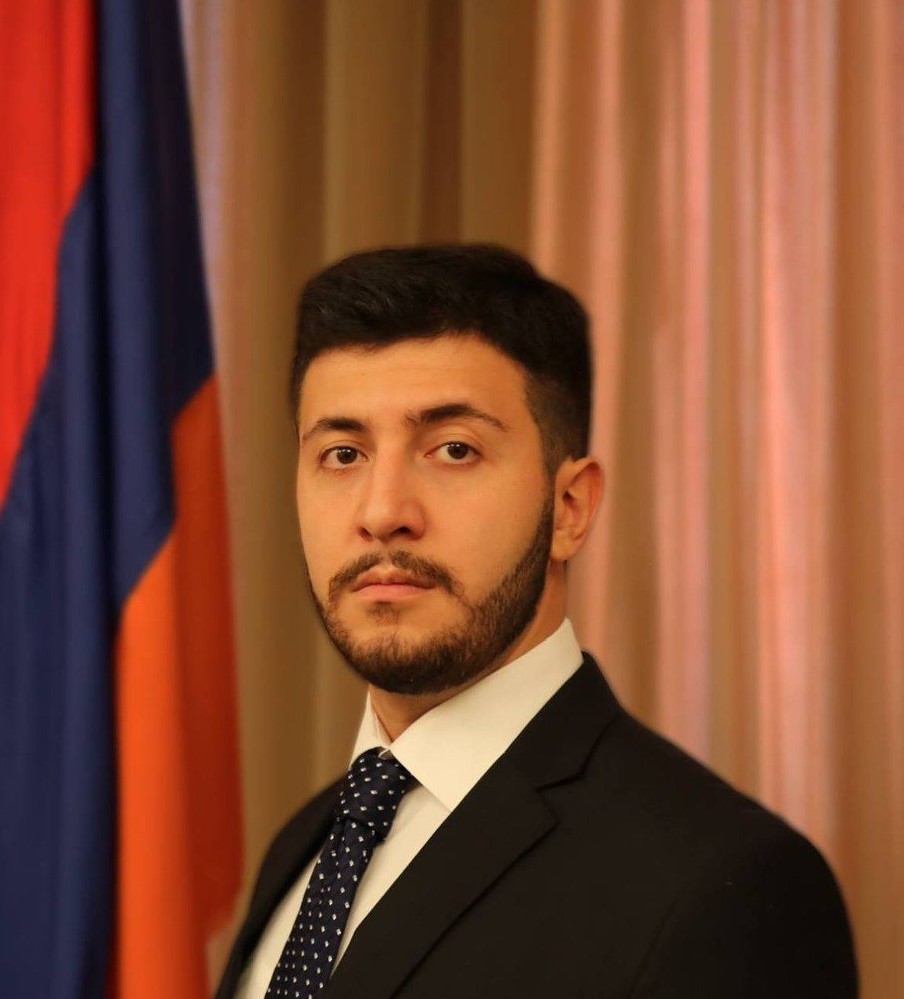

Thomas de Waal, Areg Kochinyan, Zaur Shiriyev

Economic growth is at the heart of a dilemma between planetary and international security.

Olivia Lazard