

Article
Frederic Grare
{
  "authors": [
    "Frederic Grare"
  ],
  "type": "legacyinthemedia",
  "centerAffiliationAll": "dc",
  "centers": [
    "Carnegie Endowment for International Peace"
  ],
  "collections": [],
  "englishNewsletterAll": "ctw",
  "nonEnglishNewsletterAll": "",
  "primaryCenter": "Carnegie Endowment for International Peace",
  "programAffiliation": "SAP",
  "programs": [
    "South Asia"
  ],
  "projects": [],
  "regions": [
    "South Asia",
    "Pakistan"
  ],
  "topics": [
    "Security"
  ]
}
Source: Getty
But, said Grare, different factions of the ruling coalition have yet to decide whether or not the judges will be restored to office. That issue is crucial, because a restored Supreme Court would likely rule that Musharraf’s election last fall was unconstitutional.
Some in Islamabad have floated a deal whereby the judges would be restored under the condition that Musharraf remains President. Grare said that scenario is unlikely, since Musahrraf would probably try to divide the ruling coalition, form a partnership with the Pakistan People’s Party, and eject the Pakistan Muslim League-Nawaz from power.
Click on one of the options below to watch video or listen to audio:
   |

Former Nonresident Senior Fellow, South Asia Program
Frédéric Grare was a nonresident senior fellow at the Carnegie Endowment for International Peace, where his research focuses on Indo-Pacific dynamics, the search for a security architecture, and South Asia Security issues.
Recent Work
Frederic Grare
Frederic Grare
Carnegie does not take institutional positions on public policy issues; the views represented herein are those of the author(s) and do not necessarily reflect the views of Carnegie, its staff, or its trustees.

European states control several Overseas Countries and Territories around the world that carry strategic, economic, and environmental weight. As great powers challenge the rules-based order, defending them is a geopolitical imperative for Europe.

Marc Pierini

Mounting economic strain and battlefield losses will not necessarily make the Kremlin less dangerous. They could instead push Moscow toward a more aggressive hybrid campaign designed to test NATO’s Eastern flank, exploit allied hesitation, and fracture European resolve.

Maksym Beznosiuk
Over the past ten years, NATO has held almost as many summits as it did during the entirety of the Cold War. Are they still useful, or is it time to stop holding annual meetings?

Rym Momtaz, ed.
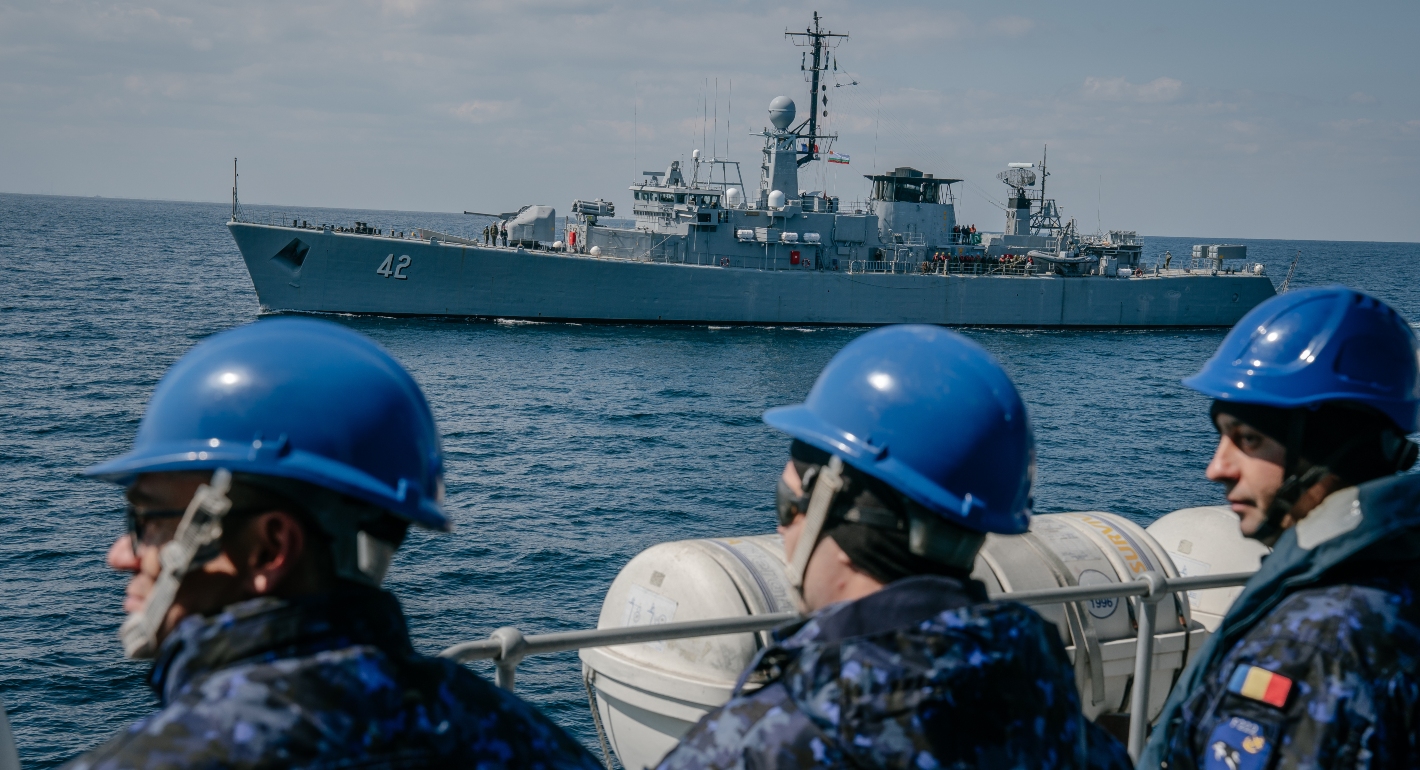
As Russia's war on Ukraine drags on, NATO is expanding its footprint in the Black Sea. Turkey, Romania, and Bulgaria are upgrading their fleets and deepening trilateral cooperation.

Dimitar Bechev
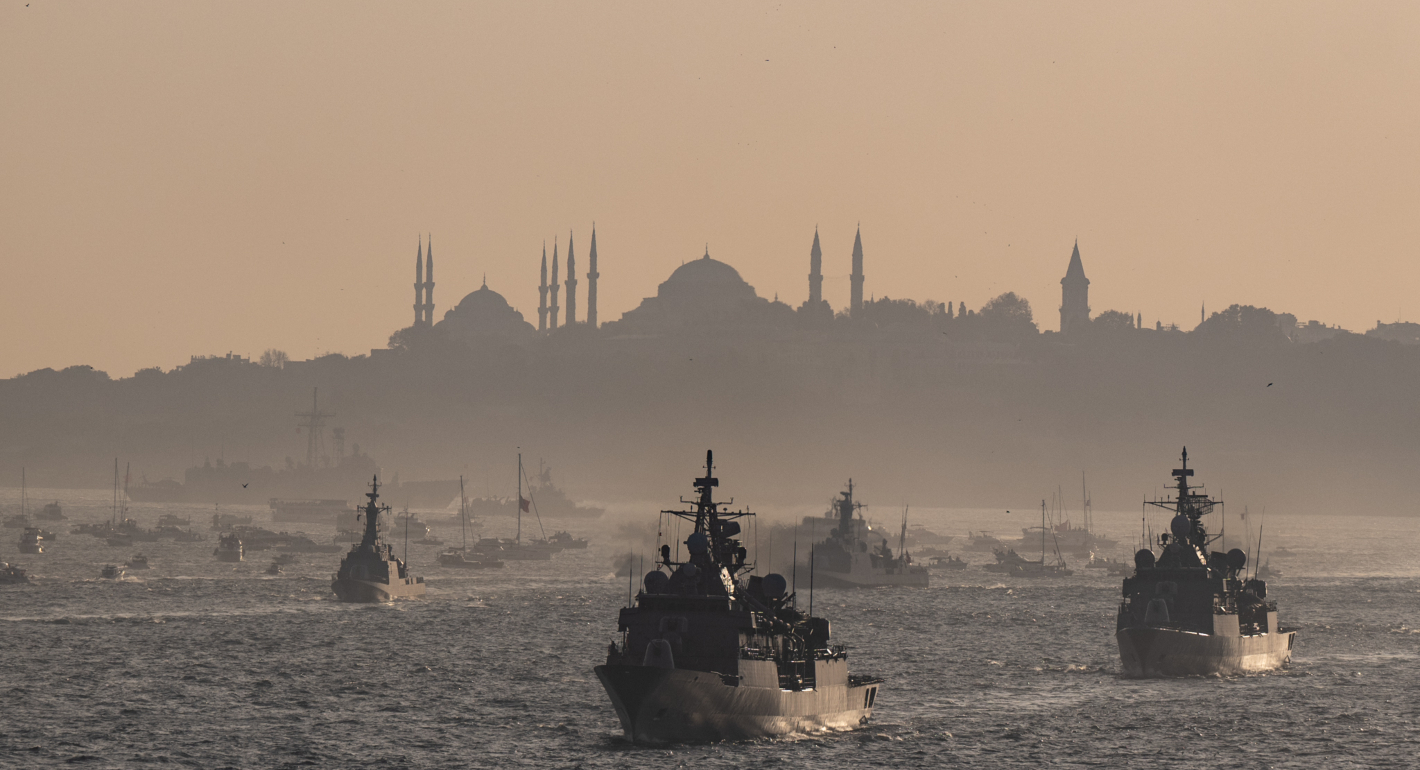
For ninety years, Turkey has been positioned as the principal gatekeeper of Black Sea security. As a result, European and NATO efforts to support Ukraine will require closer engagement with Ankara.

Thomas de Waal