Europe has an interest in supporting Armenian leader Nikol Pashinyan as he tries to make peace with neighbors and loosen ties with Russia. But it is depersonalized support in the long term, not quickfire flash, that will win the day.
Thomas de Waal
{
"authors": [],
"type": "pressRelease",
"centerAffiliationAll": "dc",
"centers": [
"Carnegie Endowment for International Peace"
],
"collections": [],
"englishNewsletterAll": "menaTransitions",
"nonEnglishNewsletterAll": "",
"primaryCenter": "Carnegie Endowment for International Peace",
"programAffiliation": "MEP",
"programs": [
"Middle East"
],
"projects": [],
"regions": [
"Middle East"
],
"topics": [
"Political Reform"
]
}REQUIRED IMAGE
Despite recent electoral reform, Kuwait’s parliamentary election on May 17 will produce little change. This question and answer guide explains the significance of the election, and the implications of the electoral reform on campaigning, opportunities for women in Kuwaiti politics, and most significantly, for democracy in the Gulf.
WASHINGTON, May 7—Despite recent electoral reform, Kuwait’s parliamentary election on May 17 will produce little change and continue to foster a parliament more adept at blocking the ruling family than initiating positive change, argues Middle East expert Nathan Brown. Increasing frustration with parliament led Kuwait’s ruling family to call an early election and has fueled speculation that they may suspend parliament.
Brown provides a question and answer guide to explain the significance of the election, and the implications of the electoral reform on campaigning, opportunities for women in Kuwaiti politics, and most significantly, for democracy in the Gulf—an important development the United States is overlooking.
Key Conclusions:
Brown argues that Kuwait’s looming political crisis may have some serious implications for democracy in the Gulf: “The ruling family tends to blame the parliament for Kuwait’s failure to develop as rapidly as Dubai—a model which allows the government to make decisions unhindered by democratic institutions. Other countries in the region are coming to see Kuwait as a negative model of what democracy can result in. Kuwaitis are increasingly debating how to reform (or whether to scale back) their democratic experiment.”

Carnegie does not take institutional positions on public policy issues; the views represented herein are those of the author(s) and do not necessarily reflect the views of Carnegie, its staff, or its trustees.
Europe has an interest in supporting Armenian leader Nikol Pashinyan as he tries to make peace with neighbors and loosen ties with Russia. But it is depersonalized support in the long term, not quickfire flash, that will win the day.
Thomas de Waal
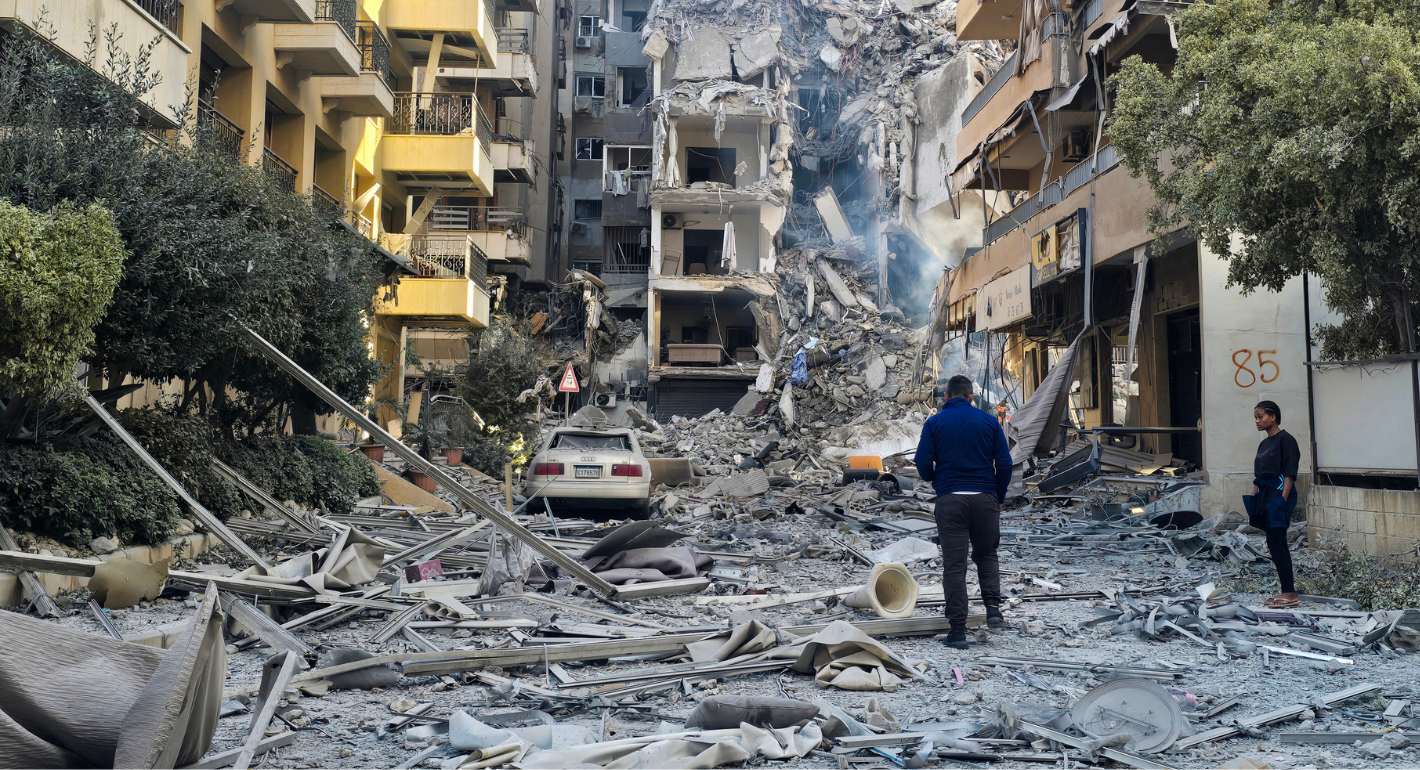
Europe has been standing by while its Southern neighborhood is being redrawn by force. To establish a path to peace between Israel and Lebanon, it’s time for Europeans to get involved with hard power.
Rym Momtaz
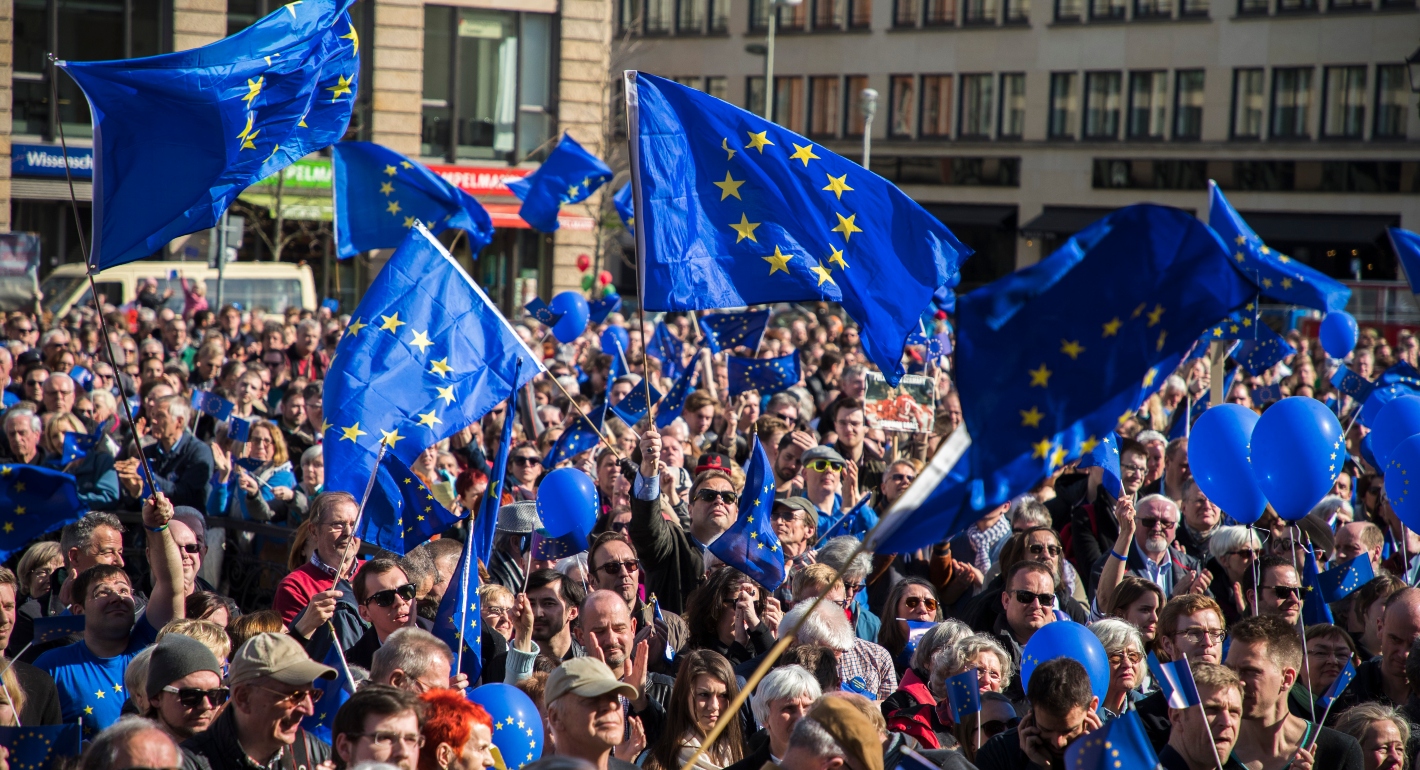
Montenegro and Albania are frontrunners for EU enlargement in the Western Balkans, but they can’t just sit back and wait. To meet their 2030 accession ambitions, they must make a strong positive case.
Dimitar Bechev, Iliriana Gjoni
Donald Trump has demanded that European allies send ships to the Strait of Hormuz while his war of choice in Iran rages on. He has constantly berated NATO while the alliance’s secretary-general has emphatically supported him.
Rym Momtaz, ed.
The war in Ukraine is costing Russia its leverage overseas. Across the South Caucasus and Middle East, this presents an opportunity for Europe to pick up the pieces and claim its own sphere of influence.
William Dixon, Maksym Beznosiuk