

In The Media
John Judis
{
  "authors": [
    "John Judis"
  ],
  "type": "legacyinthemedia",
  "centerAffiliationAll": "",
  "centers": [
    "Carnegie Endowment for International Peace"
  ],
  "collections": [],
  "englishNewsletterAll": "",
  "nonEnglishNewsletterAll": "",
  "primaryCenter": "Carnegie Endowment for International Peace",
  "programAffiliation": "",
  "programs": [],
  "projects": [],
  "regions": [
    "North America",
    "United States"
  ],
  "topics": [
    "Political Reform"
  ]
}
REQUIRED IMAGE
My esteemed colleague Noam Scheiber has suggested that Barack Obama’s results in the Philadelphia suburbs did not possess the significance I attributed to them. Clinton’s advantage there, he suggests, didn’t show that she was cutting into Obama’s prior advantage among affluent, educated voters--voters that have made up much of his white support.
Source: New Republic
My esteemed colleague Noam Scheiber has suggested that Barack Obama’s results in the Philadelphia suburbs did not possess the significance I attributed to them. Clinton’s advantage there, he suggests, didn’t show that she was cutting into Obama’s prior advantage among affluent, educated voters--voters that have made up much of his white support. Noam might be right about these suburbs, although I think that if you looked at the Democratic primary voters in Philadelphia’s Montgomery County (where the Main Line runs), you would find that a lot of them are from the educated, affluent part of the county. I am not prepared to look into the returns that closely. But I don’t think you have to do so to make the general point about Obama’s vote in the Pennsylvania primary that I was trying to make by pointing to these counties. Let’s just look at his margin among college-educated voters and voters with post-graduate degrees in Pennsylvania and in other states.

What these results show is that Obama’s advantage among college-educated voters and voters with post-graduate degrees suddenly disintegrated in Pennsylvania. You’ll find a very similar pattern if you look at the “affluent” side of the vote. In Pennsylvania, Clinton won voters who make between $100,000 and $149,999 by 62 to 38 percent. Obama won these voters in most others states. For instance, in Texas he won them by 53 to 46 percent and in Missouri by 60 to 40 percent.
What might have happened in Pennsylvania, I suggested, was that Obama’s image became tarnished by his being associated in voters’ minds with Pastor Wright and, to a lesser extent, with Tony Rezko and Bill Ayers. I can’t prove this, but I think I have shown that (contrary to the Obama campaign’s press release) a change in the composition of Obama’s vote did take place in Pennsylvania, and it may turn out to be significant.

Former Visiting Scholar
As a visiting scholar at Carnegie, Judis wrote The Folly of Empire: What George W. Bush Could Learn from Theodore Roosevelt and Woodrow Wilson.
Recent Work
John Judis
John Judis
Carnegie does not take institutional positions on public policy issues; the views represented herein are those of the author(s) and do not necessarily reflect the views of Carnegie, its staff, or its trustees.
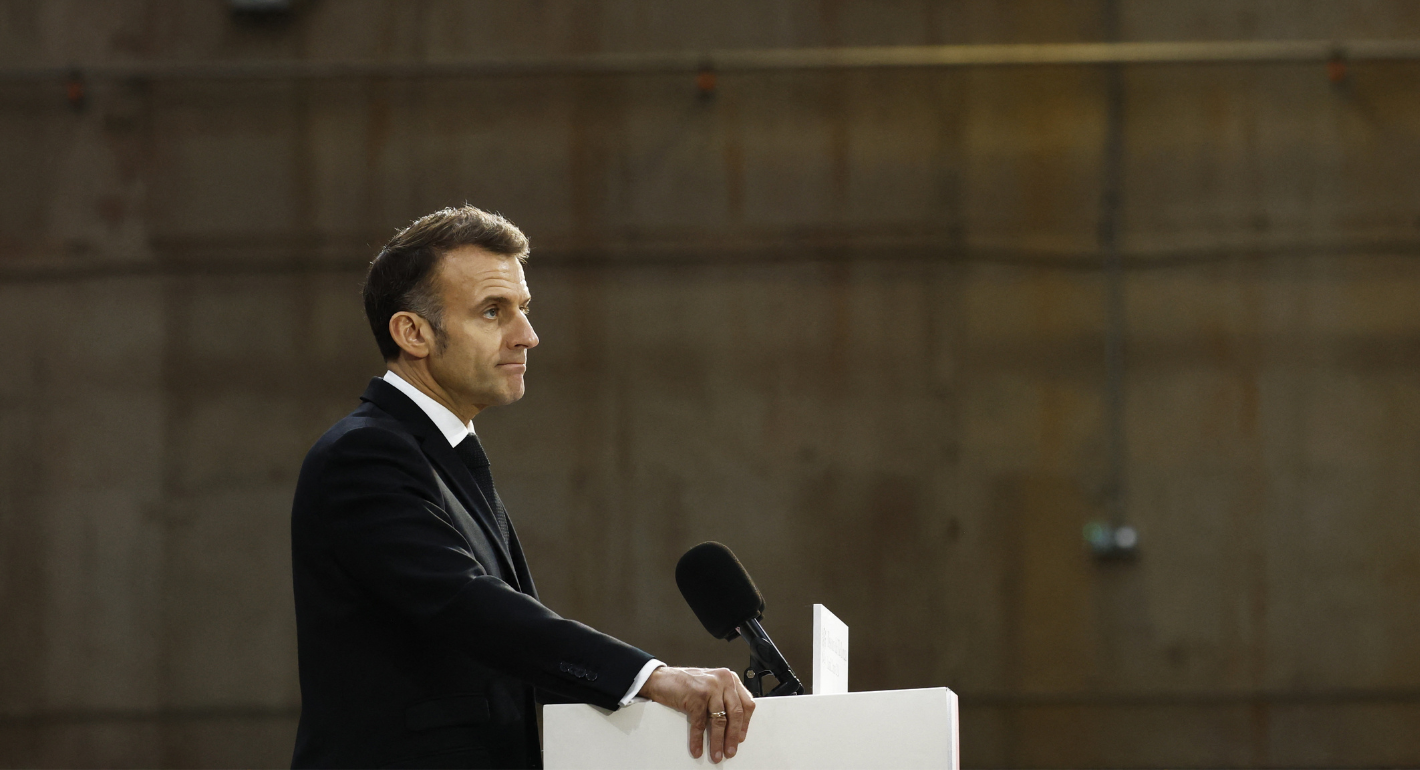
French President Emmanuel Macron has unveiled his country’s new nuclear doctrine. Are the changes he has made enough to reassure France’s European partners in the current geopolitical context?

Rym Momtaz, ed.
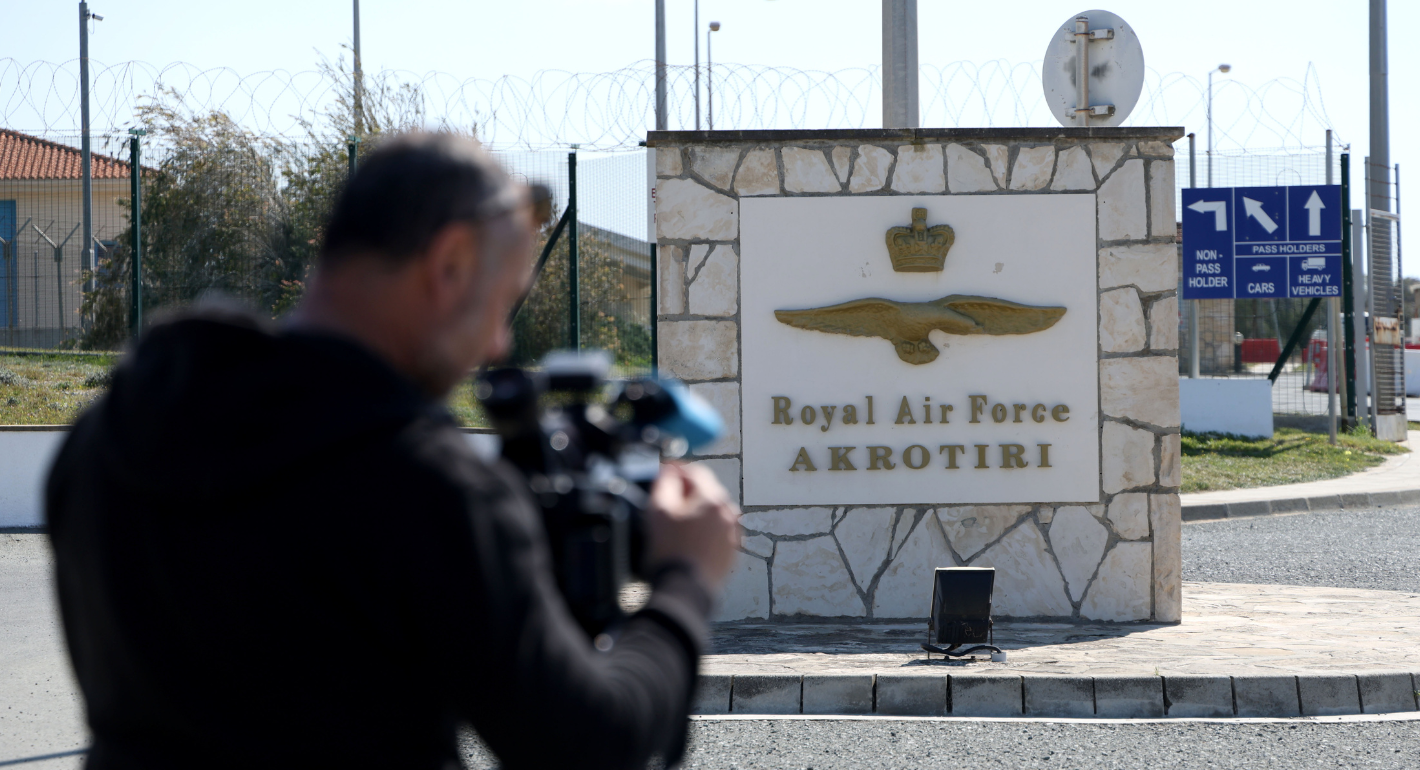
The drone strike on the British air base in Akrotiri brings Europe’s proximity to the conflict in Iran into sharp relief. In the fog of war, old tensions in the Eastern Mediterranean risk being reignited, and regional stakeholders must avoid escalation.

Marc Pierini
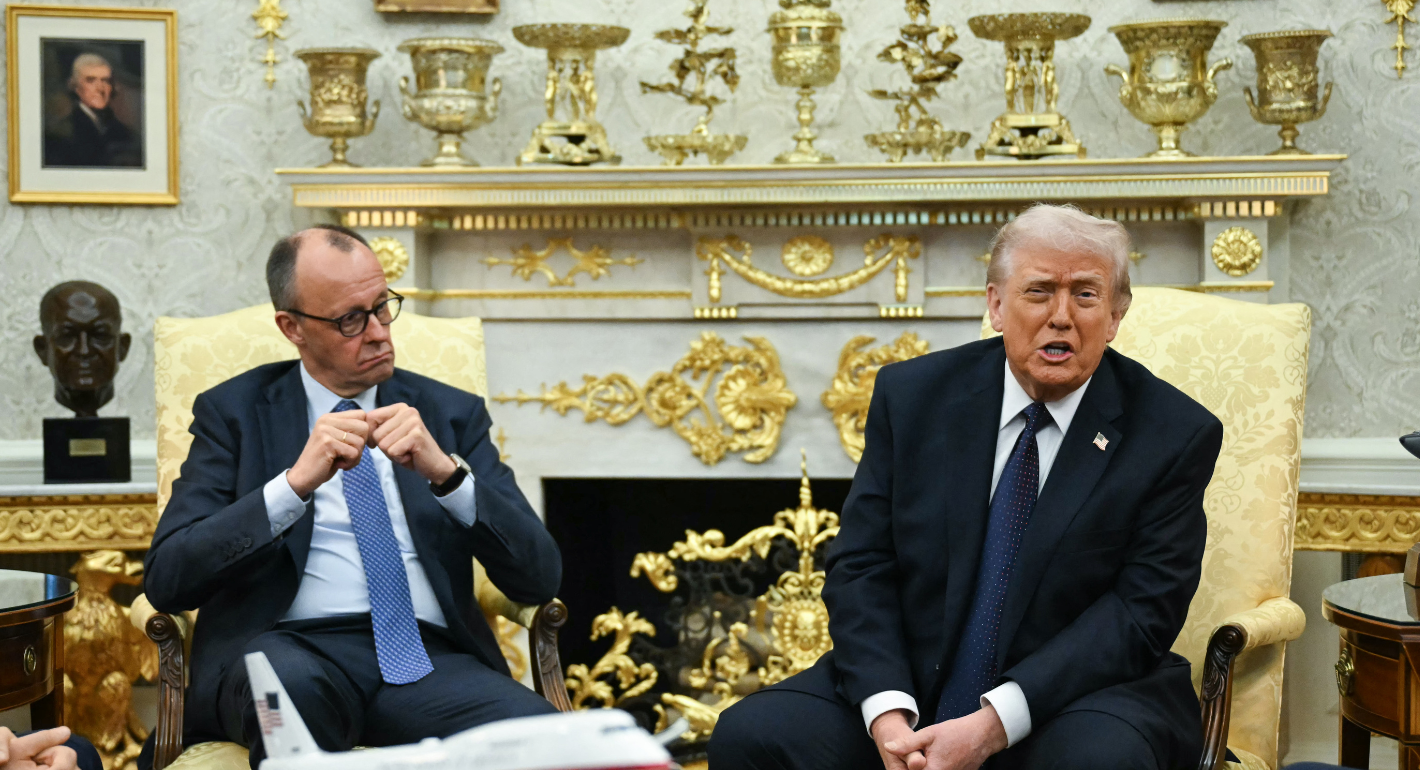
European reactions to the war in Iran have lost sight of wider political dynamics. The EU must position itself for the next phase of the crisis without giving up on its principles.

Richard Youngs
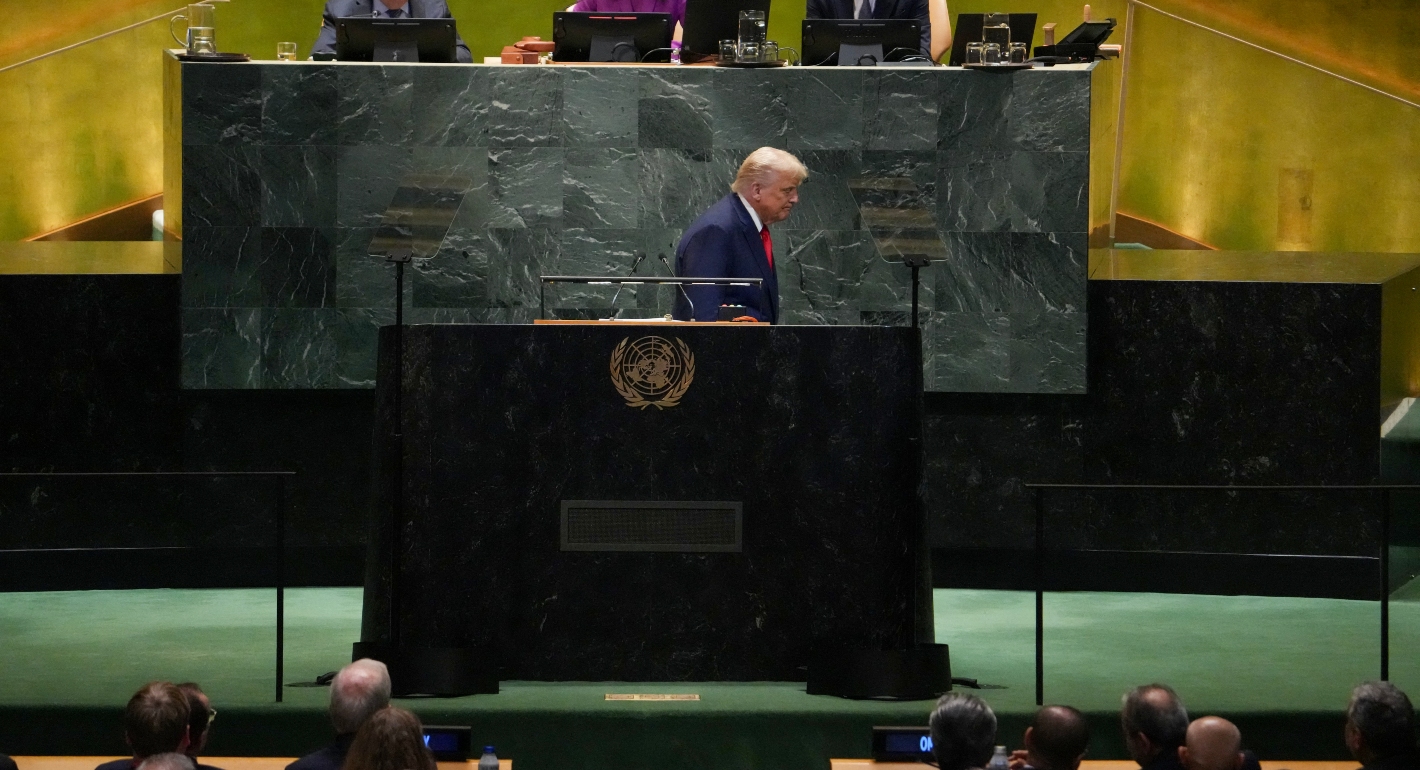
For years, the United States anchored global cyber diplomacy. As Washington rethinks its leadership role, the launch of the UN’s Cyber Global Mechanism may test how allies adjust their engagement.

Patryk Pawlak, Chris Painter
Europe’s reaction to the war in Iran has been disunited and meek, a far cry from its previously leading role in diplomacy with Tehran. To avoid being condemned to the sidelines while escalation continues, Brussels needs to stand up for international law.

Pierre Vimont