
• Research
  • Strategic Europe
  • About
  • Experts
Carnegie Europe logoCarnegie lettermark logo
EUNATO
  • Donate
{
  "authors": [
    "Eduardo Zepeda",
    "James Heintz",
    "Carlos Oya"
  ],
  "type": "other",
  "centerAffiliationAll": "",
  "centers": [
    "Carnegie Endowment for International Peace"
  ],
  "collections": [],
  "englishNewsletterAll": "",
  "nonEnglishNewsletterAll": "",
  "primaryCenter": "Carnegie Endowment for International Peace",
  "programAffiliation": "",
  "programs": [],
  "projects": [],
  "regions": [
    "Southern, Eastern, and Western Africa"
  ],
  "topics": [
    "Economy"
  ]
}

Source: Getty

Other

Towards an Employment-Centered Development Strategy for Poverty Reduction in The Gambia: Macroeconomic and Labour Market Aspects

Carnegie's Eduardo Zepeda and James Heintz and Carlos Oya review the growth, employment and poverty record of Gambia.  They focus on the macroeconomic environment and the structure and functioning of labor markets. The authors find that the growth pattern of Gambia does not appear to be pro-poor; improvements in the rate of growth appear to have, at best, halted the spread of poverty.

Link Copied
By Eduardo Zepeda, James Heintz, Carlos Oya
Published on Jul 8, 2008

Source: Carnegie Endowment for International Peace and the International Poverty CentreCountry Study

In this paper, Eduardo Zepeda of the Carnegie Endowment, James Heintz of the University of Massachusetts and Carlos Oya of the University of London review the growth, employment and poverty record of Gambia, focusing on the macroeconomic environment and the structure and functioning of labour markets. The aim of the paper is to identify areas where current policies can be improved or where more knowledge needs to be generated to better inform inclusive development strategies.

The growth pattern of  Gambia does not appear to be pro-poor, as improvements in the rate of growth appear to have at best halted the spread of poverty. Weak productivity performance and the low quality of employment help explain the poverty record. On the macroeconomic side, an excessive emphasis on inflation reduction and reliance on rudimentary monetary policy instruments have helped sustain a high-interest rate environment, which discourages investment and employment creation.

As part of an alternative policy package, Gambia could reformulate macroeconomic policies to target growth instead of inflation, select a more effective mix of policy instruments, and pursue financial reforms to increase the supply of credit to the economy and particularly to employment-intensive activities. In addition, targeted public investments are essential for sustaining more rapid growth and improvements in employment opportunities. A review of the available evidence suggests that labour markets in Gambia do not function in a way conducive to poverty reduction. The employment situation conforms to the typical configuration, whereby traditional activities and informality dominate rural and urban areas.

Gambia also faces high open unemployment rates in cities, particularly among the youth. Measures to increase the labour mobility of the poor are urgently needed. Gambia has benefited from a rapid increase in literacy and basic education, although more progress is needed to improve the quality of education and, particularly, to provide comprehensive training that adequately meets the demand for skilled labour. Finally, there is an urgent need to overhaul labour institutions with the aim of improving labour conditions, reducing labour segmentation and improving knowledge systems.

About the Authors

Eduardo Zepeda

Former Senior Associate, Trade, Equity and Development Program

Zepeda is inter-regional policy coordinator of the Development Policy and Analysis Division, Department of Economic and Social Affairs at the United Nations General Secretariat. He was previously a senior associate in the Trade, Equity, and Development Program at the Carnegie Endowment for International Peace.

James Heintz

Political Economy Research Institute

Carlos Oya

School of Oriental and African Studies

Authors

Eduardo Zepeda
Former Senior Associate, Trade, Equity and Development Program
Eduardo Zepeda
James Heintz
Political Economy Research Institute
Carlos Oya
School of Oriental and African Studies
EconomySouthern, Eastern, and Western Africa

Carnegie does not take institutional positions on public policy issues; the views represented herein are those of the author(s) and do not necessarily reflect the views of Carnegie, its staff, or its trustees.

More Work from Carnegie Europe

  • Article
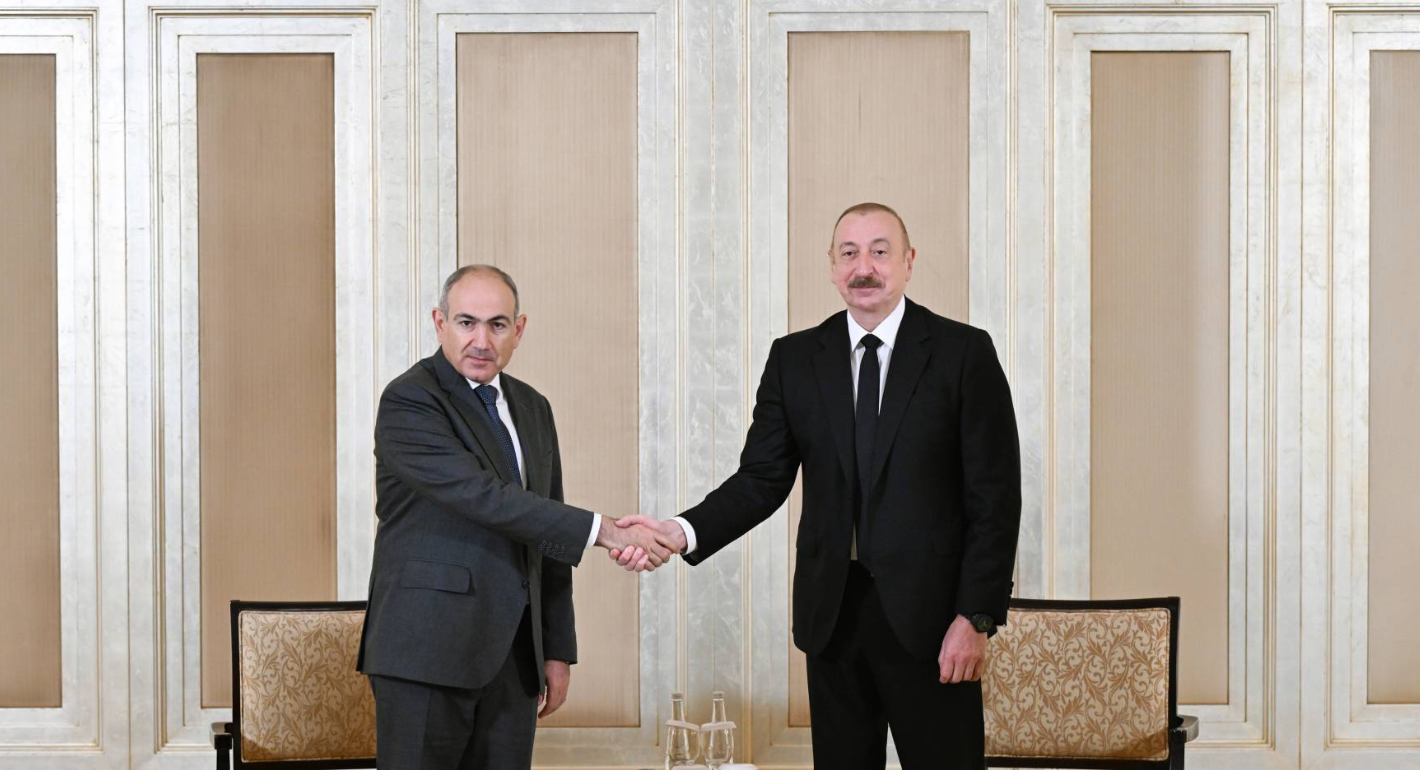
    Rewiring the South Caucasus: TRIPP and the New Geopolitics of Connectivity

    The U.S.-sponsored TRIPP deal is driving the Armenia-Azerbaijan peace process forward. But foreign and domestic hurdles remain before connectivity and economic interdependence can open up the South Caucasus.

      • Areg Kochinyan

      Thomas de Waal, Areg Kochinyan, Zaur Shiriyev

  • Research
    Planetary vs International Security: Economic Growth at the Crossroads

    Economic growth is at the heart of a dilemma between planetary and international security.

      Olivia Lazard

  • Commentary
    Strategic Europe
    Europe and the Arab Gulf Must Come Together

    The war in Iran proves the United States is now a destabilizing actor for Europe and the Arab Gulf. From protect their economies and energy supplies to safeguarding their territorial integrity, both regions have much to gain from forming a new kind of partnership together.

      • Rym Momtaz

      Rym Momtaz

  • Commentary
    Strategic Europe
    How Europe Can Survive the AI Labor Transition

    Integrating AI into the workplace will increase job insecurity, fundamentally reshaping labor markets. To anticipate and manage this transition, the EU must build public trust, provide training infrastructures, and establish social protections.

      Amanda Coakley

  • Commentary
    Strategic Europe
    Taking the Pulse: Can the EU Attract Foreign Investment and Reduce Dependencies?

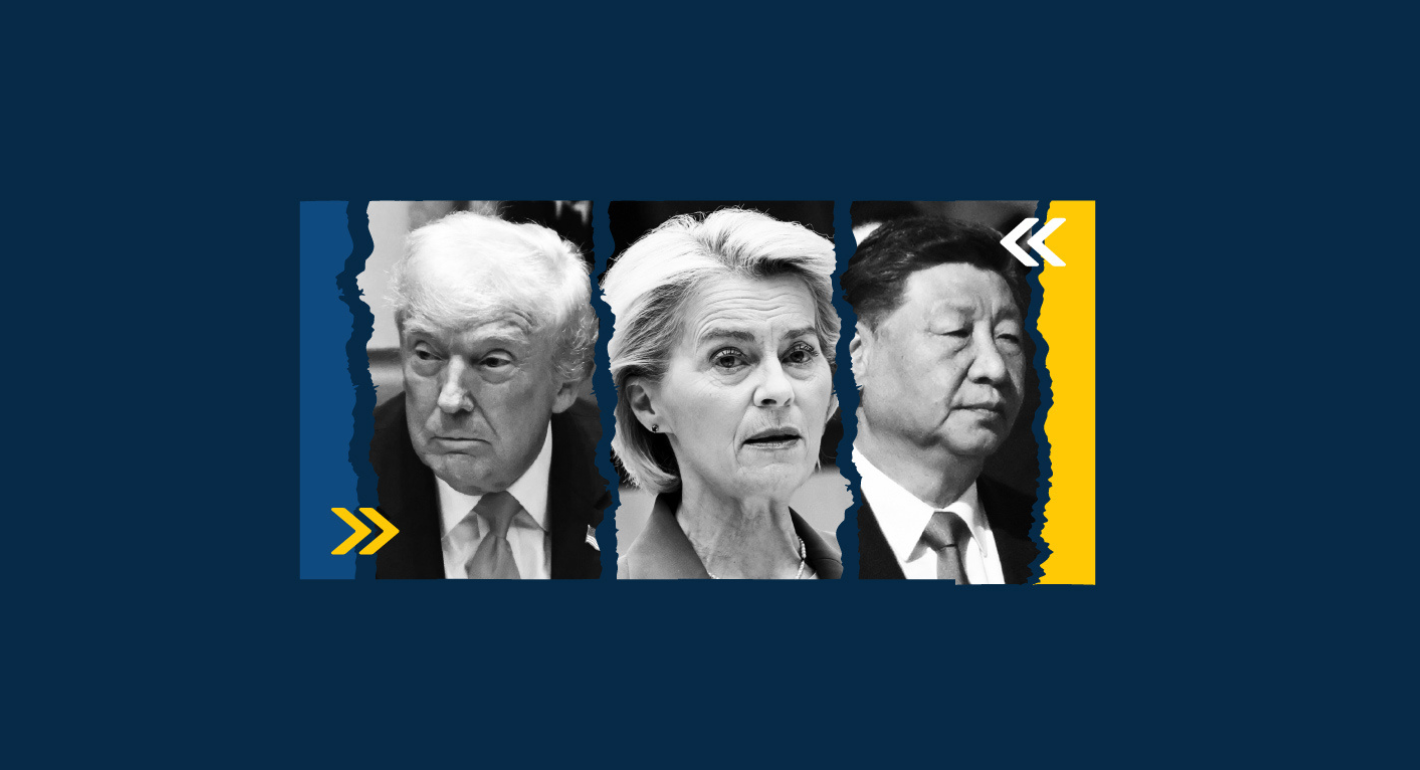
    EU member states clash over how to boost the union’s competitiveness: Some want to favor European industries in public procurement, while others worry this could deter foreign investment. So, can the EU simultaneously attract global capital and reduce dependencies?

      • Rym Momtaz

      Rym Momtaz, ed.

Get more news and analysis from
Carnegie Europe
Carnegie Europe logo, white
Rue du Congrès, 151000 Brussels, Belgium
  • Research
  • Strategic Europe
  • About
  • Experts
  • Projects
  • Events
  • Contact
  • Careers
  • Privacy
  • For Media
  • Gender Equality Plan
Get more news and analysis from
Carnegie Europe
© 2026 Carnegie Endowment for International Peace. All rights reserved.