

Article
Dr. Albert Keidel
{
  "authors": [
    "Albert Keidel"
  ],
  "type": "legacyinthemedia",
  "centerAffiliationAll": "dc",
  "centers": [
    "Carnegie Endowment for International Peace"
  ],
  "collections": [],
  "englishNewsletterAll": "asia",
  "nonEnglishNewsletterAll": "",
  "primaryCenter": "Carnegie Endowment for International Peace",
  "programAffiliation": "AP",
  "programs": [
    "Asia"
  ],
  "projects": [],
  "regions": [
    "North America",
    "United States",
    "China"
  ],
  "topics": [
    "Economy"
  ]
}
Source: Getty
The United States is witnessing, at least temporarily, the collapse of effective liquidity for the complex financial instruments that have long been used to conduct transactions. But the real crisis is a Keynesian downward spiral, whereby declining consumption and declining investment reinforce each other.
Source: The Diane Rehm Show

The United States is witnessing, at least temporarily, the collapse of effective liquidity for the complex financial instruments that have long been used to underpin transactions. For that reason, it is dubious to state that enough money has been injected into the credit market. It is also misleading to look at current price/earnings ratios to assess what the true bottom of this crisis is. The real potential crisis, he believes, is a Keynesian downward spiral, whereby declining consumption and declining investment reinforce each other.
Keidel noted that China, Japan, and India are faring better than most economies amidst the current global turmoil. It remains to be seen how smaller Asian economies will fare in the face of exchange rate pressures since they do not have strong mechanisms for handling capital flight.
There are precedents for solving credit crises, but developed countries are not accustomed to having to resort to using them. The U.S. government needs to take over failing banks, fix them, and resell them. The presidential candidates should not be stressing budgetary responsibility. Keidel maintains that America will have to engage in major deficit spending, just as it has during every serious downturn.
Click here to listen to Albert Keidel on the Diane Rehm Show.
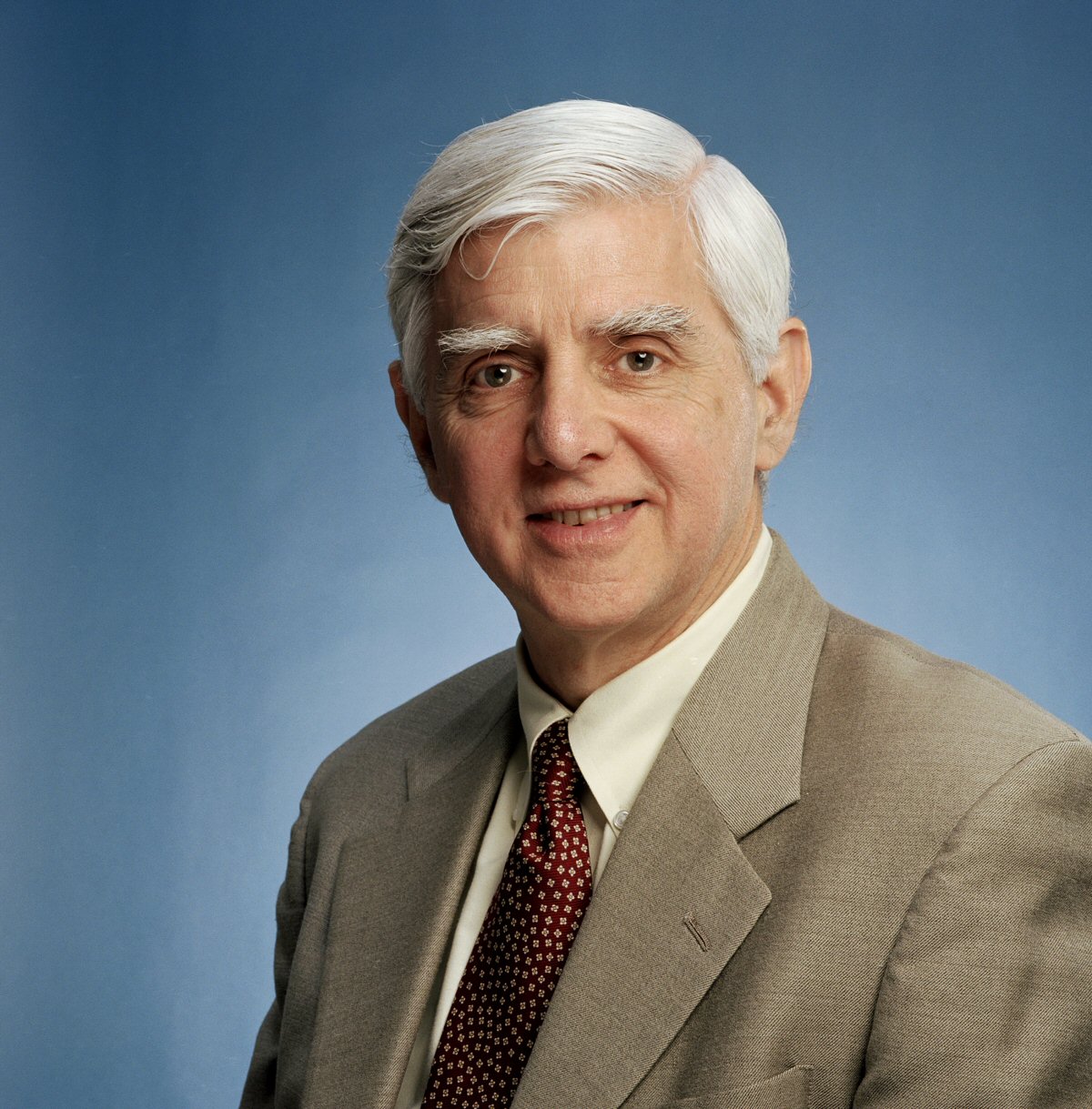
Former Senior Associate, China Program
Keidel served as acting director and deputy director for the Office of East Asian Nations at the U.S. Department of the Treasury. Before joining Treasury in 2001, he covered economic trends, system reforms, poverty, and country risk as a senior economist in the World Bank office in Beijing.
Recent Work
Dr. Albert Keidel
Dr. Albert Keidel
Carnegie does not take institutional positions on public policy issues; the views represented herein are those of the author(s) and do not necessarily reflect the views of Carnegie, its staff, or its trustees.

With its public finances in shambles, the far right polling at 35 percent ahead of the 2027 presidential election, and a growing protest movement, is France’s crisis a threat to the EU’s geopolitical awakening?

Rym Momtaz, ed.

Ahead of a tough winter for Ukraine, Donald Trump’s swing back toward Russia bodes ill. But instead of panicking, Kyiv’s European allies are focusing on action.
Rym Momtaz

While the EU and European governments are embracing the much-lauded middle-power moment, this entails three difficult conundrums.

Richard Youngs

Europe is facing rising populism internally as well as external pressures from Russia, China, Turkey, and the United States.

Dimitar Bechev

The European Commissioner for Trade is headed to China. But after President Xi’s bridge-building visit to Washington, can a more isolated EU overcome Beijing’s stranglehold on critical raw materials? Who will blink first?
Rym Momtaz, ed.