

In The Media
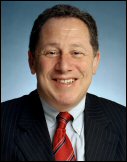
David Rothkopf
{
  "authors": [
    "David Rothkopf"
  ],
  "type": "legacyinthemedia",
  "centerAffiliationAll": "",
  "centers": [
    "Carnegie Endowment for International Peace"
  ],
  "collections": [],
  "englishNewsletterAll": "",
  "nonEnglishNewsletterAll": "",
  "primaryCenter": "Carnegie Endowment for International Peace",
  "programAffiliation": "",
  "programs": [],
  "projects": [],
  "regions": [
    "North America",
    "United States"
  ],
  "topics": [
    "Economy"
  ]
}
Source: Getty
With 26 delegations and a daunting list of economic issues to address, next week’s G20 Summit is unlikely to accomplish as much as the world is hoping.
Source: Wisconsin Public Radio's Conversations with Kathleen Dunn

“There is almost no place that you can think of in the global economy that doesn’t require a jump-start right now,” Rothkopf said. Therefore, the first priority should be to “stop the bleeding,” followed by policies that aim to restore growth. The G20 Summit, however, is likely to produce little consensus on the best policies to achieve these goals because it will be difficult to reconcile the widely varying economic plans of all 26 delegations. Some of the most important policy questions are likely to remain unresolved, including the debate over whether countries should embrace big stimulus packages and whether new international regulatory mechanisms should be established.
Nonetheless, Rothkopf noted that economies tend to repair themselves over time, predicting that the global economy might begin to see a resurgence in growth at the end of 2009 or the beginning of 2010. The interesting question is not whether we will recover but what the world will look like once we have emerged from this crisis. New industries will lead our future growth, perhaps with a focus on green industry, and existing industries may see large-scale changes. Inevitably, geopolitical relationships will shift, leaving a world with new opportunities and dilemmas.
Former Visiting Scholar
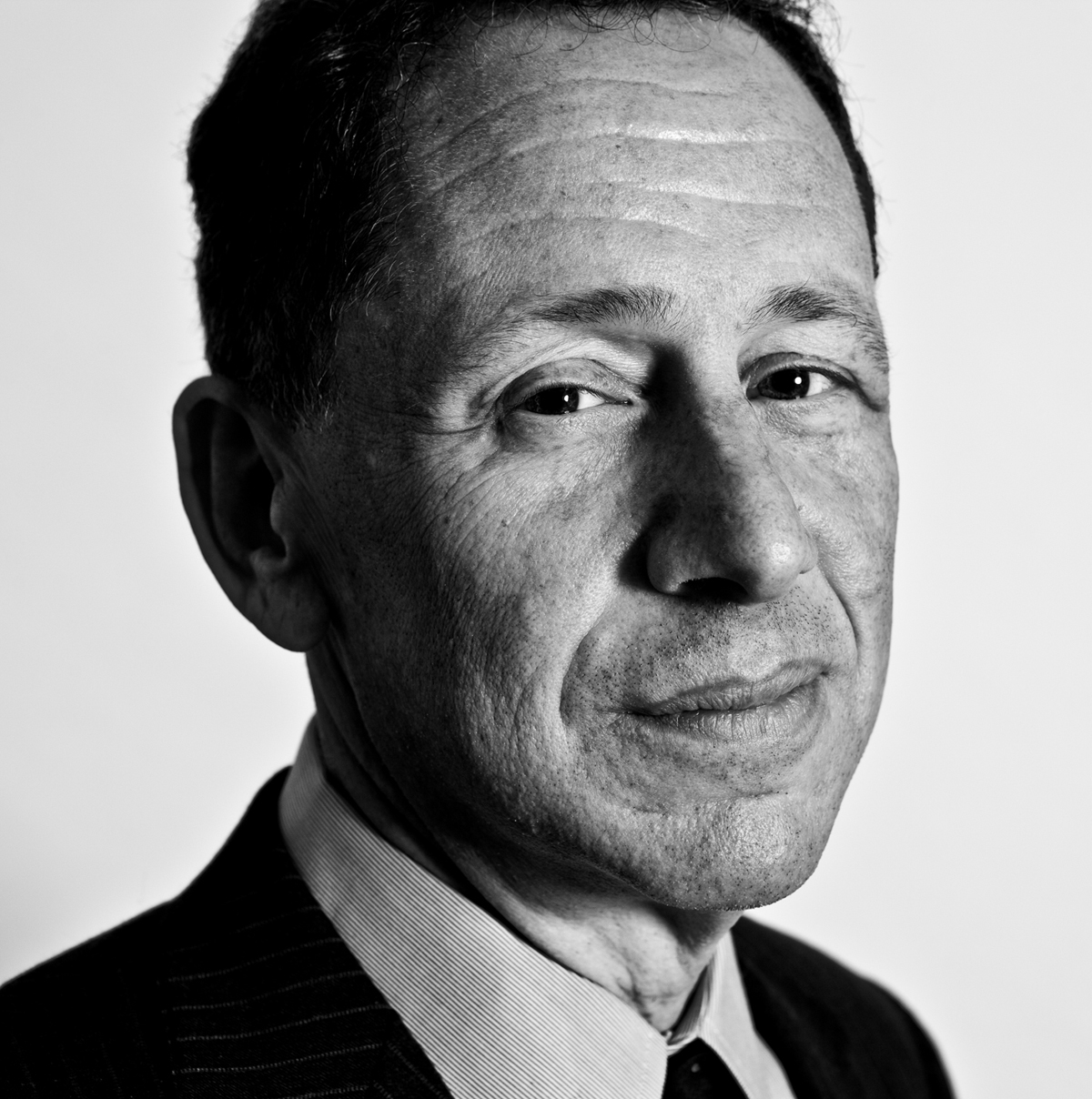
David Rothkopf was a visiting scholar at the Carnegie Endowment as well as the former CEO and editor in chief of the FP Group.
Recent Work
David Rothkopf
David Rothkopf
Carnegie does not take institutional positions on public policy issues; the views represented herein are those of the author(s) and do not necessarily reflect the views of Carnegie, its staff, or its trustees.
In Ukraine, Gaza, and Iran, AI warfare has come to dominate, with barely any oversight or accountability. Europe must lead the charge on the responsible use of new military technologies.

Raluca Csernatoni
Donald Trump has repeatedly bashed NATO and European allies, threatening to annex Canada and Greenland and deploring their lack of enthusiasm for his war of choice in Iran. Is this latest round of abuse the final straw?

Rym Momtaz, ed.
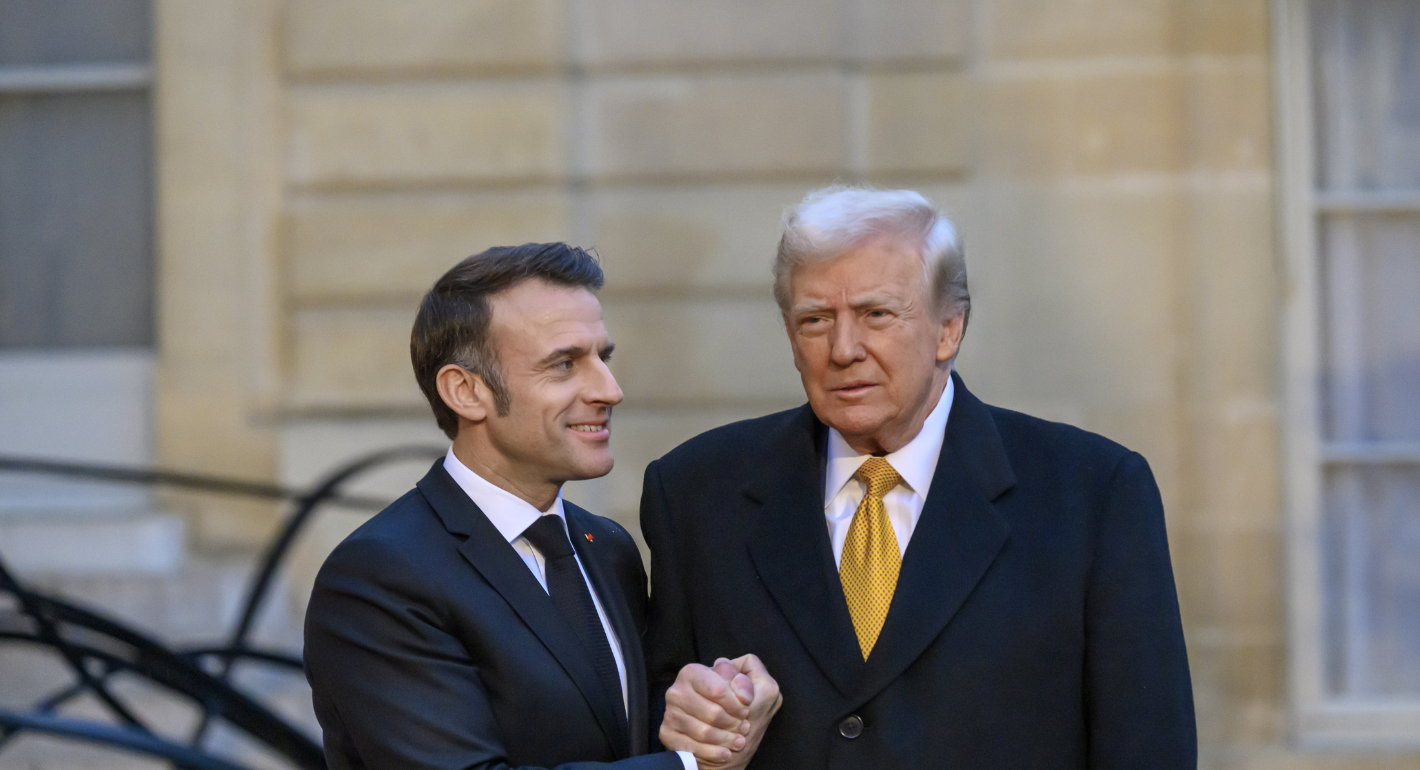
Donald Trump’s repudiation of NATO goes against the Make America Great Again vision of a U.S.-centered foreign policy. If the goal is to preserve the alliance by boosting Europe’s commitments, leaning into France’s vision is the most America First way forward.
Rym Momtaz

The wars in Ukraine and the Middle East are existential threats to Europe as a peace project. Leaders and citizens alike must reaffirm their solidarity to face up to today’s multifaceted challenges.

Marc Pierini
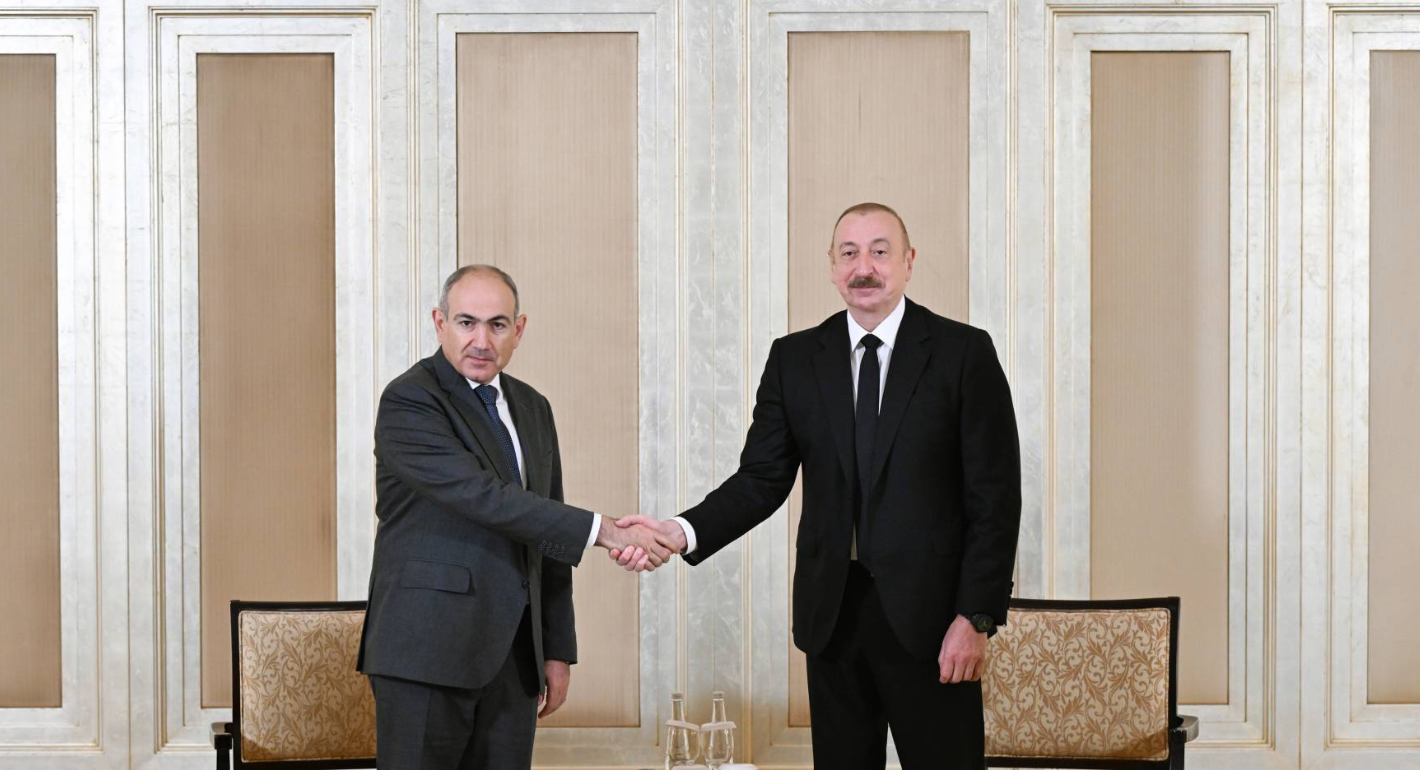
The U.S.-sponsored TRIPP deal is driving the Armenia-Azerbaijan peace process forward. But foreign and domestic hurdles remain before connectivity and economic interdependence can open up the South Caucasus.



Thomas de Waal, Areg Kochinyan, Zaur Shiriyev