

In The Media
Shahram Chubin
{
  "authors": [
    "Shahram Chubin"
  ],
  "type": "legacyinthemedia",
  "centerAffiliationAll": "dc",
  "centers": [
    "Carnegie Endowment for International Peace"
  ],
  "collections": [
    "U.S. Nuclear Policy"
  ],
  "englishNewsletterAll": "ctw",
  "nonEnglishNewsletterAll": "",
  "primaryCenter": "Carnegie Endowment for International Peace",
  "programAffiliation": "NPP",
  "programs": [
    "Nuclear Policy"
  ],
  "projects": [],
  "regions": [
    "North America",
    "United States",
    "Middle East",
    "Iran"
  ],
  "topics": [
    "Nuclear Policy",
    "Nuclear Energy"
  ]
}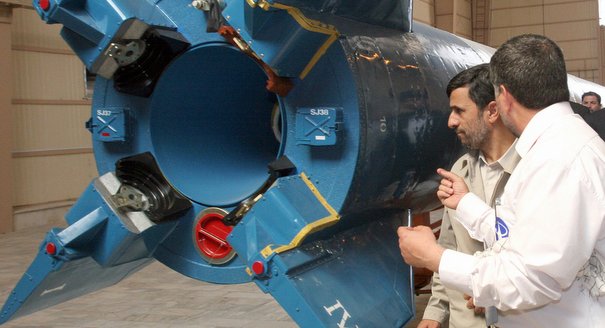
Source: Getty
International threats and sanctions unify Iranians behind an unloved regime while inducements threaten the regime's foundations, which are built on hostility to the world, embattlement, and "resistance."
Source: Washington Quarterly

The dilemma today for the United States is that neither the military nor the diplomatic track appears likely to yield results soon. This dilemma is further accentuated since the June 12, 2009 elections highlighted the fractures in Iranian elite, as well as society, and the current regime's sickening repression of the public. The elections also brought forth the regime’s newfound interest in at least tactically engaging the West, as in Geneva in October 2009. By engagement, the regime not only hopes to deflect external pressures, but also to gain a measure of legitimacy and to dishearten its political opponents.
Former Nonresident Senior Fellow, Nuclear Policy Program
Chubin, who is based in Geneva, focuses his research on nonproliferation, terrorism, and Middle East security issues. He was director of studies at the Geneva Centre for Security Policy, Switzerland, from 1996 to 2009.
Recent Work
Shahram Chubin
Shahram Chubin
Carnegie does not take institutional positions on public policy issues; the views represented herein are those of the author(s) and do not necessarily reflect the views of Carnegie, its staff, or its trustees.
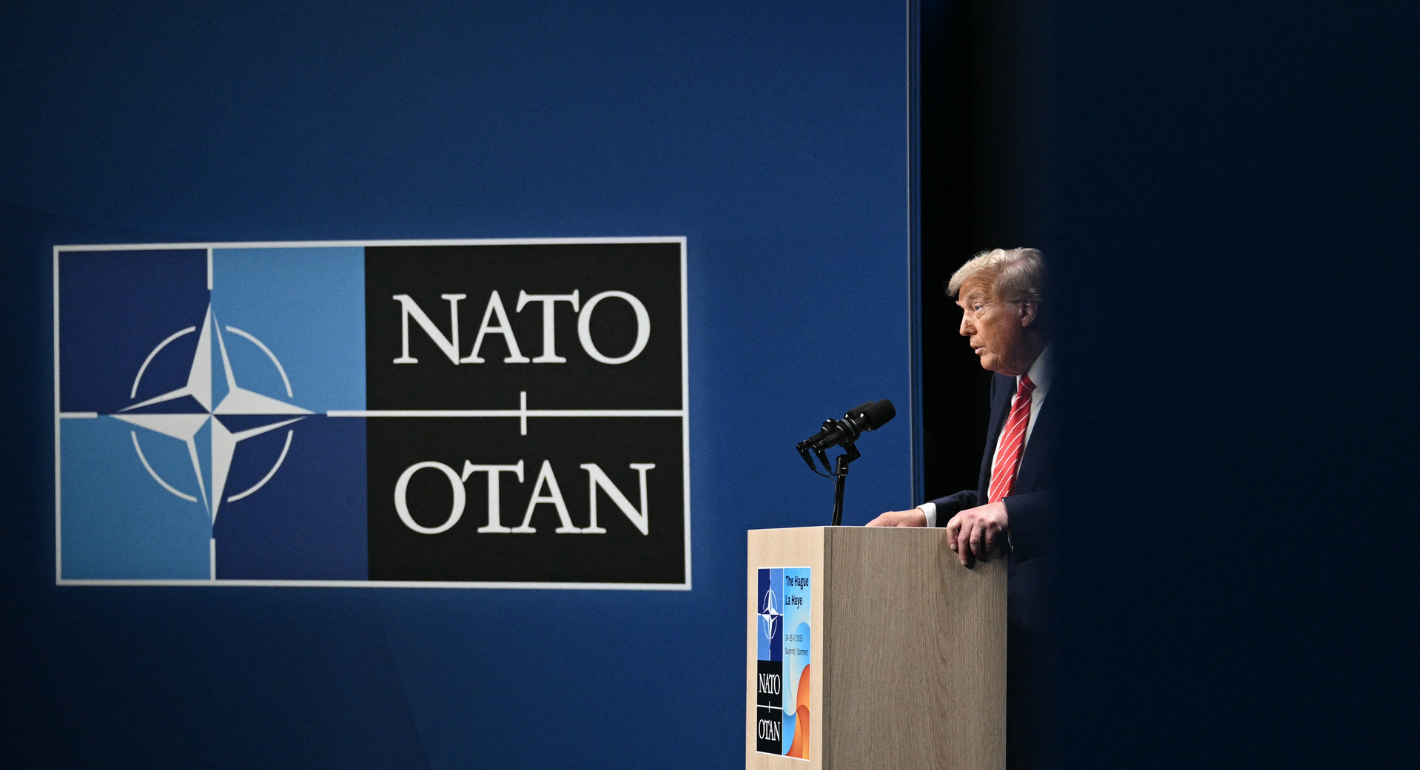
Donald Trump has repeatedly bashed NATO and European allies, threatening to annex Canada and Greenland and deploring their lack of enthusiasm for his war of choice in Iran. Is this latest round of abuse the final straw?

Rym Momtaz, ed.
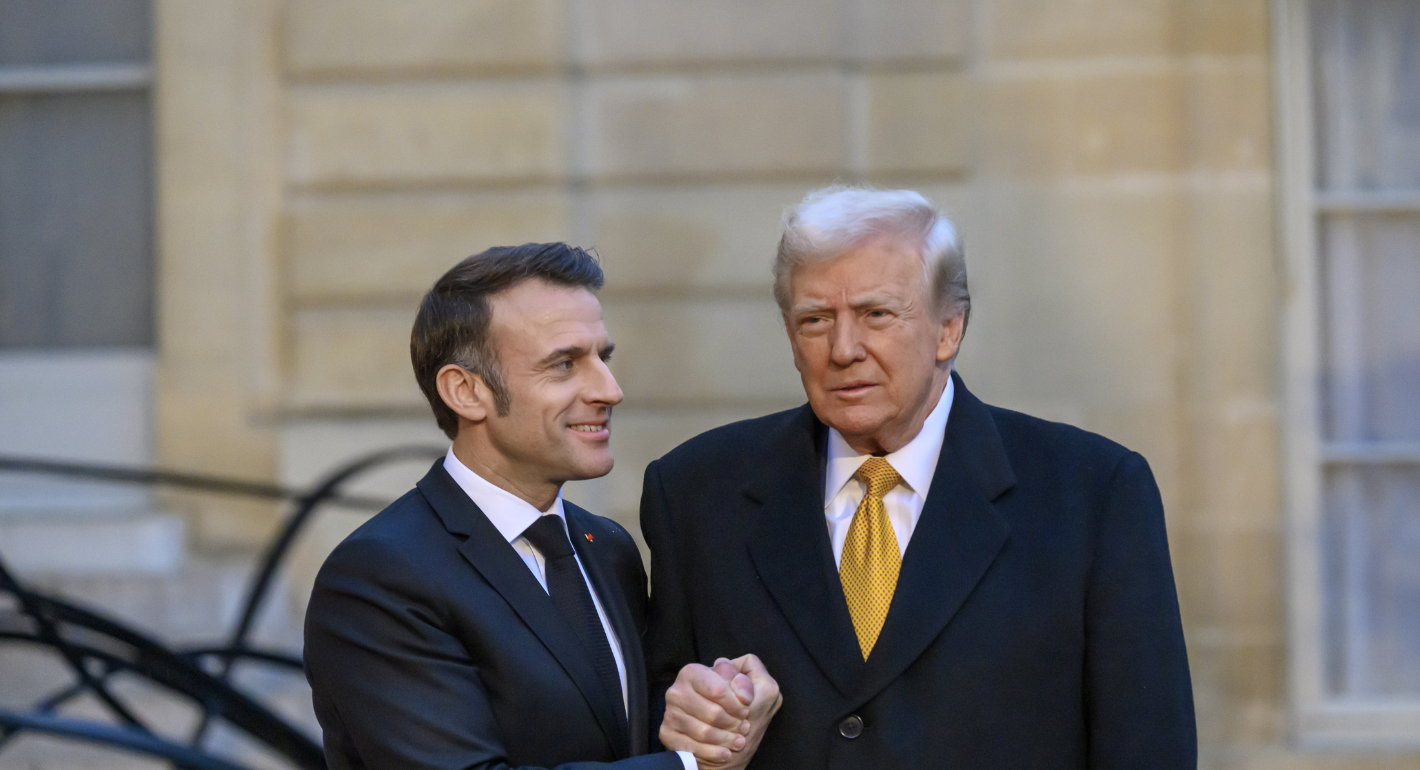
Donald Trump’s repudiation of NATO goes against the Make America Great Again vision of a U.S.-centered foreign policy. If the goal is to preserve the alliance by boosting Europe’s commitments, leaning into France’s vision is the most America First way forward.
Rym Momtaz
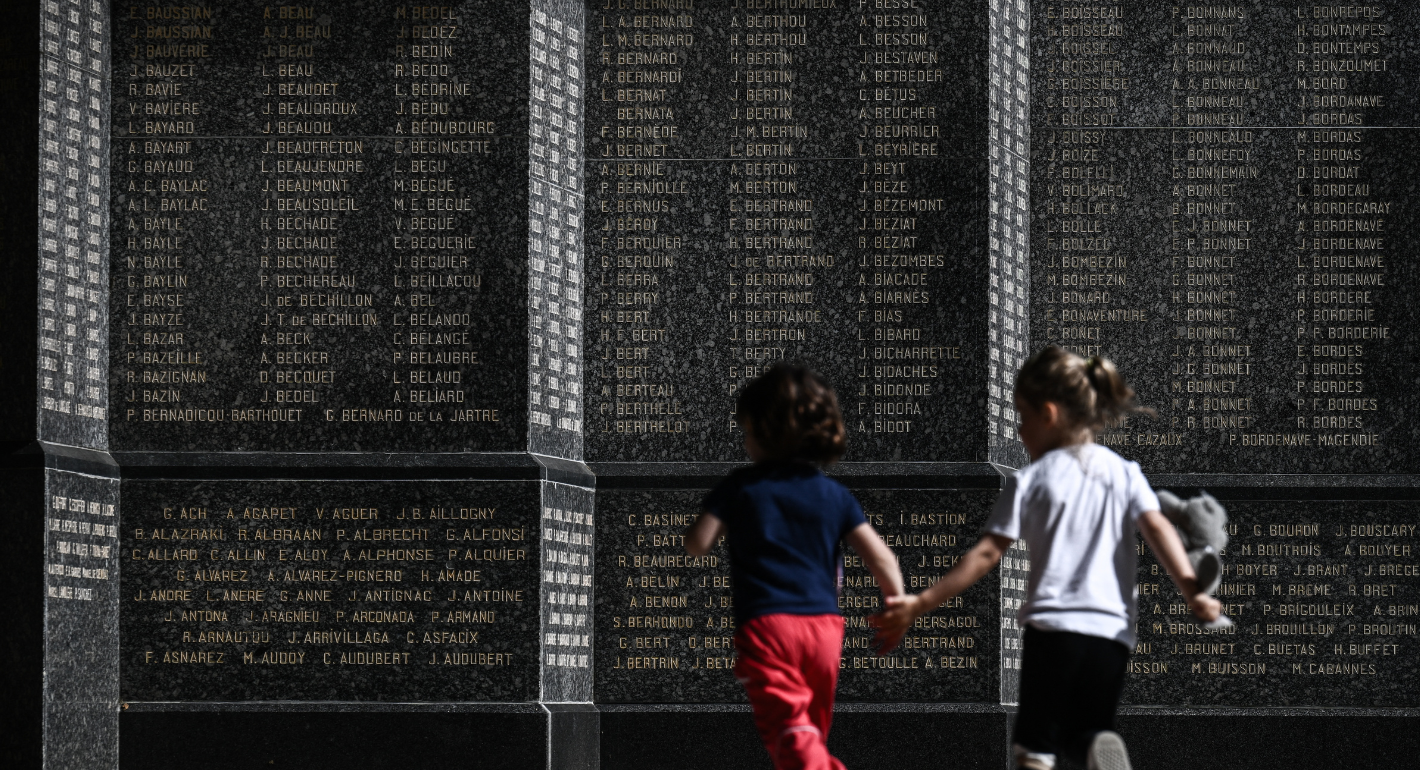
The wars in Ukraine and the Middle East are existential threats to Europe as a peace project. Leaders and citizens alike must reaffirm their solidarity to face up to today’s multifaceted challenges.

Marc Pierini
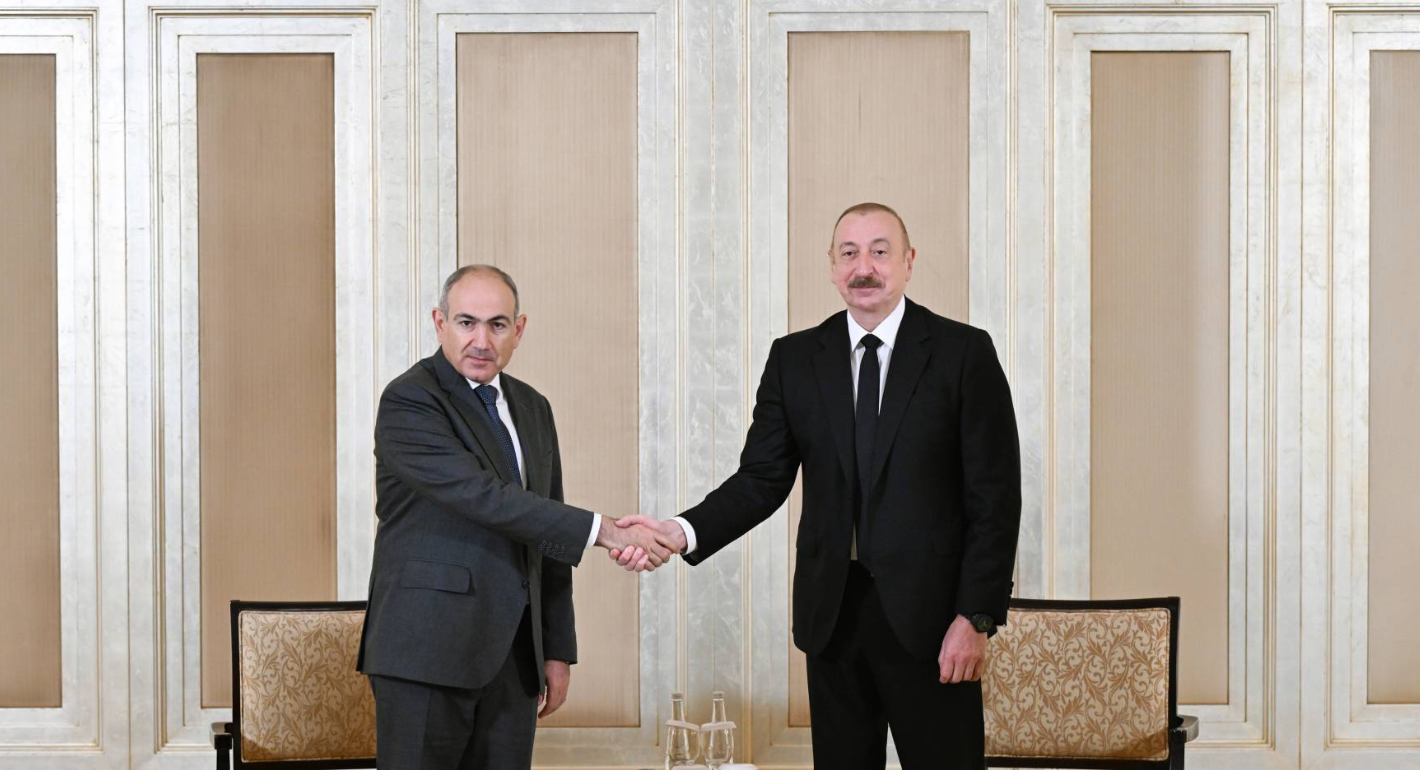
The U.S.-sponsored TRIPP deal is driving the Armenia-Azerbaijan peace process forward. But foreign and domestic hurdles remain before connectivity and economic interdependence can open up the South Caucasus.

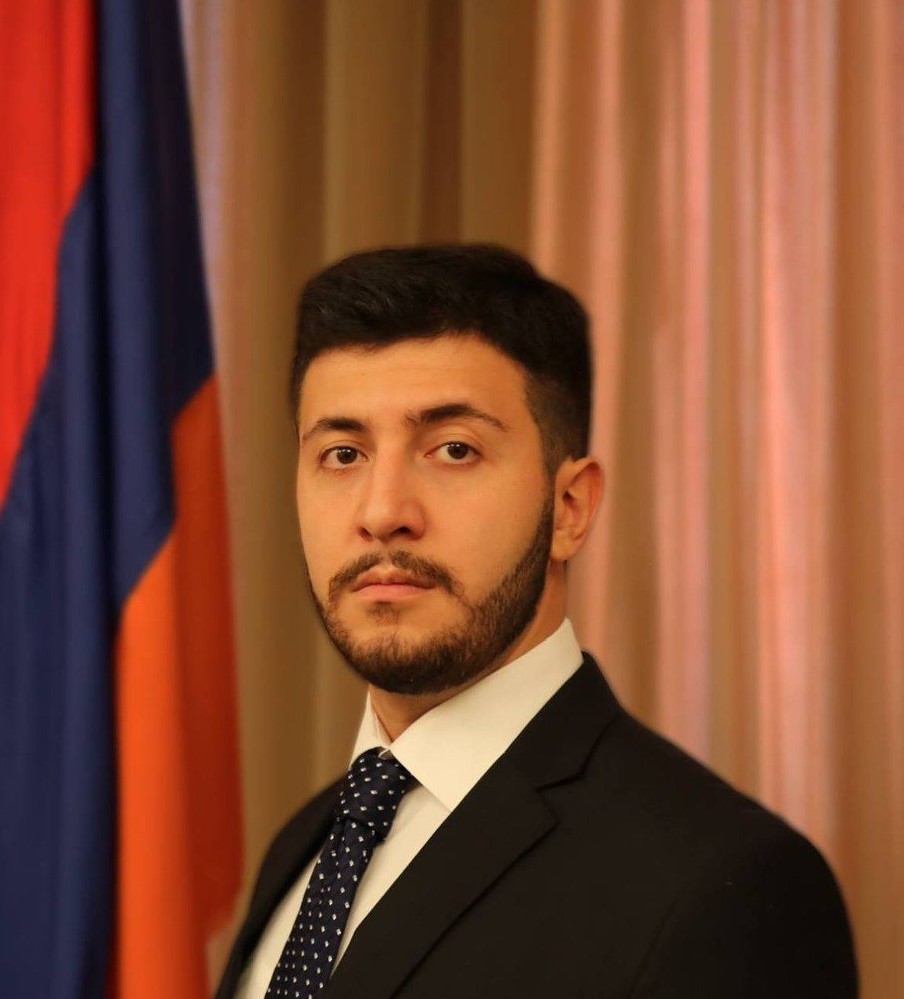

Thomas de Waal, Areg Kochinyan, Zaur Shiriyev
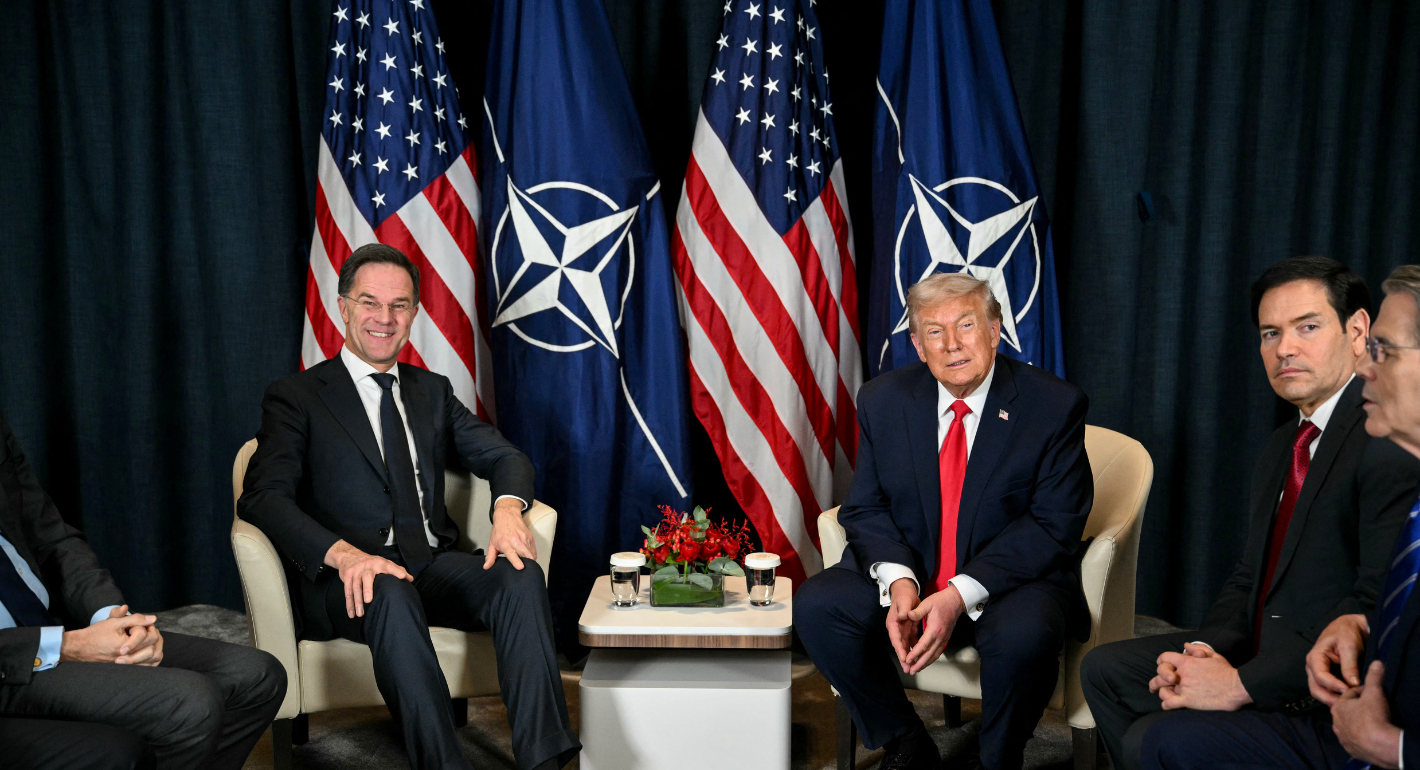
Donald Trump has demanded that European allies send ships to the Strait of Hormuz while his war of choice in Iran rages on. He has constantly berated NATO while the alliance’s secretary-general has emphatically supported him.
Rym Momtaz, ed.