• Research
  • Strategic Europe
  • About
  • Experts
Carnegie Europe logoCarnegie lettermark logo
EUUkraine
  • Donate
{
  "authors": [],
  "type": "pressRelease",
  "centerAffiliationAll": "dc",
  "centers": [
    "Carnegie Endowment for International Peace"
  ],
  "collections": [],
  "englishNewsletterAll": "",
  "nonEnglishNewsletterAll": "",
  "primaryCenter": "Carnegie Endowment for International Peace",
  "programAffiliation": "NPP",
  "programs": [
    "Nuclear Policy"
  ],
  "projects": [],
  "regions": [],
  "topics": [
    "Nuclear Policy",
    "Nuclear Energy"
  ]
}
REQUIRED IMAGE

REQUIRED IMAGE

Press Release

Mark Hibbs, leading journalist on nuclear energy, joins Carnegie Nuclear Policy Program

Mark Hibbs, one of the world’s most acclaimed investigative reporters on nuclear energy and proliferation, will join the Carnegie Endowment. For over two decades Hibbs has covered proliferation networks, the International Atomic Energy Agency, and nuclear trade for leading publications, including Nucleonics Week and Nuclear Fuel.

Link Copied
Published on Jan 27, 2010

WASHINGTON, Jan 27—Mark Hibbs, one of the world’s most acclaimed investigative reporters on nuclear energy and proliferation, will join the Carnegie Endowment for International Peace. For over two decades Hibbs has covered proliferation networks, the International Atomic Energy Agency, and nuclear trade for leading publications, including Nucleonics Week and Nuclear Fuel.

Making the announcement, George Perkovich, vice president for studies and director of the Carnegie Nuclear Policy Program, said:

“Mark Hibbs is a legend in the nuclear world. Governments, industry, NGOs, the media—they all know Mark as a fount of hard-to-get information and analysis on a wide range of nuclear topics. We are thrilled that Mark has joined our superb global team and that we will now be distributing his unique findings and insights.”

Hibbs, who will join the Endowment on March 1, said:

“Increasingly in recent years, many of the IAEA’s member states have seen the world’s leading nuclear agency divided between haves and have nots, and most of the conflict areas are where disarmament, nonproliferation, and the peaceful use of nuclear energy intersect. At Carnegie, I’ll work with a team of experts in all three fields, and in five locations worldwide, dedicated to attaining practical solutions to these global nuclear problems.”

Known for his reporting on emerging nuclear programs, Hibbs will focus during this year on China’s nuclear energy program, Turkey’s nuclear future, steps to improve the effectiveness of the IAEA Board of Governors, and clandestine nuclear procurement efforts.

###


NOTES

  • Mark Hibbs is a senior associate in the Carnegie Nuclear Policy Program. Before joining Carnegie, for over 20 years he was an editor and correspondent for the nuclear energy publications, including Nucleonics Week and Nuclear Fuel, published by the Platts division of the McGraw-Hill Companies.

    Hibbs joined McGraw-Hill as European editor for nuclear publications, then became editor for Asia-Pacific, and finally, in addition to his Asia-Pacific responsibilities, senior correspondent.

    From the late 1980s until the mid-1990s, he covered nuclear developments in the Soviet bloc, including research on the USSR’s nuclear fuel cycle facilities and its nuclear materials inventories. Since the mid-1990s, much of his work has focused emerging nuclear programs in Asia, including China, and India.

    Throughout the last two decades, many of the over 3,000 articles he wrote investigated nuclear proliferation-related developments in Argentina, Brazil, China, India, Iran, Iraq, Israel, Japan, Libya, North and South Korea, Pakistan, South Africa, Syria, and Taiwan.

    Since 2003 he made many detailed findings about clandestine procurement related to gas centrifuge uranium enrichment programs in Iran, Libya, North Korea, and Pakistan.

  • The Carnegie Nuclear Policy Program is an internationally acclaimed source of expertise and policy thinking on nuclear industry, nonproliferation, security, and disarmament. Its global network of staff stays at the forefront of nuclear policy issues in the United States, Russia, China, Northeast Asia, South Asia, and the Middle East.
  • Following its century-long practice of changing as global circumstances change, the Carnegie Endowment for International Peace is undertaking a fundamental redefinition of its role and mission. Carnegie aims to transform itself from a think tank on international issues to the first truly multinational—ultimately global—think tank. The Endowment has added operations in Beijing, Beirut, and Brussels to its existing centers in Washington and Moscow. These five locations include the two centers of world governance and the three places whose political evolution and international policies will most determine the near-term possibilities for international peace and economic advance. More information on the Carnegie Endowment's New Vision.
  • Press Contact: David Kampf, 202/939-2233, dkampf@ceip.org
Nuclear PolicyNuclear Energy

Carnegie does not take institutional positions on public policy issues; the views represented herein are those of the author(s) and do not necessarily reflect the views of Carnegie, its staff, or its trustees.

More Work from Carnegie Europe

  • Commentary
    Strategic Europe
    Europe on Iran: Gone with the Wind

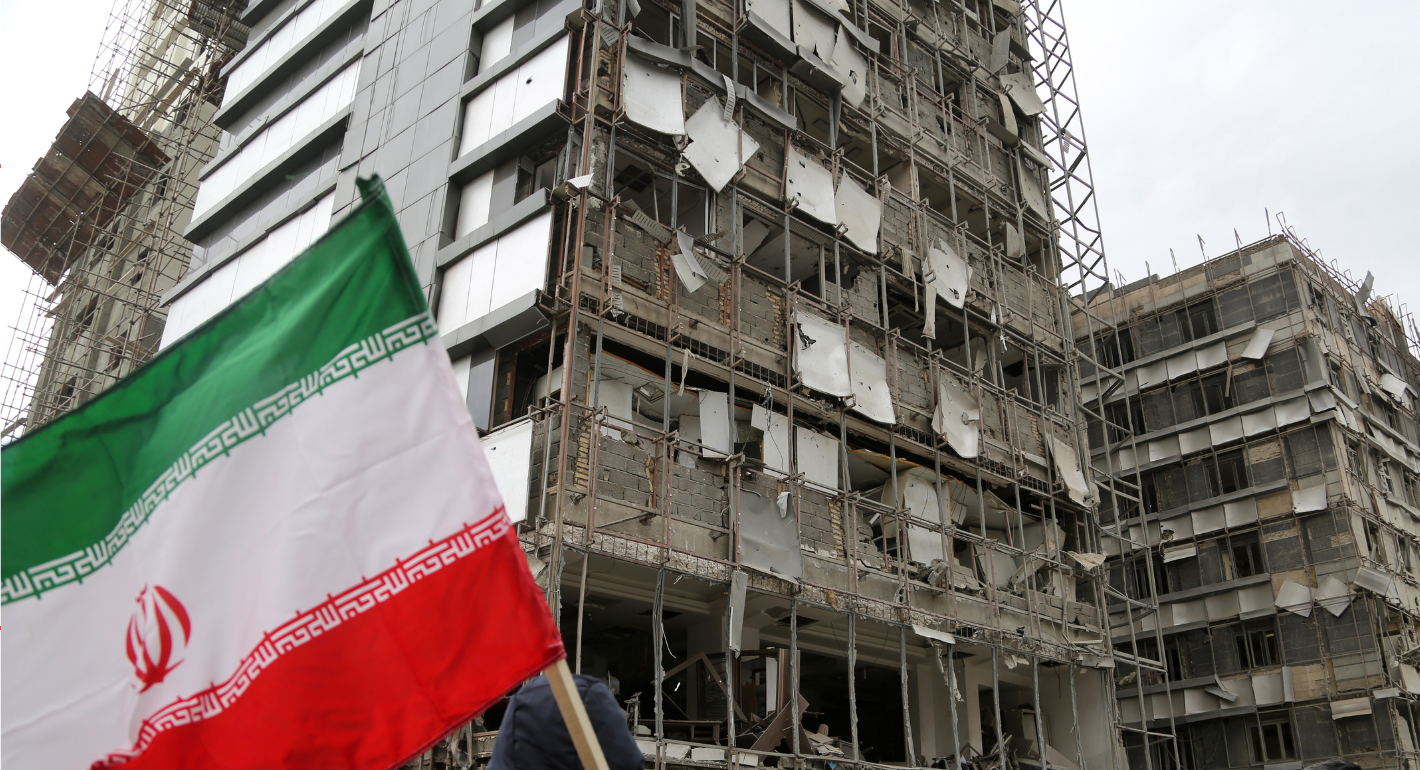
    Europe’s reaction to the war in Iran has been disunited and meek, a far cry from its previously leading role in diplomacy with Tehran. To avoid being condemned to the sidelines while escalation continues, Brussels needs to stand up for international law.

      Pierre Vimont

  • Commentary
    Strategic Europe
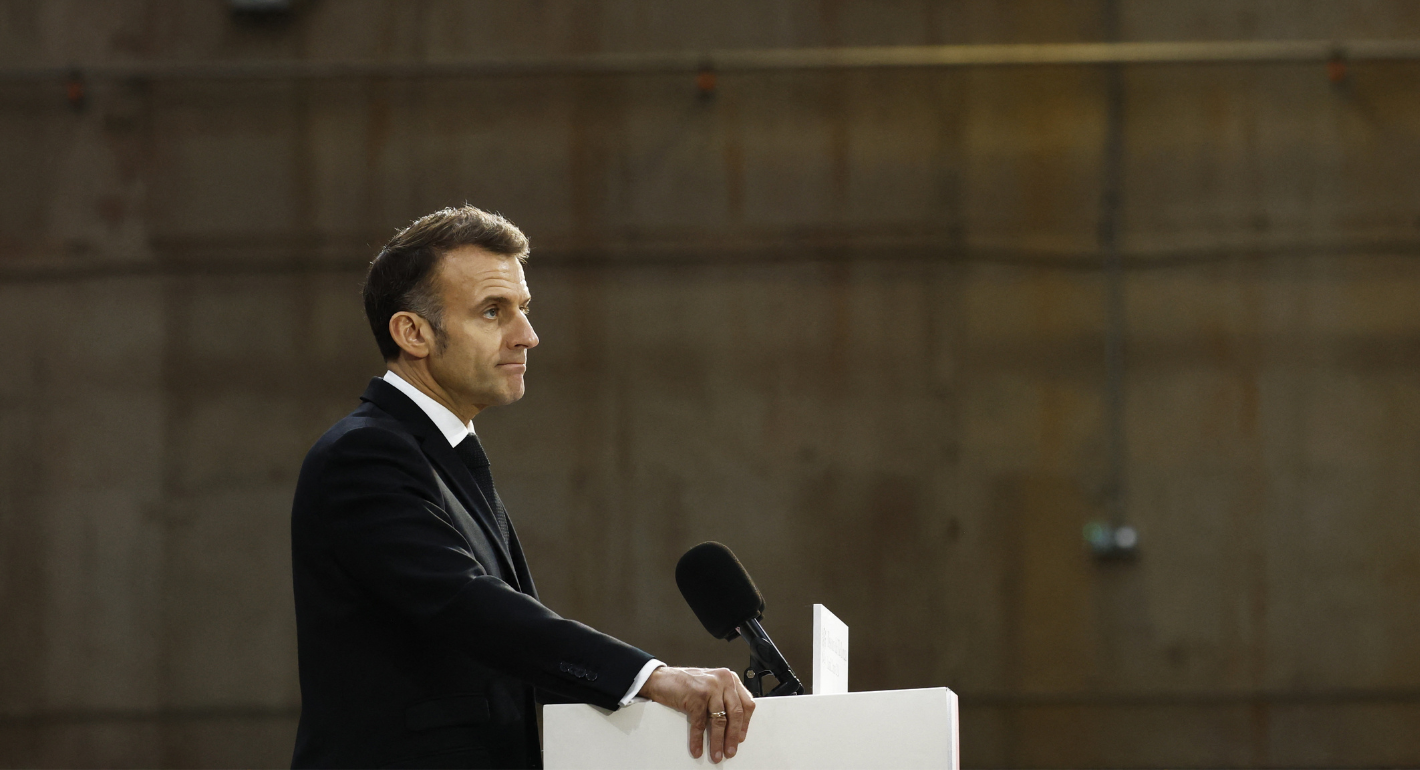
    Macron Makes France a Great Middle Power

    France has stopped clinging to notions of being a great power and is embracing the middle power moment. But Emmanuel Macron has his work cut out if he is to secure his country’s global standing before his term in office ends.

      • Rym Momtaz

      Rym Momtaz

  • Commentary
    Can Europe Trust the United States Again?

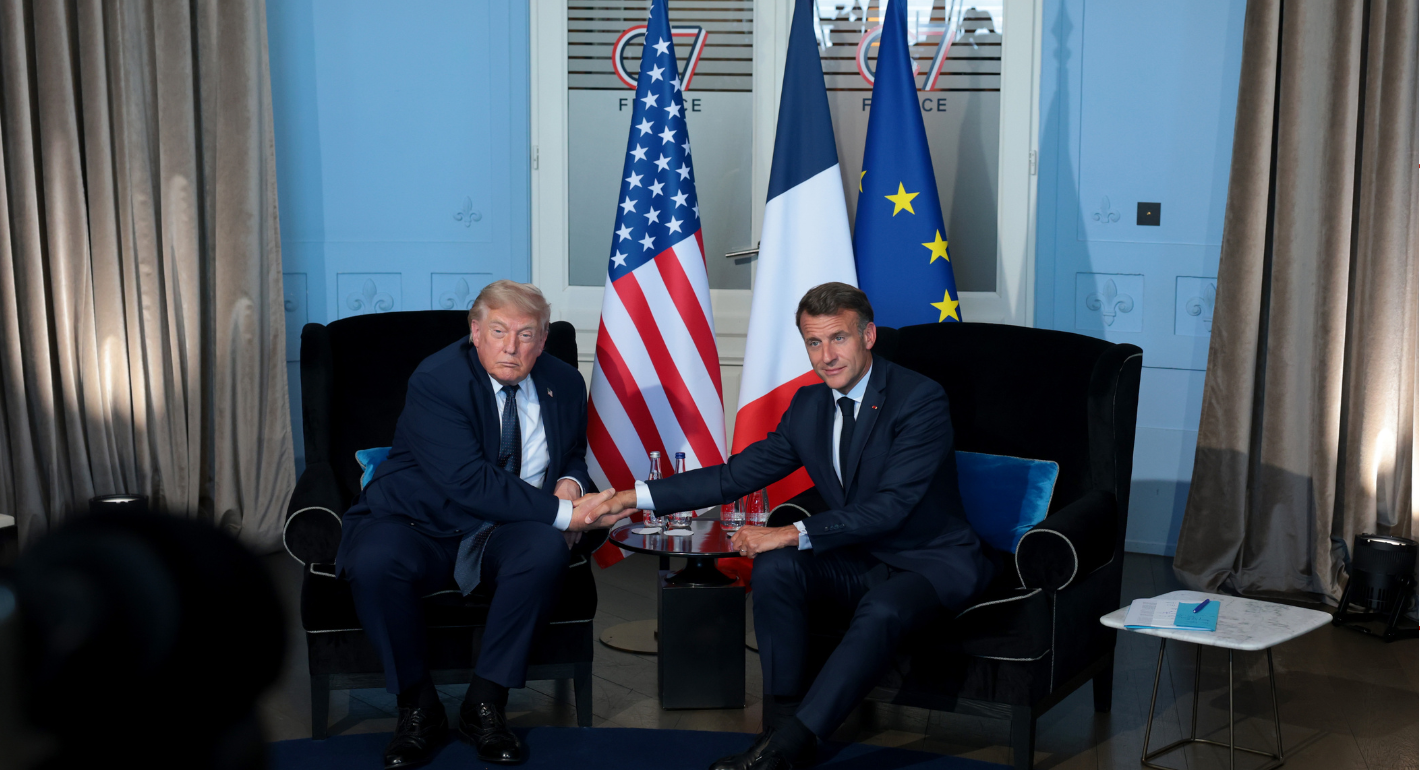
    In Donald Trump’s second term in office, the transatlantic relationship that helped define the postwar European project and global order appears broken. Is it time for Brussels to chart its own path?

      Nathalie Tocci, Jan Techau

  • Commentary
    Strategic Europe
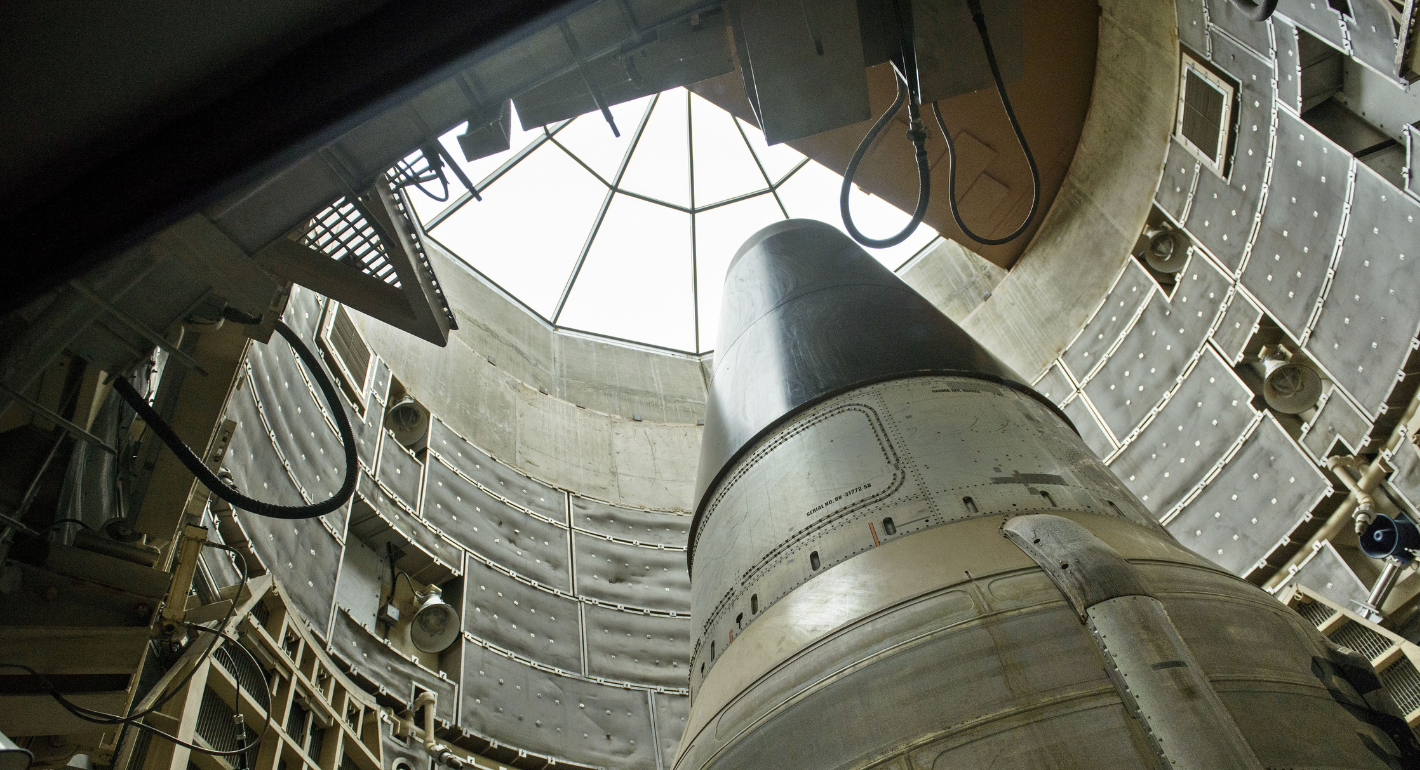
    Unpacking Europe’s Deterrence Dilemmas

    The debate on the future of European deterrence has intensified, as NATO allies seek to balance three key aims. Going forward, they will need to cooperate more deeply to craft a coherent strategy for confronting new threats.

      Sophia Besch, Jamie Kwong

  • Europe Iran nuclear talks
    Commentary
    Strategic Europe
    The Small Window for an EU-U.S. Diplomatic Push on Iran

    To turn U.S. strikes on Iran’s nuclear program into a long-term resolution, Washington should seize the moment and cooperate with France, Germany, and the UK on diplomatic talks.

      • Rym Momtaz

      Rym Momtaz

Get more news and analysis from
Carnegie Europe
Carnegie Europe logo, white
Rue du Congrès, 151000 Brussels, Belgium
  • Research
  • Strategic Europe
  • About
  • Experts
  • Projects
  • Events
  • Contact
  • Careers
  • Privacy
  • For Media
  • Gender Equality Plan
Get more news and analysis from
Carnegie Europe
© 2026 Carnegie Endowment for International Peace. All rights reserved.