

Commentary
A summer of escalation in the Black Sea has hurt Ukraine economically and is exacerbating world food security. A truce is needed—as is a broader reframing of Europe’s Ukraine strategy.
Thomas de Waal
{
  "authors": [],
  "type": "pressRelease",
  "centerAffiliationAll": "dc",
  "centers": [
    "Carnegie Endowment for International Peace"
  ],
  "collections": [],
  "englishNewsletterAll": "menaTransitions",
  "nonEnglishNewsletterAll": "",
  "primaryCenter": "Carnegie Endowment for International Peace",
  "programAffiliation": "MEP",
  "programs": [
    "Middle East"
  ],
  "projects": [],
  "regions": [],
  "topics": [
    "Economy"
  ]
}
REQUIRED IMAGE
Managers of Sovereign Wealth Funds are seeing real progress on implementing the Santiago Principles—a voluntary code of conduct for SWFs designed to promote good governance, transparency, and accountability. In fact, however, implementation is highly uneven. There is still far to go if SWFs are to be responsible members of the global economy.
BEIRUT, May 6—Managers of Sovereign Wealth Funds (SWFs) gathering for their annual meeting in Sydney this week will likely note real progress on implementing the Santiago Principles—a voluntary code of conduct for SWFs designed to promote good governance, transparency, and accountability. In fact however implementation is highly uneven. There is still far to go if SWFs are to be responsible members of the global economy, concludes a new paper by Sven Behrendt.
Key Conclusions:
“The G20 wants to make progress on financial regulatory reform. The Santiago Principles are a test case for how broad the commitment to reforms in global finance is,” writes Behrendt. “The G20 should urge all signatories to the Santiago Principles to fully comply with them.”
###
NOTES
Carnegie does not take institutional positions on public policy issues; the views represented herein are those of the author(s) and do not necessarily reflect the views of Carnegie, its staff, or its trustees.

A summer of escalation in the Black Sea has hurt Ukraine economically and is exacerbating world food security. A truce is needed—as is a broader reframing of Europe’s Ukraine strategy.

Thomas de Waal

As geopolitical rivalry weaponizes global supply chains, the EU’s true vulnerability lies in emerging-risk imports. For these goods, suppliers are growing more concentrated, substitution more difficult, and political risk is looming.

Sinan Ülgen

The EU is putting together a new security strategy to meet today’s myriad challenges. But for any proposal to be effective, the union needs to grapple with its identity and ambitions.

Pierre Vimont
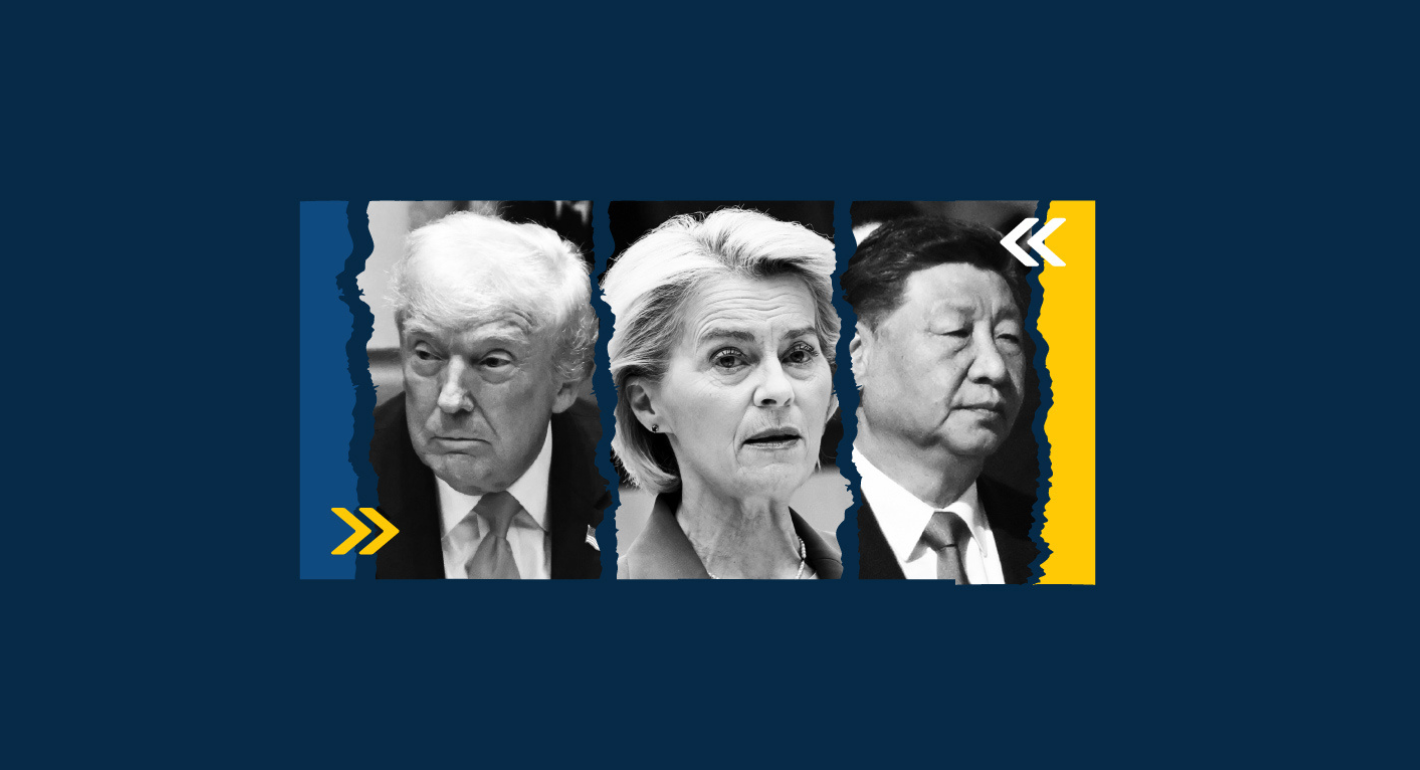
Between the United States’ market-driven approach and China's state-led industrial strategy, Europe is reckoning with how it can remain competitive in the global economy. But is Europe in danger of becoming a U.S. or China colony?
Noah Barkin, Anu Bradford

The U.S.-sponsored TRIPP deal is driving the Armenia-Azerbaijan peace process forward. But foreign and domestic hurdles remain before connectivity and economic interdependence can open up the South Caucasus.


Thomas de Waal, Areg Kochinyan, Zaur Shiriyev