

Commentary
Are Germany’s economic, industrial, and political struggles becoming a liability for the EU’s ability to rise to the geopolitical moment?
Rym Momtaz, ed.
{
  "authors": [],
  "type": "pressRelease",
  "centerAffiliationAll": "dc",
  "centers": [
    "Carnegie Endowment for International Peace",
    "Malcolm H. Kerr Carnegie Middle East Center"
  ],
  "collections": [],
  "englishNewsletterAll": "menaTransitions",
  "nonEnglishNewsletterAll": "",
  "primaryCenter": "Carnegie Endowment for International Peace",
  "programAffiliation": "MEP",
  "programs": [
    "Middle East"
  ],
  "projects": [],
  "regions": [
    "North Africa",
    "Mauritania",
    "Maghreb"
  ],
  "topics": [
    "Security"
  ]
}
REQUIRED IMAGE
Lightly patrolled borders, sparsely populated areas, and recent terrorist activity raise fears that the Sahel is a fertile ground for jihadist movements, notably al-Qaeda in the Islamic Maghreb (AQIM). Regional cooperation and discreet aid from the West are critical for countries to regain control of their territory and prevent al-Qaeda from gaining ground in Africa.
WASHINGTON, June 10—Lightly patrolled borders, sparsely populated areas, and recent terrorist activity raise fears that the Sahel is a fertile ground for jihadist movements, notably al-Qaeda in the Islamic Maghreb (AQIM). Regional cooperation and discreet aid from the West are critical for countries to regain control of their territory and prevent al-Qaeda from gaining ground in Africa, asserts a new paper by Jean-Pierre Filiu.
Key Conclusions
Recommendations for policy makers
“Mauritania, Mali, and Niger are among the world’s poorest states and will require international support to defuse AQIM’s momentum,” writes Filiu. “Algeria is right to push for regional cooperation to address the threat, and discreet aid from the West is crucial to help the Sahel countries regain control of their territory from al-Qaeda forces and prevent the terror group from taking hold in Africa.”
###
NOTES
Carnegie does not take institutional positions on public policy issues; the views represented herein are those of the author(s) and do not necessarily reflect the views of Carnegie, its staff, or its trustees.

Are Germany’s economic, industrial, and political struggles becoming a liability for the EU’s ability to rise to the geopolitical moment?

Rym Momtaz, ed.

European states control several Overseas Countries and Territories around the world that carry strategic, economic, and environmental weight. As great powers challenge the rules-based order, defending them is a geopolitical imperative for Europe.

Marc Pierini

Mounting economic strain and battlefield losses will not necessarily make the Kremlin less dangerous. They could instead push Moscow toward a more aggressive hybrid campaign designed to test NATO’s Eastern flank, exploit allied hesitation, and fracture European resolve.

Maksym Beznosiuk

Over the past ten years, NATO has held almost as many summits as it did during the entirety of the Cold War. Are they still useful, or is it time to stop holding annual meetings?
Rym Momtaz, ed.
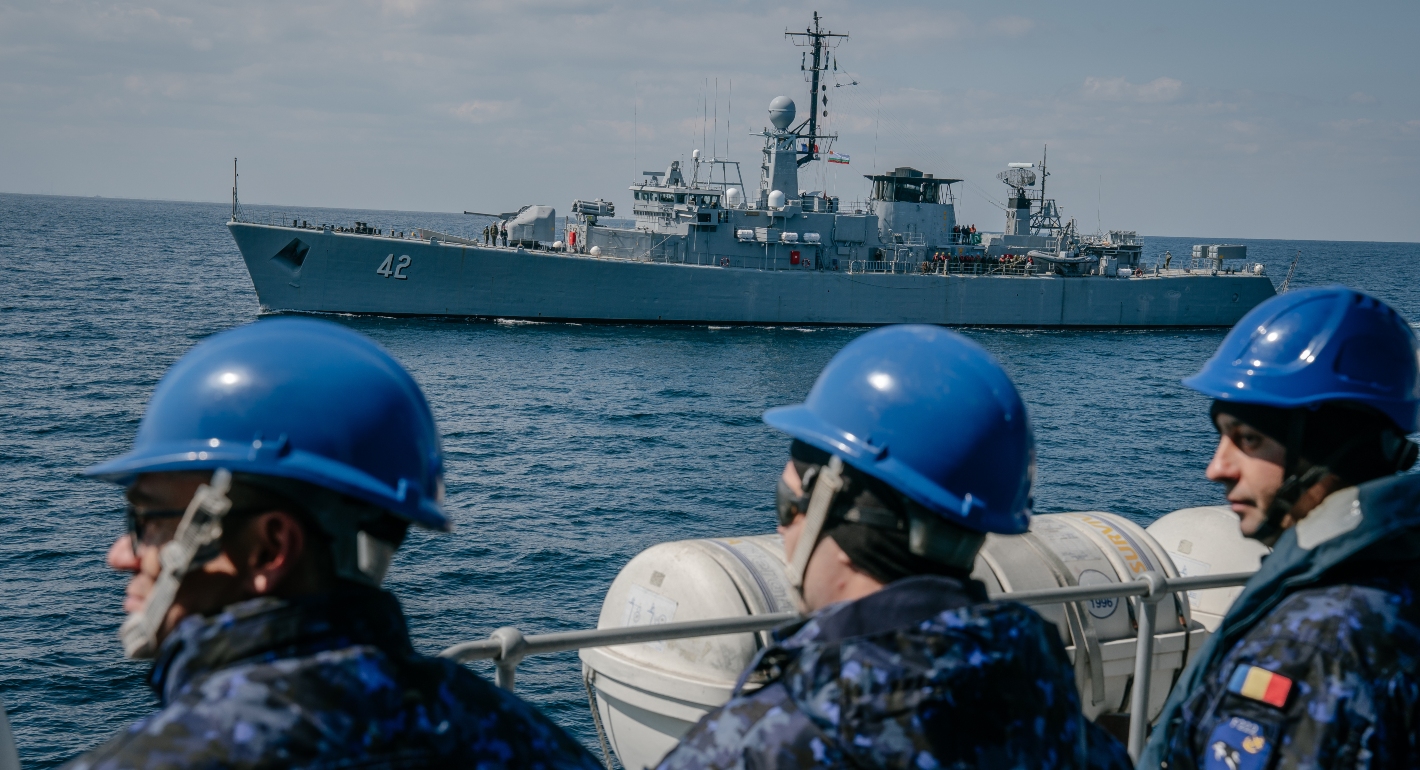
As Russia's war on Ukraine drags on, NATO is expanding its footprint in the Black Sea. Turkey, Romania, and Bulgaria are upgrading their fleets and deepening trilateral cooperation.

Dimitar Bechev