

Article
- +1
Toby Dalton, Mark Hibbs, Nicole Grajewski, …
{
  "authors": [
    "Mark Hibbs"
  ],
  "type": "legacyinthemedia",
  "centerAffiliationAll": "dc",
  "centers": [
    "Carnegie Endowment for International Peace"
  ],
  "collections": [
    "Korean Peninsula"
  ],
  "englishNewsletterAll": "ctw",
  "nonEnglishNewsletterAll": "",
  "primaryCenter": "Carnegie Endowment for International Peace",
  "programAffiliation": "NPP",
  "programs": [
    "Nuclear Policy"
  ],
  "projects": [],
  "regions": [
    "East Asia",
    "South Korea"
  ],
  "topics": [
    "Nuclear Policy",
    "Nuclear Energy"
  ]
}
Source: Getty
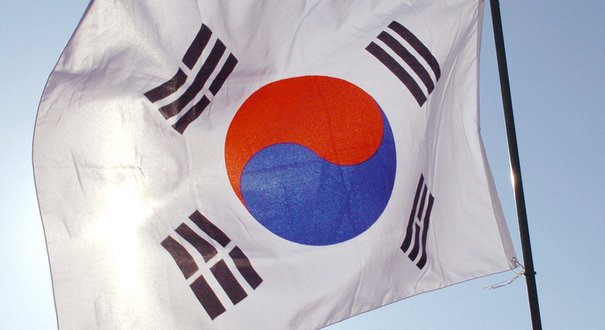
South Korea's recent success in winning contracts for building civilian nuclear power reactors in the UAE is likely to inflate its expectations for renegotiating the terms of its bilateral nuclear cooperation agreement with the United States.
Source: World Politics Review

Mark Hibbs: South Korea has steadily built up its nuclear power sector over the last three decades, primarily in partnership with the United States. It now has 20 reactors in operation -- more than Germany -- and possibly plans to add 20 more over the next two or three decades. South Korea wants to reduce its imports of energy fuels and reduce its carbon footprint.
Over the last 20 years, U.S. vendor companies have transferred to Korean firms the know-how to build reactors, improve designs, manufacture fuel, make key nuclear components, and manage projects. South Korea is now entering the world nuclear power plant market as a competitor to firms in the United States, France, Russia, and Japan.
Hibbs: In bidding against firms from France, Japan, and the United States, the South Korean firms offered a more competitive price and more aggressive construction schedule. It is also likely that the South Korean government offered the UAE other bilateral deals which sweetened the deal. France's state-owned nuclear industry claimed that the Korean reactor design in the bidding was less safe than the design offered by the French. This was denied by both Korean and UAE firms involved, but this interaction demonstrated that, in some future markets, established vendor companies like Areva will be less competitive than the Koreans.
For its part, the UAE was willing to take the risk of partnering with a new vendor group with no experience in exporting reactors, because of the highly successful record the Koreans have demonstrated in building reactors on schedule and operating them safely. But the Korean firms have promised much to the UAE, and it remains to be seen whether they will be able to deliver without any major delays or cost overruns.
Hibbs: The success of the Korean firms in UAE will likely lead Korean industry and the government to press hard to duplicate that performance in other markets for nuclear power reactors. The contract awarded in the UAE has also inflated South Korea's expectations for renegotiating terms of a bilateral nuclear cooperation agreement with the United States. Their current agreement will expire in 2014 and Korea wants the United States to permit Korean researchers to develop fast reactors and do research and development on pyroprocessing of its spent fuel.
In the long run, the United States knows that time is on Korea's side, and will have to permit the Korean government to move forward with its nuclear program with less interference from Washington. The Korean government and industry are already planning on launching a future export drive in the nuclear power area, and Seoul will be unwilling to make new diplomatic commitments with partners that would inhibit the country's right to exploit nuclear energy peacefully.
Nonresident Senior Fellow, Nuclear Policy Program
Hibbs is a Germany-based nonresident senior fellow in Carnegie’s Nuclear Policy Program. His areas of expertise are nuclear verification and safeguards, multilateral nuclear trade policy, international nuclear cooperation, and nonproliferation arrangements.
Recent Work

Toby Dalton, Mark Hibbs, Nicole Grajewski, …
Mark Hibbs
Carnegie does not take institutional positions on public policy issues; the views represented herein are those of the author(s) and do not necessarily reflect the views of Carnegie, its staff, or its trustees.
When the U.S.-Iran memorandum of understanding was announced, the UK, France, Germany, and Italy declared their readiness to help demine the Strait of Hormuz and lift nuclear sanctions on Tehran. But does Europe need new tools to recover a diplomatic role?

Rym Momtaz, ed.
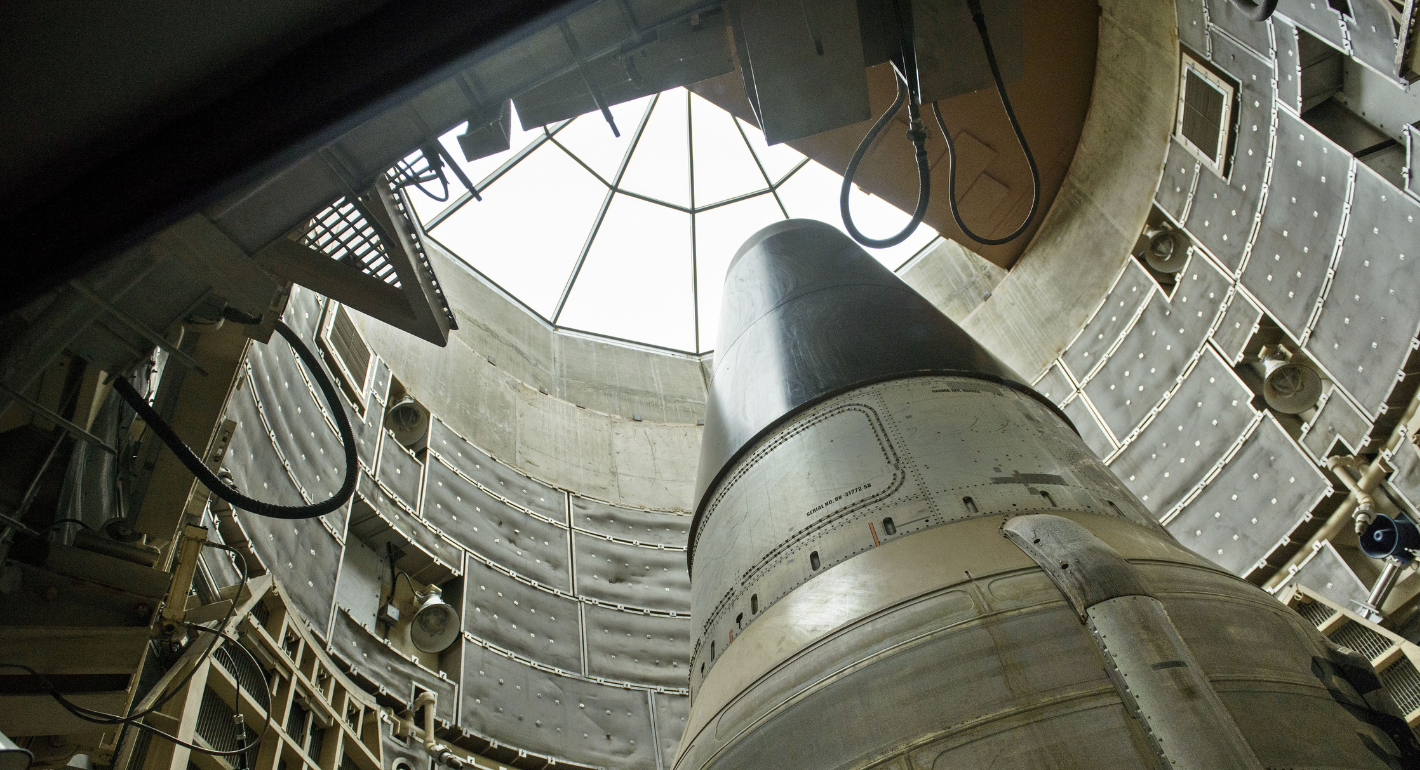
Amid uncertainty caused by the Iran war, the global drive for nonproliferation has stalled. With Europe diplomatically marginalized and countries reassessing their nuclear options, efforts to curb the spread of nuclear weapons risk becoming irrelevant.

Jane Darby Menton
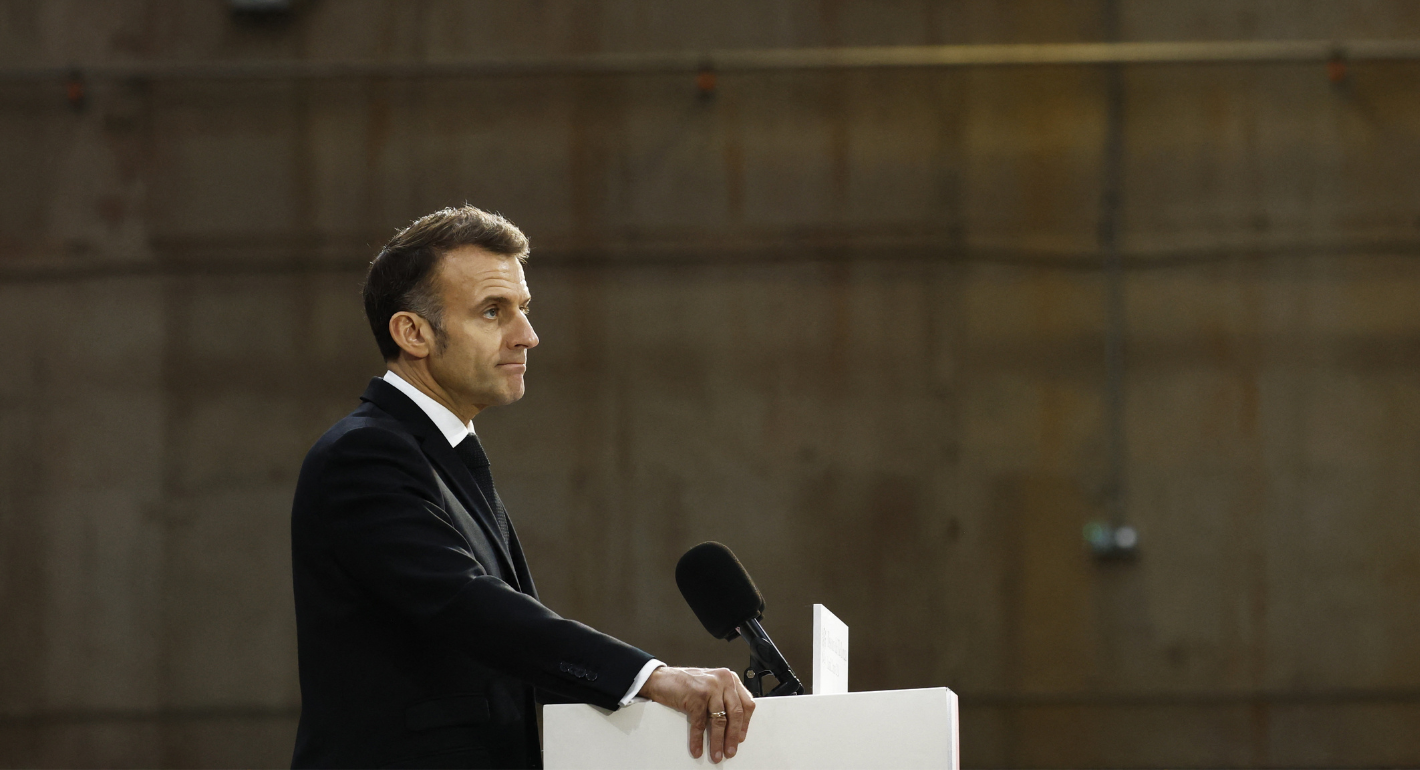
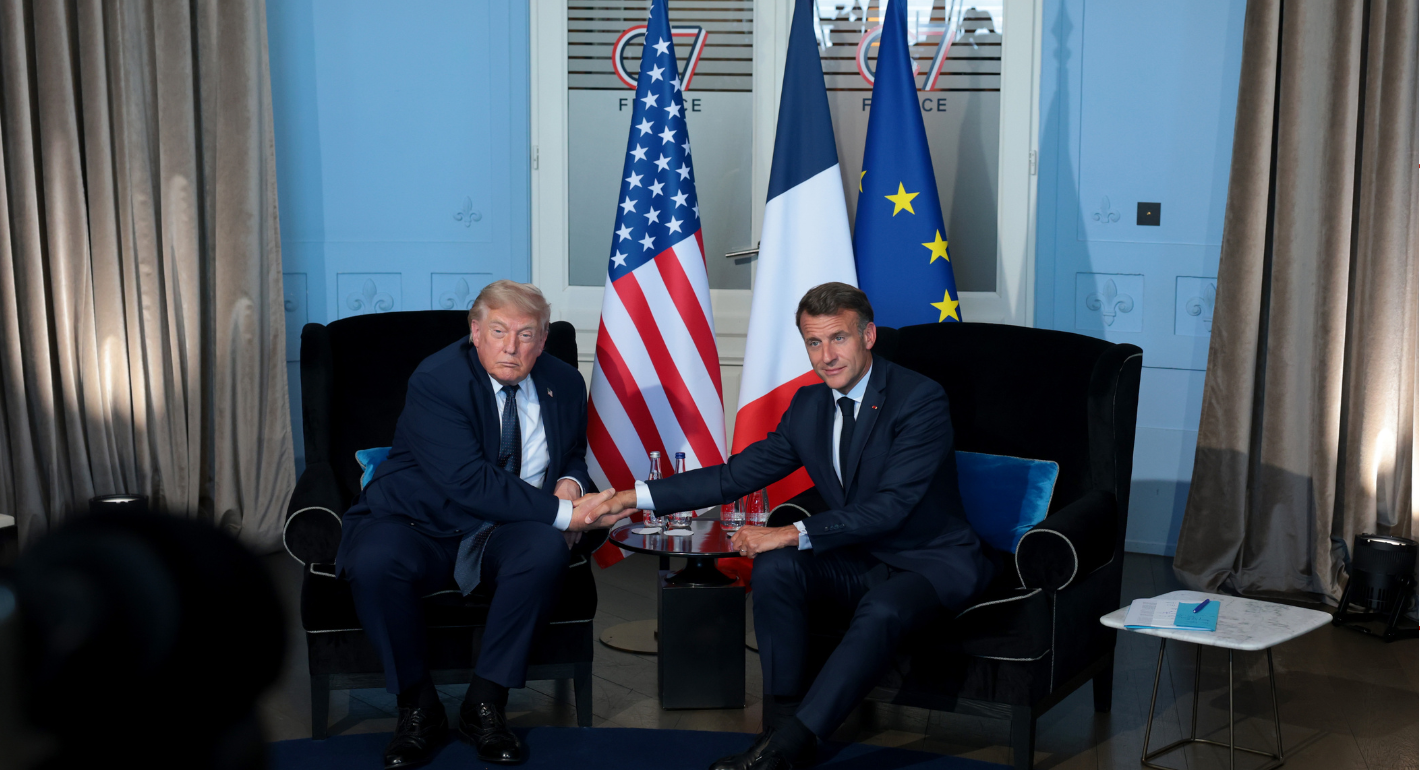
French President Emmanuel Macron has unveiled his country’s new nuclear doctrine. Are the changes he has made enough to reassure France’s European partners in the current geopolitical context?
Rym Momtaz, ed.
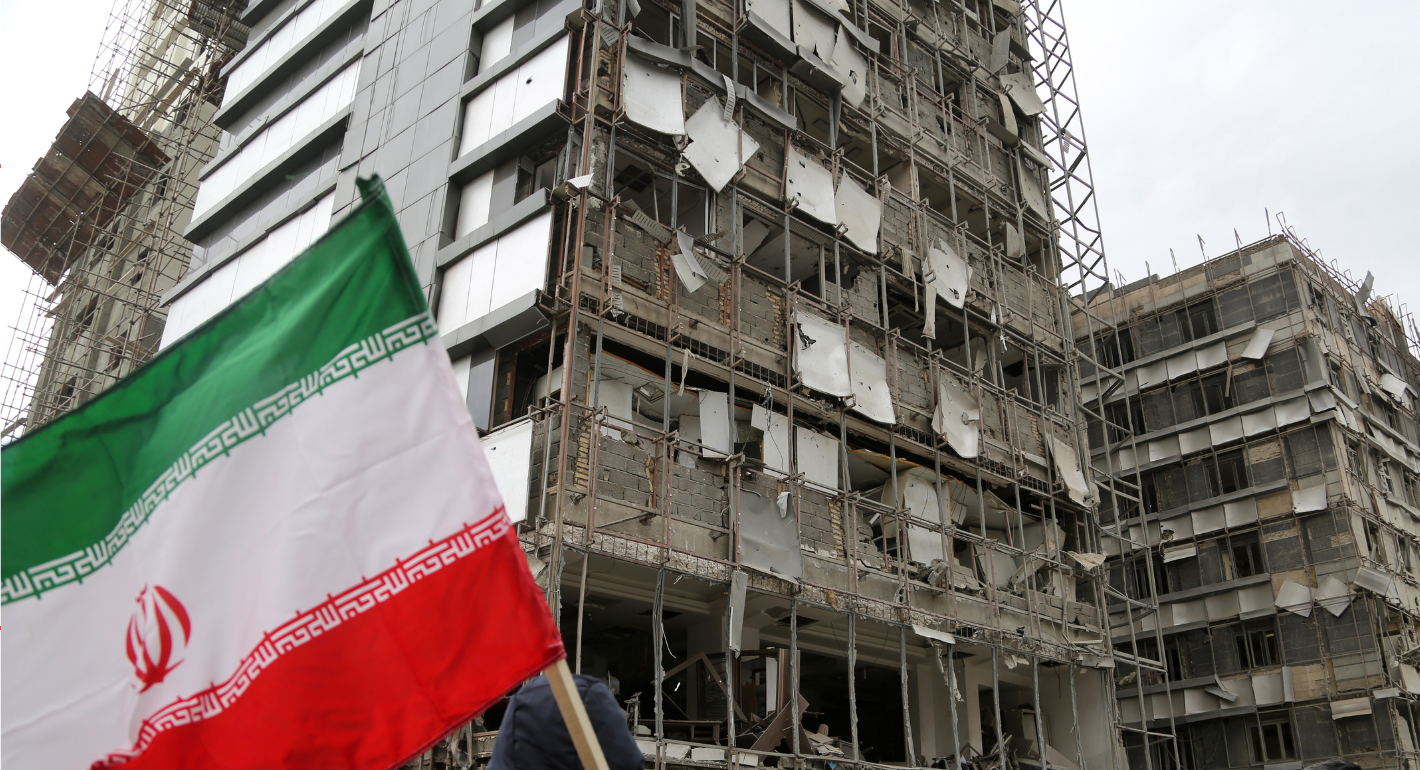
Europe’s reaction to the war in Iran has been disunited and meek, a far cry from its previously leading role in diplomacy with Tehran. To avoid being condemned to the sidelines while escalation continues, Brussels needs to stand up for international law.

Pierre Vimont
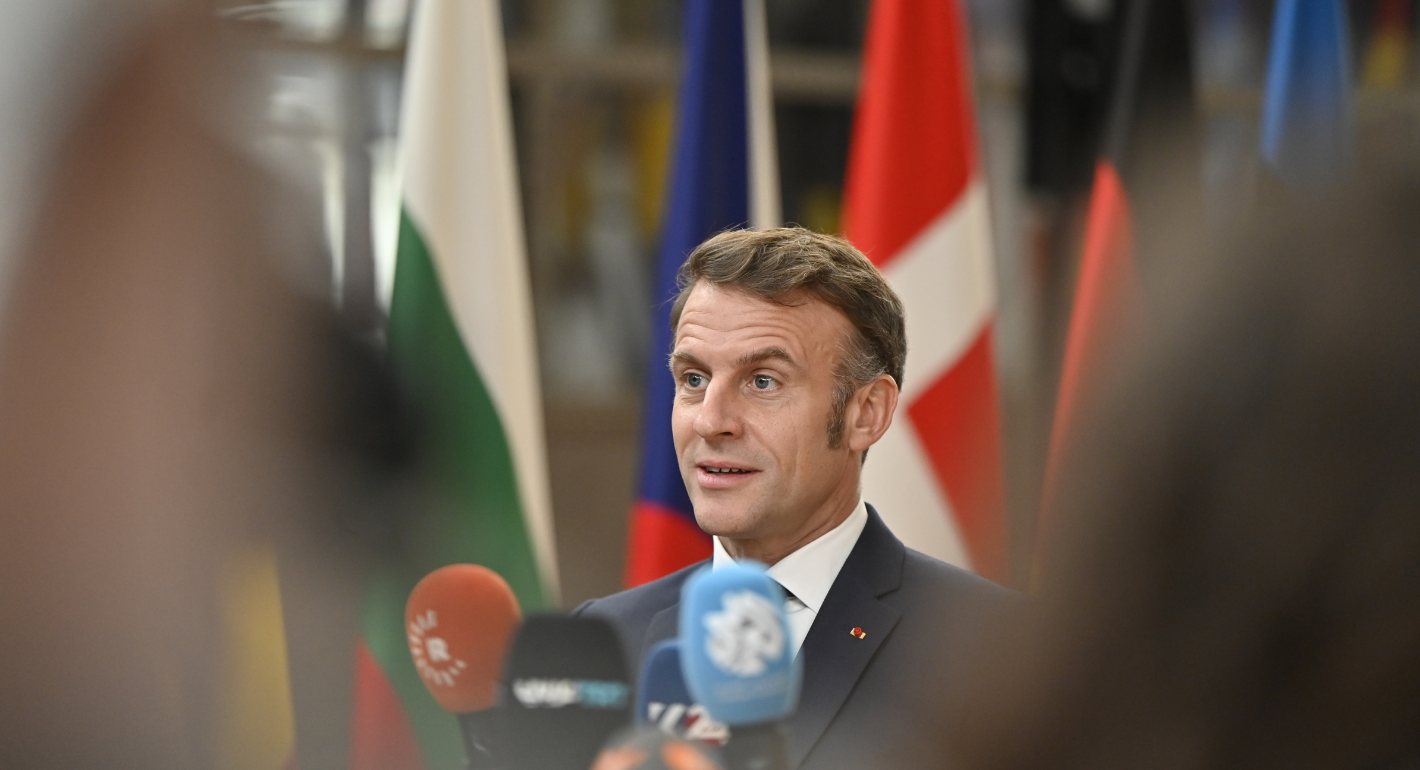
France has stopped clinging to notions of being a great power and is embracing the middle power moment. But Emmanuel Macron has his work cut out if he is to secure his country’s global standing before his term in office ends.
Rym Momtaz