

Commentary
The European Commissioner for Trade is headed to China. But after President Xi’s bridge-building visit to Washington, can a more isolated EU overcome Beijing’s stranglehold on critical raw materials? Who will blink first?
Rym Momtaz, ed.
{
  "authors": [],
  "type": "pressRelease",
  "centerAffiliationAll": "dc",
  "centers": [
    "Carnegie Endowment for International Peace"
  ],
  "collections": [],
  "englishNewsletterAll": "ctw",
  "nonEnglishNewsletterAll": "",
  "primaryCenter": "Carnegie Endowment for International Peace",
  "programAffiliation": "SAP",
  "programs": [
    "South Asia"
  ],
  "projects": [],
  "regions": [
    "South Asia",
    "Pakistan",
    "East Asia",
    "China"
  ],
  "topics": [
    "Nuclear Policy"
  ]
}
REQUIRED IMAGE
Concerns are growing about China’s potential sale of two nuclear reactors to Pakistan. The United States should oppose the transaction in its current form and pressure China to reverse course.
WASHINGTON, July 19—Concerns are growing about China’s potential sale of two nuclear reactors to Pakistan. The United States should oppose the transaction in its current form and pressure China to reverse course, contends a new paper by Ashley J. Tellis. While some observers believe that the recent U.S.–India civil nuclear deal complicates Washington’s ability to credibly resist the China–Pakistan agreement, the two deals are fundamentally different.
Key findings:
“The record of the last decade suggests that the United States has been successful in impeding problematic Chinese nuclear sales to Pakistan whenever it has remonstrated with Beijing at very high levels of government in both capitals,” Tellis writes. “There is no reason why President Obama cannot sustain this record of American achievement if he invests time and attention on this issue, given the emphasis he has placed on managing nuclear proliferation.”
###
NOTES
Carnegie does not take institutional positions on public policy issues; the views represented herein are those of the author(s) and do not necessarily reflect the views of Carnegie, its staff, or its trustees.

The European Commissioner for Trade is headed to China. But after President Xi’s bridge-building visit to Washington, can a more isolated EU overcome Beijing’s stranglehold on critical raw materials? Who will blink first?

Rym Momtaz, ed.

The hybrid warfare landscape is evolving rapidly, leaving policymakers without clear strategies. To better inform their work in addressing emerging challenges, governments must dig deeper into the underlying dynamics at play.


Raluca Csernatoni, Alicia Wanless

When the U.S.-Iran memorandum of understanding was announced, the UK, France, Germany, and Italy declared their readiness to help demine the Strait of Hormuz and lift nuclear sanctions on Tehran. But does Europe need new tools to recover a diplomatic role?
Rym Momtaz, ed.
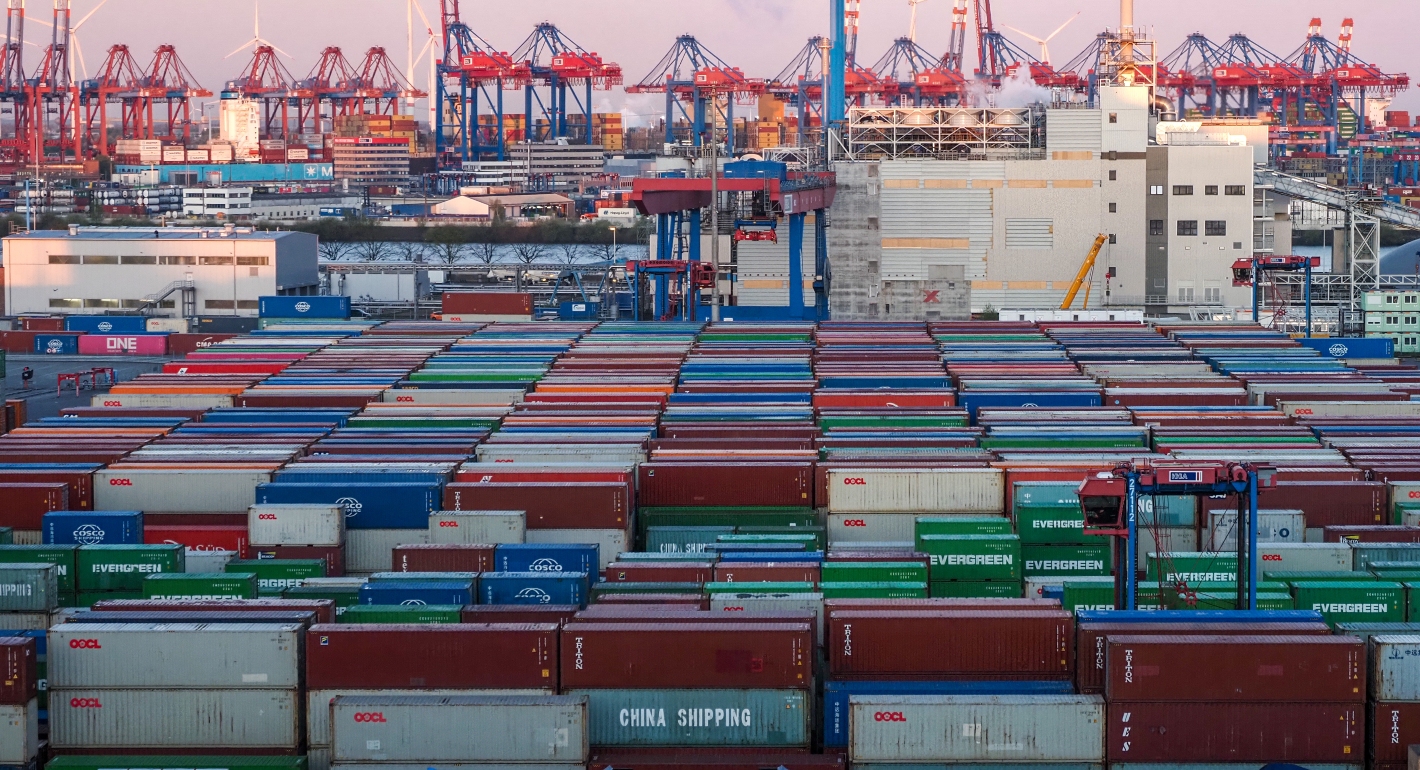
As geopolitical rivalry weaponizes global supply chains, the EU’s true vulnerability lies in emerging-risk imports. For these goods, suppliers are growing more concentrated, substitution more difficult, and political risk is looming.

Sinan Ülgen
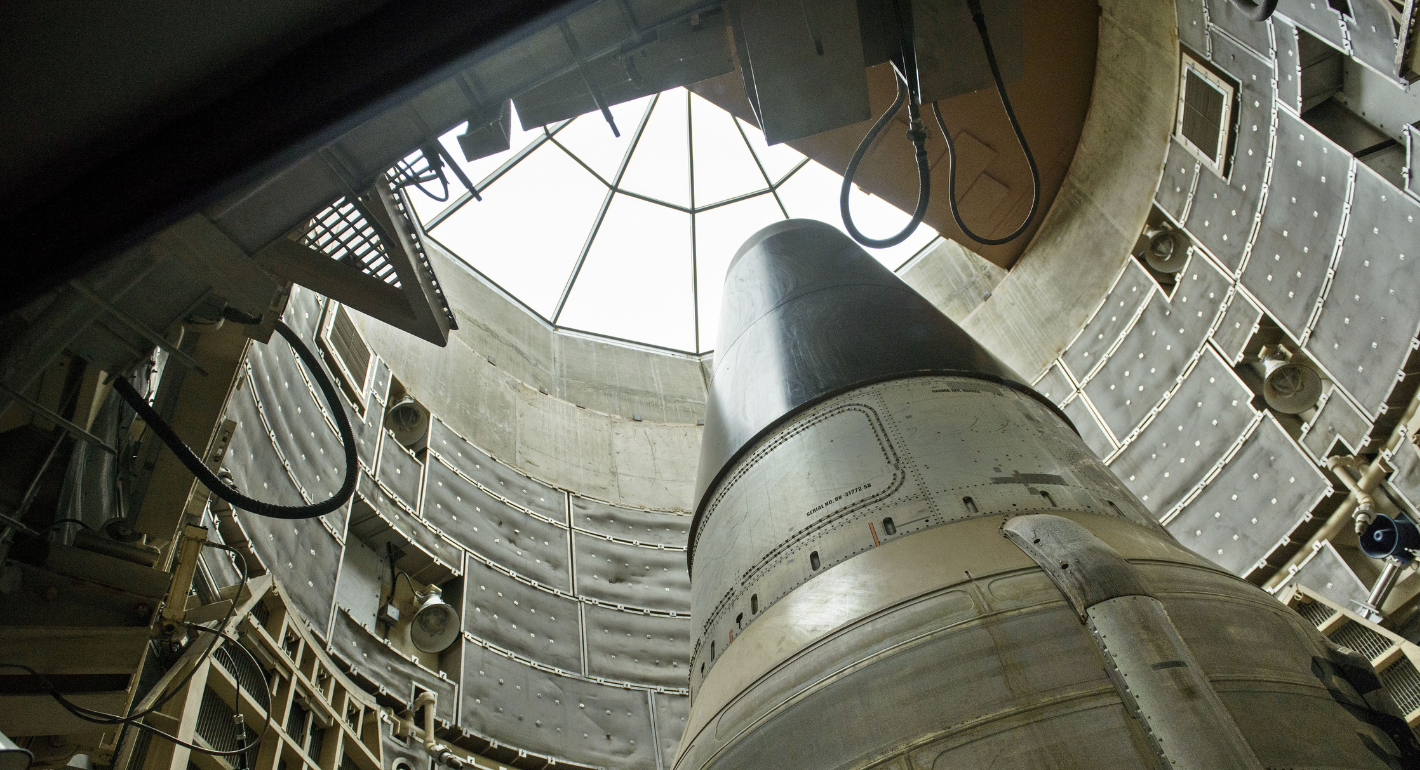
Amid uncertainty caused by the Iran war, the global drive for nonproliferation has stalled. With Europe diplomatically marginalized and countries reassessing their nuclear options, efforts to curb the spread of nuclear weapons risk becoming irrelevant.

Jane Darby Menton