

Q&A
S. Akbar Zaidi
{
  "authors": [
    "S. Akbar Zaidi"
  ],
  "type": "other",
  "centerAffiliationAll": "dc",
  "centers": [
    "Carnegie Endowment for International Peace"
  ],
  "collections": [],
  "englishNewsletterAll": "ctw",
  "nonEnglishNewsletterAll": "",
  "primaryCenter": "Carnegie Endowment for International Peace",
  "programAffiliation": "SAP",
  "programs": [
    "South Asia"
  ],
  "projects": [],
  "regions": [
    "South Asia",
    "Pakistan"
  ],
  "topics": [
    "Economy"
  ]
}
Source: Getty
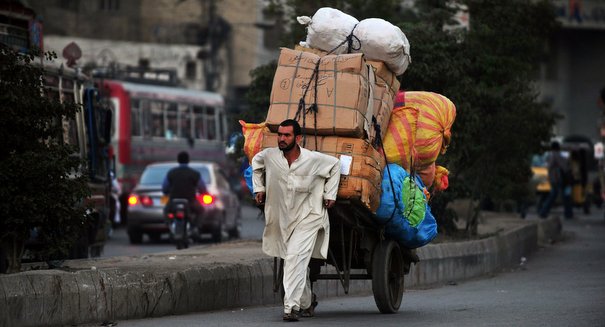
Pakistan's economic instability stems in large part from low government revenue due to the elite's use of tax evasions, loopholes, and exemptions. Without tax reform, Pakistan will continue to run an unsustainable debt and be forced to rely on Western donors for bailouts.
Unable to sustain solid growth, Pakistan’s economy is teetering on the brink of collapse, with one-third of the population living below the poverty line. S. Akbar Zaidi writes in a paper that Pakistan’s economic instability stems in large part from low government revenue due to the elite’s use of tax evasions, loopholes, and exemptions. Without tax reform, Pakistan will continue to run an unsustainable debt and be forced to rely on Western donors for bailouts.
“Pakistan’s lack of a proper tax and revenue regime has resulted in high rates of tax evasion, burdening the country with unsustainable debt and undermining its development priorities,” writes Zaidi. “The key to the country’s economic prosperity—even its survival—is a far-reaching program of tax reform.”
Former Visiting Scholar, South Asia Program
Zaidi was a visiting scholar in the Carnegie Endowment’s South Asia Program. A visiting professor at Johns Hopkins University’s School of Advanced International Studies (SAIS), his research focuses on development, governance, and political economy in South Asia.
Recent Work
S. Akbar Zaidi
S. Akbar Zaidi
Carnegie does not take institutional positions on public policy issues; the views represented herein are those of the author(s) and do not necessarily reflect the views of Carnegie, its staff, or its trustees.

As geopolitical rivalry weaponizes global supply chains, the EU’s true vulnerability lies in emerging-risk imports. For these goods, suppliers are growing more concentrated, substitution more difficult, and political risk is looming.

Sinan Ülgen

The EU is putting together a new security strategy to meet today’s myriad challenges. But for any proposal to be effective, the union needs to grapple with its identity and ambitions.

Pierre Vimont
Between the United States’ market-driven approach and China's state-led industrial strategy, Europe is reckoning with how it can remain competitive in the global economy. But is Europe in danger of becoming a U.S. or China colony?

Noah Barkin, Anu Bradford
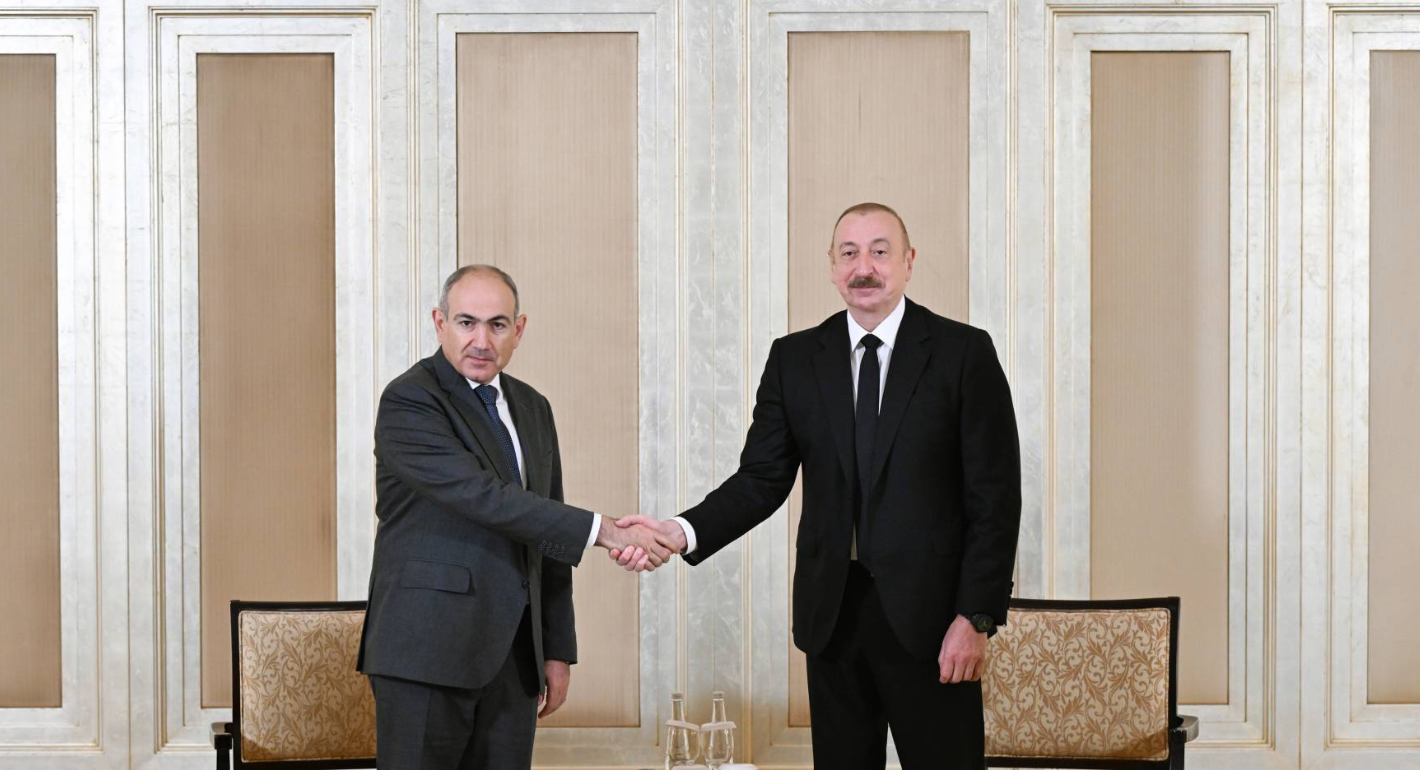
The U.S.-sponsored TRIPP deal is driving the Armenia-Azerbaijan peace process forward. But foreign and domestic hurdles remain before connectivity and economic interdependence can open up the South Caucasus.



Thomas de Waal, Areg Kochinyan, Zaur Shiriyev

Economic growth is at the heart of a dilemma between planetary and international security.

Olivia Lazard