

Article
Pierre Goldschmidt
{
  "authors": [
    "Pierre Goldschmidt"
  ],
  "type": "other",
  "centerAffiliationAll": "dc",
  "centers": [
    "Carnegie Endowment for International Peace"
  ],
  "collections": [],
  "englishNewsletterAll": "ctw",
  "nonEnglishNewsletterAll": "",
  "primaryCenter": "Carnegie Endowment for International Peace",
  "programAffiliation": "NPP",
  "programs": [
    "Nuclear Policy"
  ],
  "projects": [],
  "regions": [],
  "topics": [
    "Nuclear Policy"
  ]
}
Source: Getty
The anticipated expansion of nuclear energy worldwide will raise considerable challenges not only for the nuclear industry, but for the IAEA. Much needs to be done to ensure that the IAEA is able to attract and retain the top quality professionals required to carry out the Agency's multiple missions.
Source: Remarks prepared for IAEA Safeguards Symposium

Against this backdrop, the IAEA faces an incipient crisis in staffing. Much needs to be done to ensure that the IAEA is able to attract and retain top quality professionals required to carry out its multiple missions, particularly in highly technical specialties that are also in demand in the private sector.
In order to better attract and retain the needed specialists, it is necessary to reconsider both the IAEA’s so-called “rotation policy” of offering only three-year initial contracts (which may be extended to five or seven years, and only in limited cases for longer periods) and the Agency’s salary structure.
Pierre Goldschmidt recommends that the IAEA be allowed to offer any new staff the choice between the present contract system and the possibility to sign a contract similar to those offered in the private sector. In a nutshell, this would consist, after a one-year probation period, of offering a long-term contract (of undefined duration) with the understanding that the Agency would have the right to terminate the contract at any time as long as it provides a well-defined prior notice period and compensations at a level commensurate with the duration the staff has worked for the Agency. This would have the double advantage of allowing the Agency to retain those specialists who are performing well and the possibility of dismissing those who are underperforming.
The biggest problem in improving the IAEA safeguards system, Goldschmidt argues, will be overcoming the almost universal resistance to change, which requires full support of both the Director General and IAEA Member States.
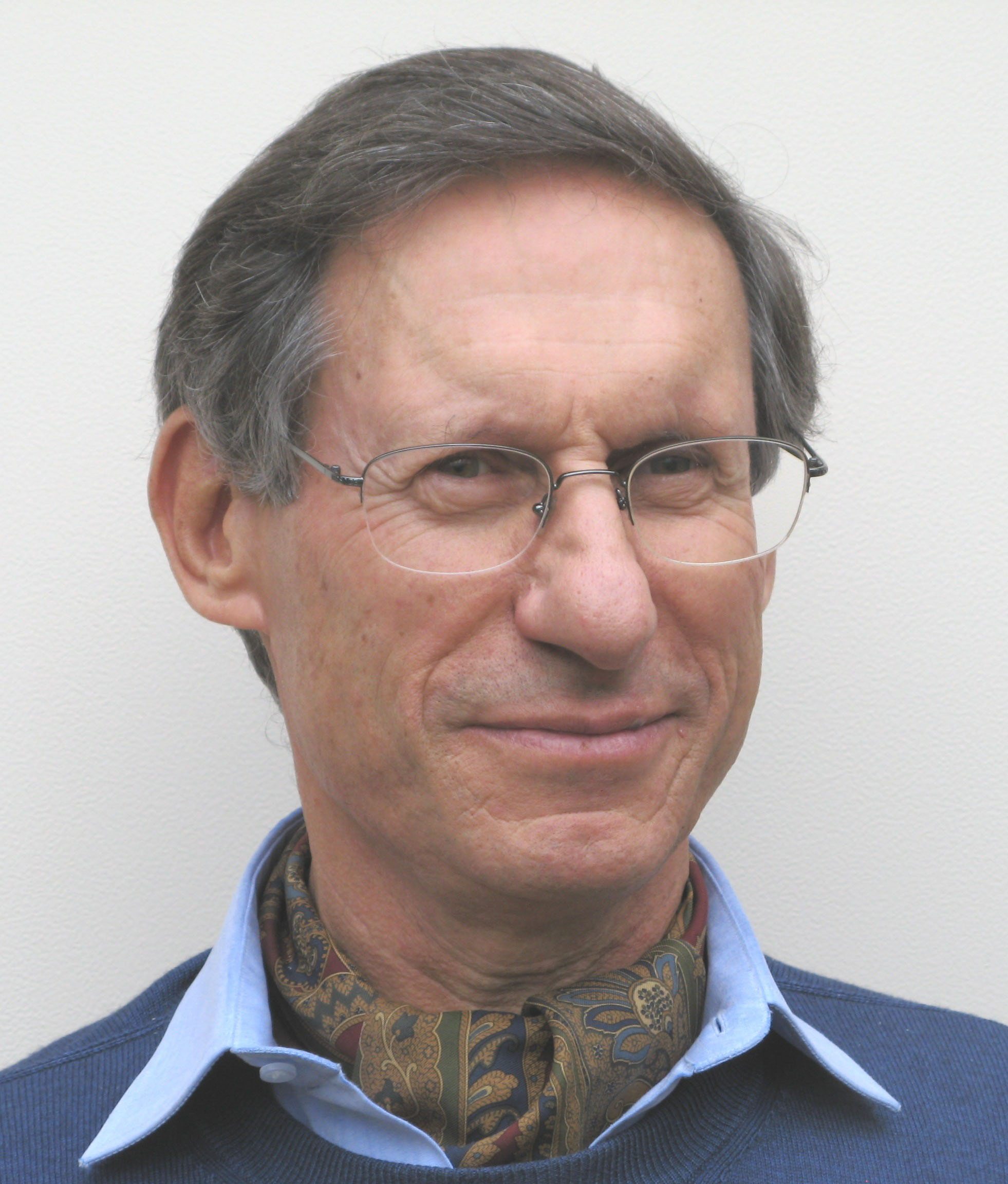
Former Nonresident Senior Associate, Nuclear Policy Program
Goldschmidt was a nonresident senior associate at the Carnegie Endowment.
Recent Work
Pierre Goldschmidt
Pierre Goldschmidt
Carnegie does not take institutional positions on public policy issues; the views represented herein are those of the author(s) and do not necessarily reflect the views of Carnegie, its staff, or its trustees.
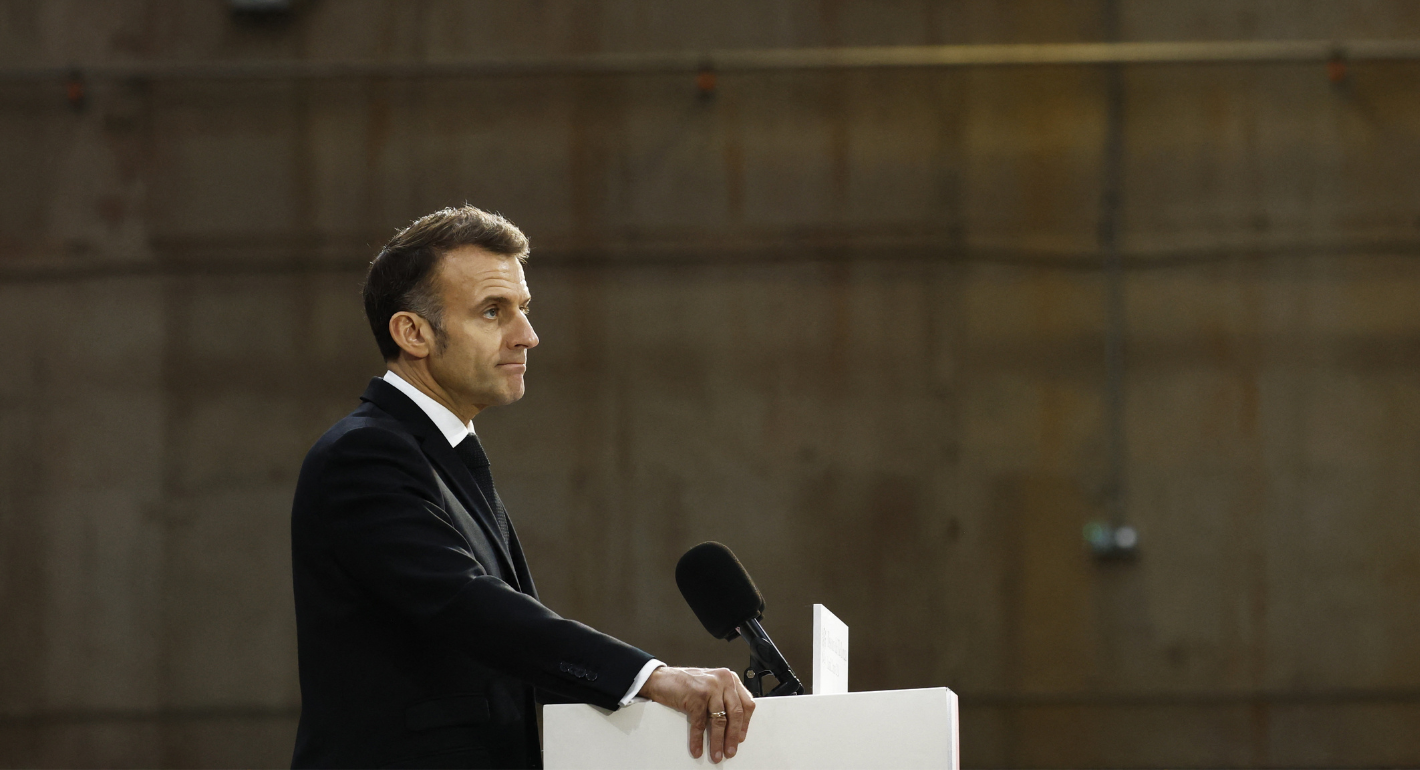
French President Emmanuel Macron has unveiled his country’s new nuclear doctrine. Are the changes he has made enough to reassure France’s European partners in the current geopolitical context?

Rym Momtaz, ed.
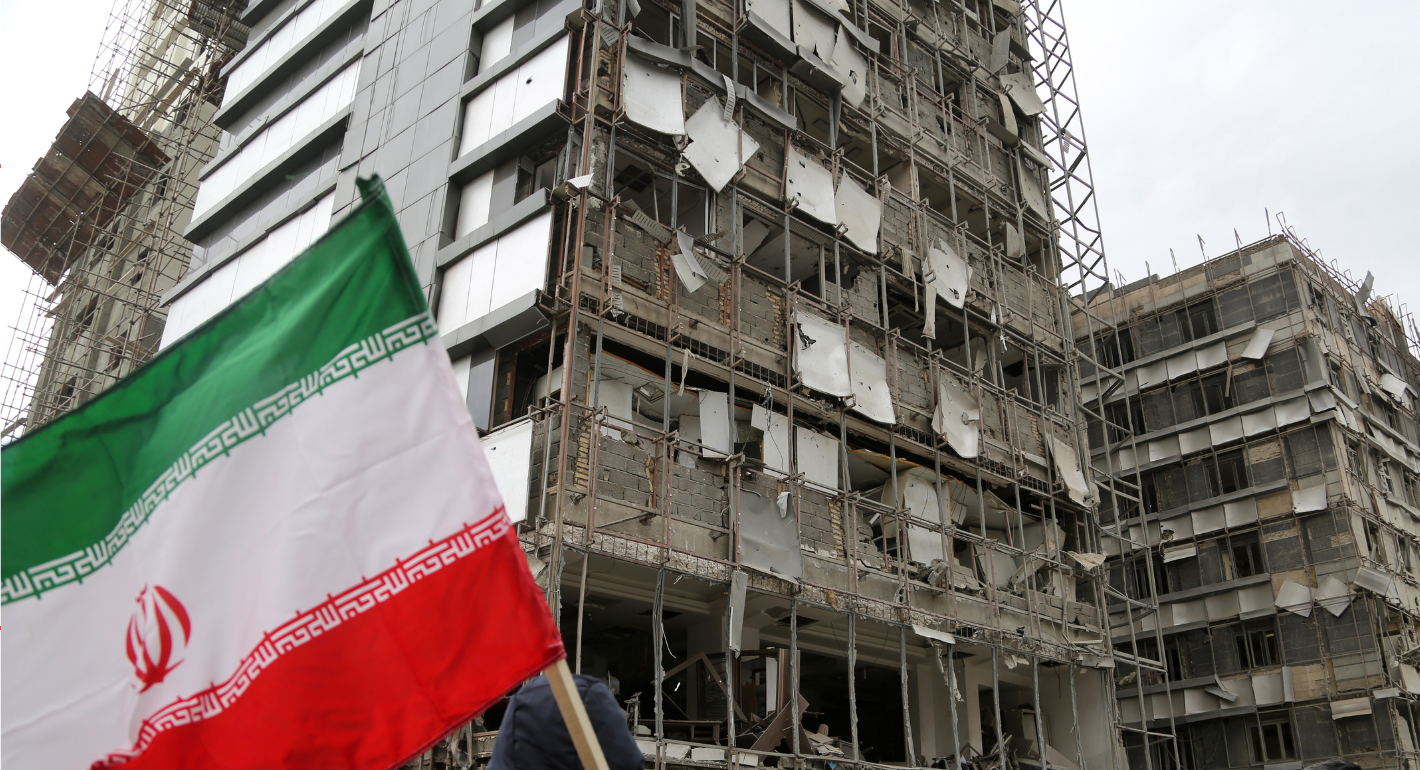
Europe’s reaction to the war in Iran has been disunited and meek, a far cry from its previously leading role in diplomacy with Tehran. To avoid being condemned to the sidelines while escalation continues, Brussels needs to stand up for international law.

Pierre Vimont
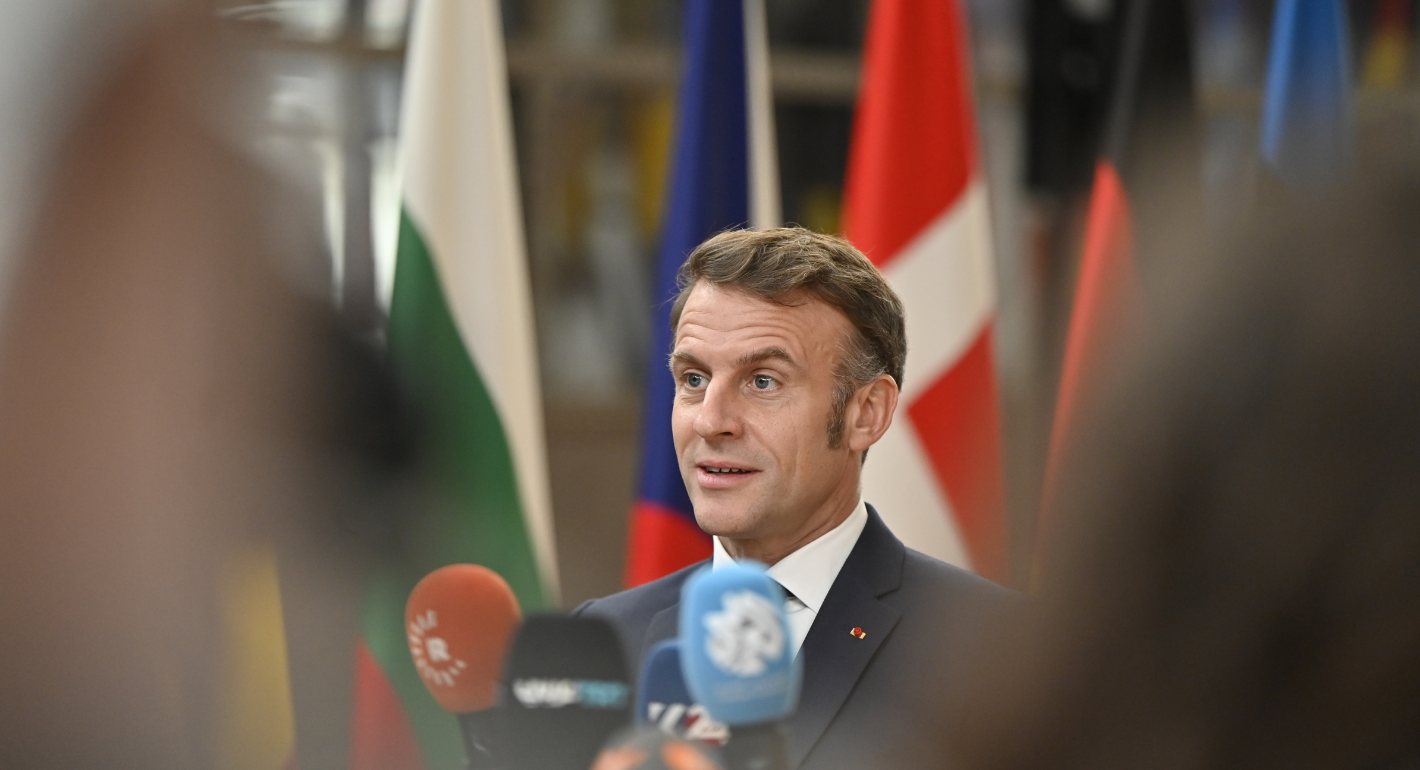
France has stopped clinging to notions of being a great power and is embracing the middle power moment. But Emmanuel Macron has his work cut out if he is to secure his country’s global standing before his term in office ends.
Rym Momtaz
In Donald Trump’s second term in office, the transatlantic relationship that helped define the postwar European project and global order appears broken. Is it time for Brussels to chart its own path?
Nathalie Tocci, Jan Techau
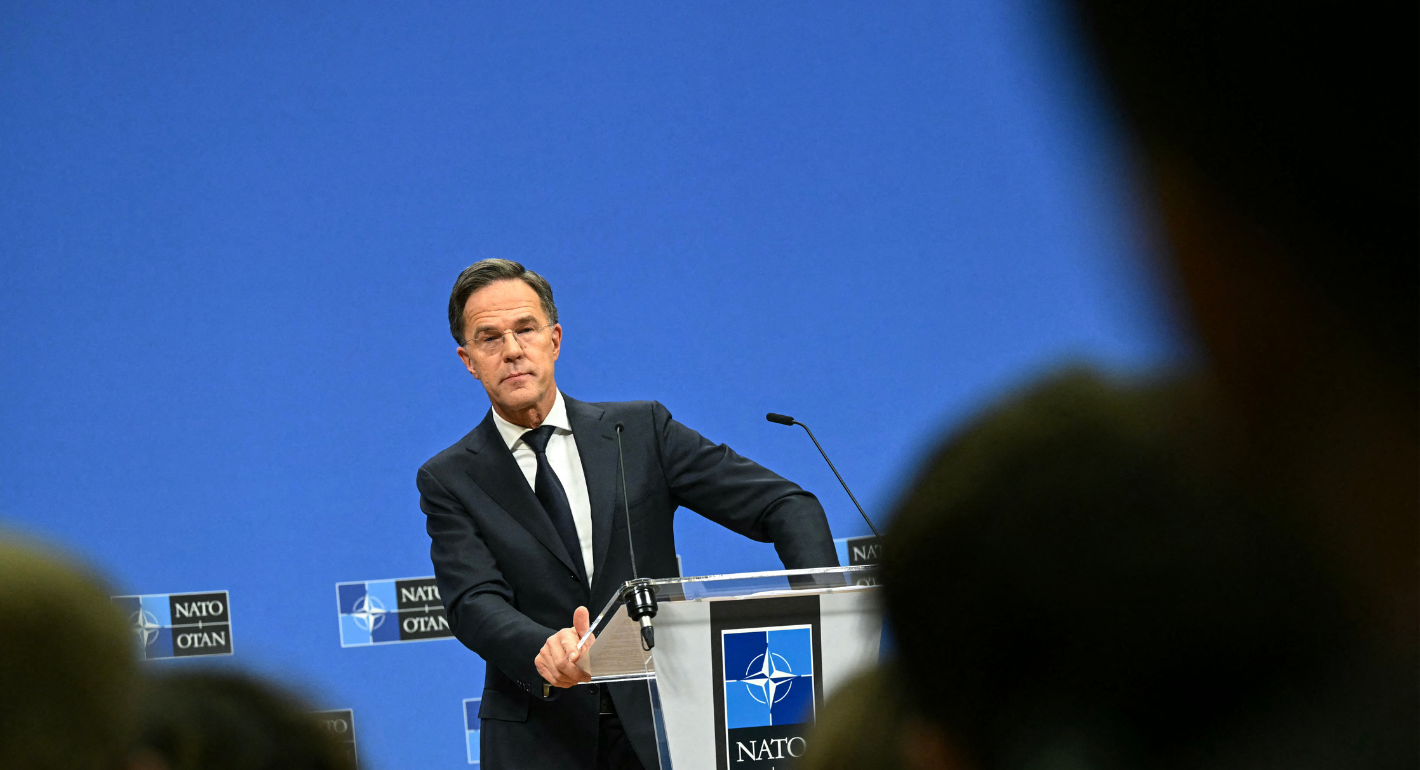
The debate on the future of European deterrence has intensified, as NATO allies seek to balance three key aims. Going forward, they will need to cooperate more deeply to craft a coherent strategy for confronting new threats.

Sophia Besch, Jamie Kwong