

Paper
Lora Saalman
{
  "authors": [
    "Lora Saalman"
  ],
  "type": "legacyinthemedia",
  "centerAffiliationAll": "dc",
  "centers": [
    "Carnegie Endowment for International Peace",
    "Carnegie China"
  ],
  "collections": [],
  "englishNewsletterAll": "ctw",
  "nonEnglishNewsletterAll": "",
  "primaryCenter": "Carnegie Endowment for International Peace",
  "programAffiliation": "NPP",
  "programs": [
    "Nuclear Policy"
  ],
  "projects": [],
  "regions": [
    "South Asia",
    "India",
    "East Asia",
    "China"
  ],
  "topics": [
    "Nuclear Policy"
  ]
}
Source: Getty
China’s perception of India’s military modernization and space capabilities has evolved over recent years, and growing bilateral strains demonstrate the need for collaborative measures to reduce tensions and clarify national policies.
Source: James Martin Center for Nonproliferation Studies
China is increasingly paying attention to India’s military modernization and space capabilities. Carnegie’s Lora Saalman combed archives of key Chinese military, international relations, science, and security journals for articles referencing India, tracking changes in the depth and frequency with which they discuss India. She noticed five trends reflected in the way that prominent international relations journals describe China, which she presented at a luncheon seminar at the James Martin Center for Nonproliferation Studies. Increasingly, articles:
Saalman also interviewed Chinese and Indian officials and analysts. She noted that many within China were particularly concerned about creating an enduring stability and cooperation with India, a perspective that was less pronounced in India and even scarcer in journal articles. Saalman advocated collaborative measures to reduce the perception of bilateral threats, including the collaborative composition of a glossary to reduce the notorious ambiguity in space weapons terms. She also suggested that India and China develop Codes of Conduct to better align their policies on space and their border.

Former Nonresident Associate, Nuclear Policy Program
Saalman was a nonresident associate in the Nuclear Policy Program at the Carnegie Endowment for International Peace. Her research focuses on China’s nuclear and strategic policies toward India, Russia, and arms control.
Recent Work
Lora Saalman
Lora Saalman
Carnegie does not take institutional positions on public policy issues; the views represented herein are those of the author(s) and do not necessarily reflect the views of Carnegie, its staff, or its trustees.

The hybrid warfare landscape is evolving rapidly, leaving policymakers without clear strategies. To better inform their work in addressing emerging challenges, governments must dig deeper into the underlying dynamics at play.


Raluca Csernatoni, Alicia Wanless
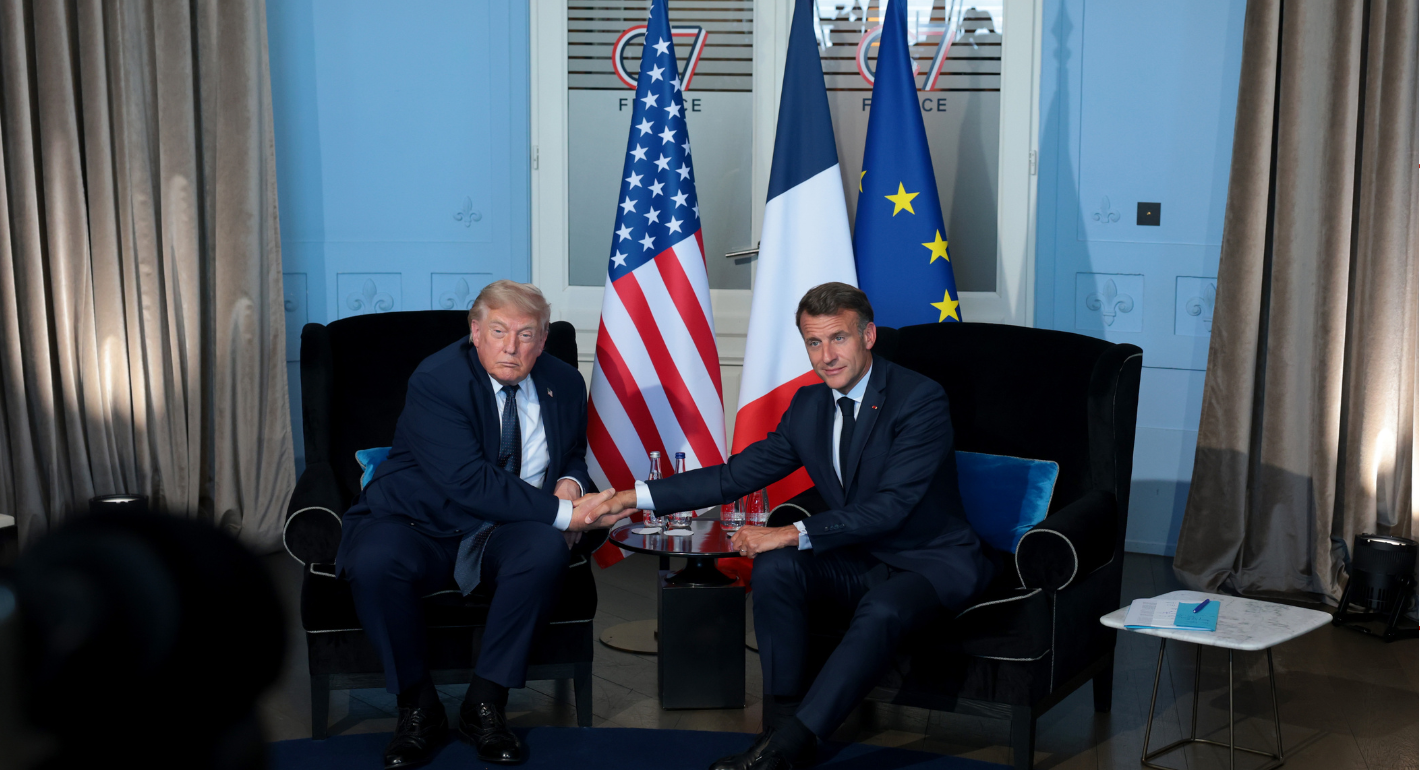
When the U.S.-Iran memorandum of understanding was announced, the UK, France, Germany, and Italy declared their readiness to help demine the Strait of Hormuz and lift nuclear sanctions on Tehran. But does Europe need new tools to recover a diplomatic role?

Rym Momtaz, ed.

As geopolitical rivalry weaponizes global supply chains, the EU’s true vulnerability lies in emerging-risk imports. For these goods, suppliers are growing more concentrated, substitution more difficult, and political risk is looming.

Sinan Ülgen

Amid uncertainty caused by the Iran war, the global drive for nonproliferation has stalled. With Europe diplomatically marginalized and countries reassessing their nuclear options, efforts to curb the spread of nuclear weapons risk becoming irrelevant.

Jane Darby Menton
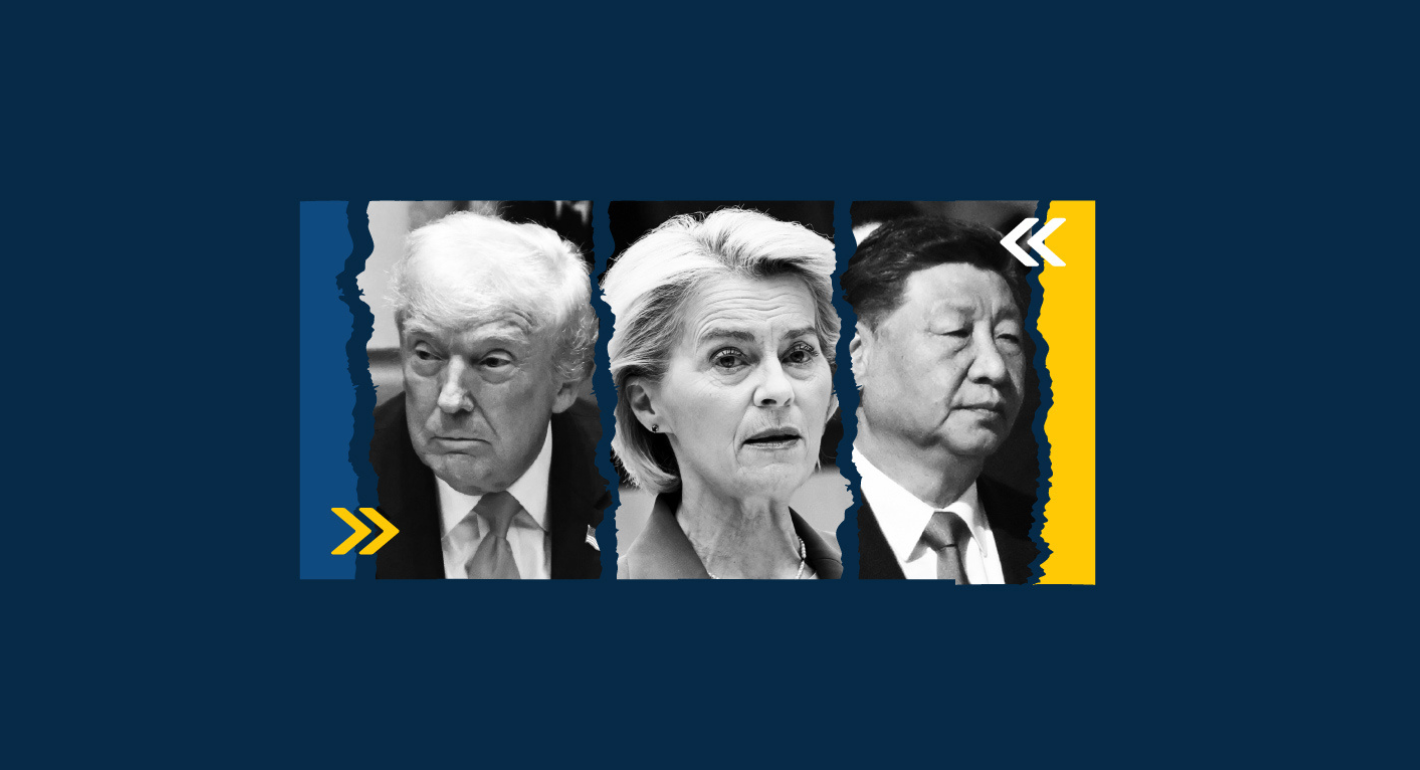
Between the United States’ market-driven approach and China's state-led industrial strategy, Europe is reckoning with how it can remain competitive in the global economy. But is Europe in danger of becoming a U.S. or China colony?


Noah Barkin, Anu Bradford