

Other
- +18
James M. Acton, Saskia Brechenmacher, Cecily Brewer, …
{
  "authors": [
    "James M. Acton"
  ],
  "type": "legacyinthemedia",
  "centerAffiliationAll": "dc",
  "centers": [
    "Carnegie Endowment for International Peace"
  ],
  "collections": [],
  "englishNewsletterAll": "ctw",
  "nonEnglishNewsletterAll": "",
  "primaryCenter": "Carnegie Endowment for International Peace",
  "programAffiliation": "NPP",
  "programs": [
    "Nuclear Policy"
  ],
  "projects": [],
  "regions": [
    "East Asia",
    "Japan"
  ],
  "topics": [
    "Nuclear Policy",
    "Nuclear Energy"
  ]
}
Source: Getty
A reactor core may have been breached at one of Japan’s Daiichi reactors. For a nation still mobilizing to respond to a triple crisis – the earthquake, tsunami, and nuclear reactor crisis – this dangerous development is difficult to address.
Source: NBC
Two weeks after an earthquake and tsunami struck Japan, causing devastation and triggering a crisis at Japan’s Daiichi and Daini nuclear reactors in Fukushima, Japan is still struggling to cool its damaged nuclear reactors. Highly radioactive water was discovered in a turbine building, a building adjacent to the one containing the reactor. Such highly radioactive water suggests there is some risk of a breached reactor core, although there are other possible explanations that could account for the highly radioactive water.
In an interview on NBC’s Today Show, Carnegie’s James Acton puts the latest development in the Fukushima crisis in context of past nuclear crises. Acton expressed doubt that the radioactive releases would approach the scale of Chernobyl, explaining that an explosion occurred in the fuel itself during the Chernobyl disaster. Such an explosion has not happened in this case. During the Three Mile Island crisis, Acton continued, melted fuel sat at the bottom of the reactor vessel, but did not succeed in burning its way through. Given concerns that the fuel in Japan may be burning through the reactor vessels, Acton concluded that past experience gives scientists little ability to predict the progression of the crisis.

Jessica T. Mathews Chair, Co-director, Nuclear Policy Program
Acton holds the Jessica T. Mathews Chair and is co-director of the Nuclear Policy Program at the Carnegie Endowment for International Peace.
Recent Work

James M. Acton, Saskia Brechenmacher, Cecily Brewer, …
James M. Acton
Carnegie does not take institutional positions on public policy issues; the views represented herein are those of the author(s) and do not necessarily reflect the views of Carnegie, its staff, or its trustees.
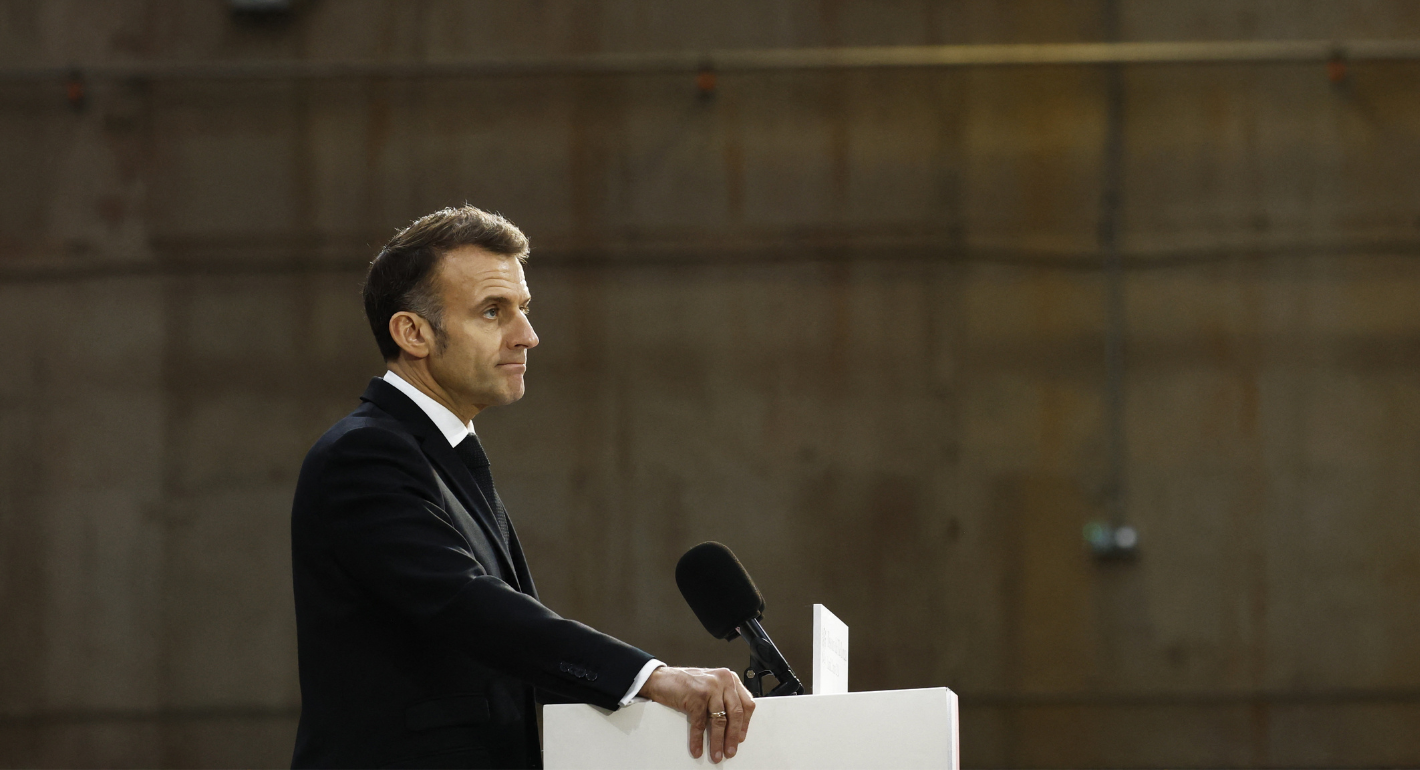
French President Emmanuel Macron has unveiled his country’s new nuclear doctrine. Are the changes he has made enough to reassure France’s European partners in the current geopolitical context?

Rym Momtaz, ed.
For years, the United States anchored global cyber diplomacy. As Washington rethinks its leadership role, the launch of the UN’s Cyber Global Mechanism may test how allies adjust their engagement.

Patryk Pawlak, Chris Painter
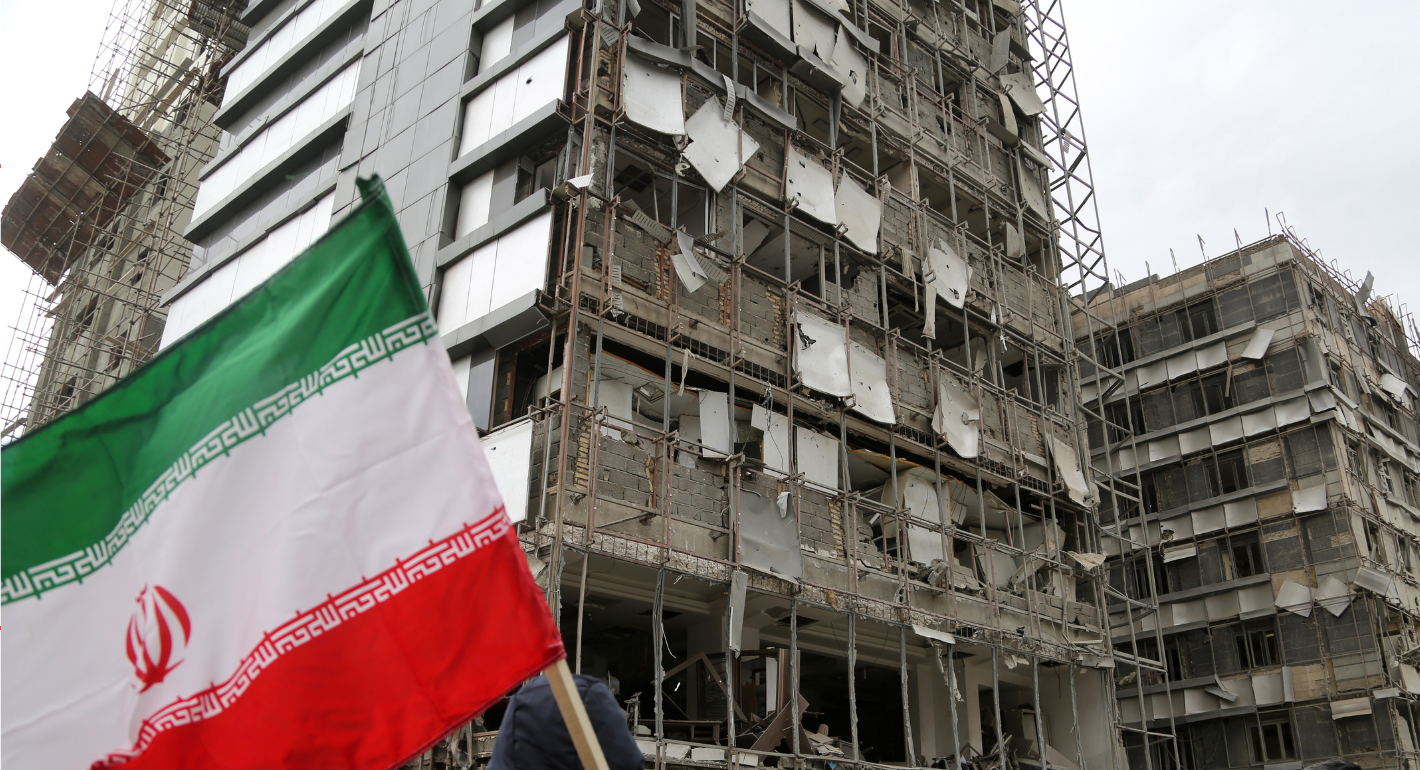
Europe’s reaction to the war in Iran has been disunited and meek, a far cry from its previously leading role in diplomacy with Tehran. To avoid being condemned to the sidelines while escalation continues, Brussels needs to stand up for international law.

Pierre Vimont
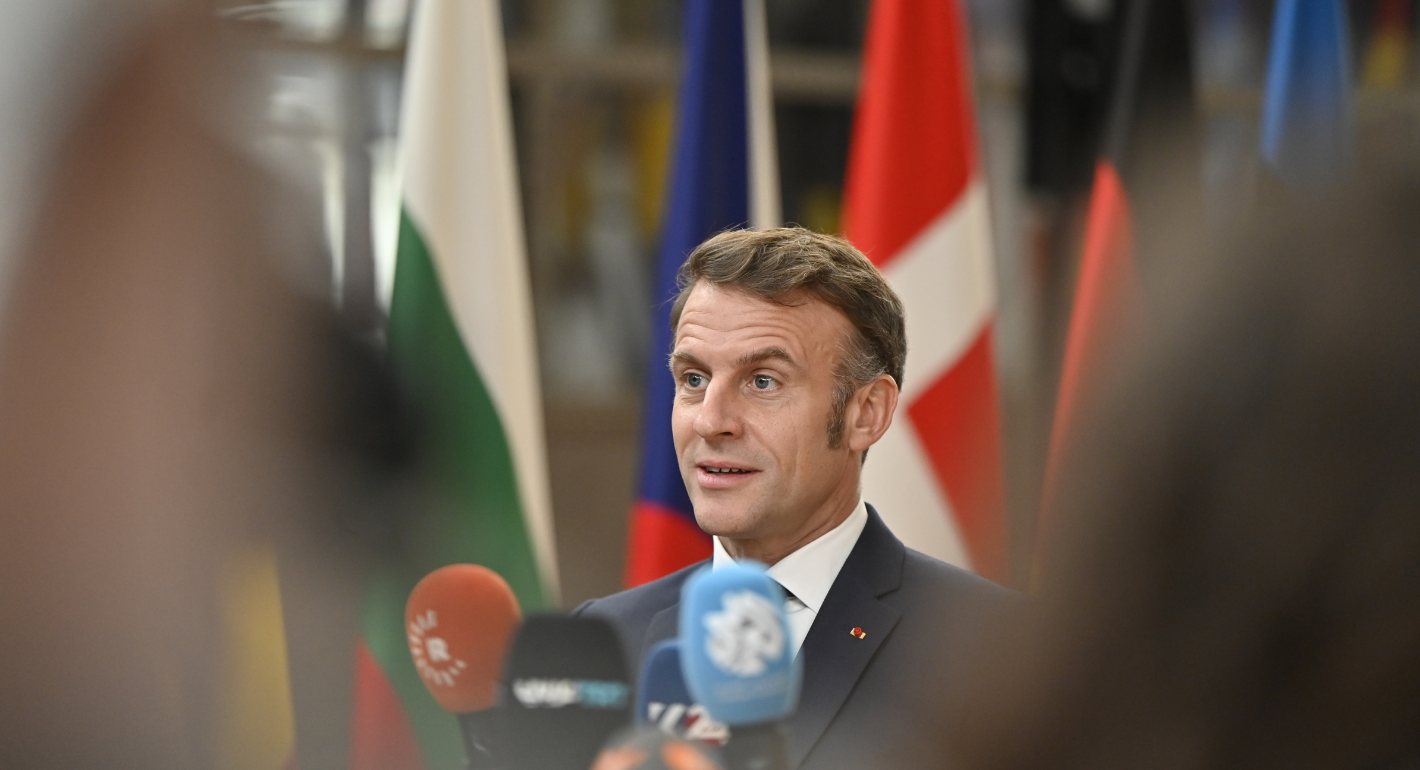
France has stopped clinging to notions of being a great power and is embracing the middle power moment. But Emmanuel Macron has his work cut out if he is to secure his country’s global standing before his term in office ends.
Rym Momtaz

In Donald Trump’s second term in office, the transatlantic relationship that helped define the postwar European project and global order appears broken. Is it time for Brussels to chart its own path?

Nathalie Tocci, Jan Techau