

Commentary
With its public finances in shambles, the far right polling at 35 percent ahead of the 2027 presidential election, and a growing protest movement, is France’s crisis a threat to the EU’s geopolitical awakening?
Rym Momtaz, ed.
{
  "authors": [
    "Uri Dadush",
    "Shimelse Ali"
  ],
  "type": "other",
  "centerAffiliationAll": "",
  "centers": [
    "Carnegie Endowment for International Peace"
  ],
  "collections": [],
  "englishNewsletterAll": "",
  "nonEnglishNewsletterAll": "",
  "primaryCenter": "Carnegie Endowment for International Peace",
  "programAffiliation": "",
  "programs": [],
  "projects": [],
  "regions": [
    "Southern, Eastern, and Western Africa",
    "North America"
  ],
  "topics": [
    "Economy"
  ]
}
Source: Getty
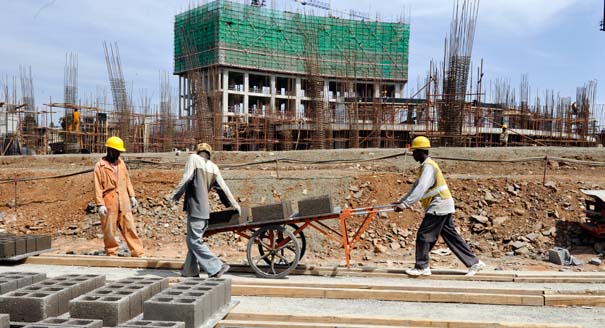
After stagnating for decades, economic growth in Africa has accelerated, but maintaining this rapid growth is far from guaranteed. Policy makers must build on past successes and tackle tough reforms before the world’s poorest continent can make sustained economic progress.
After stagnating for much of the postcolonial period, economic growth in Africa has accelerated since the mid-1990s. Improved terms of trade, better macroeconomic and education policies, and greater demand for services helped Africa’s annual GDP growth rate more than double to 4.6 percent from 1999–2008 compared to the previous decade. Impressively, GDP in African economies accelerated more quickly than that of developing economies in other regions.
To continue this growth, Africa must overcome numerous challenges. Africa suffers from low investment and savings rates, a lagging demographic transition as the continent’s high fertility rate creates a bulge in the number of young people requiring education, low productivity, and a low level of exports—even as export prices have increased.
Still, Africa also has a number of long-term growth opportunities. By developing ties with emerging economies such as China and India, Africa will be able to export more goods abroad, particularly as income and wages in those countries grow. The emergence of a middle class in Africa will also create more demand.
To ensure Africa successfully moves up the development ladder, policy makers must improve the continent’s governance and business climate, allowing it to compete successfully with other poor but increasingly dynamic developing regions. Specific steps include:
Africa’s continued—and accelerated—growth over the long term is by no means guaranteed. But if policy makers can build on their successes so far and tackle tougher second-generation reforms, they can help Africa become more competitive, improve productivity, and increase per-capita incomes well into the future.

Former Senior Associate, International Economics Program
Dadush was a senior associate at the Carnegie Endowment for International Peace. He focuses on trends in the global economy and is currently tracking developments in the eurozone crisis.
Shimelse Ali
Carnegie does not take institutional positions on public policy issues; the views represented herein are those of the author(s) and do not necessarily reflect the views of Carnegie, its staff, or its trustees.

With its public finances in shambles, the far right polling at 35 percent ahead of the 2027 presidential election, and a growing protest movement, is France’s crisis a threat to the EU’s geopolitical awakening?

Rym Momtaz, ed.

The European Commissioner for Trade is headed to China. But after President Xi’s bridge-building visit to Washington, can a more isolated EU overcome Beijing’s stranglehold on critical raw materials? Who will blink first?
Rym Momtaz, ed.

The domestic impacts of how long it is taking to end the war in Ukraine have pushed the French electorate to the political extremes and compromised the country’s diplomatic capacity.
Rym Momtaz

A summer of escalation in the Black Sea has hurt Ukraine economically and is exacerbating world food security. A truce is needed—as is a broader reframing of Europe’s Ukraine strategy.

Thomas de Waal
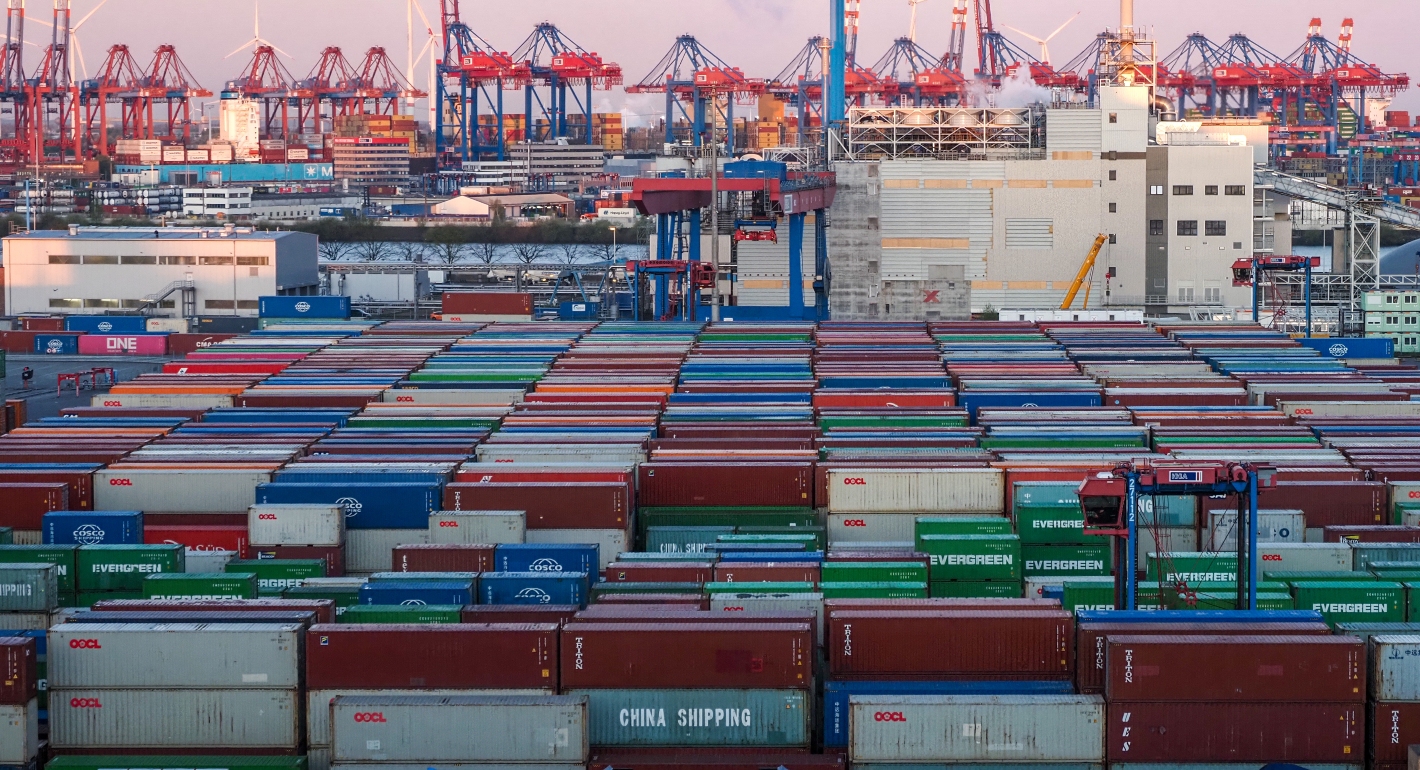
As geopolitical rivalry weaponizes global supply chains, the EU’s true vulnerability lies in emerging-risk imports. For these goods, suppliers are growing more concentrated, substitution more difficult, and political risk is looming.

Sinan Ülgen