

Commentary
Europeans still lack a common vision for how to ensure the continent’s security. Regardless of who becomes the next U.S. president, a stronger European pillar in NATO is essential.
Judy Dempsey
{
  "authors": [],
  "type": "pressRelease",
  "centerAffiliationAll": "",
  "centers": [
    "Carnegie Endowment for International Peace"
  ],
  "collections": [],
  "englishNewsletterAll": "",
  "nonEnglishNewsletterAll": "",
  "primaryCenter": "Carnegie Endowment for International Peace",
  "programAffiliation": "",
  "programs": [],
  "projects": [],
  "regions": [
    "North America"
  ],
  "topics": []
}
REQUIRED IMAGE
Carnegie's Moisés Naím was honored with the 2011 Ortega y Gasset Journalism Award for Outstanding Professional Career.
WASHINGTON—Carnegie's Moisés Naím was honored yesterday with the 2011 Ortega y Gasset Journalism Award for Outstanding Professional Career.
The awards are the most prestigious in Spanish journalism and recognize the best work published in Spanish in 2010. Naím was named “most outstanding professional” thanks to his “independence” and the “enormous strength and analytical capability” of his weekly columns which, according to the jury, are “an essential reference in the Spanish language.”
Naím, a senior associate in the Carnegie International Economics Program, is the chief international columnist for El Pais, Spain's largest newspaper, and his weekly column is published worldwide. Before joining the Carnegie Endowment, Naím was the editor in chief of Foreign Policy for fourteen years where he helped to shape the magazine into one of the world's most influential publications in international affairs. In addition, Naím served as Venezuela’s minister of trade and industry in the early 1990s, director of Venezuela's Central Bank, and executive director of the World Bank.
NOTES
Press Contact: Karly Schledwitz, +1 202 939 2233, pressoffice@ceip.org
Carnegie does not take institutional positions on public policy issues; the views represented herein are those of the author(s) and do not necessarily reflect the views of Carnegie, its staff, or its trustees.
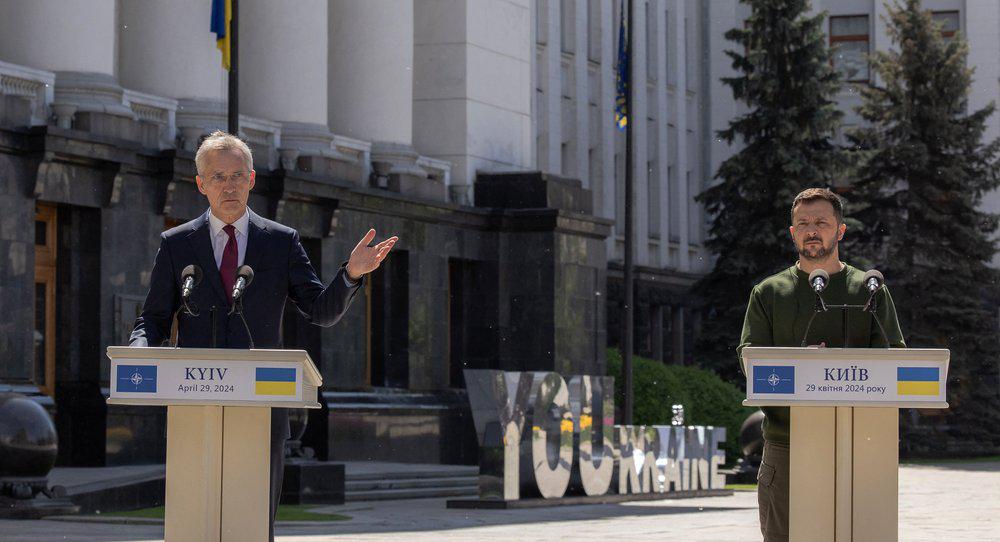
Europeans still lack a common vision for how to ensure the continent’s security. Regardless of who becomes the next U.S. president, a stronger European pillar in NATO is essential.

Judy Dempsey
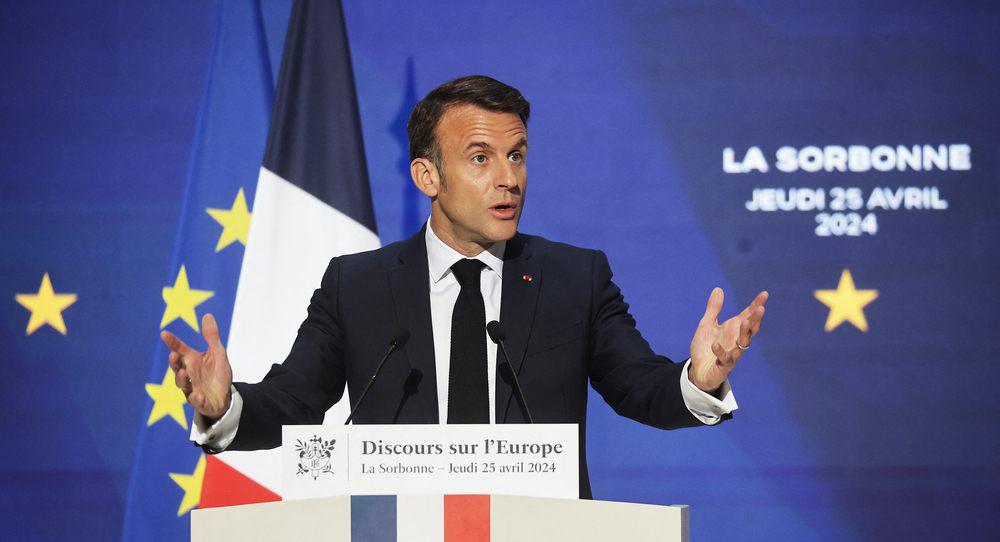
Amid Russia’s aggression and uncertainty around U.S. leadership, Macron is right to call for Europe’s self-reliance in defense. To achieve it, France needs to lead by example and get all allies on board.
Judy Dempsey
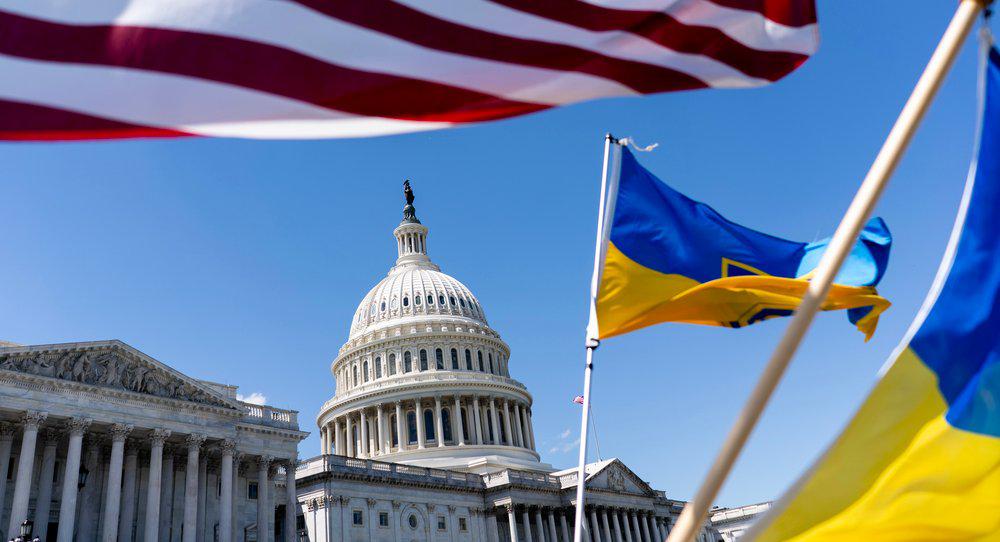
The release of U.S. aid to Ukraine is one of many steps necessary to contain Russian aggression. Western leaders must remind publics what is at stake and think ahead to avoid delays at every turn.
Gwendolyn Sasse
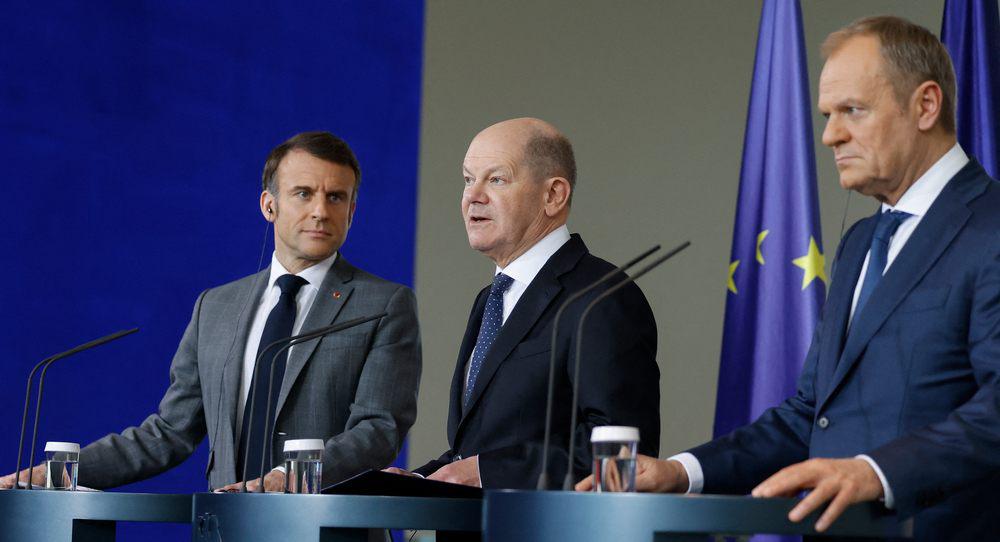
Political shifts in Europe and the United States risk deepening divisions within the EU. Leaders should make clear that investing in Ukraine’s defense is essential for securing Europe’s shared future.
Giovanni Grevi
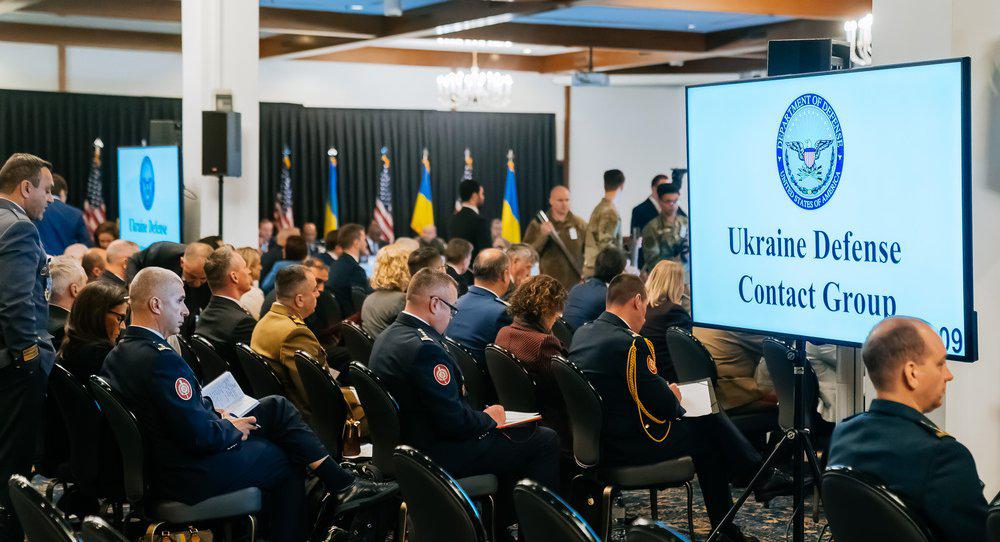
NATO has the tools and expertise to play a bigger role in providing Ukraine with military aid. But reaching a consensus among allies, some of whom fear further escalation, will be a challenge.
Judy Dempsey