

In The Media
Martha Brill Olcott
{
  "authors": [
    "Martha Brill Olcott"
  ],
  "type": "testimony",
  "centerAffiliationAll": "dc",
  "centers": [
    "Carnegie Endowment for International Peace",
    "Carnegie Russia Eurasia Center"
  ],
  "collections": [],
  "englishNewsletterAll": "",
  "nonEnglishNewsletterAll": "",
  "primaryCenter": "Carnegie Endowment for International Peace",
  "programAffiliation": "russia",
  "programs": [
    "Russia and Eurasia"
  ],
  "projects": [
    "Eurasia in Transition"
  ],
  "regions": [
    "Central Asia",
    "Kyrgyz Republic"
  ],
  "topics": [
    "Security"
  ]
}
Source: Getty
The international community should focus on pressing the Kyrgyz government to respect the basic human rights of all their citizens and emphasize the importance of equality and accountability before the law.
Source: June 22

Olcott concludes that the international community should focus on pressing the Kyrgyz government “to respect the basic human rights of all their citizens.” She argues that “this more limited approach might make us more effective in trying to ensure that peace prevails in Kyrgyzstan’s south. But there will be no guarantees.”
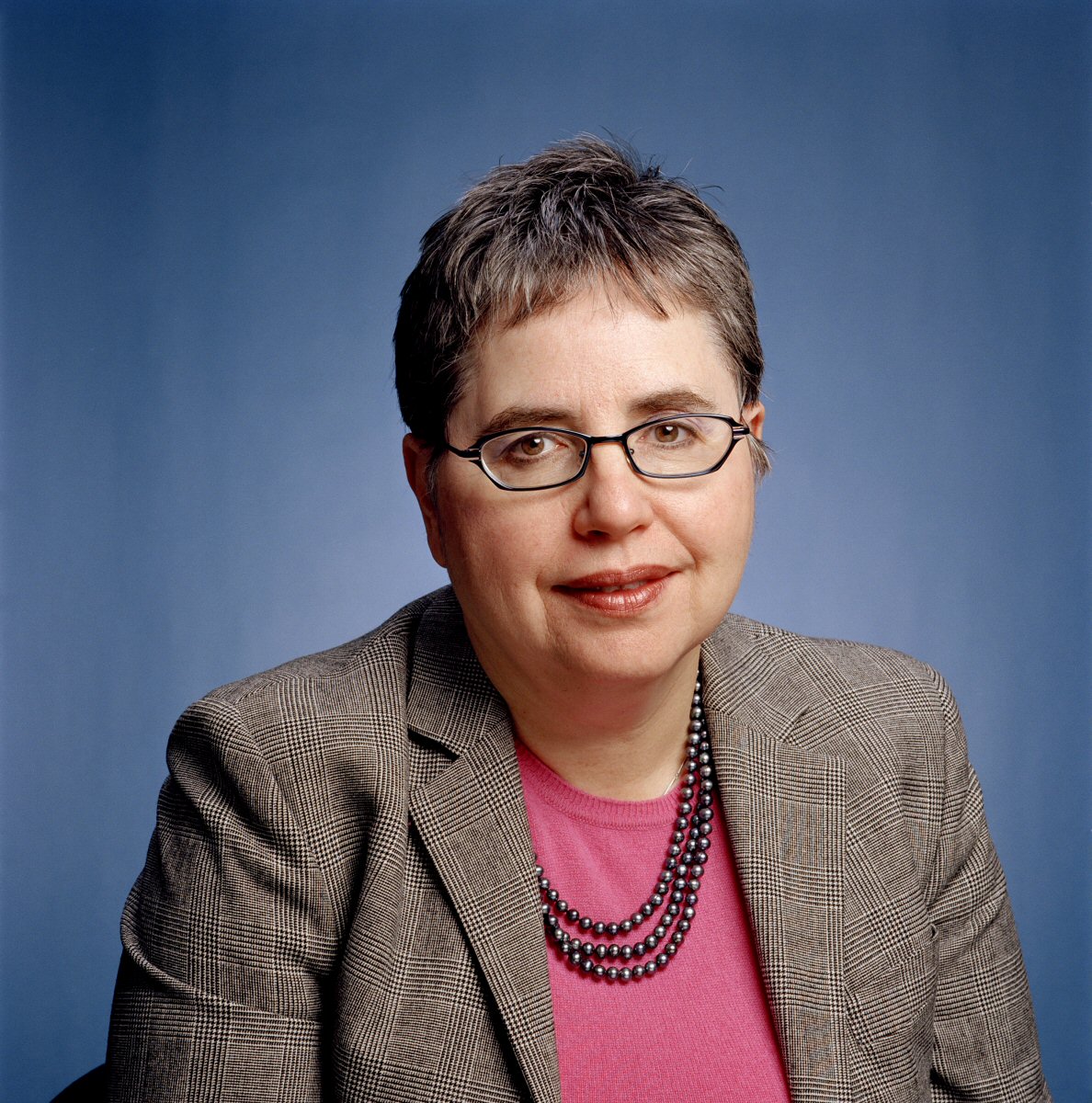
Former Senior Associate, Russia and Eurasia Program and, Co-director, al-Farabi Carnegie Program on Central Asia
Olcott is professor emerita at Colgate University, having taught political science there from 1974 to 2002. Prior to her work at the endowment, Olcott served as a special consultant to former secretary of state Lawrence Eagleburger.
Recent Work
Martha Brill Olcott
Martha Brill Olcott
Carnegie does not take institutional positions on public policy issues; the views represented herein are those of the author(s) and do not necessarily reflect the views of Carnegie, its staff, or its trustees.
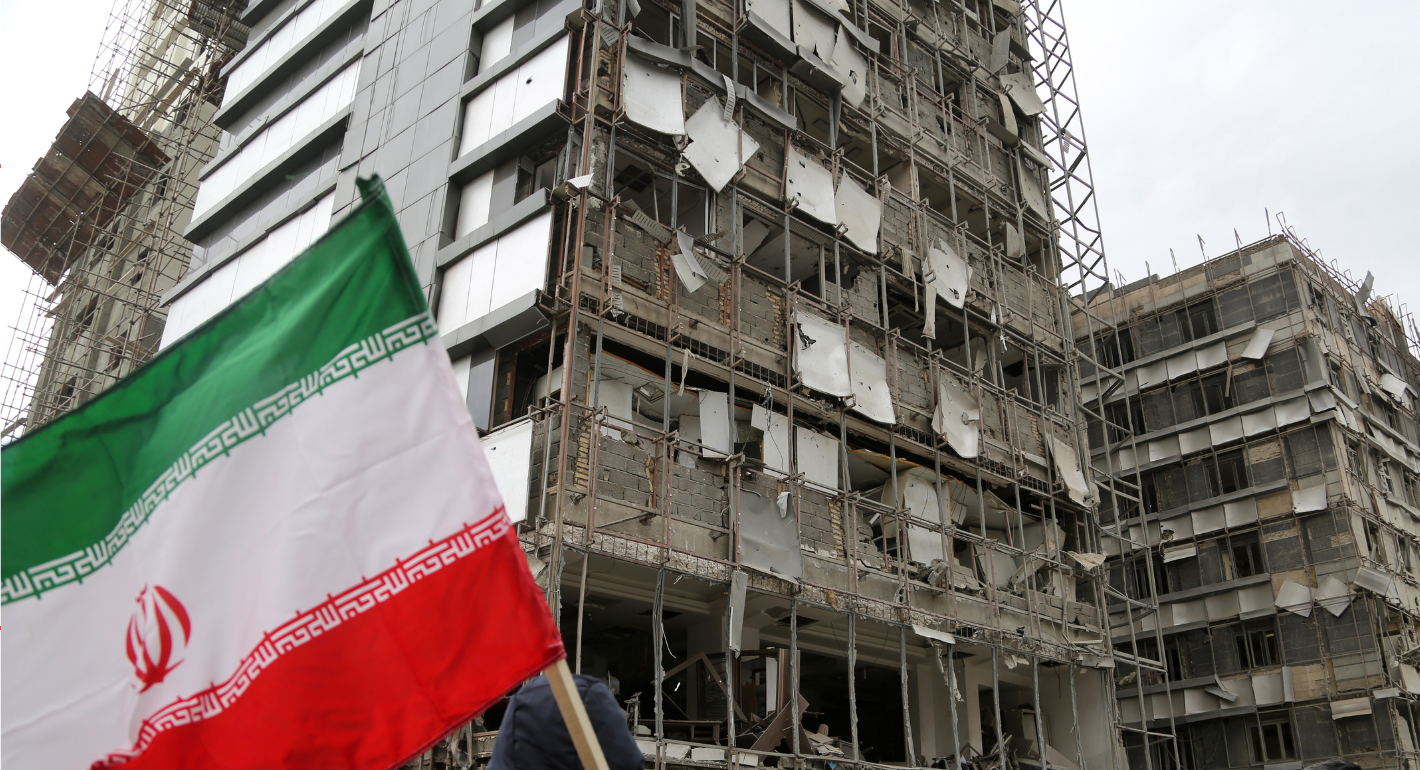
Europe’s reaction to the war in Iran has been disunited and meek, a far cry from its previously leading role in diplomacy with Tehran. To avoid being condemned to the sidelines while escalation continues, Brussels needs to stand up for international law.

Pierre Vimont
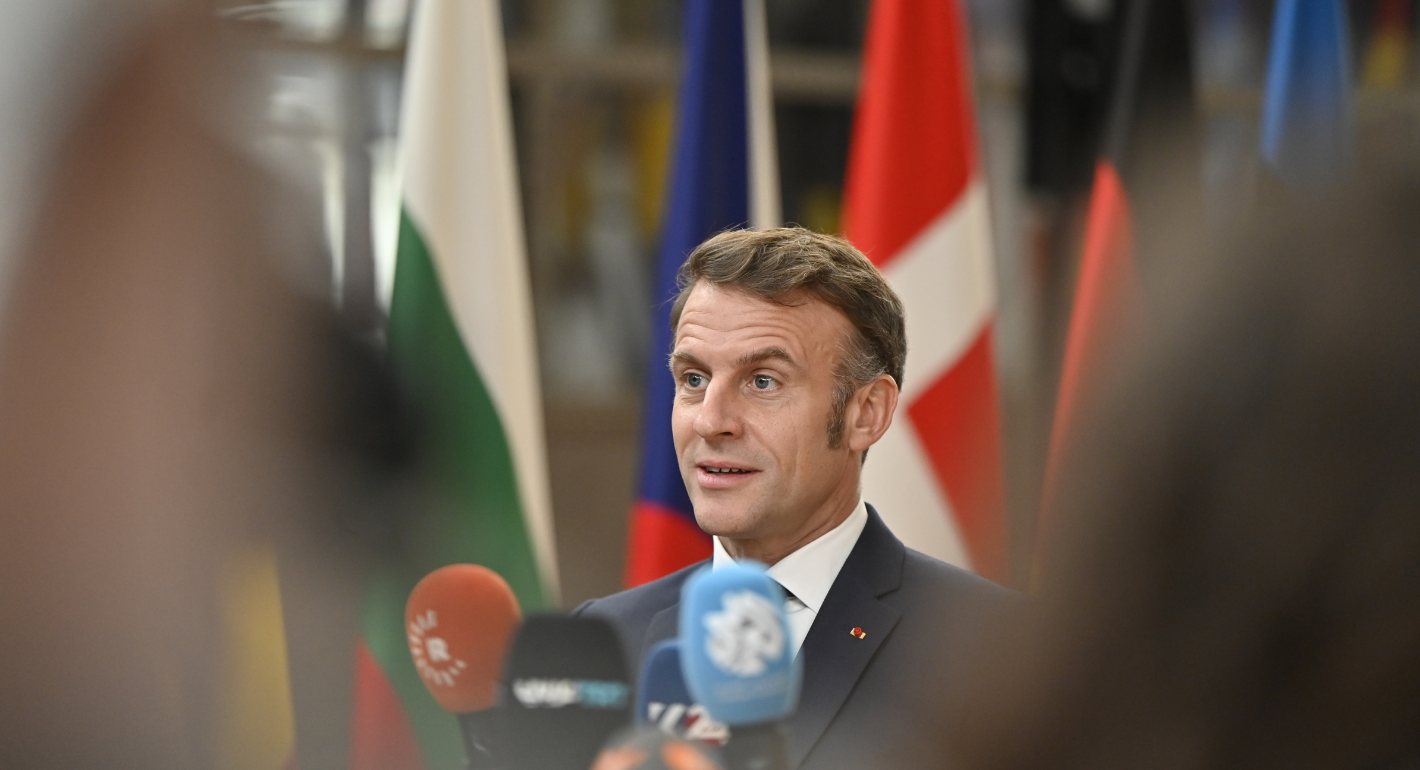
France has stopped clinging to notions of being a great power and is embracing the middle power moment. But Emmanuel Macron has his work cut out if he is to secure his country’s global standing before his term in office ends.

Rym Momtaz

Despite offering security benefits to candidates and the EU alike, the enlargement agenda appears stalled. Why is progress not being made, and is it time for Europe to rethink its approach?
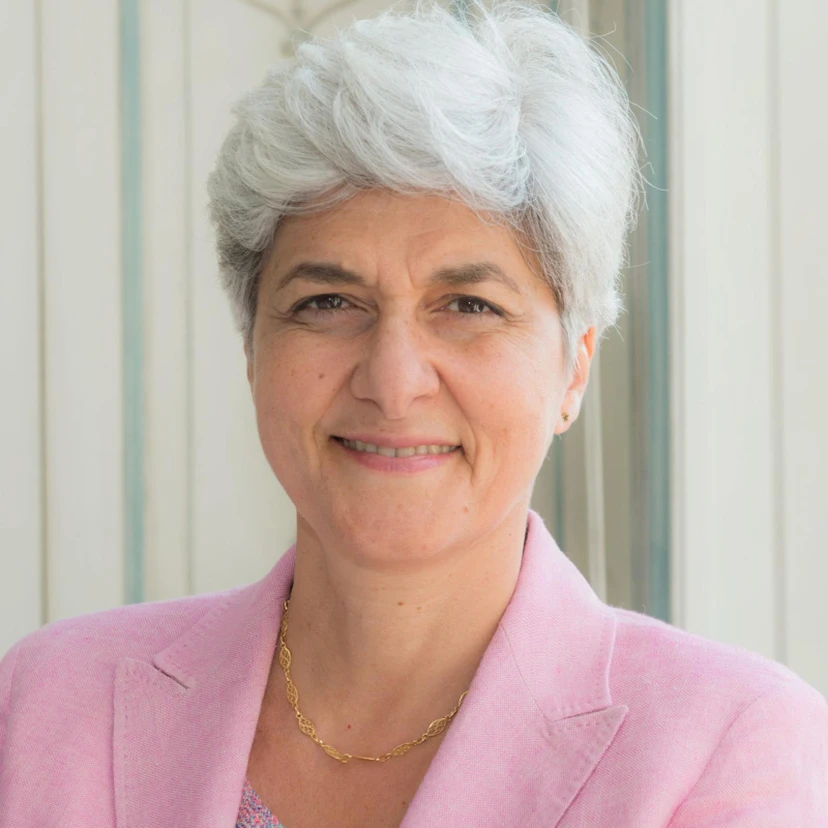
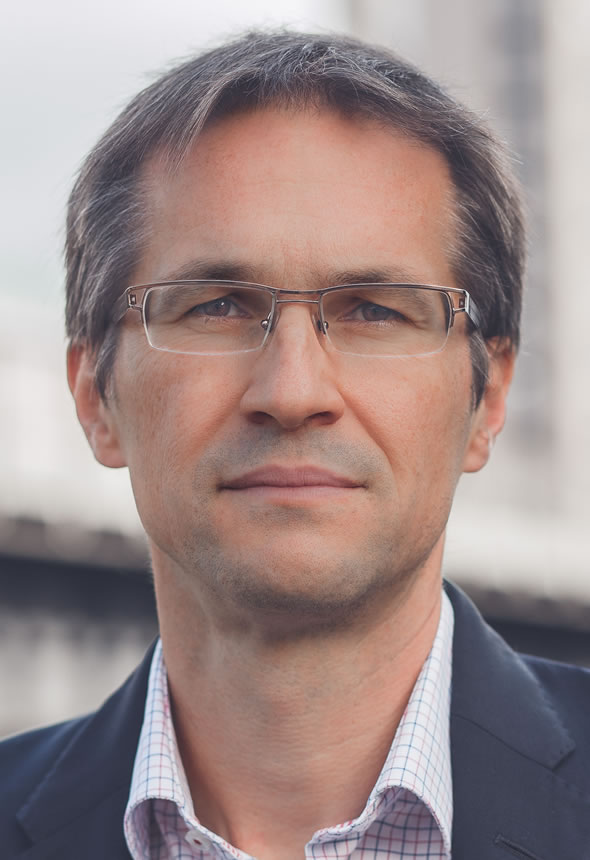
Sylvie Goulard, Gerald Knaus
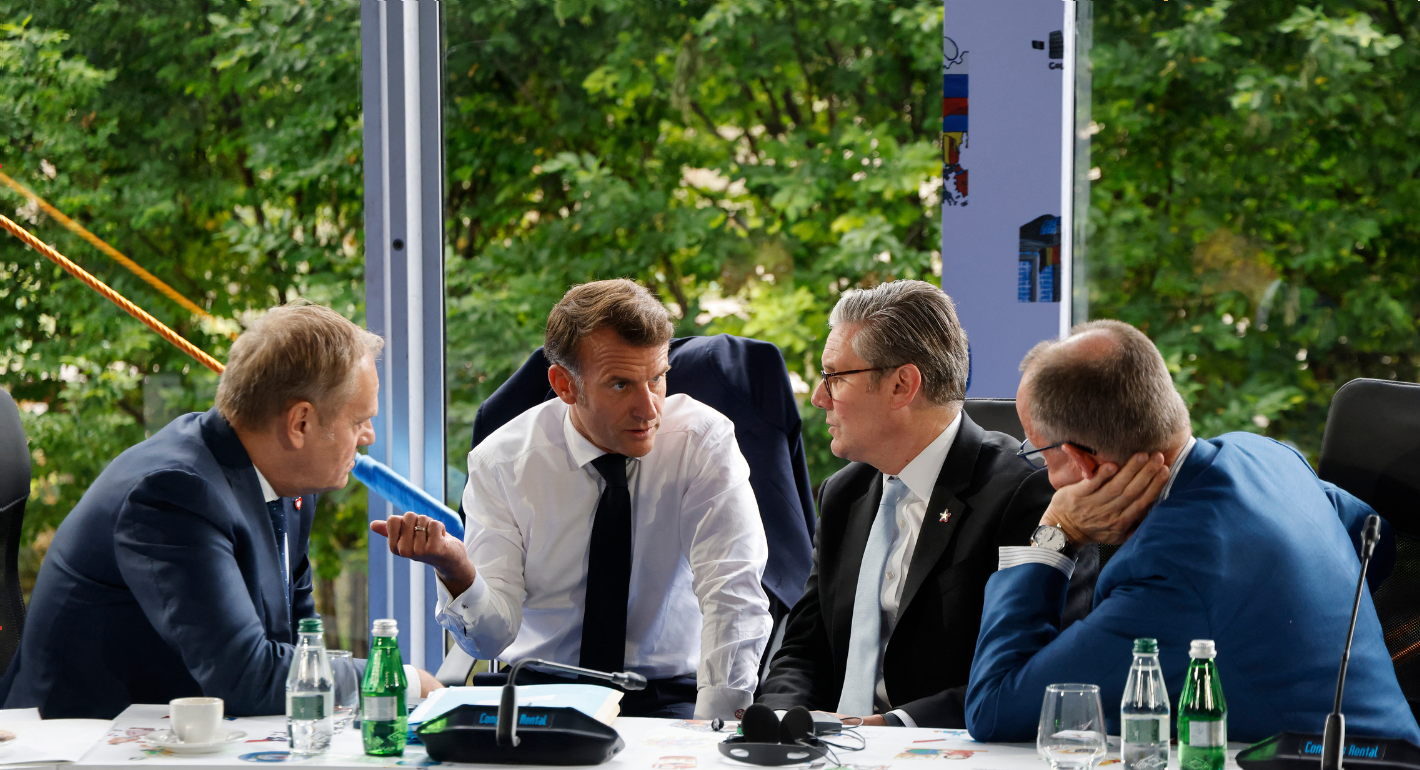
Leaning into a multispeed Europe that includes the UK is the way Europeans don’t get relegated to suffering what they must, while the mighty United States and China do what they want.
Rym Momtaz
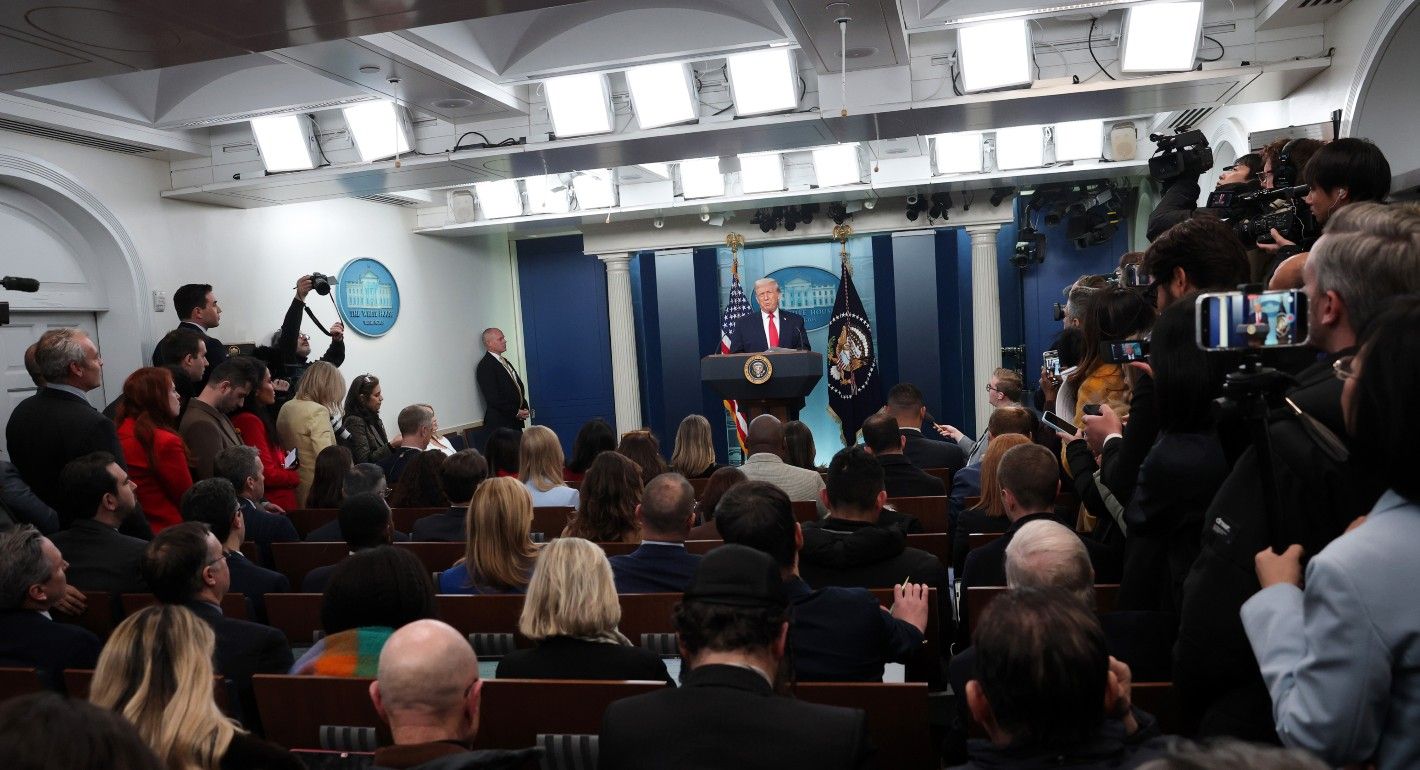
Carnegie scholars examine the crucial elements of a document that’s radically different than its predecessors.



James M. Acton, Saskia Brechenmacher, Cecily Brewer, …