

Report
- +3
James M. Acton, Alexey Arbatov, Vladimir Dvorkin, …
{
  "authors": [
    "Petr Topychkanov"
  ],
  "type": "legacyinthemedia",
  "centerAffiliationAll": "",
  "centers": [
    "Carnegie Endowment for International Peace",
    "Carnegie Russia Eurasia Center"
  ],
  "collections": [],
  "englishNewsletterAll": "",
  "nonEnglishNewsletterAll": "",
  "primaryCenter": "Carnegie Russia Eurasia Center",
  "programAffiliation": "",
  "programs": [],
  "projects": [
    "Eurasia in Transition"
  ],
  "regions": [],
  "topics": []
}
Source: Getty
The United States needs regional assistance, particular from Pakistan, to resolve the problems and challenges facing Afghanistan.
Source: Voice of Russia

It is impossible to believe that the United States can come to very risky policy toward Pakistan limiting cooperation, because as a result of this change the United States will lose control of the situation in this country, very important for the solution of the problem of Afghanistan and for the stability in the region.
We can see the game between the United States and Pakistan, and every side wants more benefits from this game and wants to use this game not only for developing relations with its partner, but also for benefits in the domestic policy. Now it is not a secret that the United States uses everything for drone attacks on the territory of Pakistan.
The United States cannot avoid development of relations, because it is impossible to solve the problem of Afghanistan without assistance from the Pakistani side.
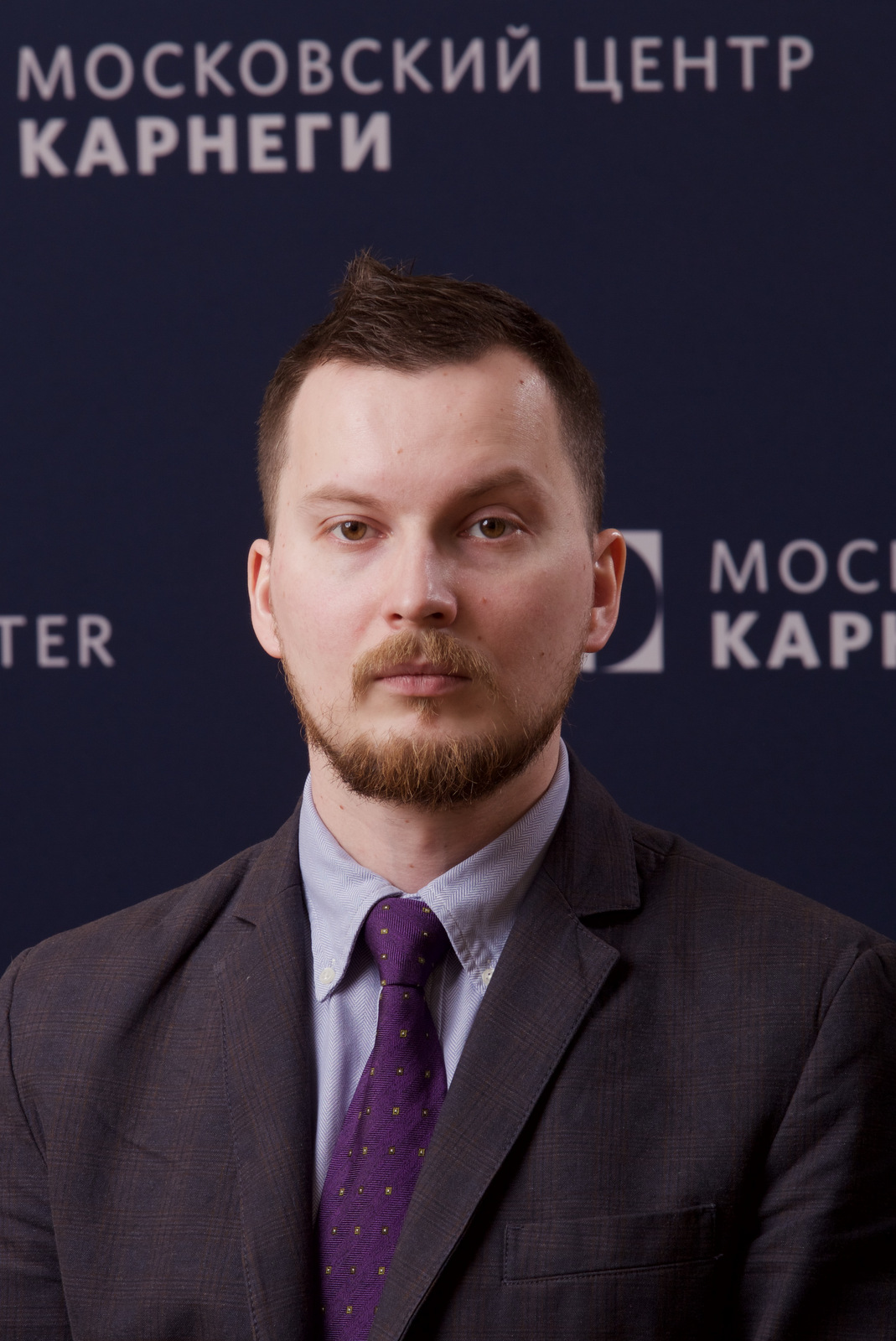
Former Fellow, Nonproliferation Program, Moscow Center
Topychkanov was a fellow in the Carnegie Moscow Center’s Nonproliferation Program.
Recent Work


James M. Acton, Alexey Arbatov, Vladimir Dvorkin, …
Petr Topychkanov
Carnegie does not take institutional positions on public policy issues; the views represented herein are those of the author(s) and do not necessarily reflect the views of Carnegie, its staff, or its trustees.