• Research
  • Strategic Europe
  • About
  • Experts
Carnegie Europe logoCarnegie lettermark logo
EUNATO
  • Donate
{
  "authors": [
    "Togzhan Kassenova"
  ],
  "type": "legacyinthemedia",
  "centerAffiliationAll": "dc",
  "centers": [
    "Carnegie Endowment for International Peace"
  ],
  "collections": [],
  "englishNewsletterAll": "ctw",
  "nonEnglishNewsletterAll": "",
  "primaryCenter": "Carnegie Endowment for International Peace",
  "programAffiliation": "NPP",
  "programs": [
    "Nuclear Policy"
  ],
  "projects": [],
  "regions": [
    "East Asia",
    "Taiwan"
  ],
  "topics": [
    "Nuclear Policy",
    "Nuclear Energy"
  ]
}
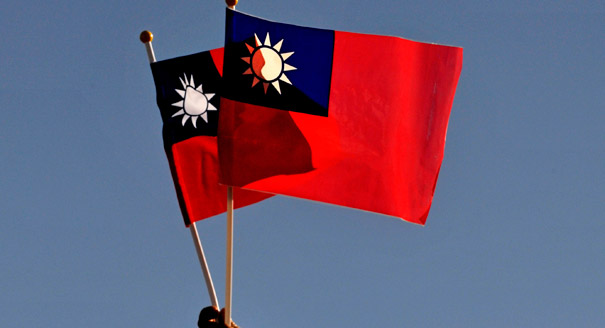
Source: Getty

In The Media

A Black Hole in the Global Nonproliferation Regime: The Case of Taiwan

Taiwan is effectively a legal black hole in the realm of nonproliferation cooperation. The international community needs to find a way to ensure a sustainable commitment to nonproliferation by those, like Taiwan, who are outside the international system.

Link Copied
By Togzhan Kassenova
Published on Sep 8, 2011

Source: Nautilus Institute for Security and Sustainability

A Black Hole in the Global Nonproliferation RegimeTaiwan occupies a unique niche in the world community that necessitates enhanced participation in the global nonproliferation regime. It is one of the world’s key suppliers and consumers of high-tech, dual-use goods and technology. It has a reasonably-advanced nuclear energy program that further increases the flow of sensitive materials and technology. The island is located at the intersection of the world’s major sea-lanes, making it a major transit and transshipment hub. Most critically, there have been attempts (some of which succeeded) to smuggle WMD-sensitive goods out of Taiwan, as well as across its territory.  

Despite the critical security concerns arising as a result of these factors, Taiwan is effectively a legal and political ‘black hole’ in the realm of international nonproliferation cooperation. This is due to its ‘non-state’ status, which prevents it from participating in multilateral nonproliferation treaties and export control regimes, and limits its access to information and intelligence sharing from national and international security agencies. In spite of these challenges, Taiwan demonstrates a relatively strong commitment to upholding the principles and objectives of the global nonproliferation regime. However, given the importance of the issue, the international community cannot afford to remain complacent in addressing a key question: how to ensure a sustainable commitment to nonproliferation by an “outsider” to the international system?

About the Author

Togzhan Kassenova
Togzhan Kassenova

Nonresident Fellow, Nuclear Policy Program

Kassenova is a nonresident fellow in the Nuclear Policy Program at the Carnegie Endowment.

    Recent Work

  • Commentary
    How Kazakhstan Fought Back Against Soviet Nuclear Tests
      • Togzhan Kassenova

      Togzhan Kassenova

  • Report
    Perspectives on the Evolving Nuclear Order
      • Togzhan Kassenova

      Toby Dalton, Togzhan Kassenova, Lauryn Williams

Togzhan Kassenova
Nonresident Fellow, Nuclear Policy Program
Togzhan Kassenova
Nuclear PolicyNuclear EnergyEast AsiaTaiwan

Carnegie does not take institutional positions on public policy issues; the views represented herein are those of the author(s) and do not necessarily reflect the views of Carnegie, its staff, or its trustees.

More Work from Carnegie Europe

  • Commentary
    Strategic Europe
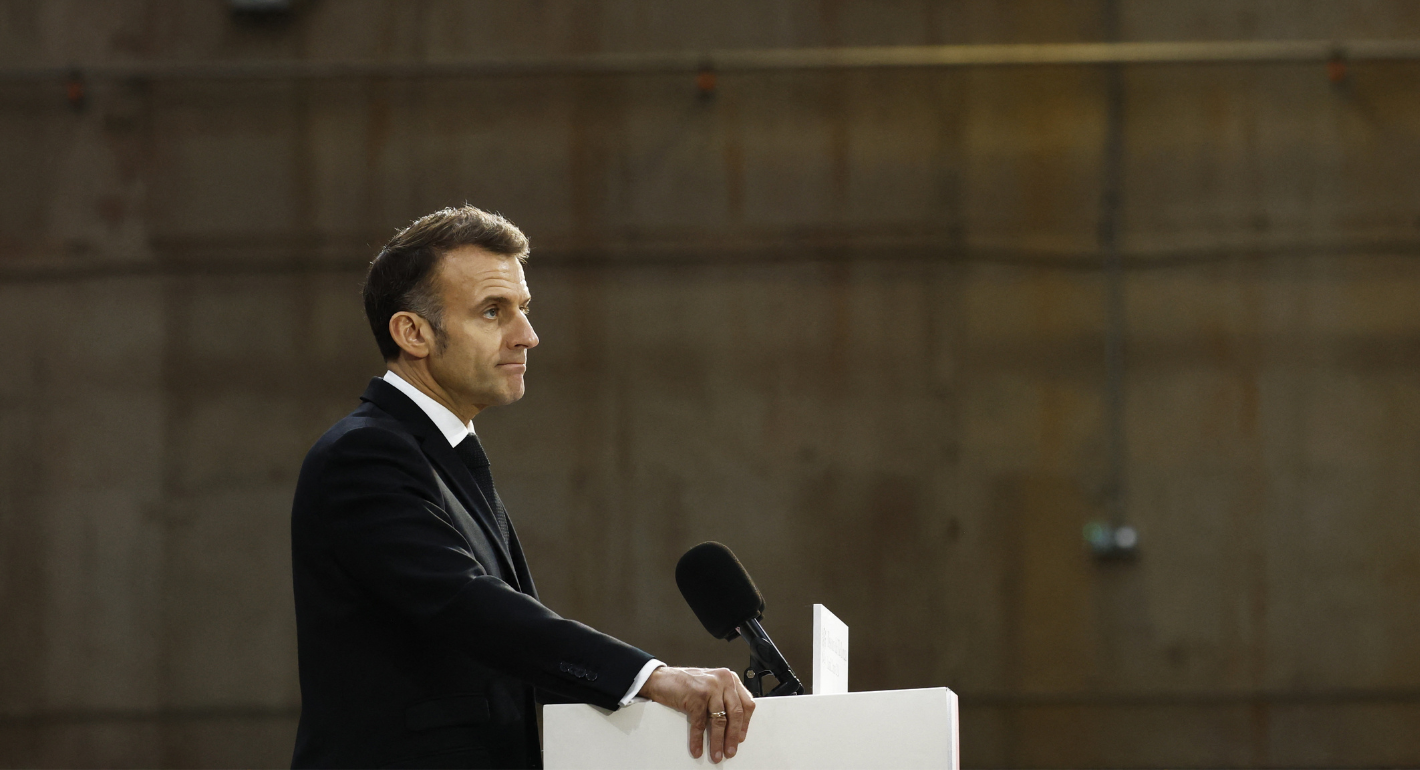
    Taking the Pulse: Is France’s New Nuclear Doctrine Ambitious Enough?

    French President Emmanuel Macron has unveiled his country’s new nuclear doctrine. Are the changes he has made enough to reassure France’s European partners in the current geopolitical context?

      • Rym Momtaz

      Rym Momtaz, ed.

  • Commentary
    Strategic Europe
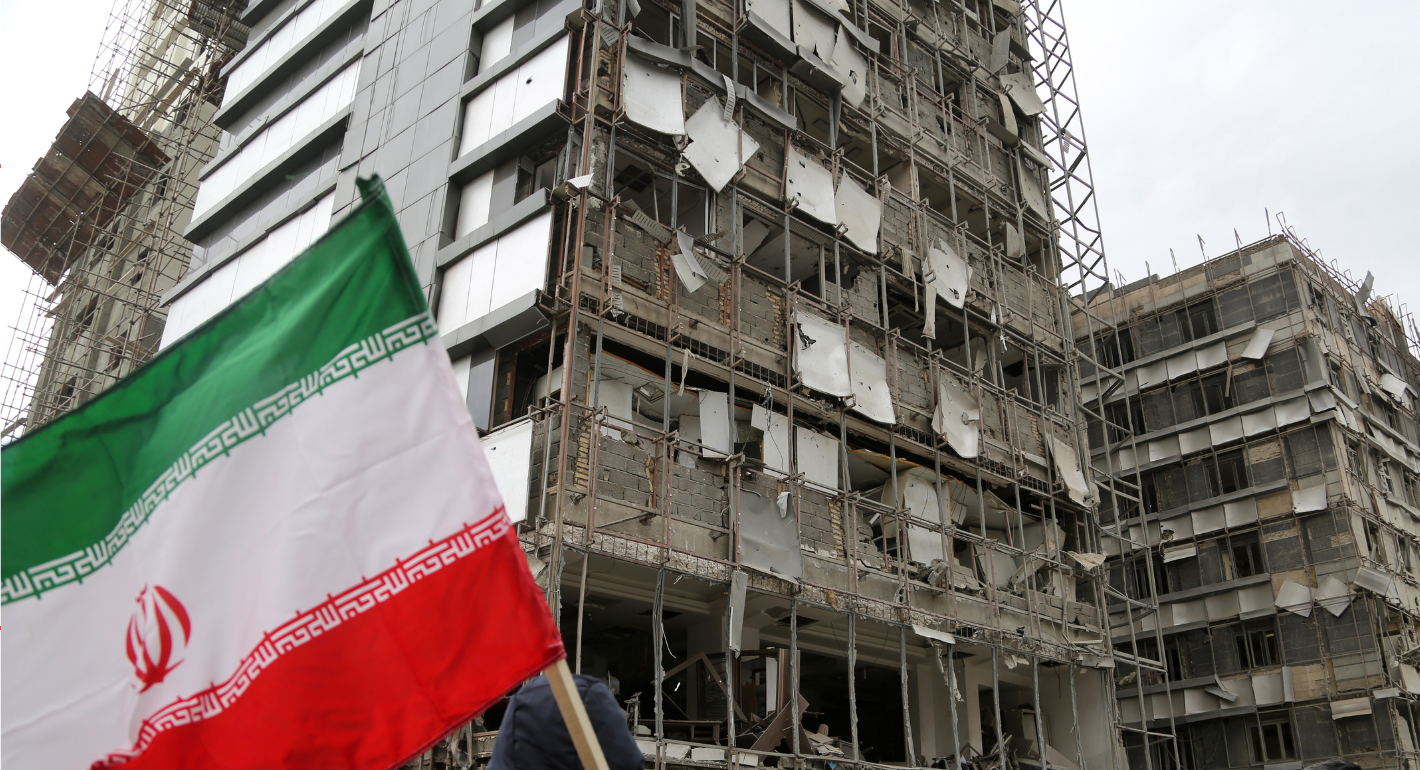
    Europe on Iran: Gone with the Wind

    Europe’s reaction to the war in Iran has been disunited and meek, a far cry from its previously leading role in diplomacy with Tehran. To avoid being condemned to the sidelines while escalation continues, Brussels needs to stand up for international law.

      Pierre Vimont
  • Commentary
    Strategic Europe
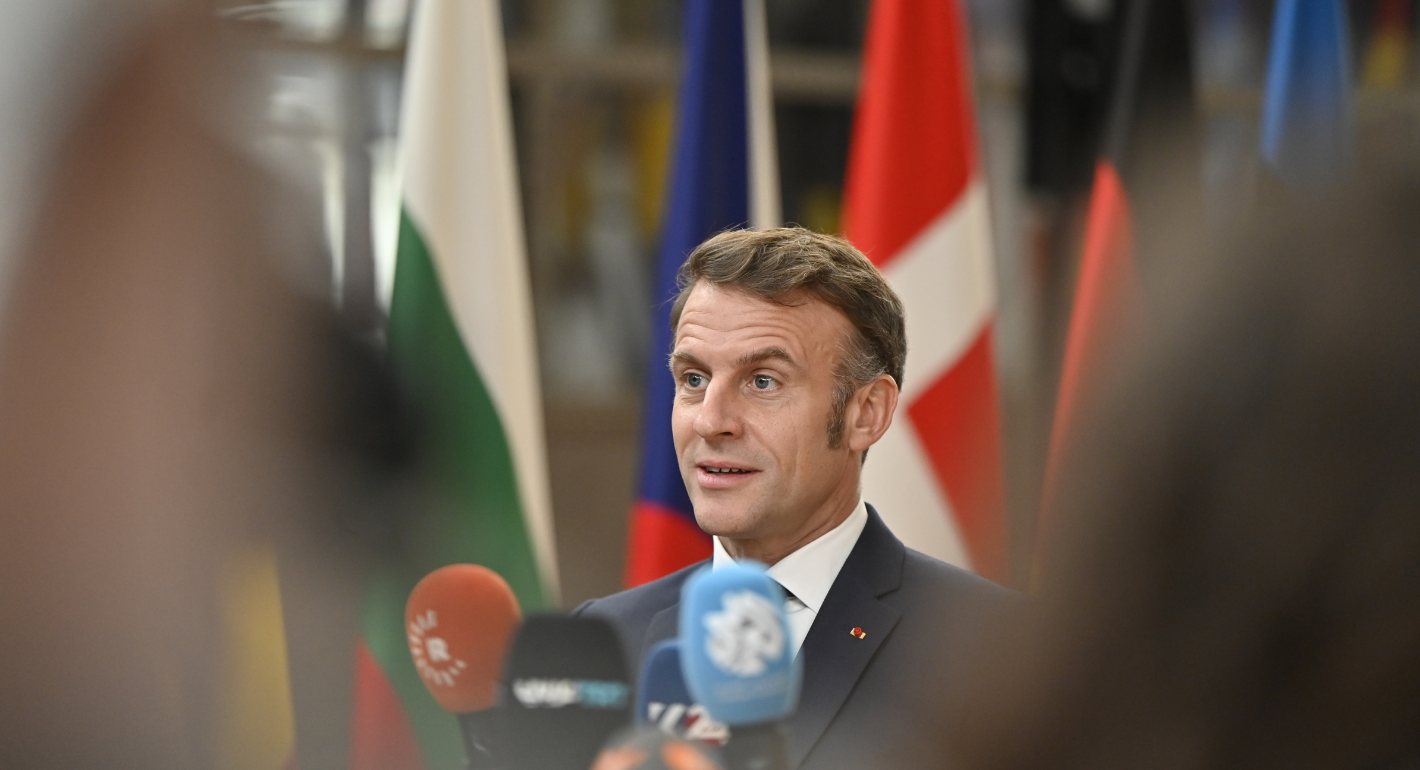
    Macron Makes France a Great Middle Power

    France has stopped clinging to notions of being a great power and is embracing the middle power moment. But Emmanuel Macron has his work cut out if he is to secure his country’s global standing before his term in office ends.

      • Rym Momtaz

      Rym Momtaz

  • Commentary
    Can Europe Trust the United States Again?

    In Donald Trump’s second term in office, the transatlantic relationship that helped define the postwar European project and global order appears broken. Is it time for Brussels to chart its own path?

      Nathalie Tocci, Jan Techau

  • Commentary
    Strategic Europe
    Unpacking Europe’s Deterrence Dilemmas

    The debate on the future of European deterrence has intensified, as NATO allies seek to balance three key aims. Going forward, they will need to cooperate more deeply to craft a coherent strategy for confronting new threats.

      Sophia Besch, Jamie Kwong

Get more news and analysis from
Carnegie Europe
Carnegie Europe logo, white
Rue du Congrès, 151000 Brussels, Belgium
  • Research
  • Strategic Europe
  • About
  • Experts
  • Projects
  • Events
  • Contact
  • Careers
  • Privacy
  • For Media
  • Gender Equality Plan
Get more news and analysis from
Carnegie Europe
© 2026 Carnegie Endowment for International Peace. All rights reserved.