• Research
  • Strategic Europe
  • About
  • Experts
Carnegie Europe logoCarnegie lettermark logo
EUUkraine
  • Donate
{
  "authors": [
    "Dmitri Trenin",
    "Feng Shaolei"
  ],
  "type": "legacyinthemedia",
  "centerAffiliationAll": "",
  "centers": [
    "Carnegie Endowment for International Peace",
    "Carnegie China",
    "Carnegie Russia Eurasia Center"
  ],
  "collections": [
    "China’s Foreign Relations"
  ],
  "englishNewsletterAll": "",
  "nonEnglishNewsletterAll": "",
  "primaryCenter": "Carnegie Russia Eurasia Center",
  "programAffiliation": "",
  "programs": [],
  "projects": [
    "Eurasia in Transition"
  ],
  "regions": [],
  "topics": [
    "Economy"
  ]
}

Source: Getty

In The Media
Carnegie Russia Eurasia Center

Russian Prime Minister Visits China

The balance in Sino-Russian economic relations has shifted heavily in favor of the Chinese, and Moscow’s long-term strategy toward China will likely seek to make their relationship more equal.

Link Copied
By Dmitri Trenin and Feng Shaolei
Published on Oct 13, 2011
Project hero Image

Project

Eurasia in Transition

Learn More

Source: China Radio International's People In the Know

On the China Radio International, Carnegie Moscow Center’s Dmitri Trenin spoke about Russian Prime Minister Vladimir Putin’s trip to China in the context of evolving Sino-Russian relations. He was joined by Feng Shaolei, director of the Center for Russian Studies at East China Normal University.
 
Trenin pointed out that over the last several decades, the economic balance between the two nations has shifted heavily in favor of the Chinese. Whereas Russia was once an exporter of technology and machinery to its Asian neighbor, now the tables have turned, with Russian exports consisting mostly of raw materials. This worries Moscow, Trenin said. Indeed, as China invests in Russia’s Far East, Trenin posited that the Kremlin will be weary of “overexposure” to Chinese labor and investment, reluctant to leave itself vulnerable. Trenin argued that Moscow’s long-term strategy toward China will likely seek to make their relationship more equal.

Trenin recognized that China is an important economic and political partner for Russia, but Moscow is also seeking other partners in the region. While China, for example, is the key energy consumer in the region, Russia would benefit greatly from diversifying its energy exports to other major economies such as Japan and South Korea. All in all, Trenin assessed the relationship as good, but not exactly where the Russians would like it.

Authors

Dmitri Trenin
Former Director, Carnegie Moscow Center
Feng Shaolei
Economy

Carnegie does not take institutional positions on public policy issues; the views represented herein are those of the author(s) and do not necessarily reflect the views of Carnegie, its staff, or its trustees.

More Work from Carnegie Europe

  • Commentary
    Strategic Europe
    Taking the Pulse: Can the EU Attract Foreign Investment and Reduce Dependencies?

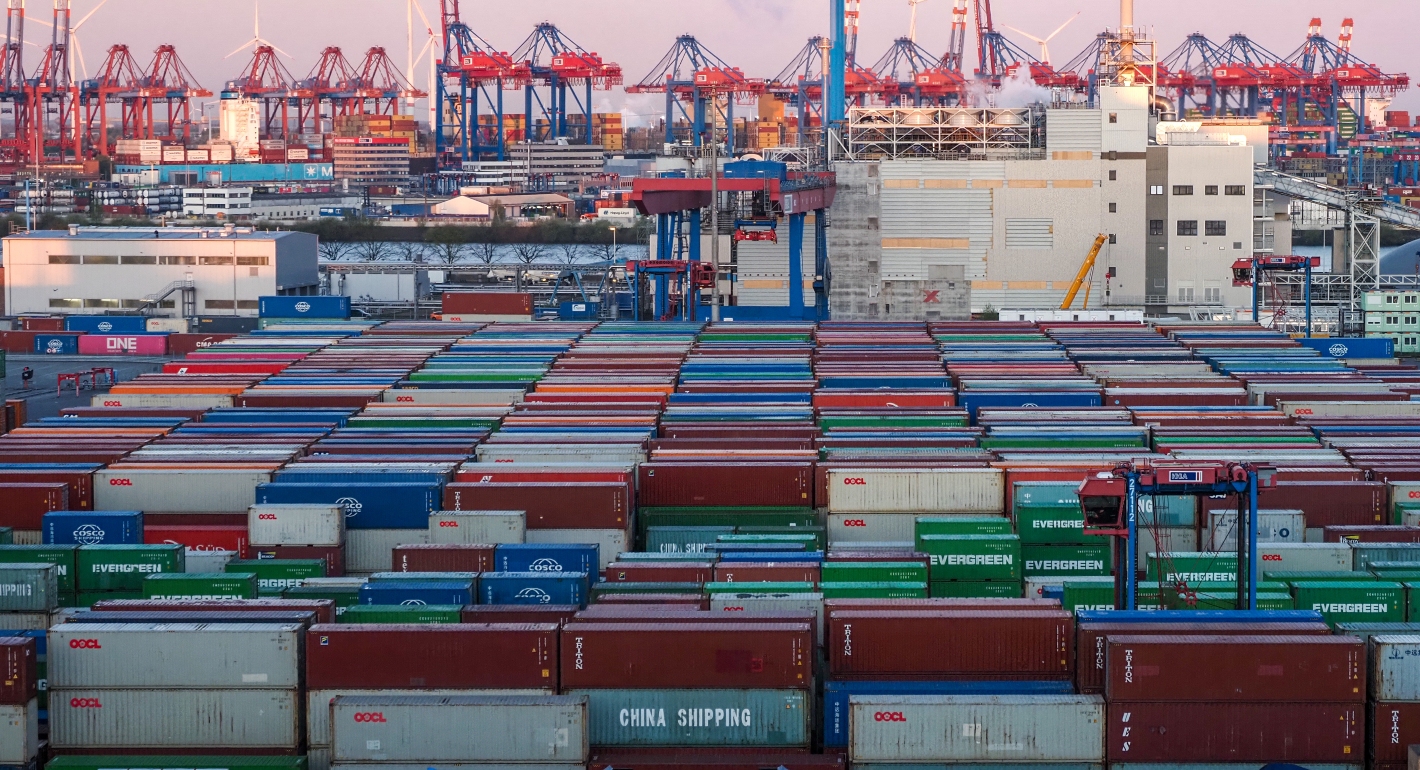
    EU member states clash over how to boost the union’s competitiveness: Some want to favor European industries in public procurement, while others worry this could deter foreign investment. So, can the EU simultaneously attract global capital and reduce dependencies?

      • Rym Momtaz

      Rym Momtaz, ed.

  • Commentary
    Strategic Europe
    Europe Falls Behind in the South Caucasus Connectivity Race

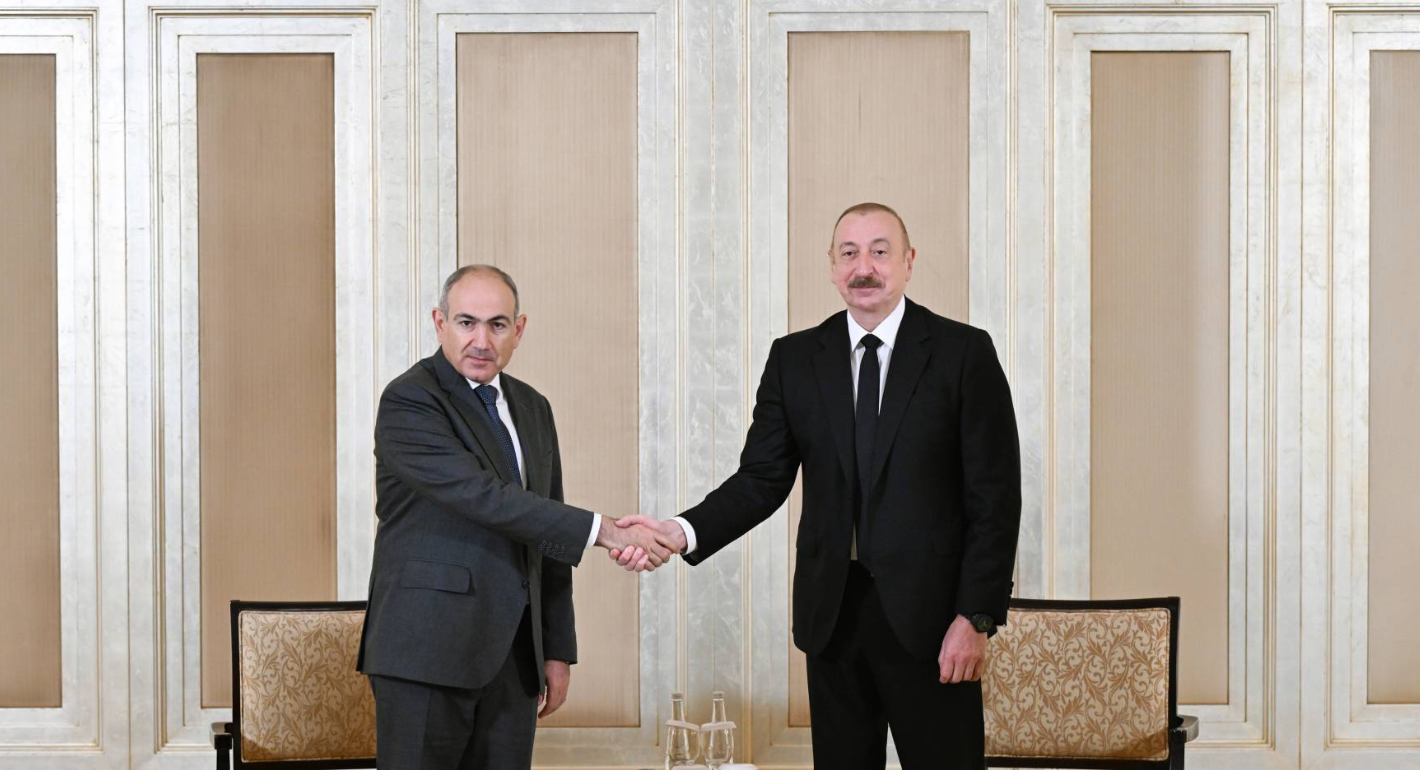
    The EU lacks leadership and strategic planning in the South Caucasus, while the United States is leading the charge. To secure its geopolitical interests, Brussels must invest in new connectivity for the region.

      Zaur Shiriyev

  • Commentary
    Strategic Europe
    The EU and India in Tandem

    As European leadership prepares for the sixteenth EU-India Summit, both sides must reckon with trade-offs in order to secure a mutually beneficial Free Trade Agreement.

      Dinakar Peri

  • Commentary
    Strategic Europe
    Taking the Pulse: Is the EU Too Weak to Be a Global Player?

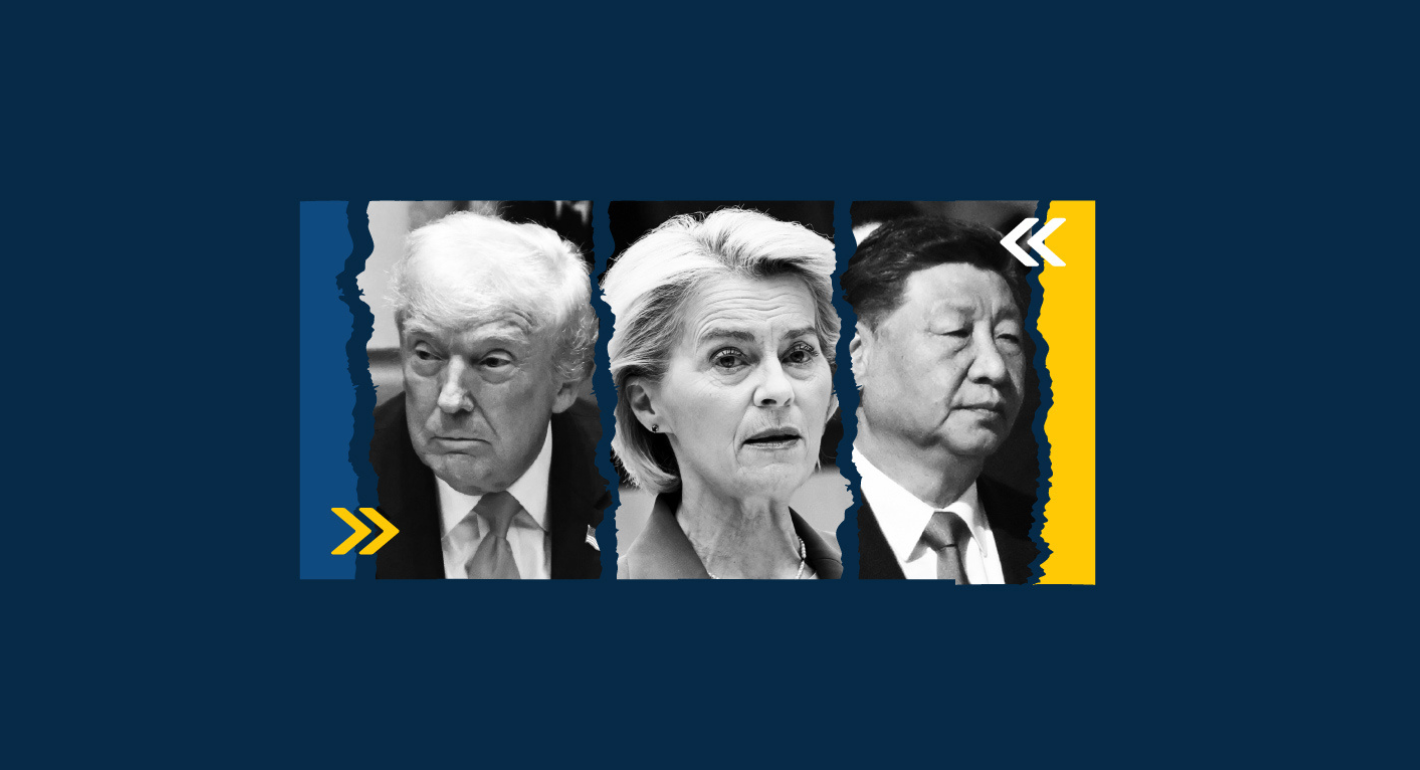
    Beset by an increasingly hostile United States, internal divisions, and the threat of Russian aggression, the EU finds itself in a make-or-break moment. U.S. President Donald Trump calls it a decaying group of nations headed by weak leaders. Is Europe able to prove him wrong?

      Thomas de Waal

  • Commentary
    Strategic Europe
    Taking the Pulse: Are Europe’s New Asylum Policies a Betrayal of its Values?

    Hard-line approaches to asylum policy are increasingly common, with crackdowns proposed even by parties that traditionally hold liberal views on migration. Does this shift represent a break with Europe’s fundamental values?

      Thomas de Waal

Get more news and analysis from
Carnegie Europe
Carnegie Europe logo, white
Rue du Congrès, 151000 Brussels, Belgium
  • Research
  • Strategic Europe
  • About
  • Experts
  • Projects
  • Events
  • Contact
  • Careers
  • Privacy
  • For Media
  • Gender Equality Plan
Get more news and analysis from
Carnegie Europe
© 2026 Carnegie Endowment for International Peace. All rights reserved.