• Research
  • Strategic Europe
  • About
  • Experts
Carnegie Europe logoCarnegie lettermark logo
EUUkraine
  • Donate
{
  "authors": [
    "Petr Topychkanov"
  ],
  "type": "legacyinthemedia",
  "centerAffiliationAll": "",
  "centers": [
    "Carnegie Endowment for International Peace",
    "Carnegie Russia Eurasia Center"
  ],
  "collections": [],
  "englishNewsletterAll": "",
  "nonEnglishNewsletterAll": "",
  "primaryCenter": "Carnegie Russia Eurasia Center",
  "programAffiliation": "",
  "programs": [],
  "projects": [
    "Eurasia in Transition"
  ],
  "regions": [],
  "topics": []
}

Source: Getty

In The Media
Carnegie Russia Eurasia Center

Italy and Germany Call on the UN Security Council to Respond to Violence in Syria

The situation in Syria is unlikely to improve in the near future. It is increasingly likely that the violent domestic unrest can only be resolved through a regime change.

Link Copied
By Petr Topychkanov
Published on Nov 22, 2011
Project hero Image

Project

Eurasia in Transition

Learn More

Source: Voice of Russia's Inside View

Speaking on Voice of Russia, Carnegie Moscow Center's Peter Topychkanov discussed the ongoing clashes between opposition supporters and government troops in Syria in light of Italy and Germany’s call for a response from the UN Security Council.

According to Topychkanov, the future of the Syrian opposition movement is “difficult to predict” but he warned that it is possible the situation will escalate into civil war. He argued that there are two factors hindering the current opposition—the lack of political leadership and the external influence of Iran.

The Arab League’s decision to suspend Syrian membership was a mistake, Topychkanov added, because it cut off a crucial platform for discussion and negotiation with the Assad regime. He also noted that for NATO, the Syria situation is a more challenging case than that of Libya because of the strong Syrian defenses and indirect participation of Iran in the region.

The worst of the crisis is not over, concluded Topychkanov, and the unrest inside the country will only be resolved with regime change and the end of violent internal conflicts.
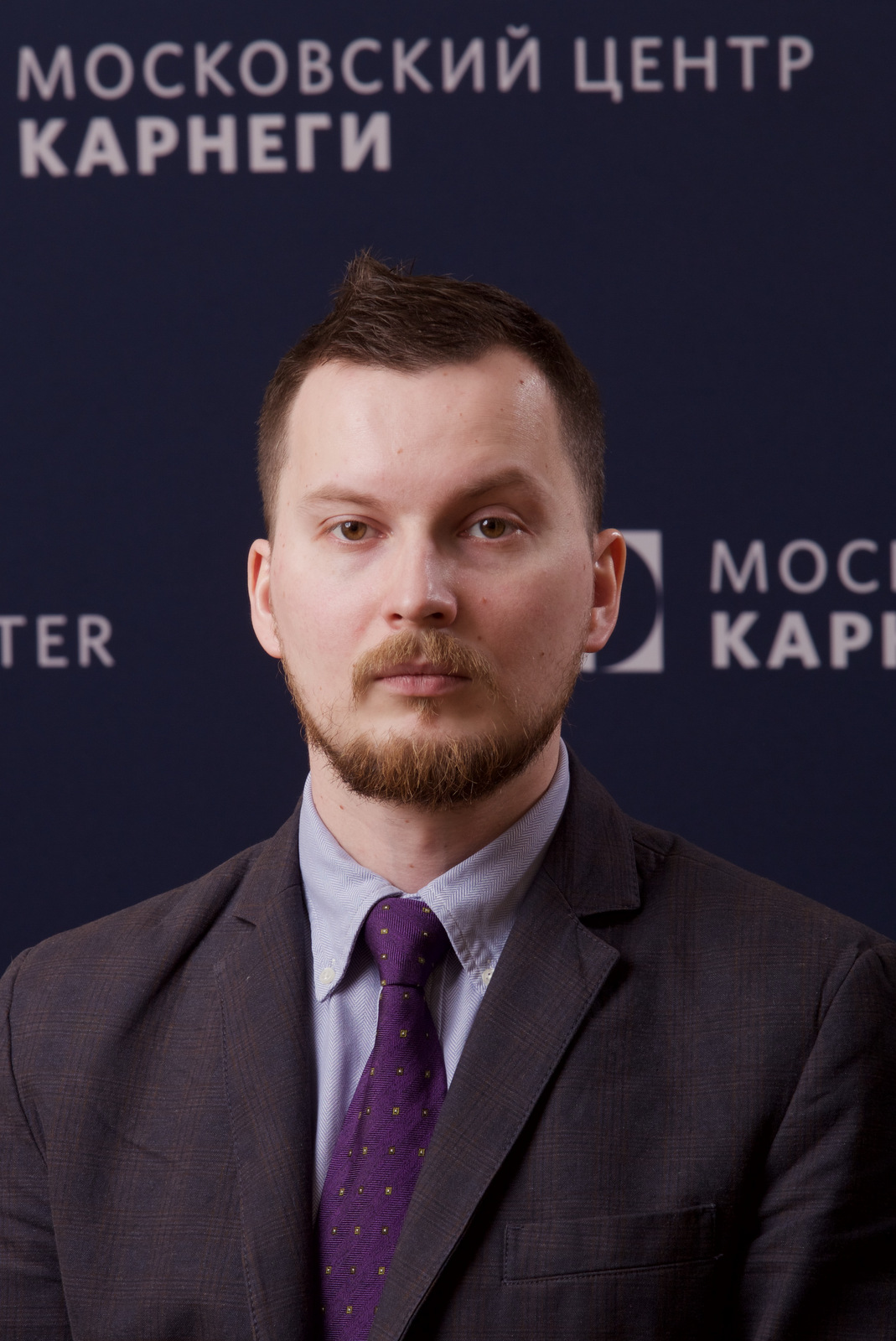
Petr Topychkanov
Former Fellow, Nonproliferation Program, Moscow Center
Petr Topychkanov

Carnegie does not take institutional positions on public policy issues; the views represented herein are those of the author(s) and do not necessarily reflect the views of Carnegie, its staff, or its trustees.

More Work from Carnegie Europe

  • Commentary
    Strategic Europe
    How Europe Can Survive the AI Labor Transition

    Integrating AI into the workplace will increase job insecurity, fundamentally reshaping labor markets. To anticipate and manage this transition, the EU must build public trust, provide training infrastructures, and establish social protections.

      Amanda Coakley

  • Commentary
    Strategic Europe
    Can Europe Still Matter in Syria?

    Europe’s interests in Syria extend beyond migration management, yet the EU trails behind other players in the country’s post-Assad reconstruction. To boost its influence in Damascus, the union must upgrade its commitment to ensuring regional stability.

      Bianka Speidl, Hanga Horváth-Sántha

  • EU democracy support policies
    Paper
    European Democracy Support Annual Review 2025

    European democracy support strategy in 2025 prioritized protecting democratic norms within Europe. This signals the start of a structural recalibration of the EU’s approach to democracy support.

      • Elena-Viudes-Egea
      • +6

      Richard Youngs, ed., Elena Viudes Egea, Zselyke Csaky, …

  • Commentary
    Strategic Europe
    Taking the Pulse: Can the EU Attract Foreign Investment and Reduce Dependencies?

    EU member states clash over how to boost the union’s competitiveness: Some want to favor European industries in public procurement, while others worry this could deter foreign investment. So, can the EU simultaneously attract global capital and reduce dependencies?

      • Rym Momtaz

      Rym Momtaz, ed.

  • Article
    What Can the EU Do About Trump 2.0?

    Europe’s policy of subservience to the Trump administration has failed. For Washington to take the EU seriously, its leaders now need to combine engagement with robust pushback.

      Stefan Lehne

Get more news and analysis from
Carnegie Europe
Carnegie Europe logo, white
Rue du Congrès, 151000 Brussels, Belgium
  • Research
  • Strategic Europe
  • About
  • Experts
  • Projects
  • Events
  • Contact
  • Careers
  • Privacy
  • For Media
  • Gender Equality Plan
Get more news and analysis from
Carnegie Europe
© 2026 Carnegie Endowment for International Peace. All rights reserved.