

Paper
Matthew Rojansky
{
  "authors": [
    "Matthew Rojansky"
  ],
  "type": "legacyinthemedia",
  "centerAffiliationAll": "dc",
  "centers": [
    "Carnegie Endowment for International Peace",
    "Carnegie Russia Eurasia Center"
  ],
  "collections": [],
  "englishNewsletterAll": "ctw",
  "nonEnglishNewsletterAll": "",
  "primaryCenter": "Carnegie Endowment for International Peace",
  "programAffiliation": "russia",
  "programs": [
    "Russia and Eurasia"
  ],
  "projects": [],
  "regions": [
    "Eastern Europe",
    "Moldova"
  ],
  "topics": []
}
Source: Getty
The election of a young reformer to the presidency in the breakaway region of Transnistria is a triumph for democracy, but it does not signal an irrevocable turn towards the West.
Source: World Politics Review

But it is worth taking note, not only because Shevchuk is a young reformer in a part of the world groaning under entrenched oligarchies, but also because his successful campaign offers a larger lesson at a time when popular democratic movements are shaking the foundations of governments worldwide.
The good news is that if democracy can triumph in Transnistria -- where a stylized Lenin stands watch over the presidential offices, the hammer and sickle adorn the official seal and Russian Prime Minister Vladimir Putin is a local hero -- it can do so anywhere. This sliver of Dniester River frontage sandwiched between Moldova and Ukraine is one of Europe’s poorest regions, and it is still recovering from the bloody fighting and social upheaval that accompanied its secession from Moldova after the collapse of the Soviet Union. Yet when Transnistrians cast their ballots, they made a conscious choice in favor of reform, transparency and accountability over the old ways of stagnation, cronyism and intimidation.
Now here’s the bad news: Lenin, Putin and the Soviet symbols aren’t going anywhere. Transnistria is still a huge thorn in Moldova’s side, since the region’s unresolved status effectively blocks Moldova’s European Union membership prospects. It is also a bone of contention between Russia, which maintains some 1,500 troops there, and NATO, which insists on their withdrawal. Democracy or no, Transnistrians still think of themselves essentially as heirs of the Russian Empire and the Soviet Union, even though both are long gone and Moscow is more than 600 miles away.
That is why what has happened in Transnistria actually matters to the rest of the world. It is a reminder that for the voters who elected Shevchuk, getting more from their government is not the same thing as getting closer to the West. For them, the rise of democracy is not the first step in embracing a “Western model” of development. So it is no surprise that Shevchuk has already put reunification with Moldova squarely out of bounds, citing a 2006 referendum in which 97 percent of Transnistrians endorsed independence and association with Russia.
Western commentators and policymakers too often forget that when people in other parts of the world choose democracy, they are not necessarily signing up for membership in a Western club. As the euphoric narrative of the Arab Spring has taken hold, many of its proponents have erroneously concluded that it is the beginning of the end of tension between the Arab world and the West. The same may be heard from those heralding the past month of protests across Russia as the final curtain call for Soviet nostalgia after a decade-long encore under Putin. Transnistria shows us why this attitude could not be more wrong.
As people rise up from Tahrir Square to Red Square, Transnistria should remind us that values and interests are not the same. The Arab Spring will be as much about Arab interests as democratic values. New governments in Libya, Tunisia and Egypt will unapologetically go their own way in the world, just as they will adapt democratic institutions to suit their own particular circumstances and needs. The same is true in Russia. In the unlikely event that Putin does not reclaim the presidency in 2012, the democratic opposition most likely to replace him is not the discredited Yeltsin-era liberals, but the likes of Alexei Navalny, the hard-boiled anti-corruption crusader turned nationalist rabble-rouser.
The lesson for the West should be to avoid confusing the rise of democratic values globally with the advancement of Western interests. It is perfectly possible that a transition to genuine and lasting democracy will occur in each of the societies now wrestling with popular protests or rebuilding state institutions hollowed out by years of kleptocratic dictatorship. But it is also certain that shared democratic values will not trump or negate conflicting national interests.
The West should congratulate societies that throw off dictators and offer them whatever help they need in completing transitions to democracy. But when it comes to trying to convert these good tidings into concrete policy change, economic concessions or revised geopolitical alignments, less is more.
Better governments in places like Transnistria, Russia or Libya should produce better governance for their people, including better foreign policy. That means that if the West has something concrete to offer, it is likely to be well-received. But if we offer only platitudes and proprietary notions about “Western” democracy, then democrats like Shevchuk may turn out to be our toughest adversaries yet.
Former Deputy Director, Russia and Eurasia Program
Rojansky, formerly executive director of the Partnership for a Secure America, is an expert on U.S. and Russian national security and nuclear-weapon policies.
Recent Work
Matthew Rojansky
Matthew Rojansky
Carnegie does not take institutional positions on public policy issues; the views represented herein are those of the author(s) and do not necessarily reflect the views of Carnegie, its staff, or its trustees.

Mounting economic strain and battlefield losses will not necessarily make the Kremlin less dangerous. They could instead push Moscow toward a more aggressive hybrid campaign designed to test NATO’s Eastern flank, exploit allied hesitation, and fracture European resolve.

Maksym Beznosiuk

As the EU confronts profound challenges, several leaders have called for fundamental reform to the union’s model—but only modest, superficial changes have resulted. What if Europe really could be reimagined from zero today: What should such a redesigned European order look like?

Richard Youngs, ed.
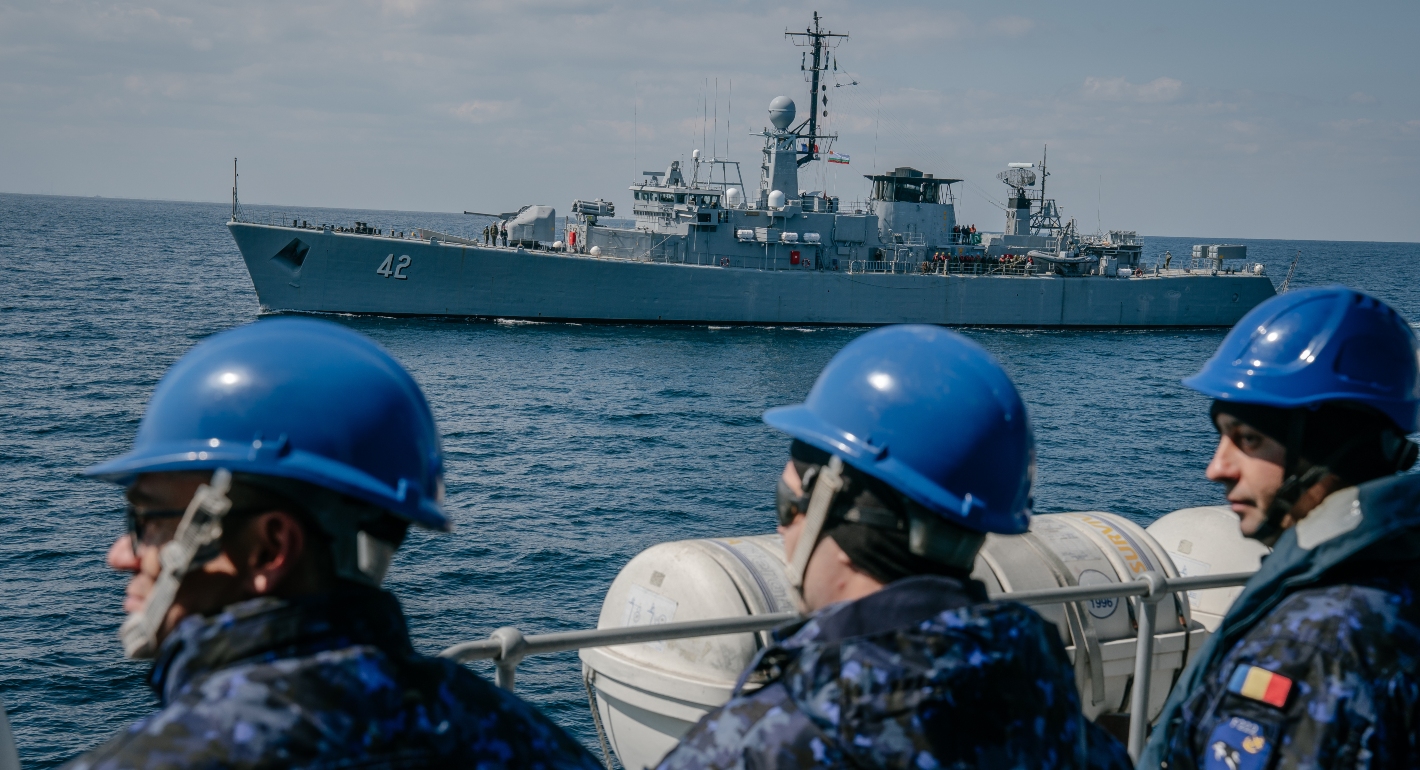
As Russia's war on Ukraine drags on, NATO is expanding its footprint in the Black Sea. Turkey, Romania, and Bulgaria are upgrading their fleets and deepening trilateral cooperation.

Dimitar Bechev
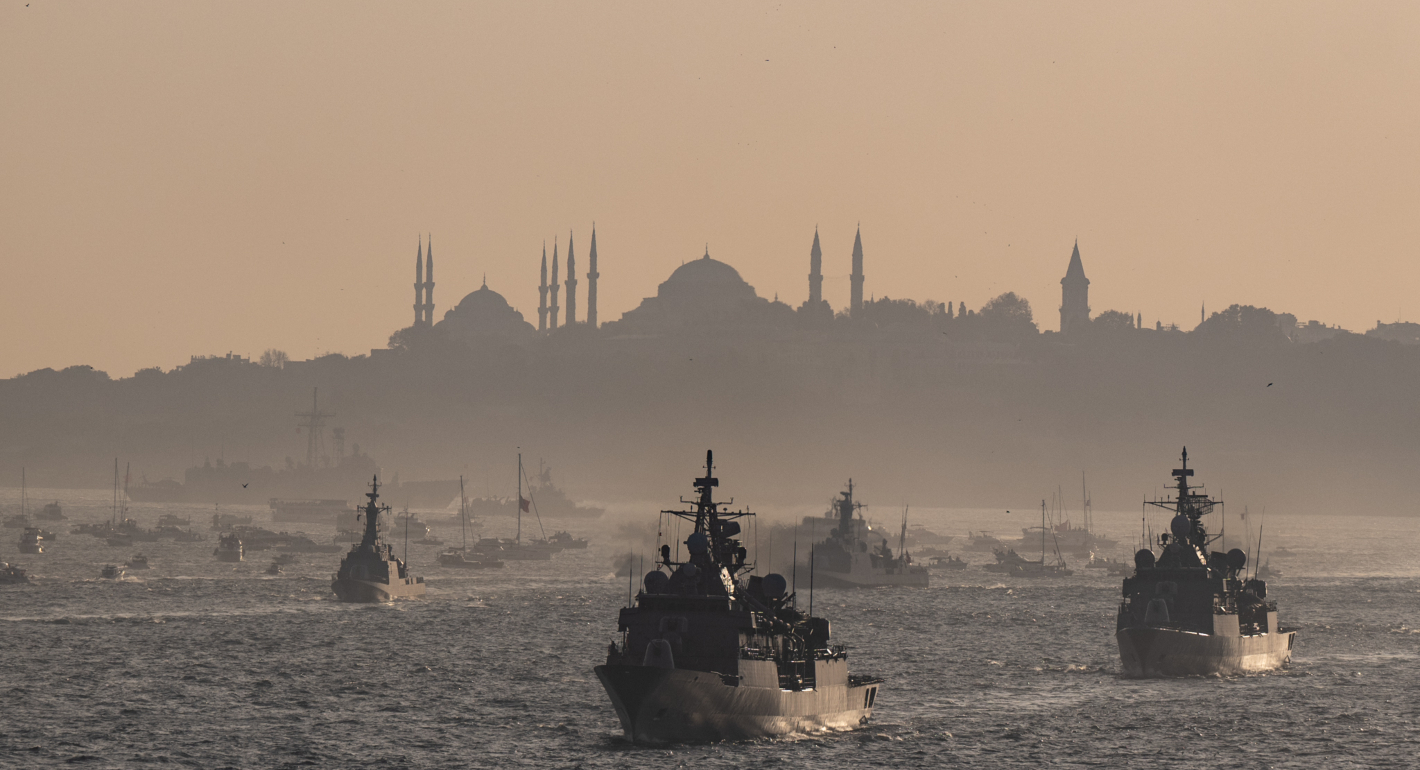
For ninety years, Turkey has been positioned as the principal gatekeeper of Black Sea security. As a result, European and NATO efforts to support Ukraine will require closer engagement with Ankara.

Thomas de Waal
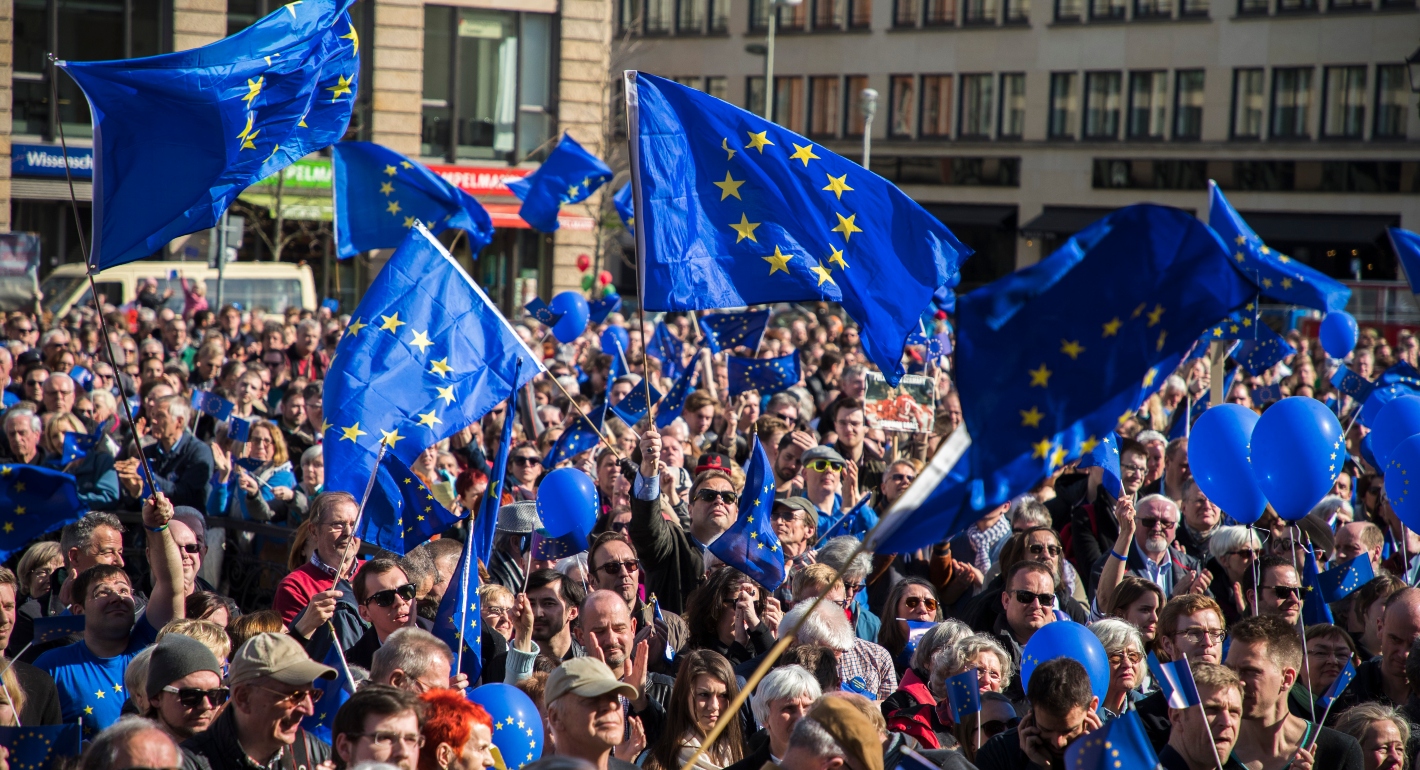
Preparing candidate countries for EU membership is no longer enough. As the enlargement process becomes a reality, the union must also prepare its own societies.

Iliriana Gjoni