
• Research
  • Strategic Europe
  • About
  • Experts
Carnegie Europe logoCarnegie lettermark logo
EUUkraine
  • Donate
{
  "authors": [
    "Kevin Jianjun Tu",
    "Adnan Vatansever"
  ],
  "type": "other",
  "centerAffiliationAll": "dc",
  "centers": [
    "Carnegie Endowment for International Peace"
  ],
  "collections": [],
  "englishNewsletterAll": "",
  "nonEnglishNewsletterAll": "",
  "primaryCenter": "Carnegie Endowment for International Peace",
  "programAffiliation": "SCP",
  "programs": [
    "Sustainability, Climate, and Geopolitics"
  ],
  "projects": [],
  "regions": [
    "East Asia",
    "China",
    "Caucasus",
    "Russia",
    "North America"
  ],
  "topics": [
    "Climate Change"
  ]
}

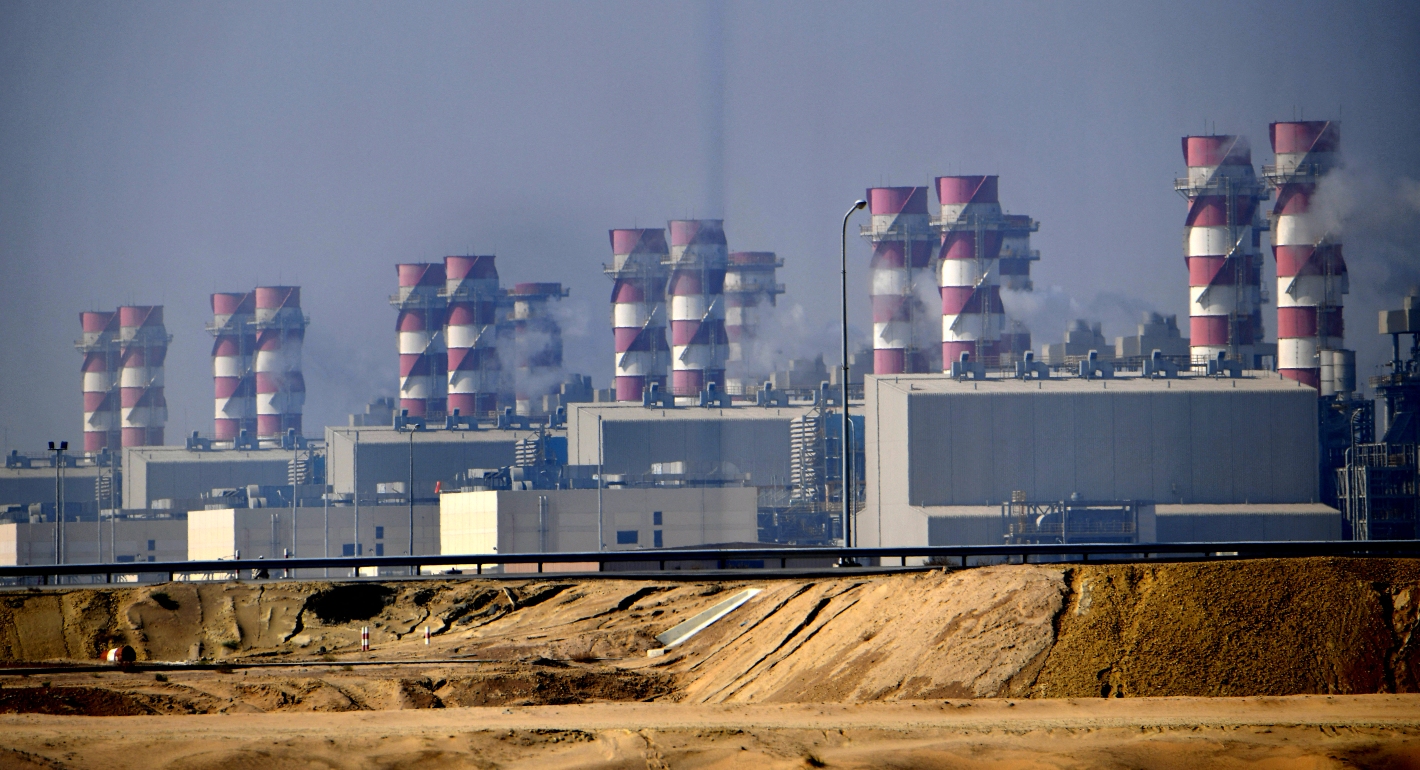
Source: Getty

Other

Energy for Tomorrow

China and Russia must find a way to balance the competing policy challenges of economic development, energy security, and environmental integrity.

Link Copied
By Kevin Jianjun Tu and Adnan Vatansever
Published on Apr 11, 2012

Source: New York Times Energy for Tomorrow Conference

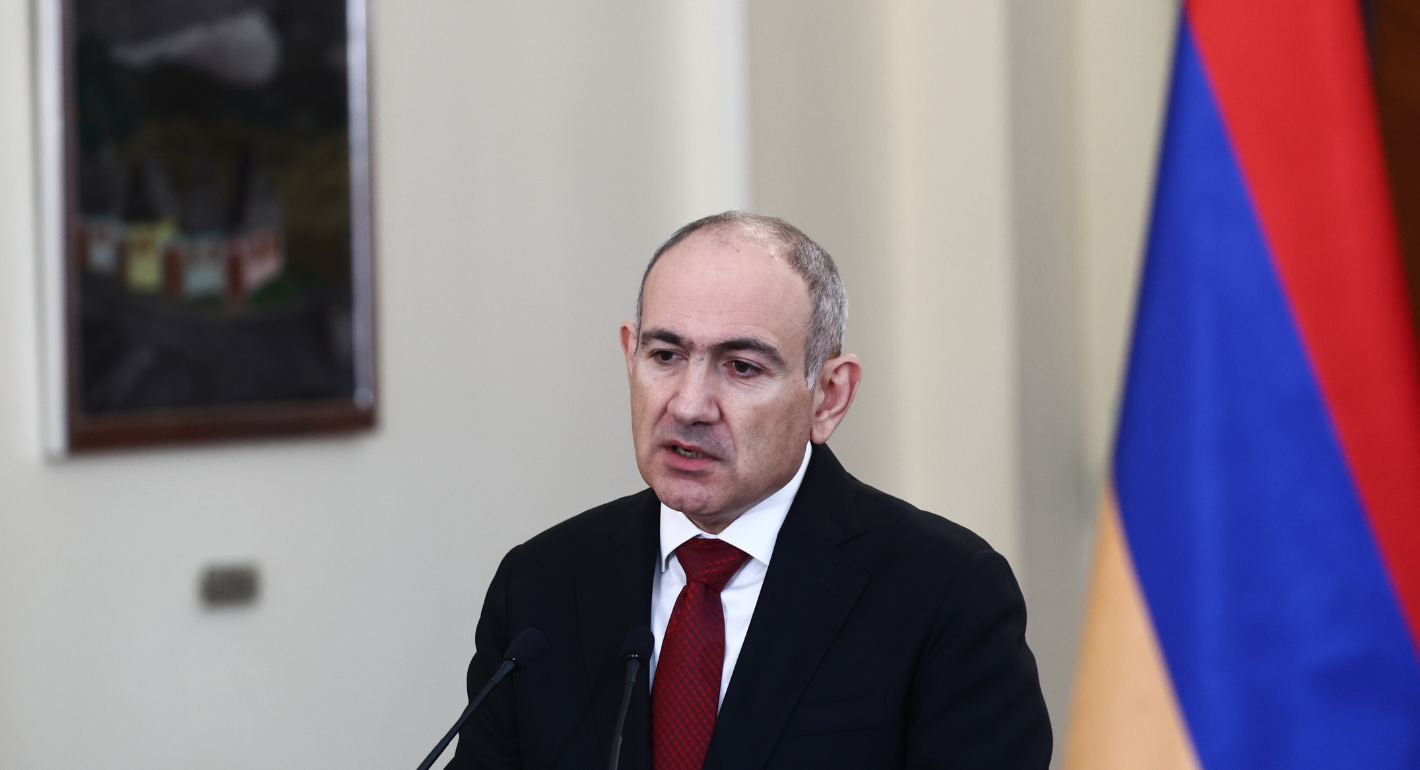
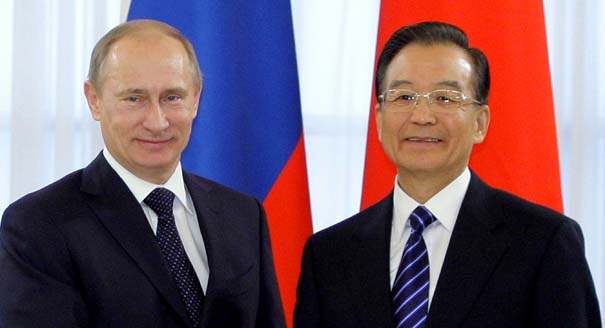
At the New York Times Energy for Tomorrow Conferece, Carnegie's Kevin Tu and Adnan Vatansever discussed how China and Russia can balance the competing policy challenges of economic development, energy security, and environmental integrity.

Tu explained that coal will remain China’s leading source of energy for at least the next five years. Making China’s coal value chain—from coal mining to transport to end-use—more efficient, safe, and environmentally benign has the potential to significantly reduce China’s emissions. To successfully tackle the challenges of economic development, energy security, and environmental integrity, Chinese decision-makers should abandon their developing country mentality, and instead focus more on collaboration with other major economies, mainly the United States, Russia, and Europe, he concluded.

Vatansever stated that Russia, which is tied with Saudi Arabia as the world’s biggest oil producer and tied with the United States as the world’s largest gas producer, has the potential to save more oil than the United Kingdom consumes in a year by raising its energy efficiency level to the OECD average. Furthermore, Russia's role as a global energy supplier in the future will be determined by its ability to develop the next generation of oil and gas fields. The structure of the current tax system, the government’s dependence on oil and gas revenue, and the uncertainty regarding foreign investment in the oil and gas sector pose three major challenges for this development, he concluded.

While Beijing is taking climate change very seriously and has introduced a 17 percent carbon intensity reduction goal in its 12th Five Year Plan as well as a national climate change adaptation strategy, Moscow's view on climate change is still one of skepticism, the scholars explained. Tied with India as the world’s third largest emitter of greenhouse gases, Russia’s biggest climate change mitigation potential lies in energy efficiency gains.

About the Authors

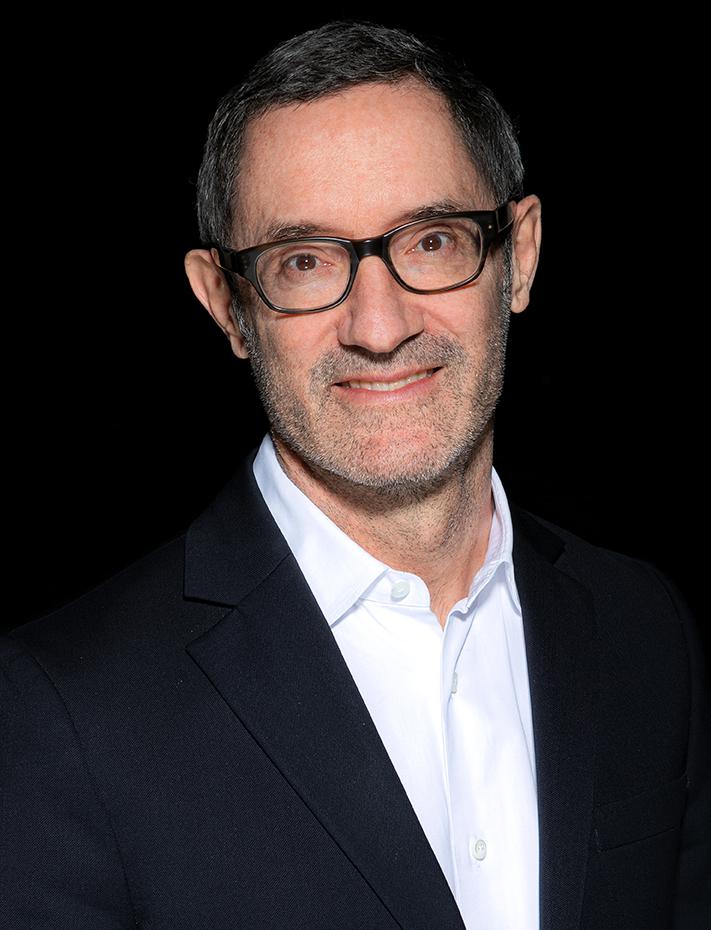
Kevin Jianjun Tu

Former Senior Associate , Energy and Climate Program

Tu was a senior associate in Carnegie’s Energy and Climate Program, where he led the organization’s work on China’s energy and climate policies.

Adnan Vatansever

Former Senior Associate, Energy and Climate Program

Vatansever was a senior associate in the Energy and Climate Program where he specializes in the energy sectors of the former Soviet republics and Eastern Europe.

Authors

Kevin Jianjun Tu
Former Senior Associate , Energy and Climate Program
Kevin Jianjun Tu
Adnan Vatansever
Former Senior Associate, Energy and Climate Program
Adnan Vatansever
Climate ChangeEast AsiaChinaCaucasusRussiaNorth America

Carnegie does not take institutional positions on public policy issues; the views represented herein are those of the author(s) and do not necessarily reflect the views of Carnegie, its staff, or its trustees.

More Work from Carnegie Europe

  • Commentary
    Strategic Europe
    Taking the Pulse: Can the EU Attract Foreign Investment and Reduce Dependencies?

    EU member states clash over how to boost the union’s competitiveness: Some want to favor European industries in public procurement, while others worry this could deter foreign investment. So, can the EU simultaneously attract global capital and reduce dependencies?

      • Rym Momtaz

      Rym Momtaz, ed.

  • Commentary
    Strategic Europe
    Europe Falls Behind in the South Caucasus Connectivity Race

    The EU lacks leadership and strategic planning in the South Caucasus, while the United States is leading the charge. To secure its geopolitical interests, Brussels must invest in new connectivity for the region.

      Zaur Shiriyev

  • Commentary
    Strategic Europe
    Taking the Pulse: What Issue Is Europe Ignoring at Its Peril in 2026?

    2026 has started in crisis, as the actions of unpredictable leaders shape an increasingly volatile global environment. To shift from crisis response to strategic foresight, what under-the-radar issues should the EU prepare for in the coming year?

      Thomas de Waal

  • Commentary
    Strategic Europe
    Solidarity Is a Must for Europe to Ensure Its Own Security

    Europe is designing a new model of collective security that no longer relies on the United States. For this effort to succeed, solidarity between member states that have different threat perceptions is vital.

      • Erik Jones

      Erik Jones

  • Commentary
    Strategic Europe
    Taking the Pulse: Is the EU Too Weak to Be a Global Player?

    Beset by an increasingly hostile United States, internal divisions, and the threat of Russian aggression, the EU finds itself in a make-or-break moment. U.S. President Donald Trump calls it a decaying group of nations headed by weak leaders. Is Europe able to prove him wrong?

      Thomas de Waal

Get more news and analysis from
Carnegie Europe
Carnegie Europe logo, white
Rue du Congrès, 151000 Brussels, Belgium
  • Research
  • Strategic Europe
  • About
  • Experts
  • Projects
  • Events
  • Contact
  • Careers
  • Privacy
  • For Media
  • Gender Equality Plan
Get more news and analysis from
Carnegie Europe
© 2026 Carnegie Endowment for International Peace. All rights reserved.