

Commentary
Uri Dadush
{
  "authors": [
    "Uri Dadush"
  ],
  "type": "legacyinthemedia",
  "centerAffiliationAll": "",
  "centers": [
    "Carnegie Endowment for International Peace"
  ],
  "collections": [],
  "englishNewsletterAll": "",
  "nonEnglishNewsletterAll": "",
  "primaryCenter": "Carnegie Endowment for International Peace",
  "programAffiliation": "",
  "programs": [],
  "projects": [],
  "regions": [
    "North America",
    "United States",
    "Southern, Eastern, and Western Africa"
  ],
  "topics": [
    "Economy"
  ]
}
Source: Getty
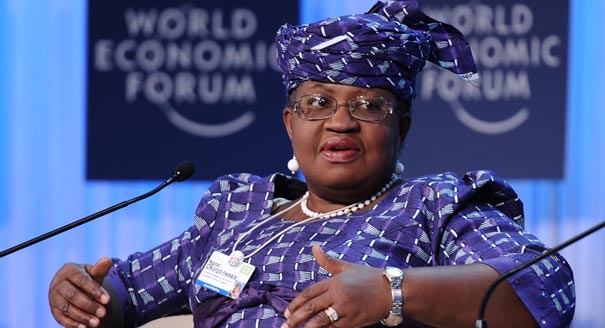
Over three dozen ex-World Bank officials have backed Nigerian finance minister Ngozi Okonjo-Iweala's bid for the World Bank's presidency. But does she stand a real chance of becoming the institution's first non-U.S. leader?
Source: CNN
Appearing on CNN’s “Quest Means Business,” Uri Dadush discussed Nigerian finance minister Ngozi Okonjo-Iweala’s candidacy for the World Bank’s top job. Dadush was one of 39 ex-World Bank economists and managers to endorse Okonjo-Iweala in an open letter to the bank’s members, citing her “deep experience in international and national issues of economic management.” Dadush acknowledged that the chances of a developing country leader being selected for the World Bank’s presidency are slim, as Americans have always led the organization in the past. But there is a small possibility that Okonjo-Iweala could be selected, especially if she becomes the consensus candidate among the World Bank’s developing country members, he concluded.

Former Senior Associate, International Economics Program
Dadush was a senior associate at the Carnegie Endowment for International Peace. He focuses on trends in the global economy and is currently tracking developments in the eurozone crisis.
Recent Work
Uri Dadush
Uri Dadush
Carnegie does not take institutional positions on public policy issues; the views represented herein are those of the author(s) and do not necessarily reflect the views of Carnegie, its staff, or its trustees.
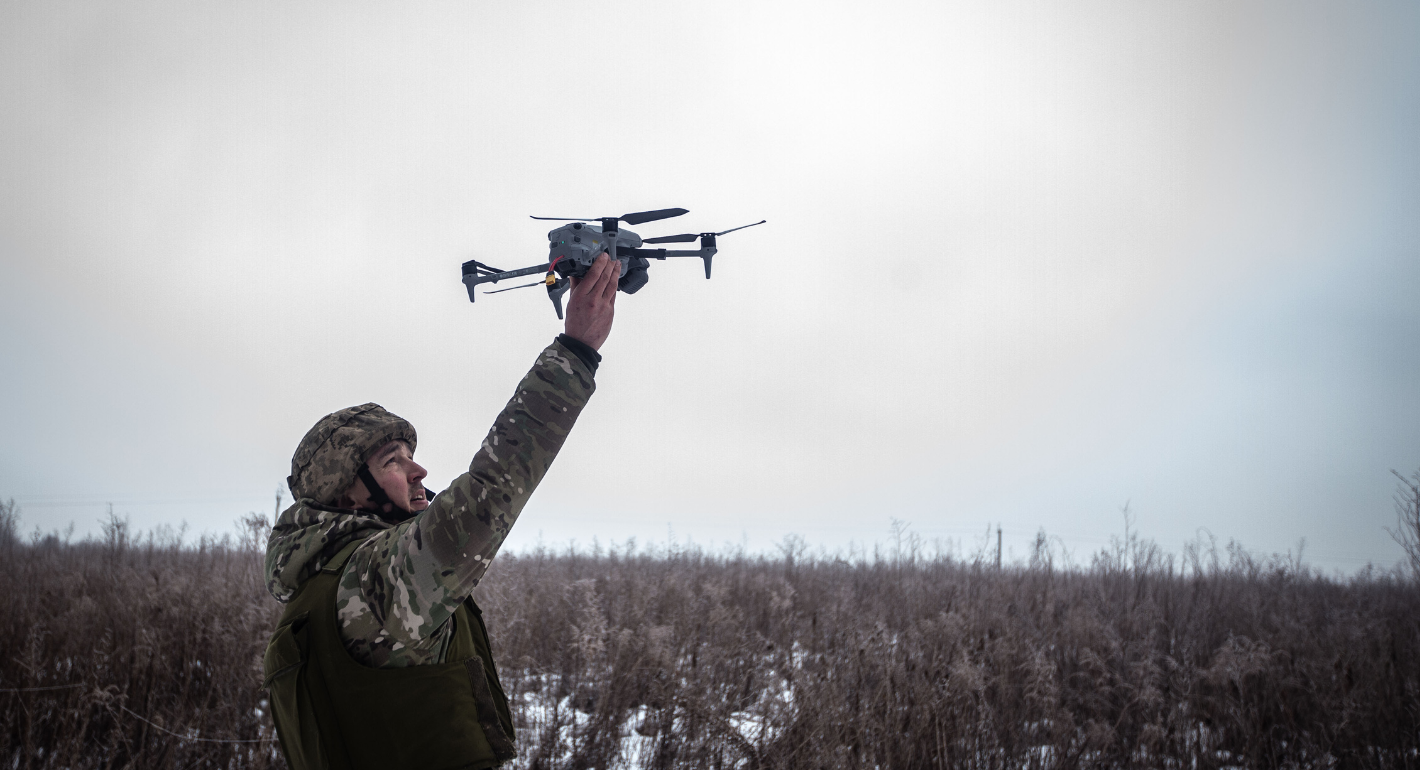
In Ukraine, Gaza, and Iran, AI warfare has come to dominate, with barely any oversight or accountability. Europe must lead the charge on the responsible use of new military technologies.

Raluca Csernatoni
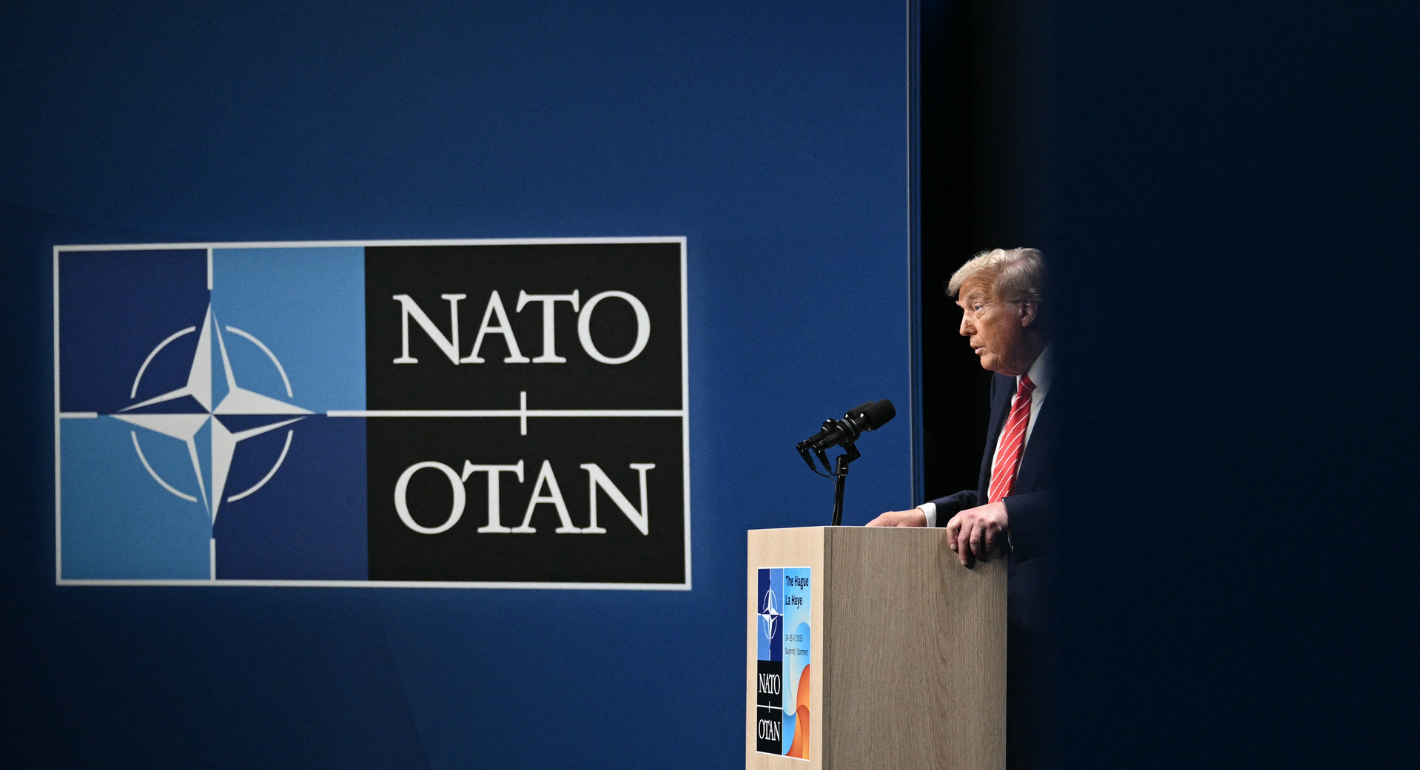
Donald Trump has repeatedly bashed NATO and European allies, threatening to annex Canada and Greenland and deploring their lack of enthusiasm for his war of choice in Iran. Is this latest round of abuse the final straw?

Rym Momtaz, ed.
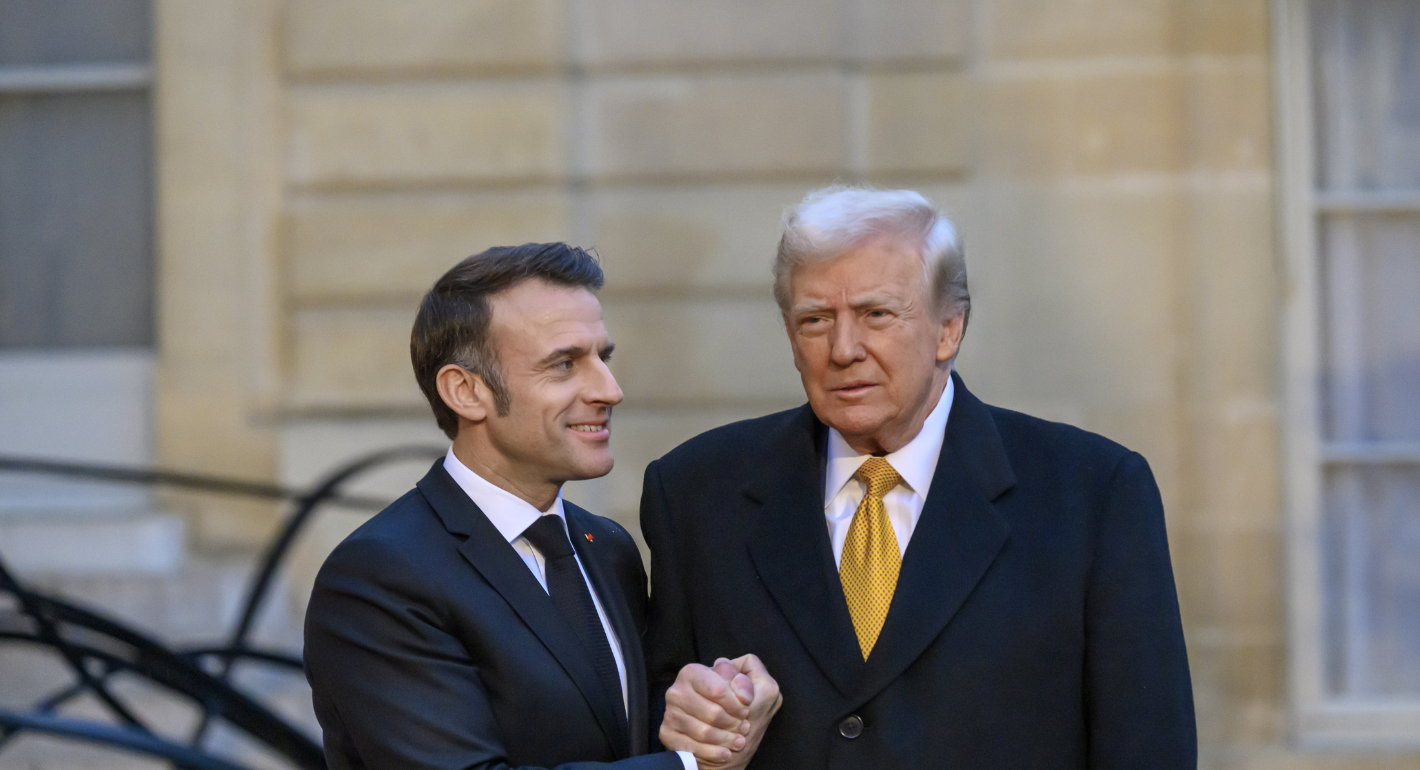
Donald Trump’s repudiation of NATO goes against the Make America Great Again vision of a U.S.-centered foreign policy. If the goal is to preserve the alliance by boosting Europe’s commitments, leaning into France’s vision is the most America First way forward.
Rym Momtaz
The wars in Ukraine and the Middle East are existential threats to Europe as a peace project. Leaders and citizens alike must reaffirm their solidarity to face up to today’s multifaceted challenges.

Marc Pierini
The U.S.-sponsored TRIPP deal is driving the Armenia-Azerbaijan peace process forward. But foreign and domestic hurdles remain before connectivity and economic interdependence can open up the South Caucasus.


Thomas de Waal, Areg Kochinyan, Zaur Shiriyev