

Commentary
As European leadership prepares for the sixteenth EU-India Summit, both sides must reckon with trade-offs in order to secure a mutually beneficial Free Trade Agreement.
Dinakar Peri
{
  "authors": [],
  "type": "pressRelease",
  "centerAffiliationAll": "dc",
  "centers": [
    "Carnegie Endowment for International Peace"
  ],
  "collections": [],
  "englishNewsletterAll": "ctw",
  "nonEnglishNewsletterAll": "",
  "primaryCenter": "Carnegie Endowment for International Peace",
  "programAffiliation": "SAP",
  "programs": [
    "South Asia"
  ],
  "projects": [],
  "regions": [
    "South Asia",
    "India",
    "Afghanistan",
    "Pakistan"
  ],
  "topics": []
}
REQUIRED IMAGE
Carnegie Endowment for International Peace today announced the hiring of three leading South Asia experts: Frederic Grare, Sarah Chayes, and Milan Vaishnav.
WASHINGTON—Carnegie Endowment for International Peace today announced the hiring of three leading South Asia experts: Frederic Grare, Sarah Chayes, and Milan Vaishnav. This marks a major expansion of Carnegie’s already significant research on India, Pakistan, and Afghanistan and supports the planned opening of a Carnegie center in New Delhi.
Founded in 1910, Carnegie is America’s oldest international affairs think tank. Carnegie is in the process of building the world’s first truly global think tank with research centers in Washington, Moscow, Beijing, Beirut, and Brussels.
Making the announcement, Carnegie Endowment President Jessica Mathews said:
“South Asia—with its vast population and growing economic clout—is poised to play a major role on the world stage throughout the decades to come. After careful study and reflection, Carnegie is enormously excited to be opening a center in New Delhi in the near future that will deliver ground-level insights from this vibrant and critical region. As we prepare to expand into India, we are extremely fortunate to welcome three scholars of this caliber. Together with Ashley Tellis and George Perkovich, they give Carnegie one of the strongest South Asia programs of any think tank in America.”
All three scholars will be based out of Washington, D.C.
NOTES
Frederic Grare will serve as a senior associate and director of Carnegie’s South Asia Program. A leading expert and writer on the region, his research focuses on South Asia security issues. He also works on the tension between stability and democratization in Pakistan, including civil-military relations, the challenge of sectarian conflict, and Islamic political mobilization.
Sarah Chayes joins Carnegie as a senior associate in the South Asia Program. A former reporter, she covered the fall of the Taliban for National Public Radio, then left journalism to remain in Kandahar in order to contribute to the reconstruction of the country. In 2010, Chayes became special adviser to the chairman of the Joint Chiefs of Staff, Admiral Mike Mullen, contributing to strategic policy on Afghanistan, Pakistan, and the Arab Spring.
Milan Vaishnav joins Carnegie as an associate in the South Asia Program. He is currently a postdoctoral research fellow at the Center for Global Development, where he helps direct an initiative on U.S. development strategy in Pakistan. His research focuses on the political economy of India, examining issues such as corruption, ethnic politics, governance and state capacity, election finance, and distributive politics.
Press Contact: Karly Schledwitz, +1 202 939 2233, pressoffice@ceip.org
Carnegie does not take institutional positions on public policy issues; the views represented herein are those of the author(s) and do not necessarily reflect the views of Carnegie, its staff, or its trustees.
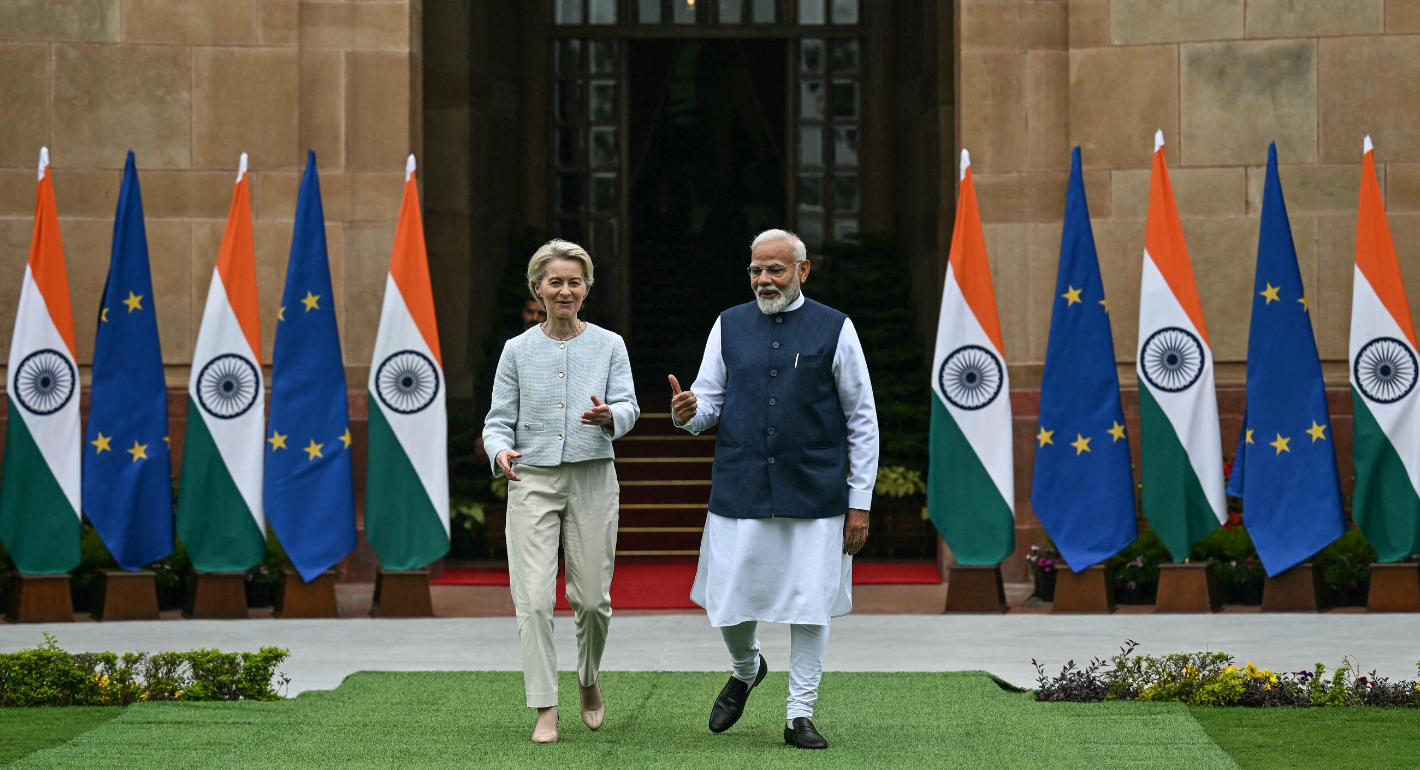
As European leadership prepares for the sixteenth EU-India Summit, both sides must reckon with trade-offs in order to secure a mutually beneficial Free Trade Agreement.
Dinakar Peri
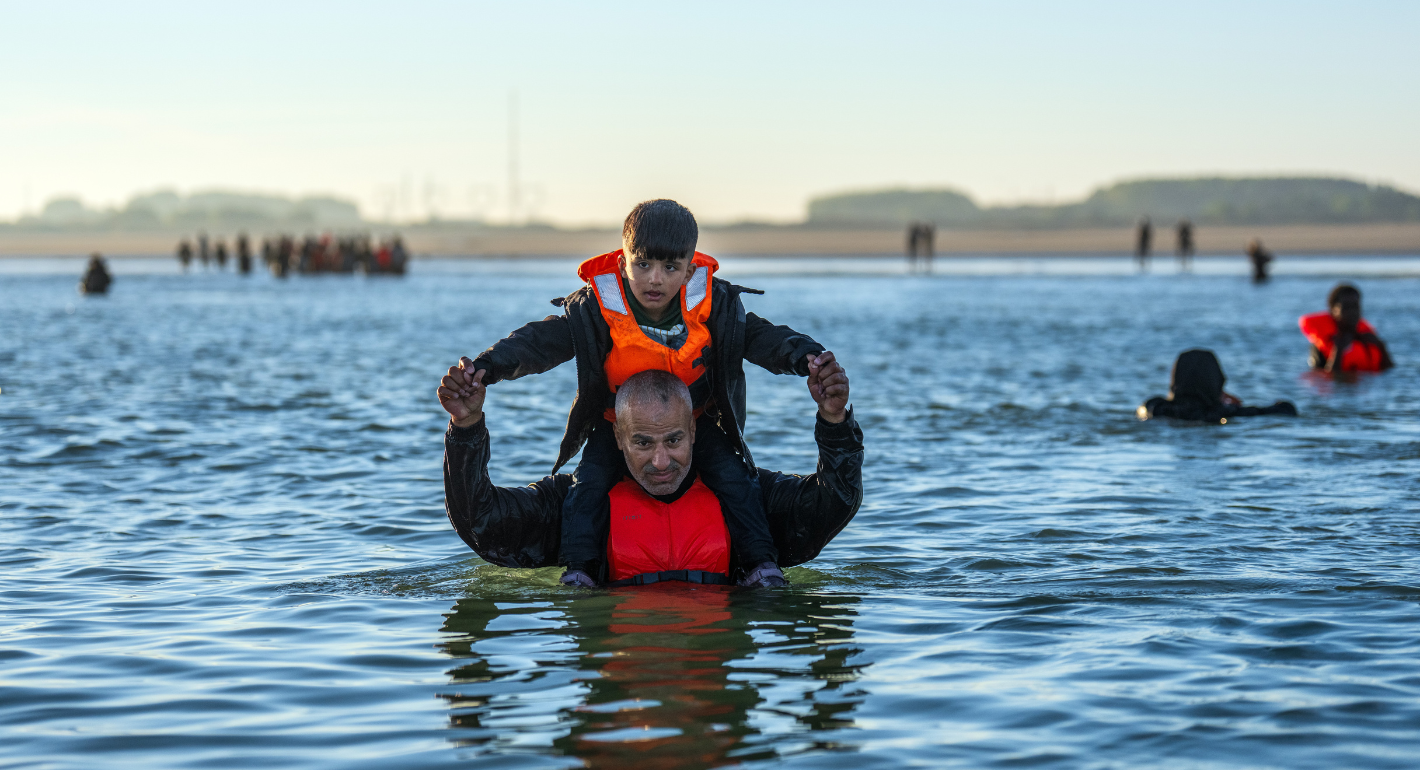
Hard-line approaches to asylum policy are increasingly common, with crackdowns proposed even by parties that traditionally hold liberal views on migration. Does this shift represent a break with Europe’s fundamental values?

Thomas de Waal
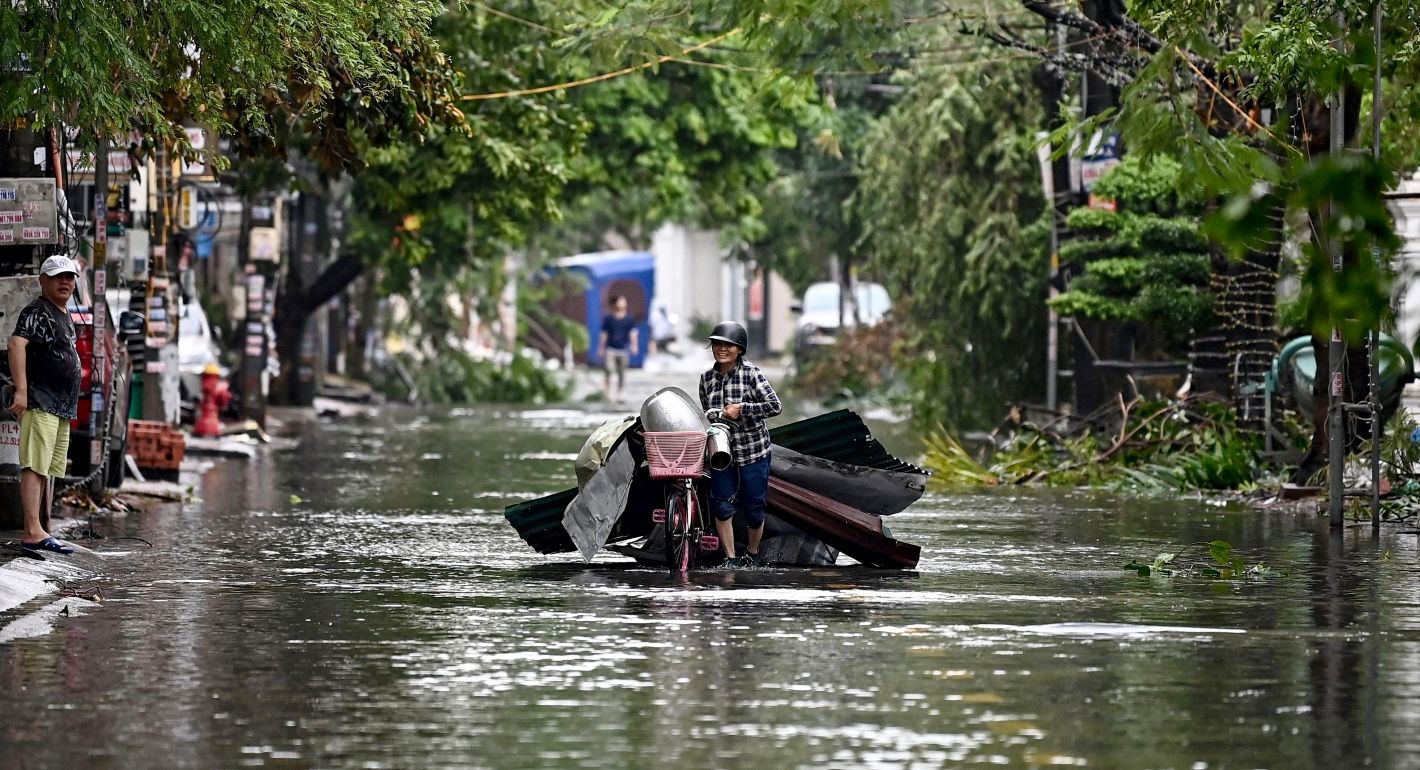
The EU’s fragmented approaches to the crises of climate change, conflict, and democracy fall short by not addressing the mutually reinforcing links between them. Brussels needs an integrated strategy to tackle the emerging three-way nexus and mitigate the vulnerabilities it creates.

Richard Youngs, Ricardo Farinha, Jasper Linke, …
The ways in which democracies interact with autocracies can also play a role in sustaining repressive regimes. Democratic governments must adopt more holistic approaches that offset the negative implications of international engagement.
Nic Cheeseman, Marie-Eve Desrosiers
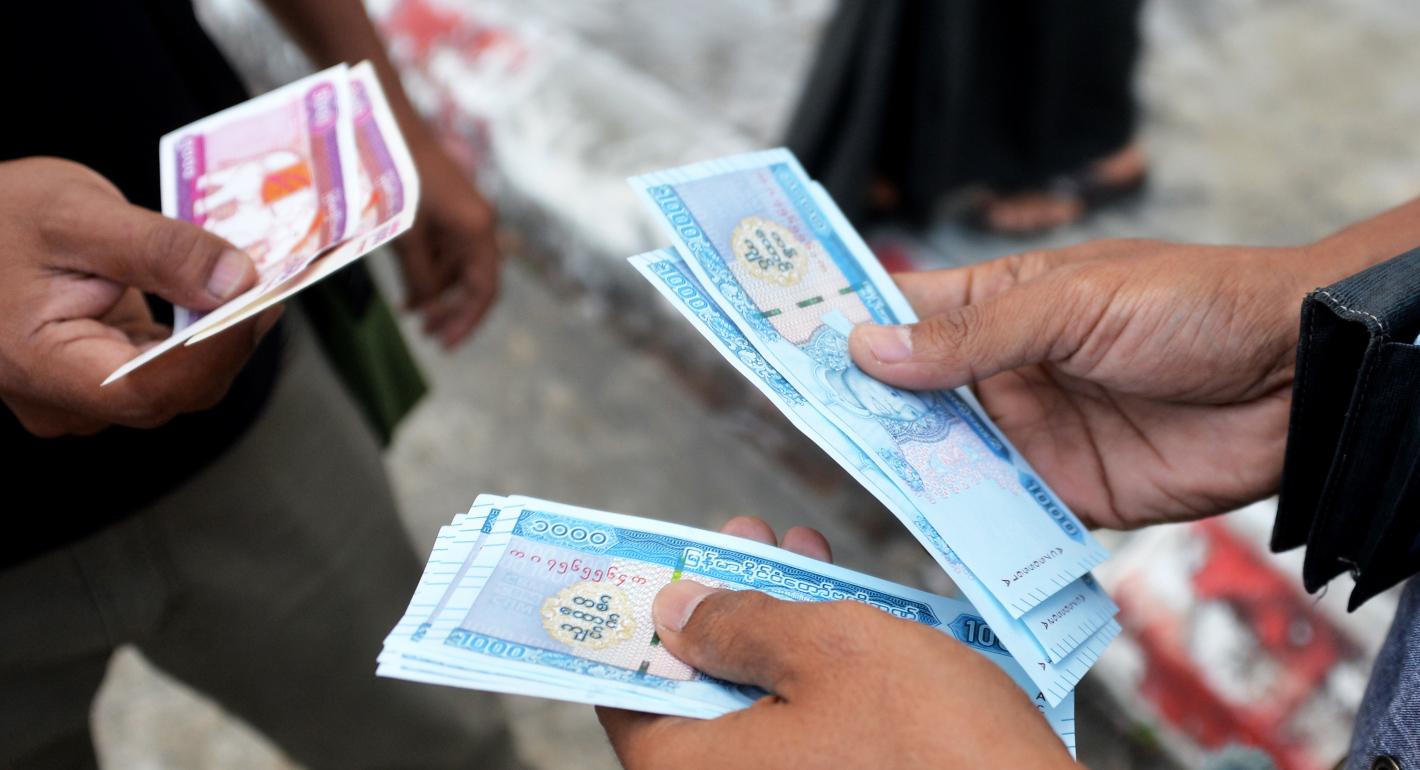
In the last decade, nondemocratic regimes have received more development assistance than democratic countries. This reveals how donors struggle with autocratization despite a rhetorical commitment to democracy.
Marc de Tollenaere