

Commentary
Nikolay Petrov
{
  "authors": [
    "Nikolay Petrov"
  ],
  "type": "legacyinthemedia",
  "centerAffiliationAll": "",
  "centers": [
    "Carnegie Endowment for International Peace",
    "Carnegie Russia Eurasia Center"
  ],
  "collections": [],
  "englishNewsletterAll": "",
  "nonEnglishNewsletterAll": "",
  "primaryCenter": "Carnegie Russia Eurasia Center",
  "programAffiliation": "",
  "programs": [],
  "projects": [],
  "regions": [],
  "topics": []
}
Source: Getty
The Kremlin is implementing counterproductive changes in relations between Moscow and the regions that offer little promise of improving the situation in the country.
Source: The Moscow Times

While these actions have grabbed the spotlight, little attention has been paid to the fact that the authorities also promised in December to implement reforms to improve relations between Moscow and the regions. In fact, State Council decisions made on July 17 indicate that the backtracking on reforms is even greater in this area than in relations between the government across all of Russia and society.
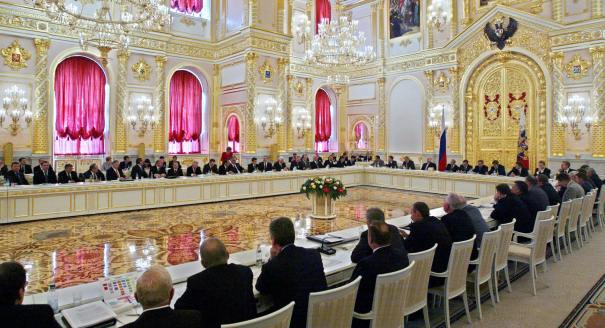
The State Council headed by President Dmitry Medvedev in December 2011 differs dramatically in both composition and style from the current State Council headed by President Vladimir Putin.Medvedev's State Council discussed in December to cede 100 tasks to the regions. By contrast, Putin's State Council opted to cede only a handful of responsibilities to the regions starting in 2013. They include oversight of the environment, food quality, labor legislation, passenger vehicles and forestry.
Under this arrangement, governors will be given carte blanche in establishing the structure and appointing directors of those supervisory agencies. At the same time, Moscow will not provide the regions with the funds to implement these projects. Instead, it will hold the governors personally responsible for the results. If they fail, they could easily be dismissed for unsatisfactory performance.
In a bid to increase their effectiveness, the 200 indicators to evaluate efficiency of regional authorities will be reduced to only 11. A draft of that presidential decree has already been prepared.
There are three main results of these measures:
First, they will lead to a degree of decentralization, but not to refederalization. The Kremlin plans to give the regions responsibility for the physical implementation of a number of burdensome supervisory functions while keeping control over the decision-making process firmly rooted in Moscow. As Federation Council Speaker Valentina Matviyenko rightfully pointed out in December, even if Moscow were to delegate authority to the regions, it could just as easily rescind it, a reality that understandably dampens the enthusiasm of regional authorities.
Rather than using those joint powers as a political football to be handed off and then snatched back depending on the political climate, the regions should be entrusted with certain inalienable powers.
Second, the government's backtracking on promises to provide full financial support for the powers and responsibilities it transfers to the regions is reminiscent of attempts in 2004 to reform the monetization of benefits. Then, too, the authorities managed to quickly override objections from the regions, but they paid a high price for it in the process.
Finally, however much Medvedev was only a weak figurehead as president, there remains a striking contrast between the functioning of his State Council and that of Putin's. At least Medvedev's сouncil discussed and planned for federalist reforms, even if it never implemented them. By contrast, Putin angrily reacts to any hint at concessions to reformers and takes pains to avoid even the use of the word "elections," preferring to speak of "a new method for bringing governors into office."
The next few years will be marked by two general trends: changes in the relationship between the government and society and between Moscow and the regions. It seems the Kremlin is determined to defy logic by working against progress and by implementing counterproductive measures that offer little promise of improving the situation in the country.
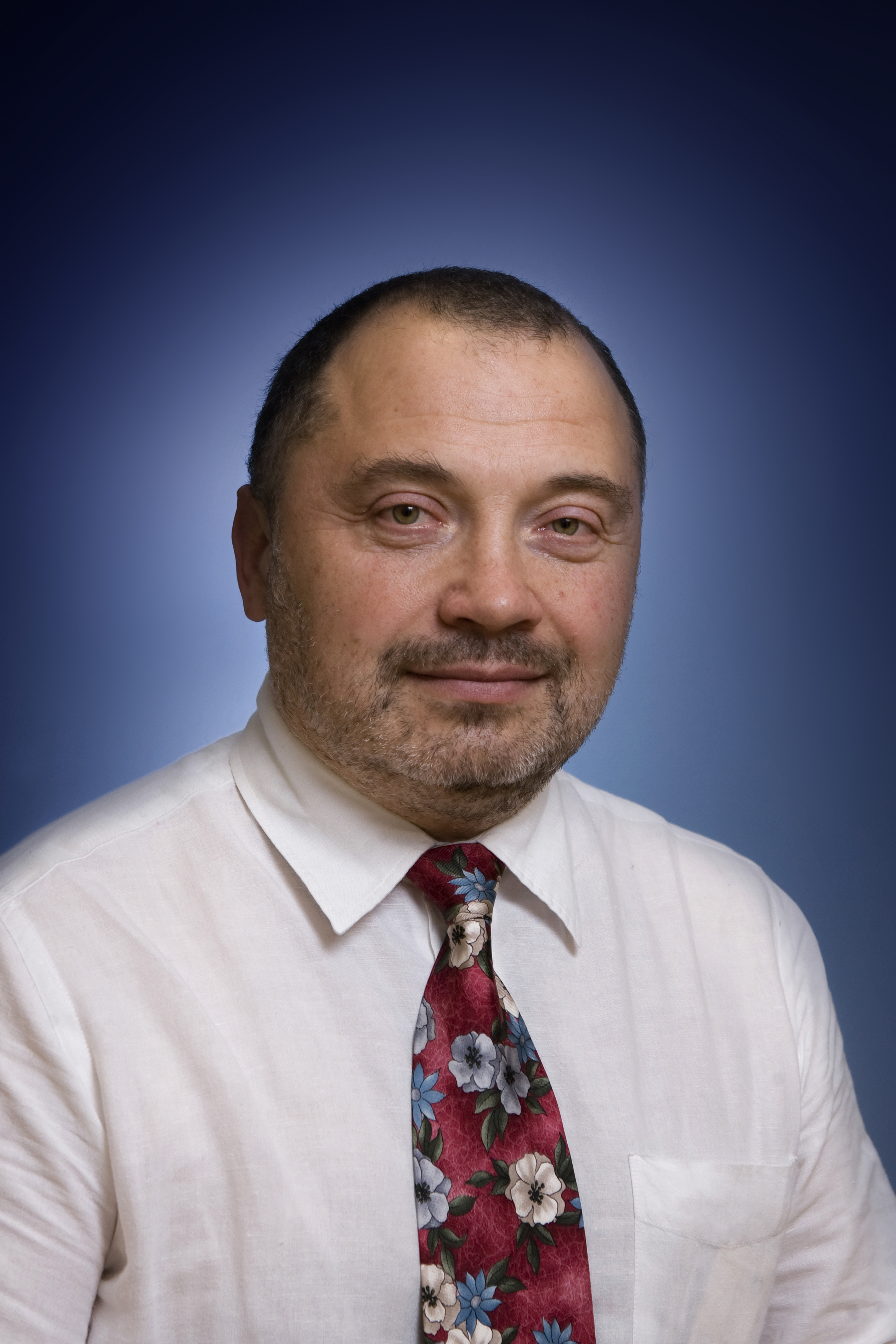
Former Scholar-in-Residence, Society and Regions Program, Moscow Center
Nikolay Petrov was the chair of the Carnegie Moscow Center’s Society and Regions Program. Until 2006, he also worked at the Institute of Geography at the Russian Academy of Sciences, where he started to work in 1982.
Recent Work
Nikolay Petrov
Nikolay Petrov
Carnegie does not take institutional positions on public policy issues; the views represented herein are those of the author(s) and do not necessarily reflect the views of Carnegie, its staff, or its trustees.