

Article
- +1
Toby Dalton, Mark Hibbs, Nicole Grajewski, …
{
  "authors": [
    "Mark Hibbs"
  ],
  "type": "legacyinthemedia",
  "centerAffiliationAll": "dc",
  "centers": [
    "Carnegie Endowment for International Peace"
  ],
  "collections": [
    "U.S. Nuclear Policy"
  ],
  "englishNewsletterAll": "ctw",
  "nonEnglishNewsletterAll": "",
  "primaryCenter": "Carnegie Endowment for International Peace",
  "programAffiliation": "NPP",
  "programs": [
    "Nuclear Policy"
  ],
  "projects": [],
  "regions": [
    "North America",
    "United States",
    "Middle East",
    "Iran"
  ],
  "topics": [
    "Nuclear Policy"
  ]
}
Source: Getty
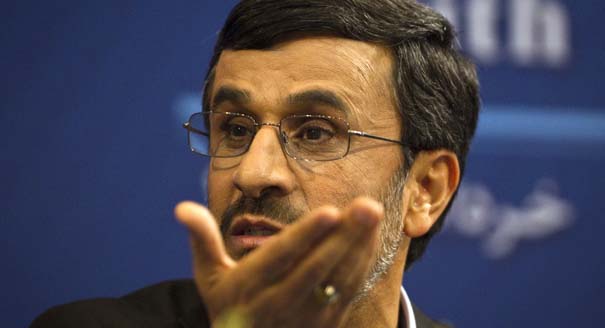
In anticipation of this week's meeting between Iran and the IAEA, there has been some talk about what should happen with the IAEA's file on "possible military dimensions" of Iran's nuclear program if the United States decides to strike a deal with Iran.
Source: Arms Control Wonk

My initial thoughts on it are here.
It would be nice to cut the PMD file in two with a knife and–as part of a P-5+1 deal with Iran–tell Tehran, okay, you have to tell us about X, but you don’t have to tell us about Y. That means that the face-saver Iran referred to during the IAEA board meeting last month could come about with less Iranian heartburn, because Iran would not have to disclose some dicey stuff that would show that they were in fact doing weapons-related nuclear work over the last decade or so regardless of their NPT peaceful-use commitment.Unfortunately, it doesn’t necessarily work like that.
I assume that at end of the day, as part of a deal between the P-5+1 and Iran, the IAEA will be called upon to implement the Additional Protocol in Iran and make a determination (called a “broader conclusion” in safeguards-ese) that all of Iran’s nuclear activities are dedicated to peaceful use and that the IAEA is confident there are no clandestine or undeclared activities. Given Iran’s record with the IAEA over the last three decades, I can’t imagine a deal coming to fruition without such a “broader conclusion” being part of it.
The IAEA will need to get answers to its questions to draw that conclusion. One way or another, these questions about PMD are gonna come up at the IAEA Department of Safeguards. If they aren’t answered by Iran now, they are going to have to be answered by Iran during the implementation of the Additional Protocol, which is the route to the “broader conclusion.”
Now, the P-5+1 might at some point ask Amano to be flexible about the timing and sequencing related to these outstanding questions, if in fact diplomacy with Iran gets far enough to warrant that kind of thinking about how to implement the verification piece of a diplomatic resolution package. But the IAEA has to ask those questions. And without answers, there ain’t gonna be any imprimatur from the IAEA telling us it is satisfied that everything in Iran is accounted for.
This isn’t a special case for Iran. The IAEA has a bunch of “broader conclusion” exercises under its belt by now. In a couple of these cases there was no “broader conclusion” given for as long as there were unsettled legacy issues–like those which will come up in Iran as soon as the P-5+1 and Iran have their agreement, Iran’s Additional Protocol enters in force, and the IAEA begins taking steps to implement it. The IAEA didn’t give in to those countries either. Nor will they, or should they, in Iran’s case, if a “broader conclusion” is the yardstick, and it should be the yardstick.
Toward the end of this event, which played out while I was in the vicinity of the IAEA board meeting, Jim Walsh over at MIT off the cuff during a Q&A came up with a different view on what to do with the PMD file. I paraphrase: “If the nuclear activities were in the past, I don’t care. It’s dead, and it’s regretful, but let’s do a deal with Iran that moves forward.”

Nonresident Senior Fellow, Nuclear Policy Program
Hibbs is a Germany-based nonresident senior fellow in Carnegie’s Nuclear Policy Program. His areas of expertise are nuclear verification and safeguards, multilateral nuclear trade policy, international nuclear cooperation, and nonproliferation arrangements.
Recent Work


Toby Dalton, Mark Hibbs, Nicole Grajewski, …
Mark Hibbs
Carnegie does not take institutional positions on public policy issues; the views represented herein are those of the author(s) and do not necessarily reflect the views of Carnegie, its staff, or its trustees.

Trump is distracted and Ukraine wants Europe to step up. The continent’s leaders must find their voice and assert it in talks with Russia.

Alissa de Carbonnel

Over the past ten years, NATO has held almost as many summits as it did during the entirety of the Cold War. Are they still useful, or is it time to stop holding annual meetings?

Rym Momtaz, ed.
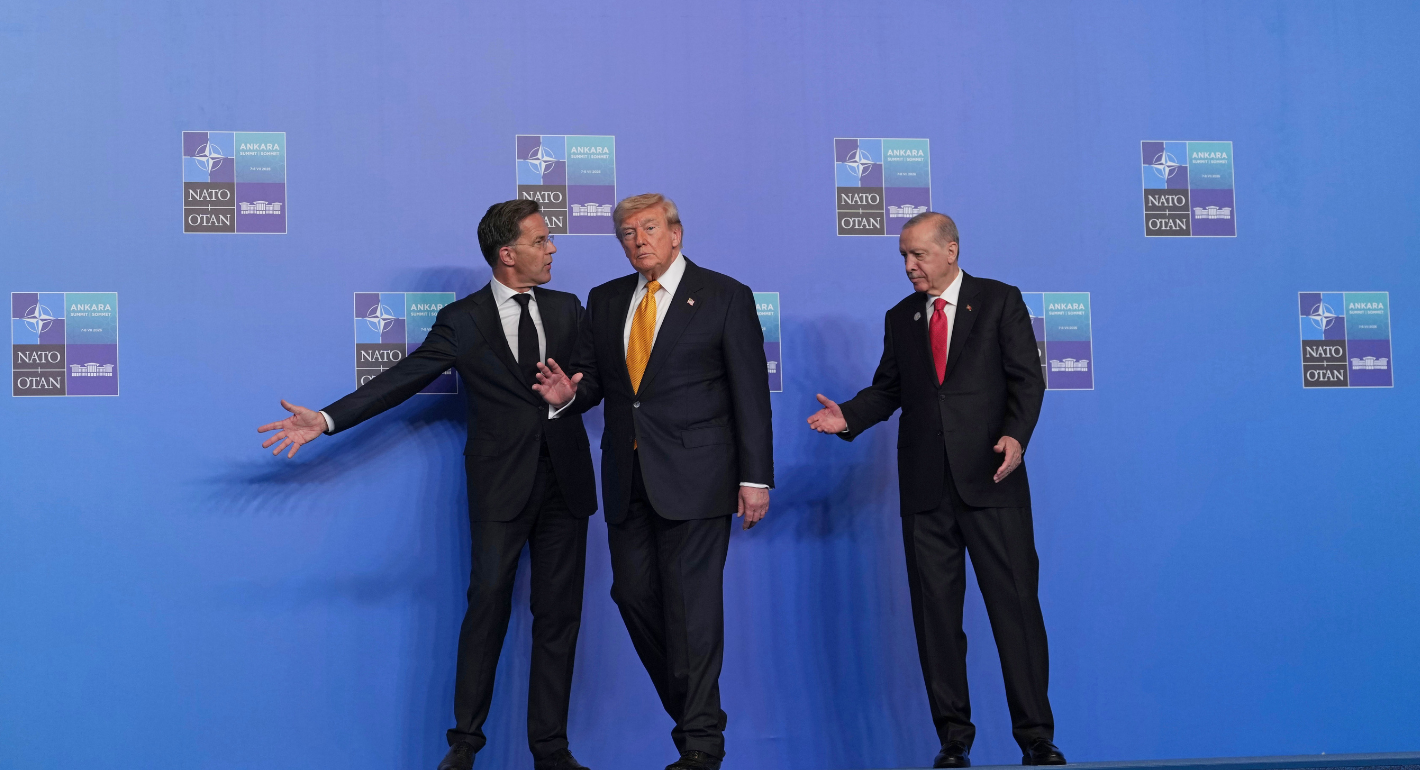
Nearly a year and a half after Europeans leaned into sucking up to Trump, the strategy has produced some benefits when it comes to Ukraine.
Rym Momtaz

Autonomous AI agents are increasingly prevalent in cyberspace. The EU needs a real-time monitoring strategy, to invest in AI defenses, and to reduce its strategic dependence on U.S. frontier models.


Raluca Csernatoni, Patryk Pawlak
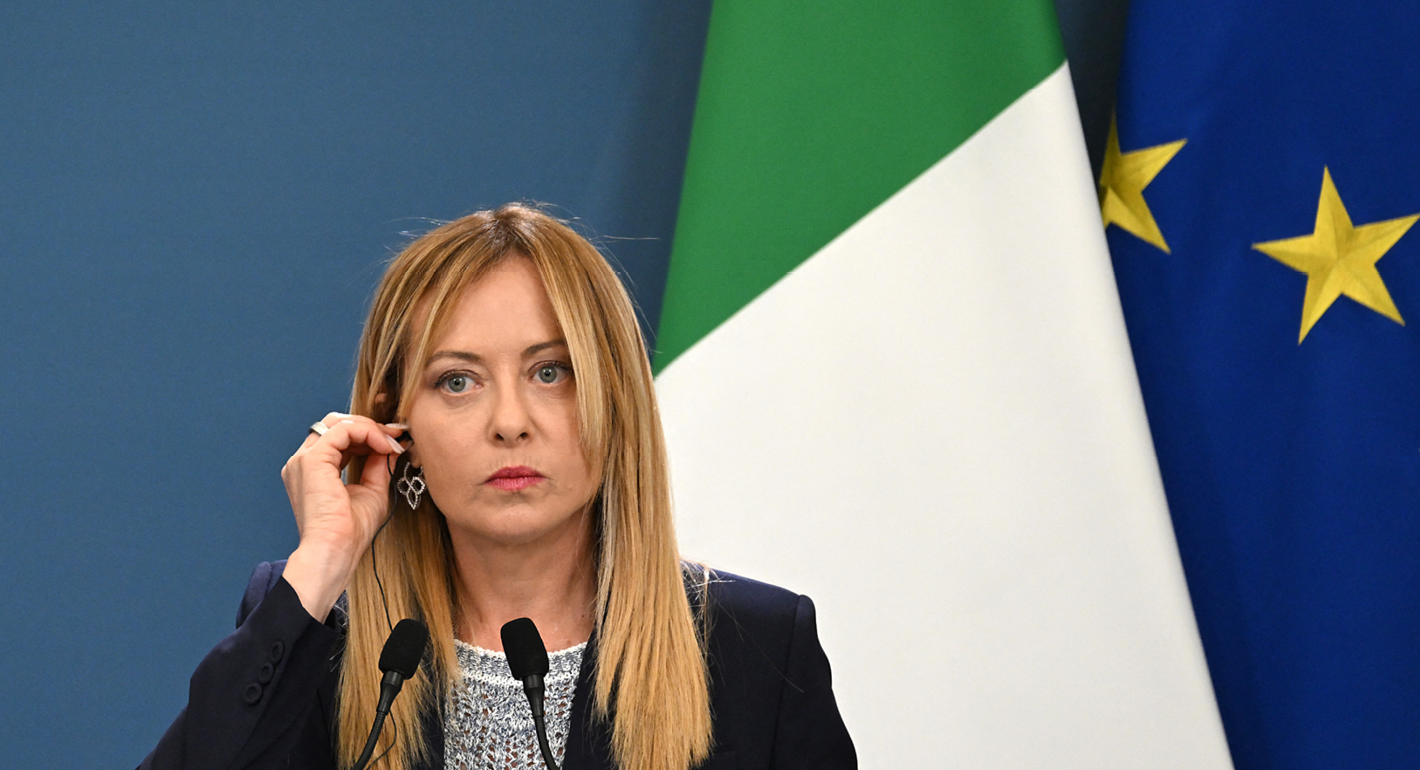
When Giorgia Meloni very publicly rebuked Donald Trump’s disparaging remarks about her, it surprised many who saw her as a European extension of Trumpism. Is the spat a sign of trouble in the radical right’s transatlantic axis?
Rym Momtaz, ed.