

Article
- +3
Frederic Wehrey, Nathan J. Brown, Bader Al-Saif, …
{
  "authors": [
    "Anouar Boukhars"
  ],
  "type": "legacyinthemedia",
  "centerAffiliationAll": "dc",
  "centers": [
    "Carnegie Endowment for International Peace"
  ],
  "collections": [],
  "englishNewsletterAll": "menaTransitions",
  "nonEnglishNewsletterAll": "",
  "primaryCenter": "Carnegie Endowment for International Peace",
  "programAffiliation": "MEP",
  "programs": [
    "Middle East"
  ],
  "projects": [],
  "regions": [
    "North Africa",
    "Algeria",
    "Southern, Eastern, and Western Africa",
    "Mali"
  ],
  "topics": [
    "Political Reform",
    "Security"
  ]
}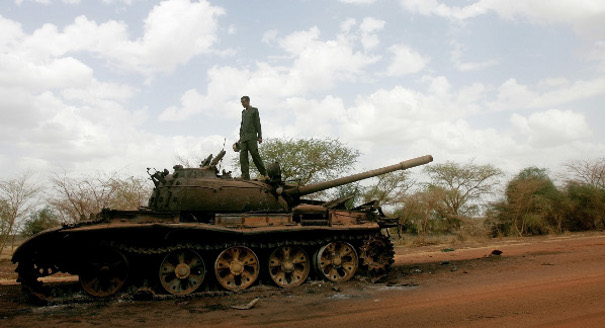
Source: Getty
The conflict in northern Mali cannot be solved by a military solution alone. Any effort to end the violence will have to utilize diplomatic and political components to address the grievances of the groups that have taken up arms.
Source: WBEZ's Worldview

Former Nonresident Fellow, Middle East Program
Boukhars was a nonresident fellow in Carnegie’s Middle East Program. He is a professor of countering violent extremism and counter-terrorism at the Africa Center for Strategic Studies, National Defense University.
Recent Work

Frederic Wehrey, Nathan J. Brown, Bader Al-Saif, …
Anouar Boukhars
Carnegie does not take institutional positions on public policy issues; the views represented herein are those of the author(s) and do not necessarily reflect the views of Carnegie, its staff, or its trustees.
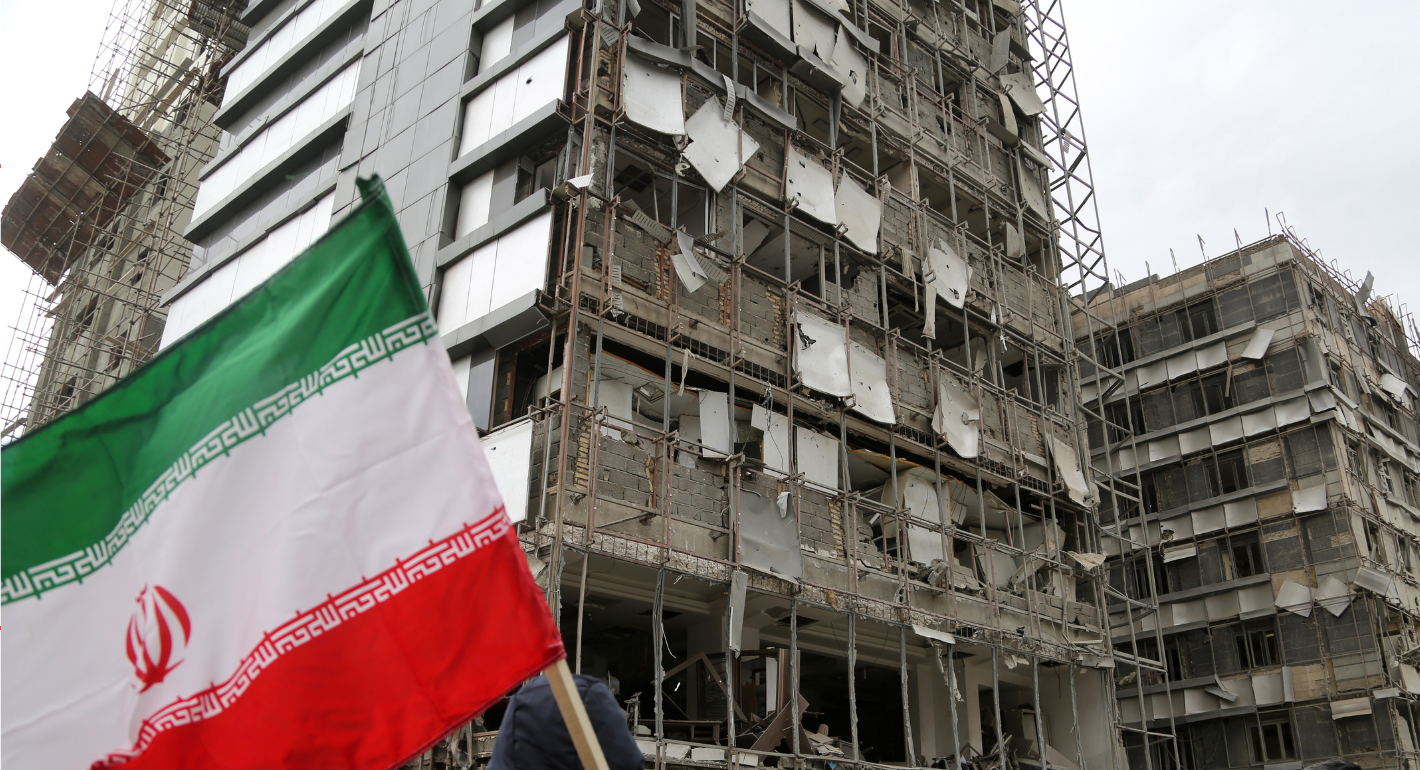
Europe’s reaction to the war in Iran has been disunited and meek, a far cry from its previously leading role in diplomacy with Tehran. To avoid being condemned to the sidelines while escalation continues, Brussels needs to stand up for international law.

Pierre Vimont
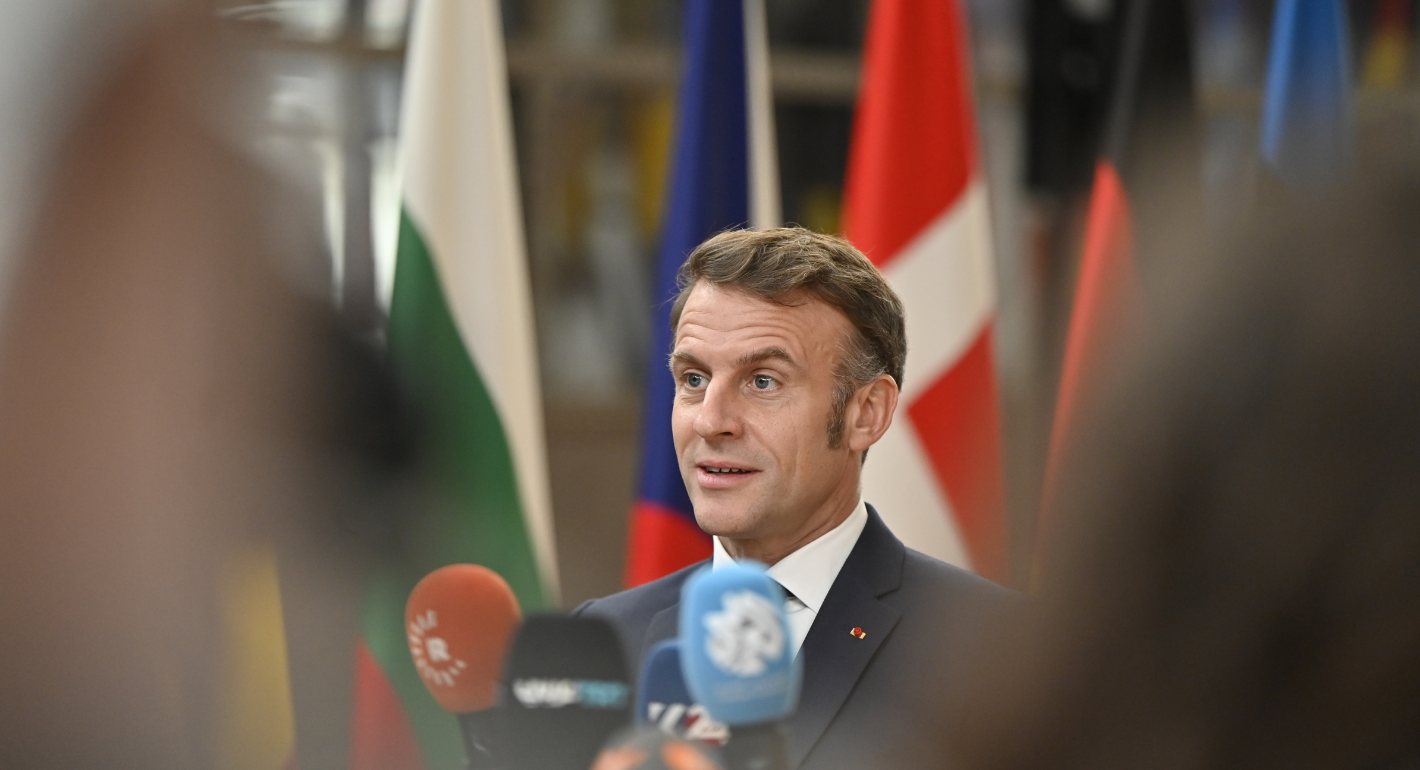
France has stopped clinging to notions of being a great power and is embracing the middle power moment. But Emmanuel Macron has his work cut out if he is to secure his country’s global standing before his term in office ends.

Rym Momtaz
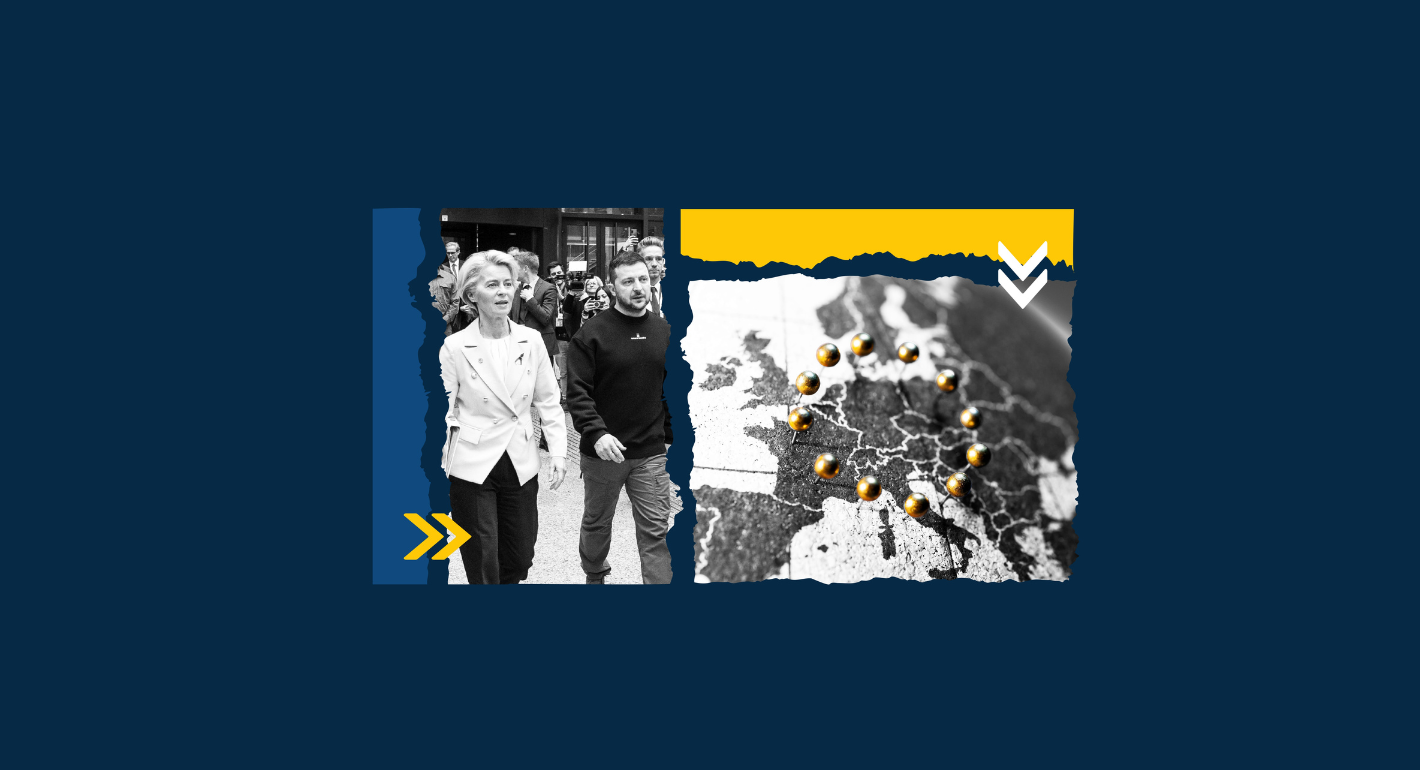
Despite offering security benefits to candidates and the EU alike, the enlargement agenda appears stalled. Why is progress not being made, and is it time for Europe to rethink its approach?
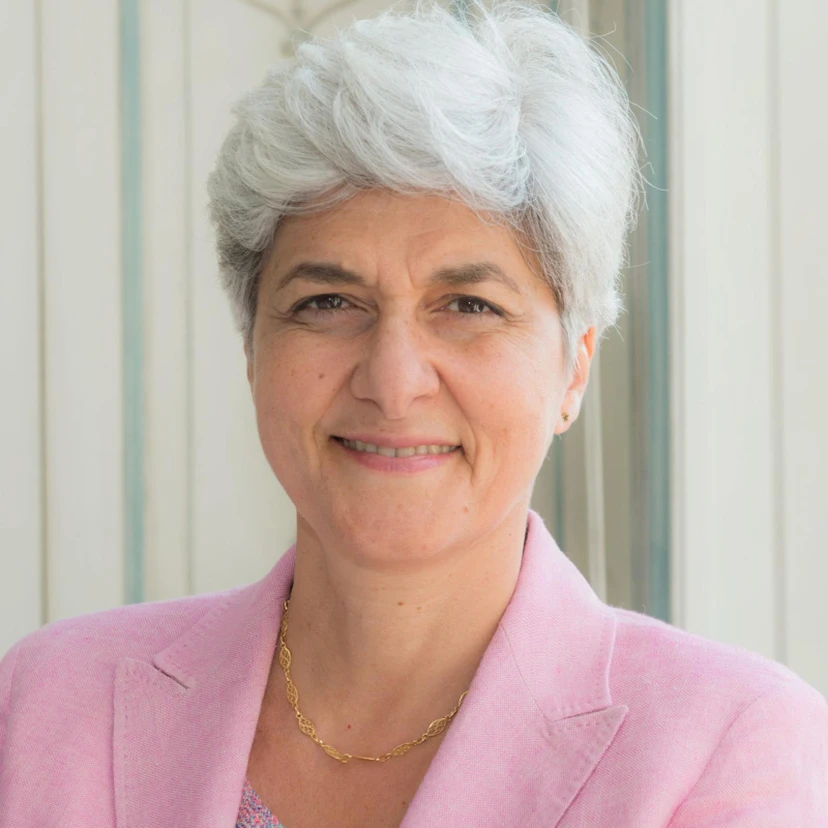
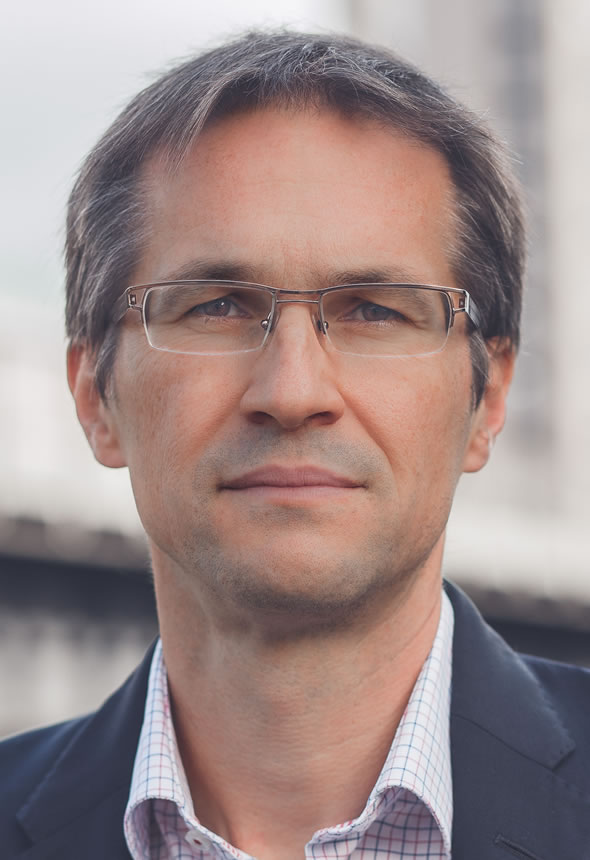
Sylvie Goulard, Gerald Knaus
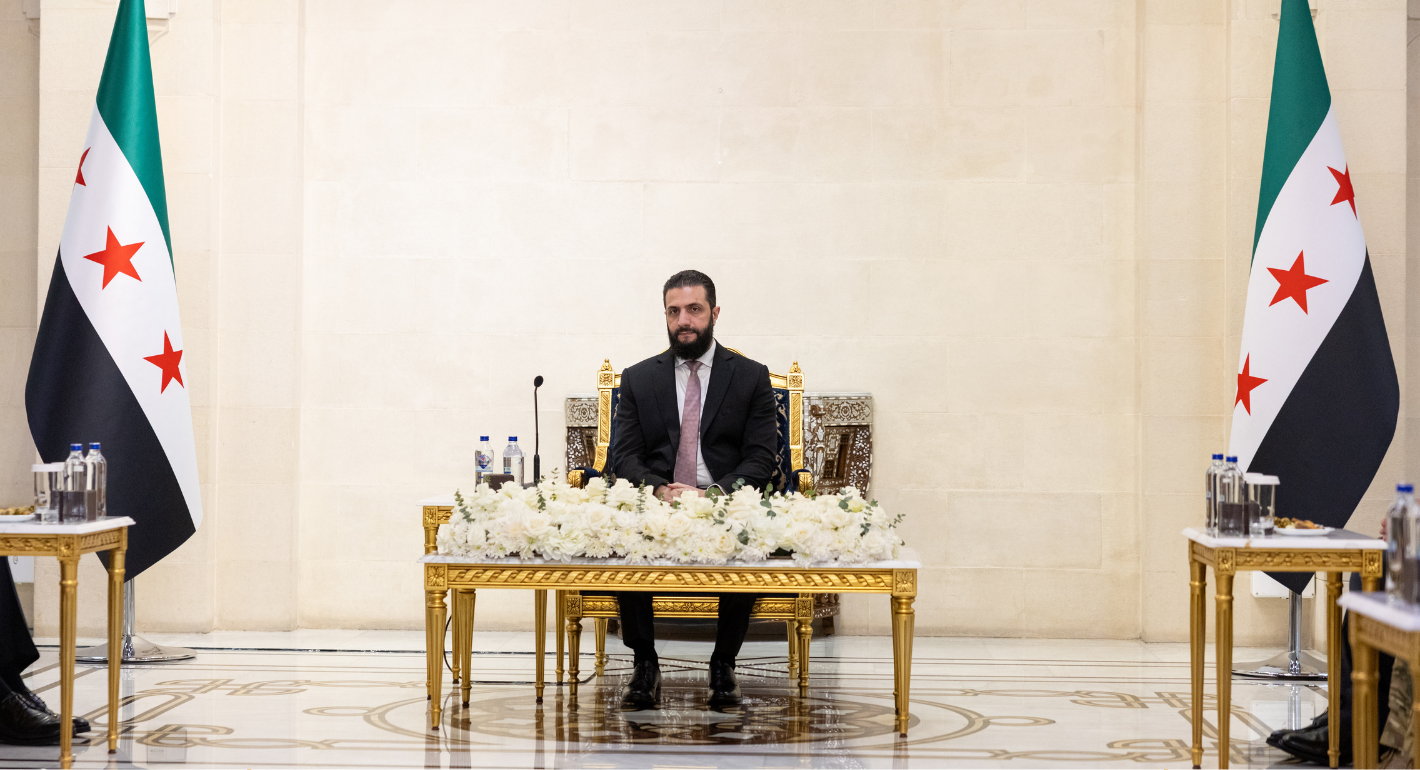
Europe’s interests in Syria extend beyond migration management, yet the EU trails behind other players in the country’s post-Assad reconstruction. To boost its influence in Damascus, the union must upgrade its commitment to ensuring regional stability.
Bianka Speidl, Hanga Horváth-Sántha
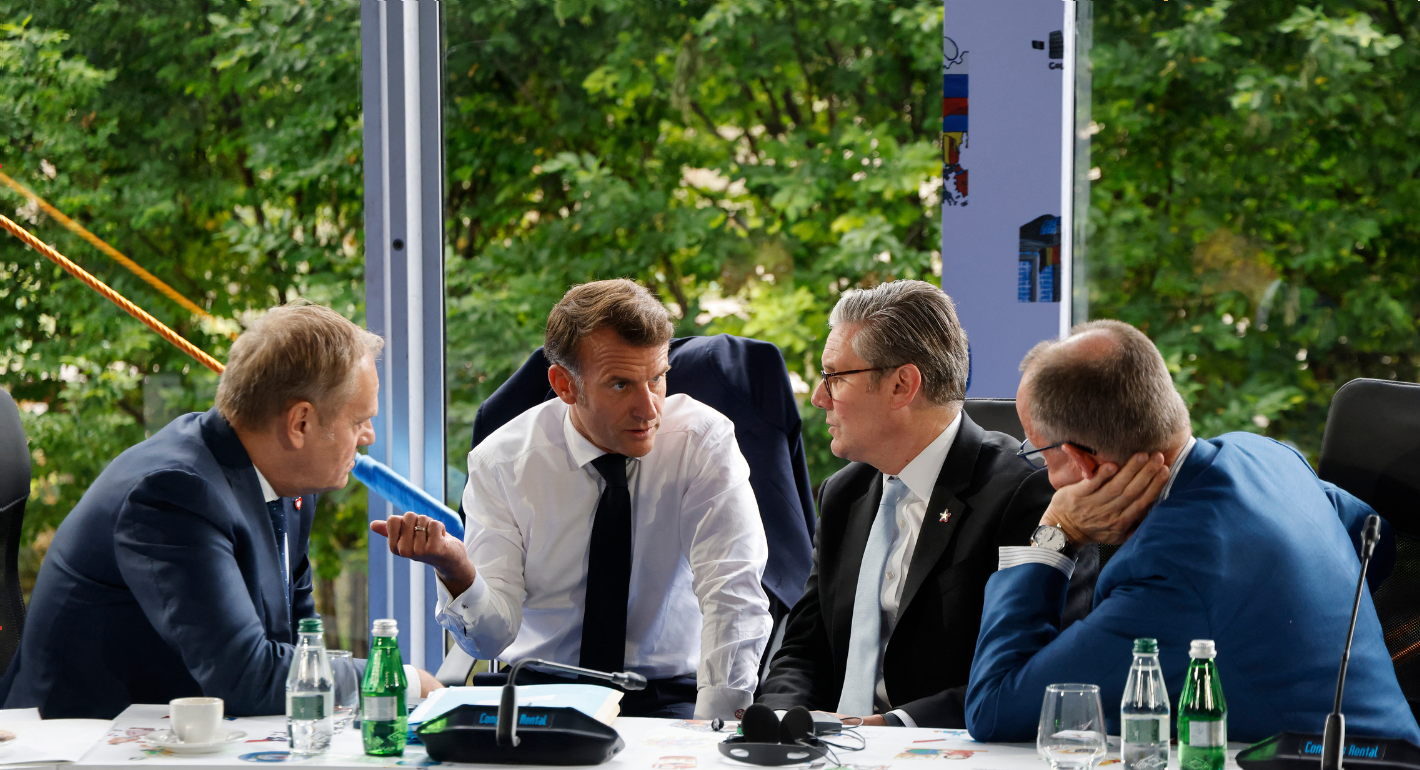
Leaning into a multispeed Europe that includes the UK is the way Europeans don’t get relegated to suffering what they must, while the mighty United States and China do what they want.
Rym Momtaz