

Q&A
Suzanne Maloney, Aaron David Miller, Karim Sadjadpour
{
  "authors": [
    "Karim Sadjadpour"
  ],
  "type": "legacyinthemedia",
  "centerAffiliationAll": "dc",
  "centers": [
    "Carnegie Endowment for International Peace",
    "Malcolm H. Kerr Carnegie Middle East Center"
  ],
  "collections": [
    "Iranian Proliferation"
  ],
  "englishNewsletterAll": "menaTransitions",
  "nonEnglishNewsletterAll": "",
  "primaryCenter": "Carnegie Endowment for International Peace",
  "programAffiliation": "MEP",
  "programs": [
    "Middle East"
  ],
  "projects": [],
  "regions": [
    "Middle East",
    "Iran",
    "Gulf"
  ],
  "topics": [
    "Political Reform",
    "Nuclear Policy"
  ]
}
Source: Getty
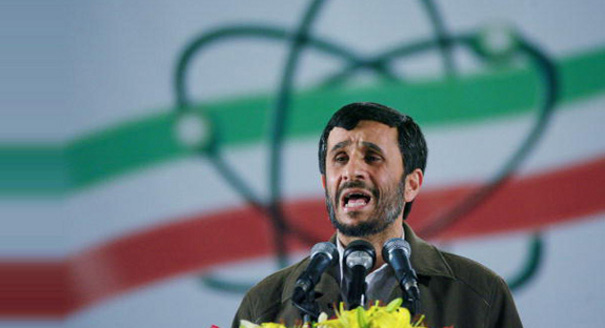
The impasse over Iran's nuclear ambitions has dragged on for years. With a new round of negotiations coming soon, will anything be different this time around?
Source: NPR
RACHEL MARTIN, HOST: Now, to what has become a complicated diplomatic ritual. This week, the United States, along with representatives from Europe, China, Russia and Iran will sit down for talks about that country's nuclear program. The impasse over Iran's nuclear ambitions has dragged on for 10 years now. But so far, this decade-long negotiation has yielded little for the West. And despite crippling international sanctions, Iran's nuclear power continues to grow.
KARIM SADJADPOUR: Ten years ago, what was at stake was preventing Iran from enriching uranium. Now, that's a train which has already left the tracks. Now what is being negotiated is the percentage of enriched uranium which Iran should be allowed to enrich to and to stockpile.MARTIN: Karim Sadjadpour is an expert on Iran and a senior associate on the Middle East Program at the Carnegie Endowment for International Peace. I began by asking him about the effects of Western sanctions on Iran's people and its government.
SADJADPOUR: The sanctions have certainly had an impact on people's standard of living - unemployment, rampant inflation, underemployment. But my sense when it comes to sanctions, my sense is that sanctions tend to accentuate people's existing political disposition. Meaning, if you're an opponent of the Iranian government and your life has been made worse off because of sanctions, you have one more reason to dislike the government. And if you're supportive of the Iranian government, you have one more reason to dislike the United States and so-called imperial powers. But I don't think that sanctions really get people to change teams.
MARTIN: But isn't the whole intention of the sanctions to motivate some kind of grassroots movement so the public puts pressure on the regime to change its policies? You're saying that's futile.
SADJADPOUR: Well, I'll tell you the challenge in dealing with Iran is that the person who is steering Iran's nuclear ship, Ali Khamenei, hasn't left Iran since 1989. He doesn't meet with Western officials, and increasingly he's purged his own system from critics and naysayers. And they surrounded themselves with sycophants. And so far it's not clear whether Khamenei fully appreciates the situation that Iran is in.
MARTIN: It has been 10 years, these talks have been going on for 10 years. So, where is the opportunity for some kind of deal on all of this?
SADJADPOUR: Well, for years now we've been saying that the status quo is unsustainable. If a deal isn't reached, it's going to deteriorate into some type of military conflagration. I don't think the Obama administration is at all interested in going to war against Iran. I think the Israelis are very reluctant. They would like the United States to do something, and I don't think that Iran is going to give the U.S. reason to go to war.
MARTIN: So, do you think that this is actually success, a kind of success, just Iran's not going to give, the U.S. isn't going to give and they both know it, and success is just Iran not going to war?
SADJADPOUR: I actually think that's right. I think Iran is one of many U.S. foreign policy challenges which isn't going to be solved. We're not going to find a resolution to our conflict with Iran until there's a different system of government there. But what dialogue, what negotiations helps to do, is to manage the conflict and to prevent what is now a cold conflict from deteriorating into a hot one. So, I think that in itself is indeed some type of success. Because we're preventing Iran from acquiring a nuclear weapon, we're preventing military conflict from breaking out. But there's not going to be a scenario by which, you know, Ayatollah Khamenei comes to Washington to the Rose Garden and signs off Iran's nuclear ambitions. And I think the Obama administration understands that. Their ambitions in the second term aren't to resolve this foreign policy conflict but merely to manage and contain it.
MARTIN: Karim Sadjadpour is a leading researcher on Iran with the Carnegie Endowment for International Peace. Karim, thanks for taking the time.
SADJADPOUR: Anytime, Rachel. Thank you.

Senior Fellow, Middle East Program
Karim Sadjadpour is a senior fellow at the Carnegie Endowment for International Peace, where he focuses on Iran and U.S. foreign policy toward the Middle East.
Recent Work

Suzanne Maloney, Aaron David Miller, Karim Sadjadpour

Aaron David Miller, Karim Sadjadpour, Robin Wright
Carnegie does not take institutional positions on public policy issues; the views represented herein are those of the author(s) and do not necessarily reflect the views of Carnegie, its staff, or its trustees.

A notable degree of participative democracy has firmly arrived in Europe. But to have more far-reaching impact, democratic deliberation needs to move into a radically new phase.

Richard Youngs

Before the next wave of EU enlargement takes place, the union needs to grapple with thorny questions of how power is distributed among its members.


Emil Sondaj Hansen, Ditte Brasso Sørensen

As the EU confronts profound challenges, several leaders have called for fundamental reform to the union’s model—but only modest, superficial changes have resulted. What if Europe really could be reimagined from zero today: What should such a redesigned European order look like?
Richard Youngs, ed.
When the U.S.-Iran memorandum of understanding was announced, the UK, France, Germany, and Italy declared their readiness to help demine the Strait of Hormuz and lift nuclear sanctions on Tehran. But does Europe need new tools to recover a diplomatic role?

Rym Momtaz, ed.
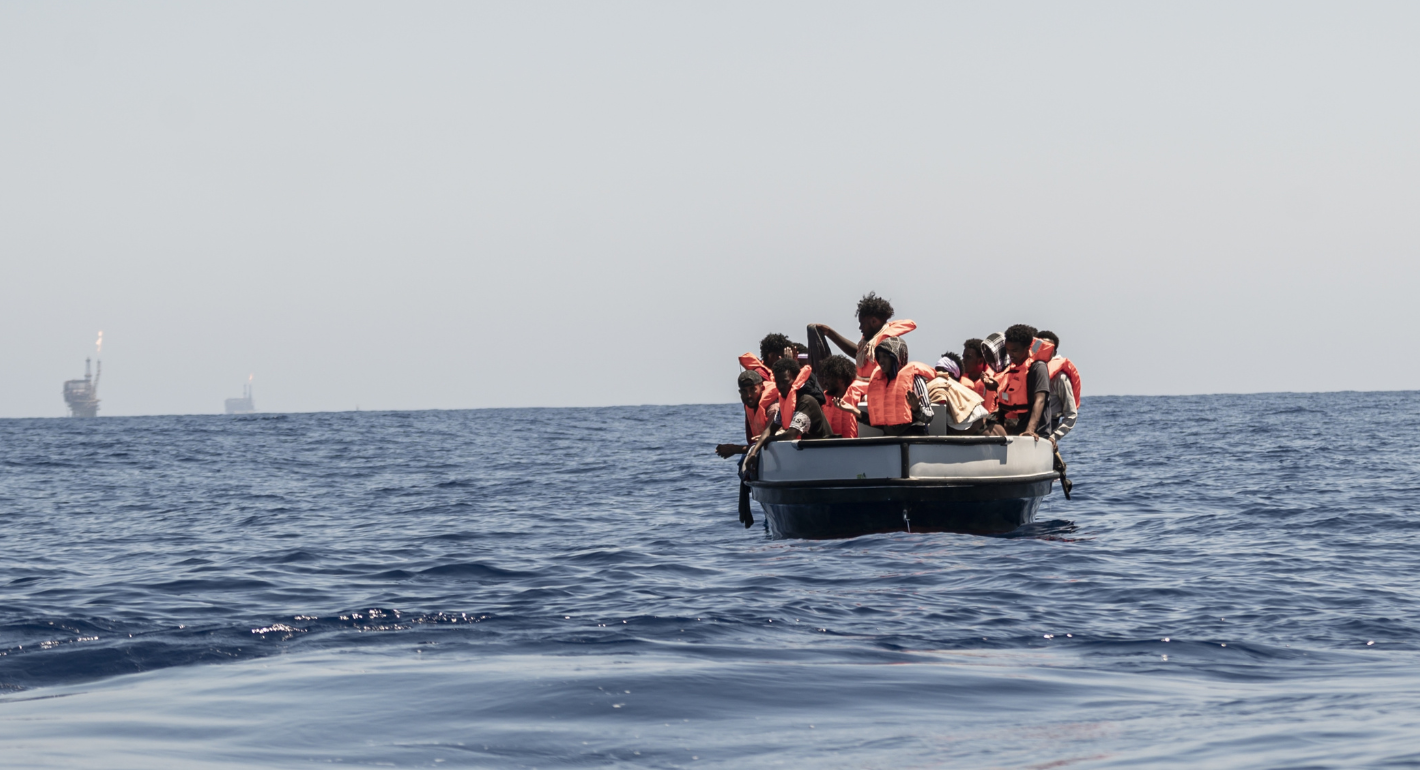
The EU’s new migration policy is not suited to today’s realities. With climate change increasingly becoming a driver of displacement, Europe needs to rethink its deterrence-focused approach.

Shana Tabak