

Q&A
Suzanne Maloney, Aaron David Miller, Karim Sadjadpour
{
  "authors": [
    "Karim Sadjadpour"
  ],
  "type": "legacyinthemedia",
  "centerAffiliationAll": "dc",
  "centers": [
    "Carnegie Endowment for International Peace",
    "Malcolm H. Kerr Carnegie Middle East Center"
  ],
  "collections": [],
  "englishNewsletterAll": "menaTransitions",
  "nonEnglishNewsletterAll": "",
  "primaryCenter": "Carnegie Endowment for International Peace",
  "programAffiliation": "MEP",
  "programs": [
    "Middle East"
  ],
  "projects": [],
  "regions": [
    "Middle East",
    "Iran"
  ],
  "topics": [
    "Political Reform"
  ]
}
Source: Getty
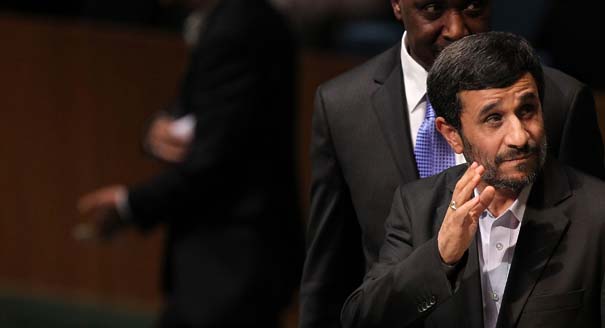
Although Ahmadinejad’s mismanagement and abrasive style lost him supporters and political allies, his confidence and boastfulness never faltered.
Source: BBC World Service
Speaking on BBC World Service, Carnegie’s Karim Sadjadpour reflected on the legacy of former Iranian President Mahmoud Ahmadinejad. Sadjadpour explained that although Ahmadinejad wasn’t Iran’s most powerful man, his denial of the Holocaust forced Western journalists to learn how to pronounce his name. Though reviled in the West, he noted that Ahmadinejad was popular among the pious working class outside of Iran, who admired his willingness to defy America and Israel. Ahmadinejad presided over the greatest oil windfall in the Iran’s history, but during his presidency, Iran’s inflation rate doubled and its currency depreciated over 80 percent under his custodianship. Over time, Ahmadinejad’s mismanagement and abrasive style lost him supporters and political allies, but his boastfulness never faltered, Sadjadpour concluded.
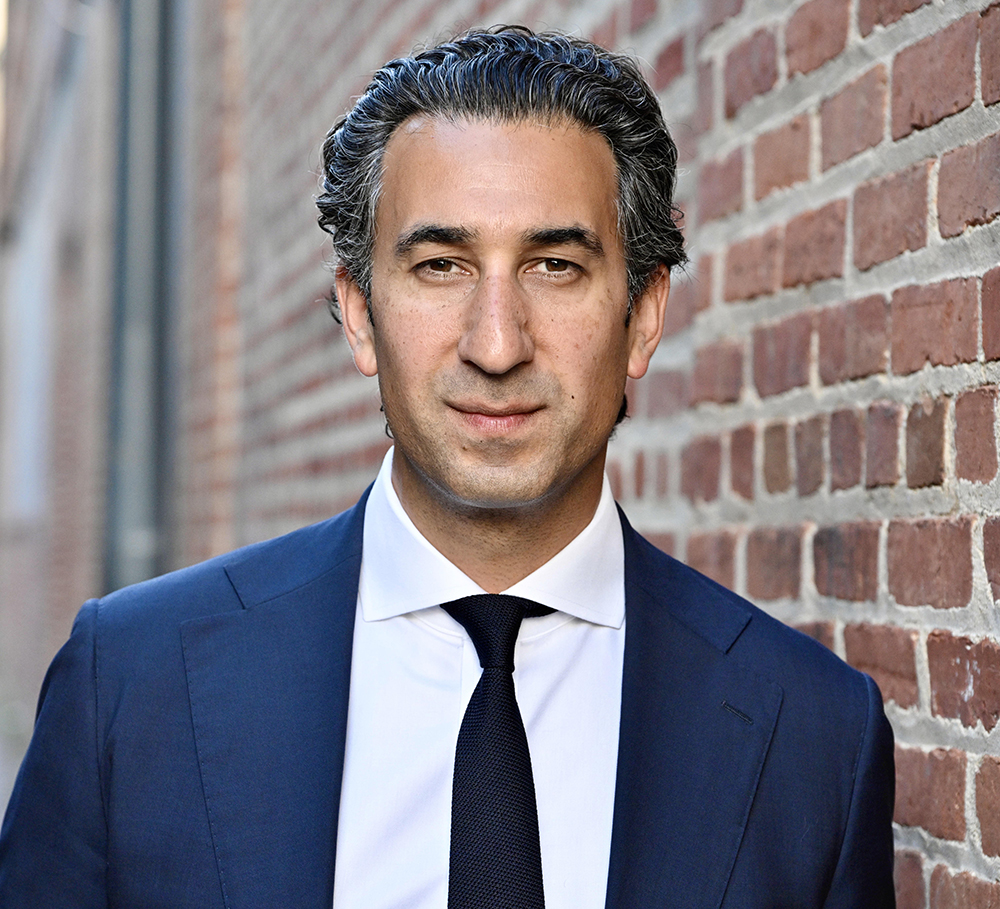
Senior Fellow, Middle East Program
Karim Sadjadpour is a senior fellow at the Carnegie Endowment for International Peace, where he focuses on Iran and U.S. foreign policy toward the Middle East.
Recent Work
Suzanne Maloney, Aaron David Miller, Karim Sadjadpour
Aaron David Miller, Karim Sadjadpour, Robin Wright
Carnegie does not take institutional positions on public policy issues; the views represented herein are those of the author(s) and do not necessarily reflect the views of Carnegie, its staff, or its trustees.
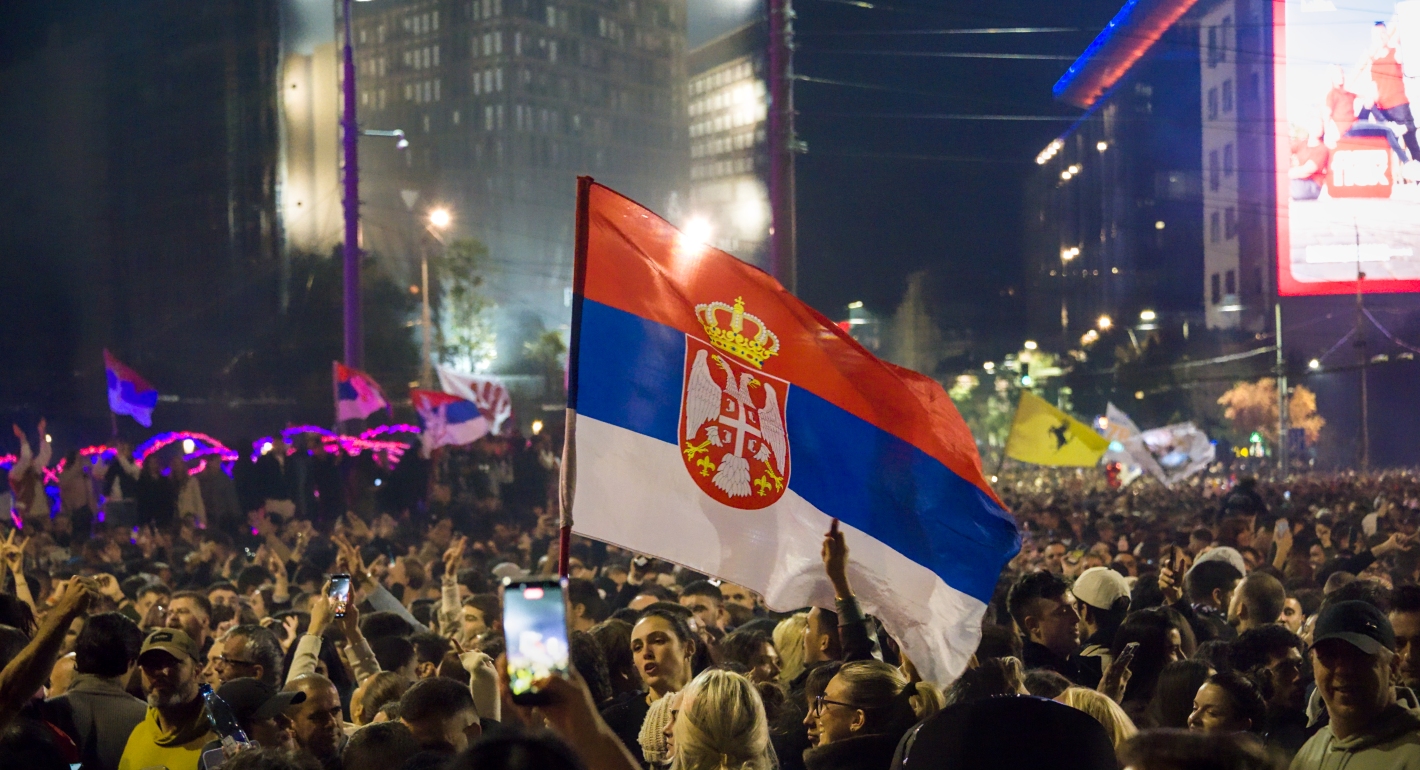
After two years of mass protests, Serbia’s student-led movement has ousted Aleksandar Vučić. Now the Student List must prove it can deliver on its promises.
Dimitar Bechev
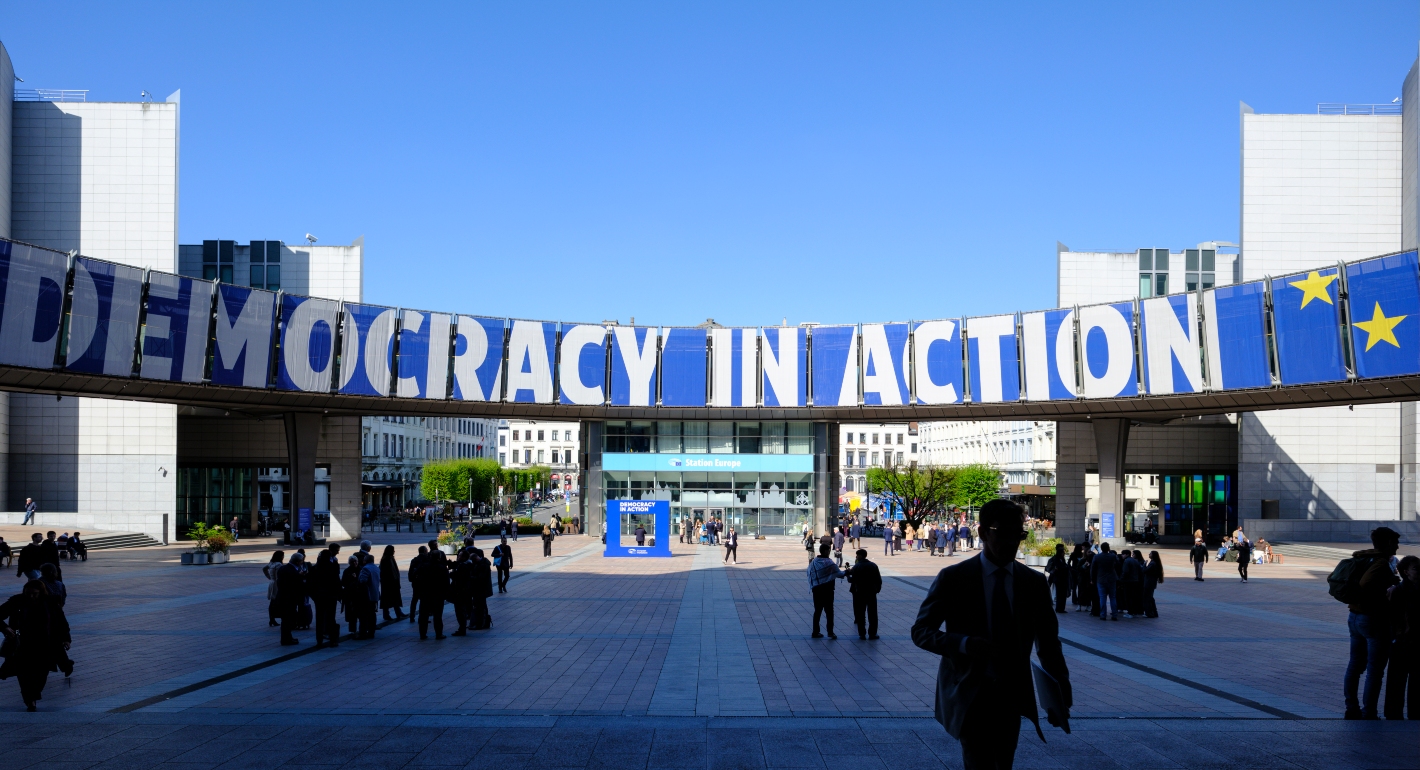
A notable degree of participative democracy has firmly arrived in Europe. But to have more far-reaching impact, democratic deliberation needs to move into a radically new phase.
Richard Youngs
Before the next wave of EU enlargement takes place, the union needs to grapple with thorny questions of how power is distributed among its members.
Emil Sondaj Hansen, Ditte Brasso Sørensen
As the EU confronts profound challenges, several leaders have called for fundamental reform to the union’s model—but only modest, superficial changes have resulted. What if Europe really could be reimagined from zero today: What should such a redesigned European order look like?
Richard Youngs, ed.
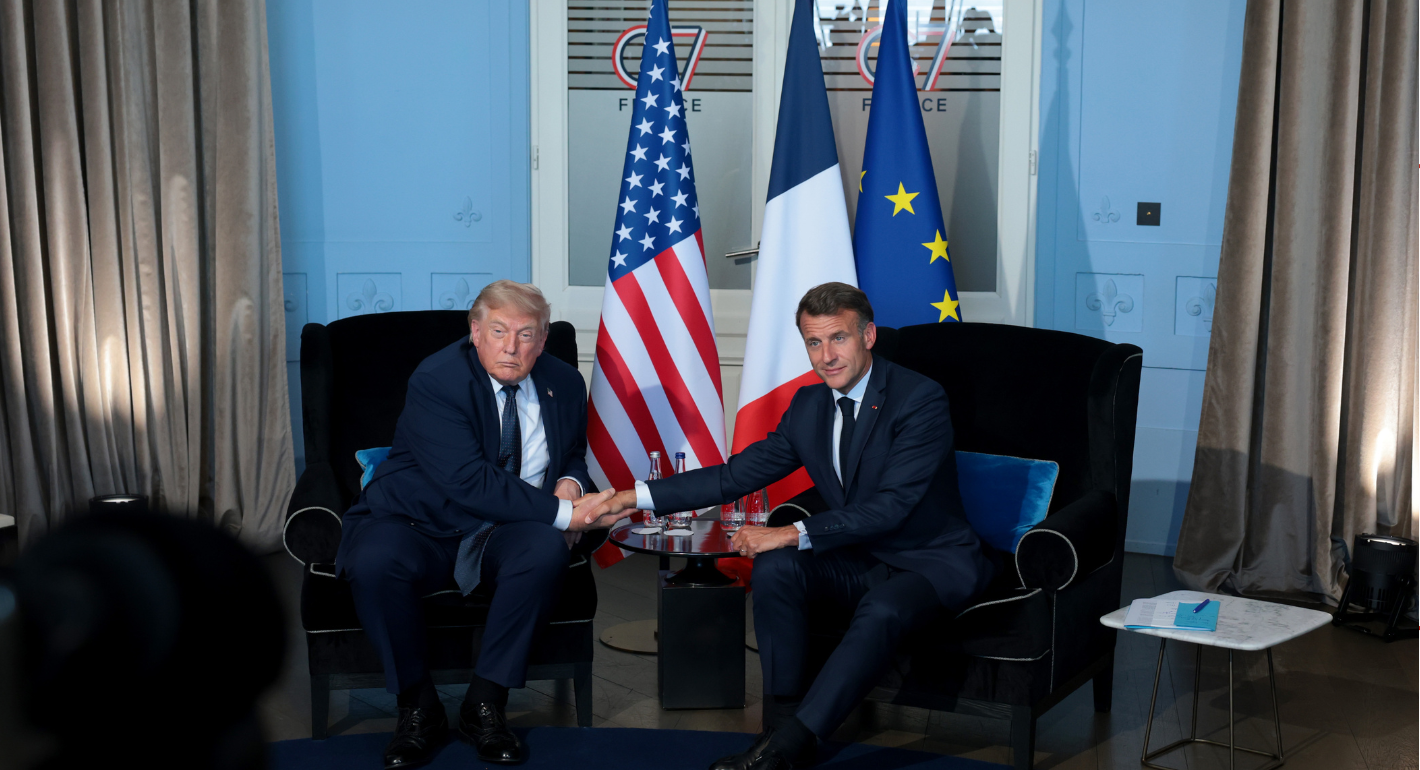
When the U.S.-Iran memorandum of understanding was announced, the UK, France, Germany, and Italy declared their readiness to help demine the Strait of Hormuz and lift nuclear sanctions on Tehran. But does Europe need new tools to recover a diplomatic role?

Rym Momtaz, ed.