

In The Media
John Judis
{
  "authors": [
    "John Judis"
  ],
  "type": "legacyinthemedia",
  "centerAffiliationAll": "",
  "centers": [
    "Carnegie Endowment for International Peace"
  ],
  "collections": [],
  "englishNewsletterAll": "",
  "nonEnglishNewsletterAll": "",
  "primaryCenter": "Carnegie Endowment for International Peace",
  "programAffiliation": "",
  "programs": [],
  "projects": [],
  "regions": [
    "North America",
    "United States"
  ],
  "topics": [
    "Political Reform",
    "Global Governance"
  ]
}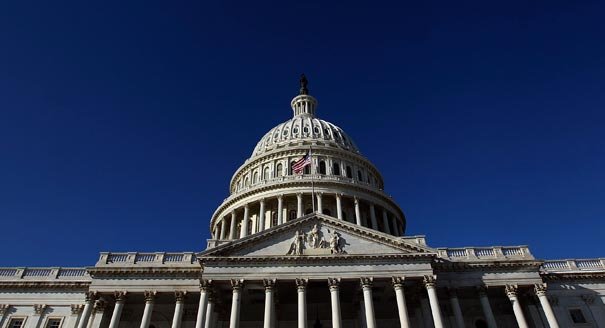
Source: Getty
The Washington Post was once one of the nation’s two great newspapers. It covered not just Washington, but the world, and it did so according to canons of objectivity.
Source: New Republic
The Washington Post was once one of the nation’s two great newspapers. It covered not just Washington, but the world, and it did so according to canons of objectivity handed down by the current publisher’s great grandfather, Eugene Meyer. Meyer was a member of a bygone elite. He made many millions on Wall Street and as an industrialist, but by the 1920s was devoting himself to public service—as official in successive administrations and as chairman of the Federal Reserve. In 1933, he bought the Washington Post at a bankruptcy sale. Two years later, he explained what he saw the role of the newspaper to be:
The first mission of a newspaper is to tell the truth as nearly as the truth can be ascertained. The newspaper shall tell all the truth so far as it can learn it, concerned the important affairs of America and the world … In the pursuit of truth, the newspaper shall be prepared to make sacrifices of its material fortunes, if such a course be necessary for the public good. The newspaper shall not be the ally of any special interest, but shall be fair and free and wholesome in its outlook on public affairs and public men.
Eventually, the Post lived up to Meyer’s ideal. It covered the “important affairs of America and the world,” and it did so according to the canons of objectivity that Meyer endorsed. During the climactic era of Vietnam and Watergate, the Post and The New York Times also added an important codicil to Meyer’s definition of fairness and truth telling. Respect for the flag and the office of the presidency had limited both papers’ willingness to look behind what presidents and cabinet officials or generals or admirals said. They reported their words accurately without examining whether they were true. But during this period, both papers turned their reporters loose and let them ascertain the truth behind the public utterances. That expanded rather than violated the canons of objectivity, and established both papers internationally as arbiters of the news.Over the last decade, the Post has reduced staff and has closed its national bureaus. It still covers Washington, and covers the rest of the nation and world when something earthshaking is happening there, but it no longer competes with The New York Times in covering the “important affairs of America and the world.” That’s a great loss to the country. Papers go through cycles of quality, and like any other business, are better for having to compete with a worthy rival. The New York Times now stands alone. Will the sale of the Washington Post to Jeff Bezos alter that? Will he seek to restore The Post to its former glory?
I don’t know more about Bezos than I have read in the papers, and I have learned over the years to take initial statements by new owners with a grain of salt. On a positive side, I don’t see Bezos attempting to use The Post in some Sam Zell-like financial transaction that will result in its becoming even less of its former self. I also don’t think that Bezos has a political agenda that will threaten the newspaper’s commitment to objectivity. It will still cover the news.
On a less optimistic note, I don’t see him as a person who, like Meyer, would be willing to take losses in order to perform the public service that a good newspaper can provide. I see him wanting to make a profit out of the business the way he made a profit out of Amazon. I would bet he has a plan, and I would suspect it will involve moving most of the operation away from print to the internet. I think that could be done, but I don’t think it will be possible to maintain the Post as a profitable, and even less a highly profitable, enterprise and cover the news the way Eugene Meyer envisaged. It’s too expensive. There isn’t enough money in it. Perhaps, The New York Times can survive because of its monopoly as the national paper of record. As much as I think the country needs two such papers, I don’t think it’s economically feasible to have two such papers. So I am not optimistic about the future of The Washington Post.
Eventually, the country is going to have to face up to the fact that in order to have the kind of news outlets—whether on the web or on paper—that Eugene Meyer envisaged, it will have to subsidize them with public funds. I am not sure how to do this. I’ll leave that for Ezra Klein and his colleagues on Wonkblog to figure out. But I can’t see any other alternative to the continued absence of the kind of newspaper that the Washington Post once was. I don’t think Jeff Bezos represents that kind of alternative, but I’ll be happy to be surprised.

Former Visiting Scholar
As a visiting scholar at Carnegie, Judis wrote The Folly of Empire: What George W. Bush Could Learn from Theodore Roosevelt and Woodrow Wilson.
Recent Work
John Judis
John Judis
Carnegie does not take institutional positions on public policy issues; the views represented herein are those of the author(s) and do not necessarily reflect the views of Carnegie, its staff, or its trustees.

In Ukraine, Gaza, and Iran, AI warfare has come to dominate, with barely any oversight or accountability. Europe must lead the charge on the responsible use of new military technologies.

Raluca Csernatoni

Montenegro and Albania are frontrunners for EU enlargement in the Western Balkans, but they can’t just sit back and wait. To meet their 2030 accession ambitions, they must make a strong positive case.


Dimitar Bechev, Iliriana Gjoni
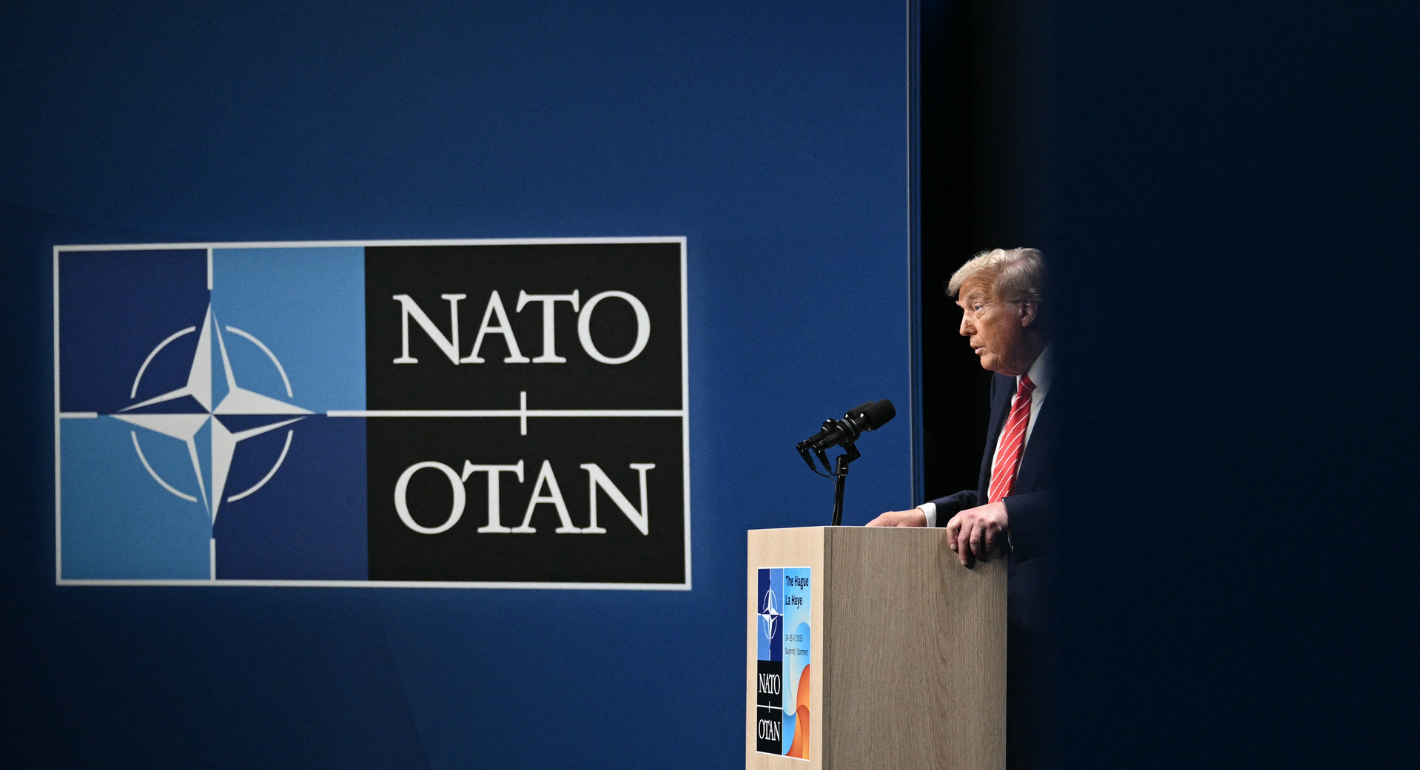
Donald Trump has repeatedly bashed NATO and European allies, threatening to annex Canada and Greenland and deploring their lack of enthusiasm for his war of choice in Iran. Is this latest round of abuse the final straw?

Rym Momtaz, ed.
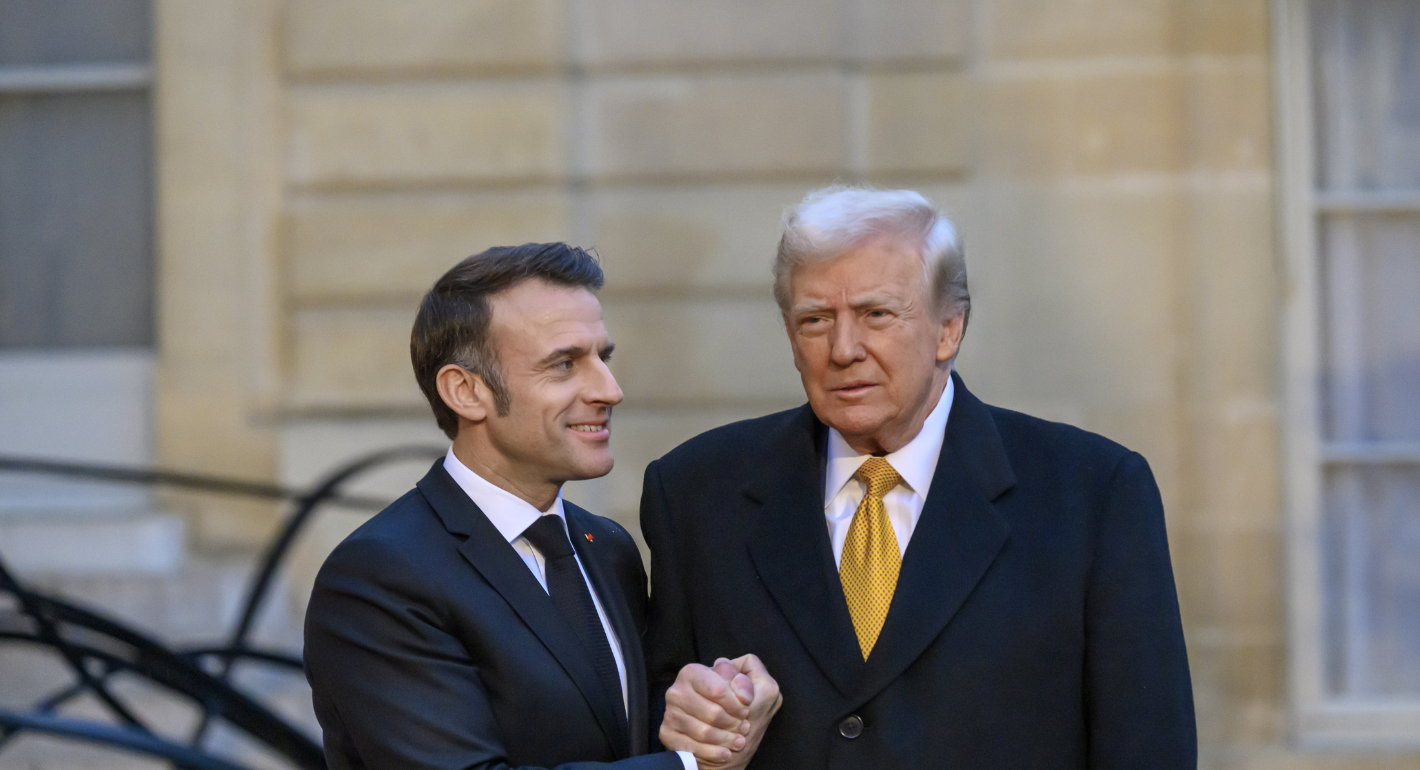
Donald Trump’s repudiation of NATO goes against the Make America Great Again vision of a U.S.-centered foreign policy. If the goal is to preserve the alliance by boosting Europe’s commitments, leaning into France’s vision is the most America First way forward.
Rym Momtaz

The wars in Ukraine and the Middle East are existential threats to Europe as a peace project. Leaders and citizens alike must reaffirm their solidarity to face up to today’s multifaceted challenges.

Marc Pierini