• Research
  • Strategic Europe
  • About
  • Experts
Carnegie Europe logoCarnegie lettermark logo
EUNATO
  • Donate
{
  "authors": [
    "Alexey Arbatov"
  ],
  "type": "commentary",
  "centerAffiliationAll": "",
  "centers": [
    "Carnegie Endowment for International Peace",
    "Carnegie Russia Eurasia Center"
  ],
  "collections": [],
  "englishNewsletterAll": "",
  "nonEnglishNewsletterAll": "",
  "primaryCenter": "Carnegie Endowment for International Peace",
  "programAffiliation": "",
  "programs": [],
  "projects": [],
  "regions": [
    "Syria"
  ],
  "topics": []
}

Source: Getty

Commentary

Syria: Make Arms-Control, Not War

The proposal to hand over Syrian chemical weapons to international monitors is a very positive development. It may prevent the American airstrike against Syria and allows Russia and the United States to finally find some common ground.

Link Copied
By Alexey Arbatov
Published on Sep 12, 2013

The proposal to hand over Syrian chemical weapons to international monitors is a very positive development. First of all, it may prevent the American airstrike against Syria which could lead to unpredictable consequences. Second, it allows Russia and the United States to finally find some common ground—at least on the issue of preventing the use of chemical weapons. So, despite the fact that the practical implementation of the proposal is very complex and expensive, it is clearly a welcome step from a diplomatic standpoint.

The idea of bringing the Syrian chemical weapons under international control was initially put forward by the Americans themselves. During his visit to Russia, the U.S. Secretary of State John Kerry said that the United States could refrain from or postpone the strike against Syria if there were a guarantee that the chemical weapons would be put under control and would not be used again. The Russian side complemented this idea with a proposal to not simply control but have Syrian chemical weapons destroyed and get Syria to sign the Chemical Weapons Convention (it is now one of the few states that have not done it). Thus, the current initiative is a joint creation.

Many Russians believe that the Obama Administration is eager to find a pretext to strike Syria. However, this belief is totally off-base. Having ended two wars, Obama and his administration definitely do not want to start a third one. They realize that a strike against Syria will trigger a response from other states, particularly Iran, which is likely to send its troops to Syria as a reaction to the American involvement in the Syrian conflict. Then an attack on Iran would have to be considered as well. And the Americans have enough problems on their hands as it is—it is still unclear what the consequences of the wars in Iraq and Afghanistan will be. There is actually nothing worse for the Americans than rushing into the Syrian war. Obama resists it as much as he can, but he is being pressured by the foreign policy hawks, and he gave in by declaring that he is prepared to authorize a military strike against Syria.

I think it was a serious error on his part, as he has nothing to lose, since he is no longer up for reelection. He is not planning, like some other leaders, to run for office again four years later. Therefore, he could simply hold his own by saying, “I have ended two wars and will not start the third; I will adhere to international law and the Security Council prerogatives and will not use force until the U.N. Commission makes its final determination as to which side had used chemical weapons. Getting involved in a new war at this point would mean erasing all the accomplishments of the recent years and essentially returning to the Bush policies that have thrust the country into an unprecedented foreign and domestic economic crisis. Now, despite the Obama administration’s erroneous decision on being prepared to launch a military action, a real chance to avoid it has emerged.

However, it should be remembered that discovering, sealing, and subsequently destroying chemical weapons in Syria will require Bashar Assad’s cooperation, since no one but him can cooperate on this issue. Then the Americans will have to recognize Assad and shelve their demands for his removal. Another condition for the proposal’s successful implementation is at the very least a ceasefire. It is virtually impossible to ensure the safekeeping of chemical weapons—let alone their removal and destruction— while a civil war is raging. It is an extremely complex and dangerous undertaking. Even Russia has faced enormous challenges on its own territory while destroying its chemical weapons in accordance with the Chemical Weapons Convention it signed. Besides, Assad’s signing the Convention and its ratification by the parliament would effectively legitimize the Syrian regime. Russia has no problems with it, but it is a very sensitive issue for the West. It appears, though, that despite all the challenges that the process entails, the proposal to subject the Syrian regime’s chemical weapons to international control does provide prospects for the future. And the very fact that the Americans indicated their readiness to discuss this possibility indicates that they are now prepared to change their policy, since the military intervention will yield no positive results from any possible angle.

About the Author

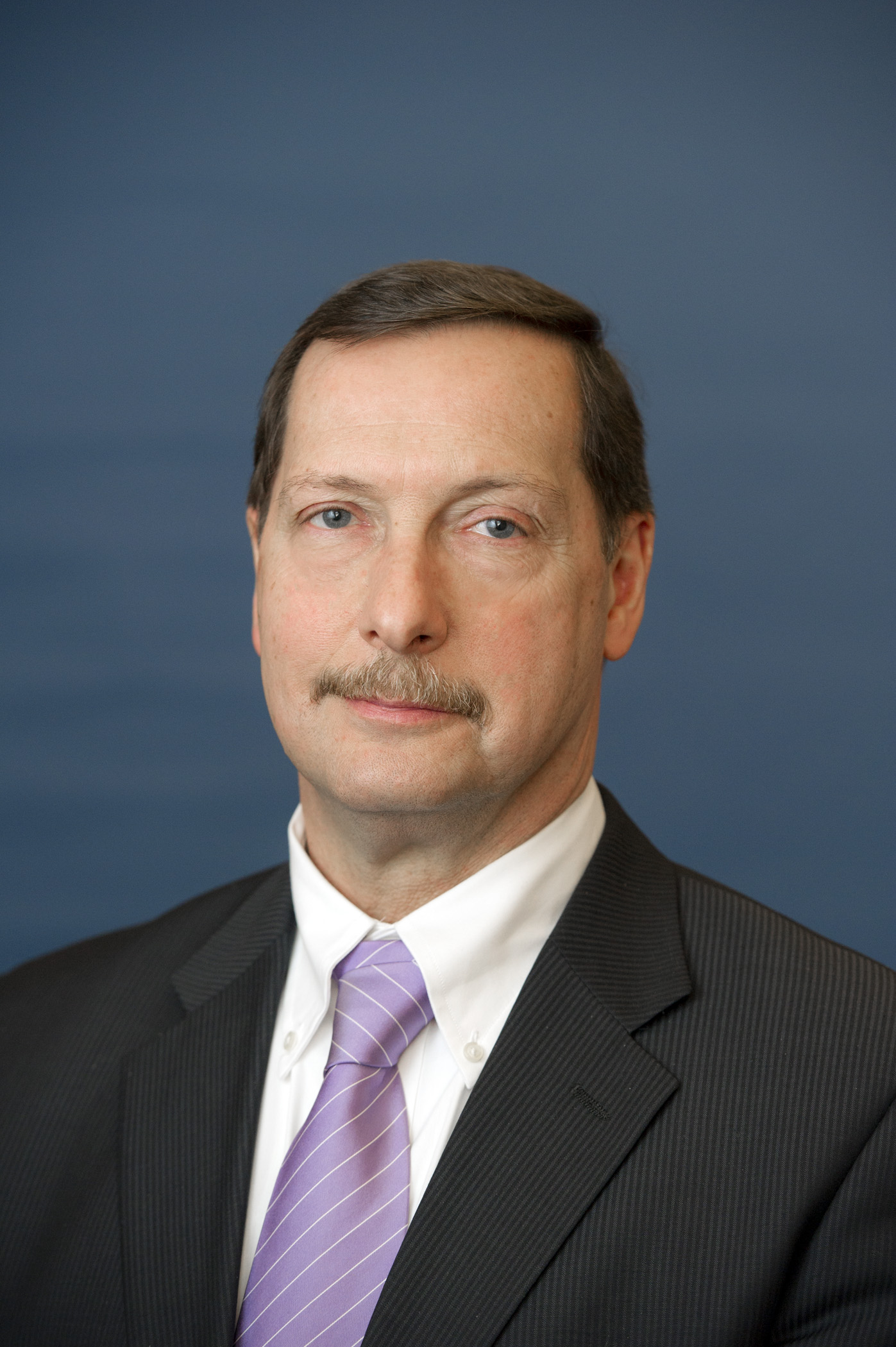
Alexey Arbatov

Alexey Arbatov is the head of the Center for International Security at the Primakov National Research Institute of World Economy and International Relations.

Alexey Arbatov

Alexey Arbatov is the head of the Center for International Security at the Primakov National Research Institute of World Economy and International Relations.

Alexey Arbatov
Syria

Carnegie does not take institutional positions on public policy issues; the views represented herein are those of the author(s) and do not necessarily reflect the views of Carnegie, its staff, or its trustees.

More Work from Carnegie Europe

  • Commentary
    Strategic Europe
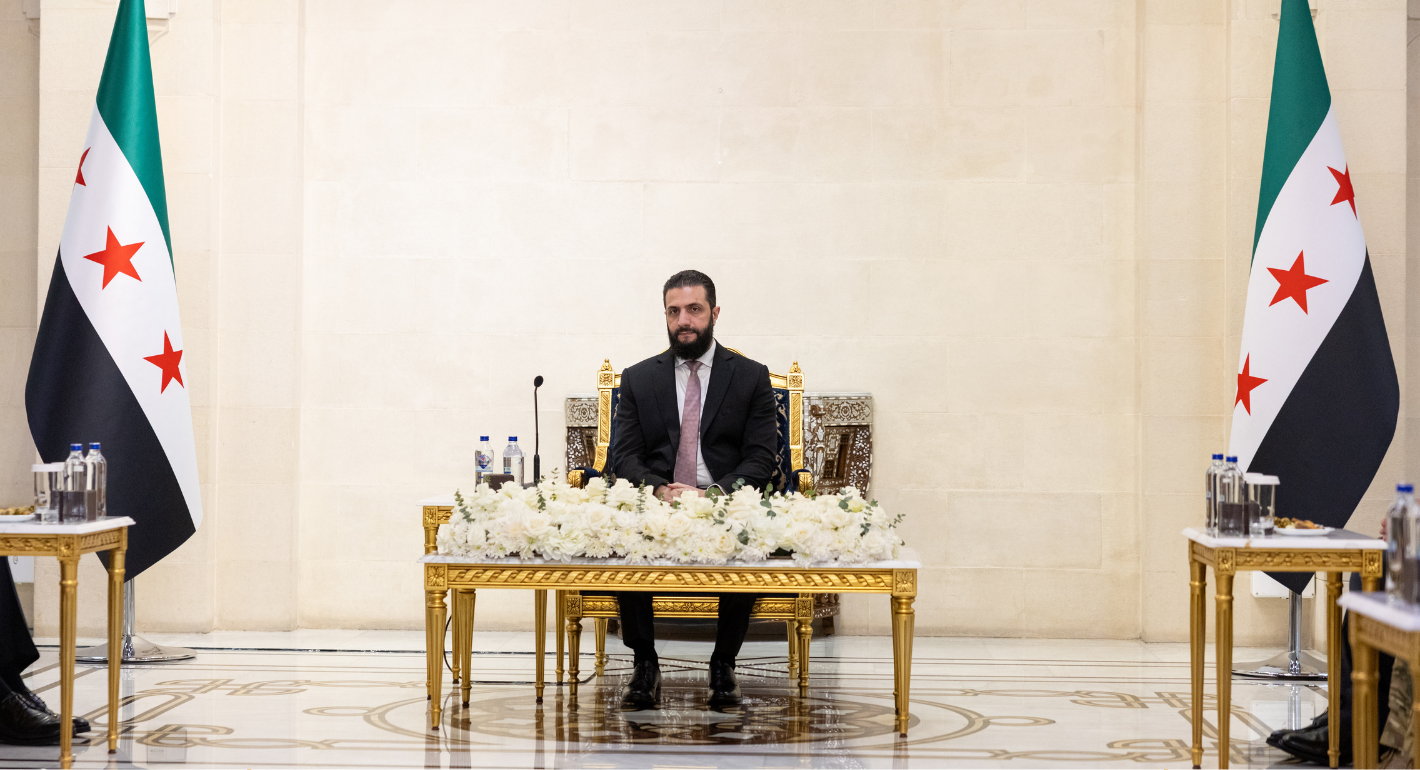
    Can Europe Still Matter in Syria?

    Europe’s interests in Syria extend beyond migration management, yet the EU trails behind other players in the country’s post-Assad reconstruction. To boost its influence in Damascus, the union must upgrade its commitment to ensuring regional stability.

      Bianka Speidl, Hanga Horváth-Sántha
  • Commentary
    Strategic Europe
    Taking the Pulse: Are Europe’s New Asylum Policies a Betrayal of its Values?

    Hard-line approaches to asylum policy are increasingly common, with crackdowns proposed even by parties that traditionally hold liberal views on migration. Does this shift represent a break with Europe’s fundamental values?

      Thomas de Waal

  • Commentary
    Hopes and Uncertainties in Syria

    After the fast disintegration of the Assad regime, the difficult reconstruction of the Syrian state is only just beginning. Meanwhile, Europe, Israel, Russia, Türkiye, and the United States have major stakes in Syria’s complex future.

      Marc Pierini

  • Triple Nexus climate conflict
    Paper
    The EU’s Triple-Nexus Challenge: Climate, Conflict, Democracy

    The EU’s fragmented approaches to the crises of climate change, conflict, and democracy fall short by not addressing the mutually reinforcing links between them. Brussels needs an integrated strategy to tackle the emerging three-way nexus and mitigate the vulnerabilities it creates.

      • +1

      Richard Youngs, Ricardo Farinha, Jasper Linke, …

  • Commentary
    Diwan
    Why Turkey’s Syria Policy May Be About to Change

    As municipal elections near, the Erdogan government feels it is facing a dangerous situation that imposes a new military intervention.

      • Francesco Siccardi

      Francesco Siccardi

Get more news and analysis from
Carnegie Europe
Carnegie Europe logo, white
Rue du Congrès, 151000 Brussels, Belgium
  • Research
  • Strategic Europe
  • About
  • Experts
  • Projects
  • Events
  • Contact
  • Careers
  • Privacy
  • For Media
  • Gender Equality Plan
Get more news and analysis from
Carnegie Europe
© 2026 Carnegie Endowment for International Peace. All rights reserved.