

Paper
George Perkovich
{
  "authors": [
    "George Perkovich"
  ],
  "type": "legacyinthemedia",
  "centerAffiliationAll": "dc",
  "centers": [
    "Carnegie Endowment for International Peace",
    "Malcolm H. Kerr Carnegie Middle East Center"
  ],
  "collections": [
    "Iranian Proliferation"
  ],
  "englishNewsletterAll": "ctw",
  "nonEnglishNewsletterAll": "",
  "primaryCenter": "Carnegie Endowment for International Peace",
  "programAffiliation": "NPP",
  "programs": [
    "Nuclear Policy"
  ],
  "projects": [],
  "regions": [
    "Middle East",
    "Iran"
  ],
  "topics": [
    "Nuclear Policy"
  ]
}
Source: Getty
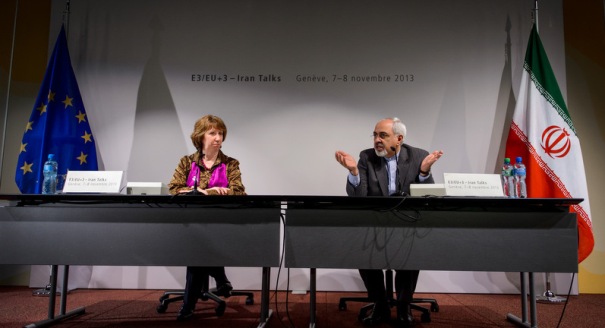
An interim agreement between Iran and the P5+1 could be a positive step toward achieving nonproliferation goals and overcoming mutual distrust with Iran.
Source: NPR
SCOTT SIMON, HOST:
The negotiations there in Geneva center on the requirement that Iran somehow limit its enrichment of uranium, which can be used to make a nuclear weapon. And in exchange, of course, the West would ease some of the sanctions that have so crippled Iran's finances. But this deal is about more than Iran. It was supposed to be about brightening the future of nonproliferation around the world. George Perkovich, director of the Nuclear Policy Program at the Carnegie Endowment for International Peace, joins us in the studios. Thanks so much for being with us, Mr. Perkovich.
GEORGE PERKOVICH: Thank you.
SIMON: Given all the caveats we just heard from Peter Kenyon, if this interim deal - six months, whatever - comes about, is it a good precedent in your mind?
PERKOVICH: Well, I think it's a good precedent if it leads to a final deal that actually satisfies, you know, obviously, Iran in order to get it agreed, but the international community. And in that sense, the interim deal will have stopped either the march of Iranians' program towards weapons or a march towards war. It will suggest that the rules that we have actually work and their enforcement can be done diplomatically, so that you then can get a final resolution that allows Iran to have a purely peaceful program that the rest of the world concludes will in fact remain purely peaceful. That would be a huge gain.
SIMON: I gather you know President Rouhani?
PERKOVICH: Mm-hmm.
SIMON: Let me put this bluntly. Is he trustworthy? Is Iran sincere?
PERKOVICH: Well, I think in this negotiation, the way I think about it is a little play on President Reagan's old line about, you know, trust but verify the Soviet Union. Here, I would say it's distrust and verify. We have to distrust Iran based on the history we have with them. They distrust us even more, if that's possible, based on their view of history going back to 1953.
SIMON: Subverting the - overthrowing the Iranian government.
PERKOVICH: Right, overthrowing their government, supporting the shah, things like that. So, I think Rouhani is reasonable. I think he wants clearly to end Iran's isolation and wants Iran to be a big player on the stage, which is actually what has the Saudi Arabians and others...
SIMON: I was going to suggest. That's not good news to every country in the region.
PERKOVICH: Exactly. And so - but precisely because it's in Iran's interest, I think he realizes the only way for all of that to happen is to end the nuclear crisis and convince the world they don't want the bomb. Because Iran's big enough that it doesn't need a bomb, basically. And that, again, is what alarms Saudi Arabia.
SIMON: Does it need nuclear enrichment?
PERKOVICH: No. From a technical point of view and economic point of view, I think objectively one would say no. Psychologically and politically at this point, because this issue had become central for more than 10 years, if they give up on that, they would lose politically. So, at this point, it's a political psychological necessity.
SIMON: They want to be able to say we're - we made a real deal, we're a real country, we can enrich uranium if we want.
PERKOVICH: Exactly.
SIMON: Is that a good technical - technically speaking, given your knowledge in this area, is that a good precaution for so many nations to have? I mean, what's the step between nuclear enrichment for peaceful purposes and developing a bomb?
PERKOVICH: Well, I mean, look, from a nonproliferation point of view, ideally, no one would be doing enrichment because, you know, then you would have real reassurance they don't have the stuff that could make a bomb go boom. But 14 countries already are doing enrichment, including Iran. So, you probably can't get that ideal where no one's doing it, in which case now Iran's paid a huge price. So, if anybody else wanted to do enrichment against the rules, you know, you're talking about hundreds of billions of dollars, total isolation, your scientists are being assassinated, they're sabotaging your country; enrichment's worth that much? And I think the answer would be, for most countries, no.
SIMON: In the half a minute that we have left, what about Saudi Arabia? If there is a deal, does it make it more or less likely that the Saudis develop their own weapon, or just bring it in on the rails?
PERKOVICH: The most likely way the Saudis would get a weapon is if Iran gets a weapon. This deal would lower the likelihood that Iran gets a weapon. So, Saudi Arabia may not get a weapon but it then has an existential crisis, which is that Iran's now being welcomed back into the international system and is a much bigger player than Saudi Arabia. And that's the existential problem for Saudi Arabia. Whether they get a bomb or not, Iran's alarming to them.
SIMON: George Perkovich of the Carnegie Endowment. Thanks so much for being with us.
PERKOVICH: Thank you.
This article was originally published in National Public Radio.

Japan Chair for a World Without Nuclear Weapons, Senior Fellow
George Perkovich is the Japan Chair for a World Without Nuclear Weapons and a senior fellow in the Carnegie Endowment for International Peace’s Nuclear Policy Program. He works primarily on nuclear deterrence, nonproliferation, and disarmament issues.
Recent Work
George Perkovich
George Perkovich
Carnegie does not take institutional positions on public policy issues; the views represented herein are those of the author(s) and do not necessarily reflect the views of Carnegie, its staff, or its trustees.
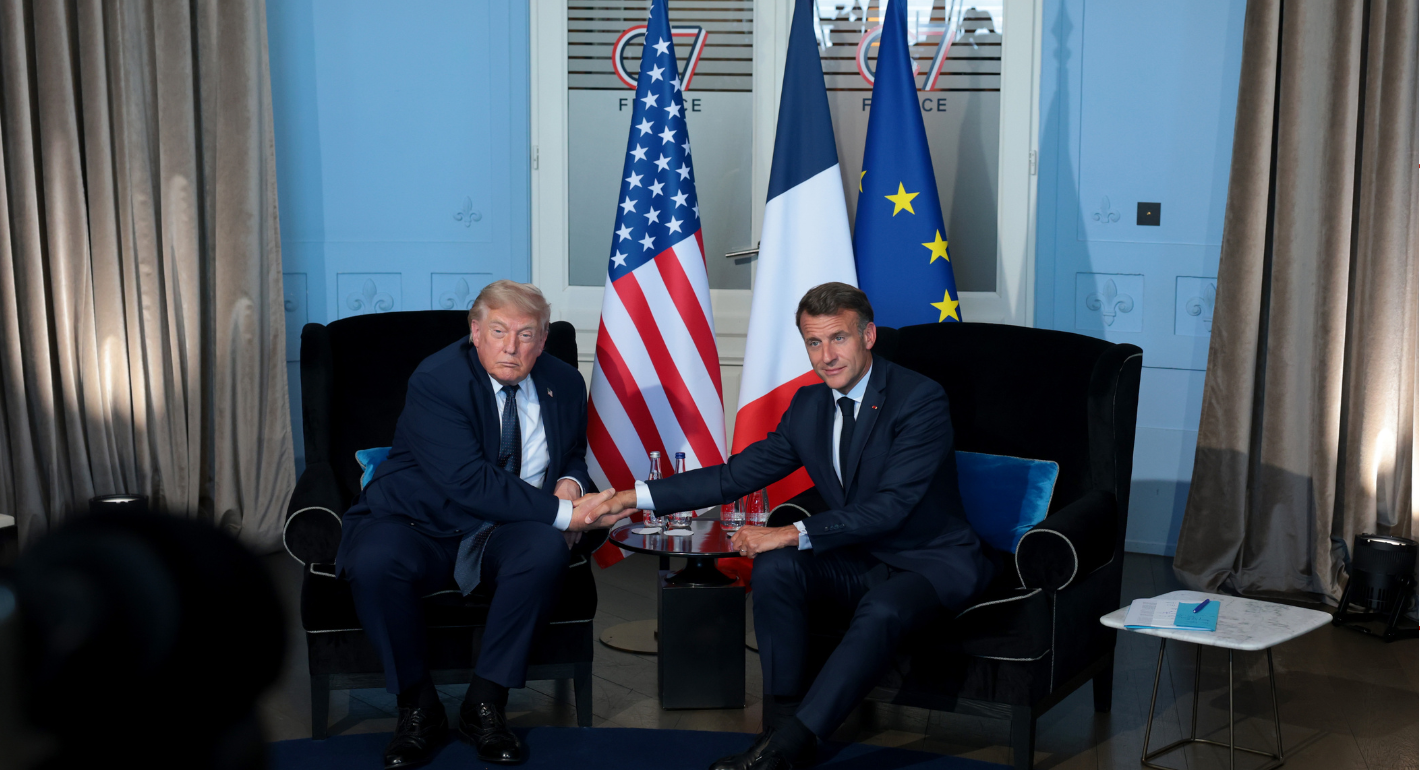
When the U.S.-Iran memorandum of understanding was announced, the UK, France, Germany, and Italy declared their readiness to help demine the Strait of Hormuz and lift nuclear sanctions on Tehran. But does Europe need new tools to recover a diplomatic role?

Rym Momtaz, ed.
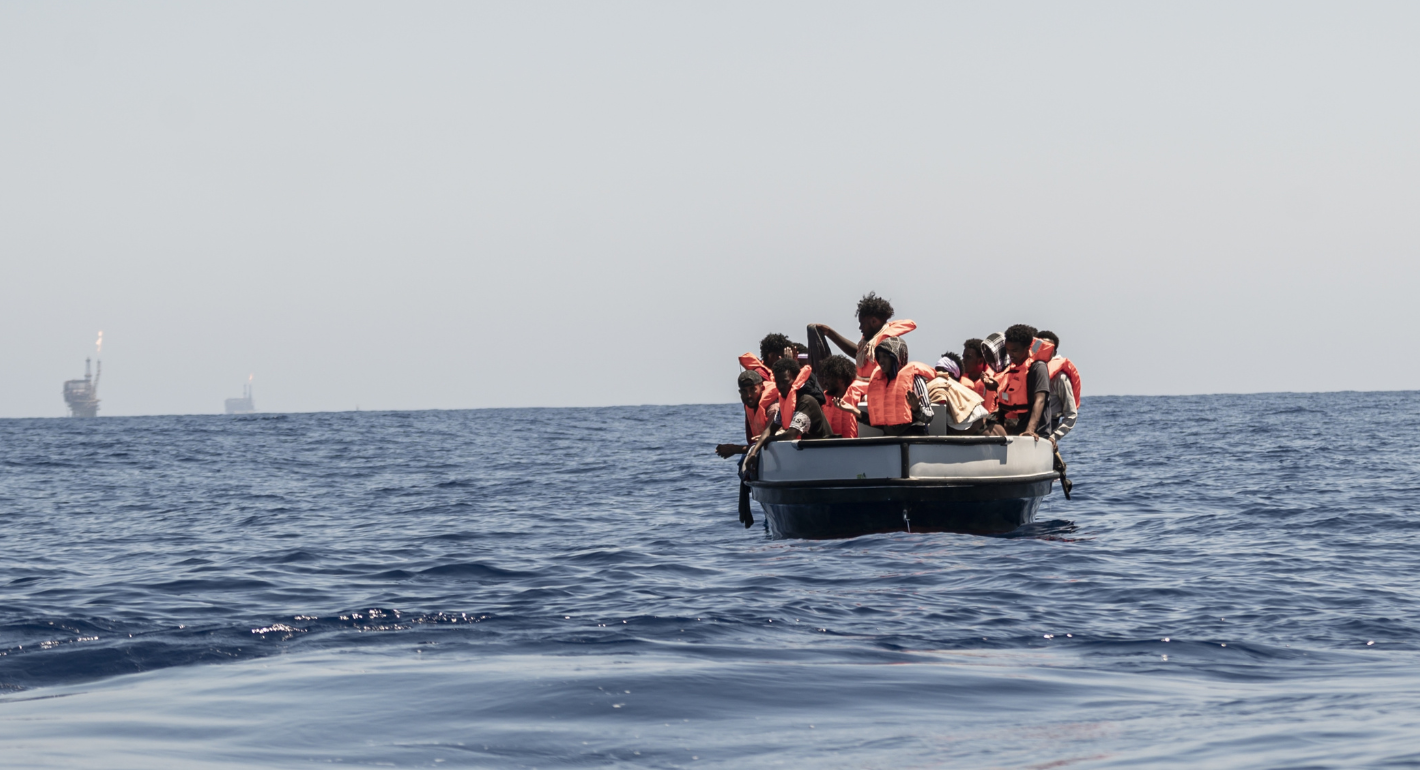
The EU’s new migration policy is not suited to today’s realities. With climate change increasingly becoming a driver of displacement, Europe needs to rethink its deterrence-focused approach.

Shana Tabak
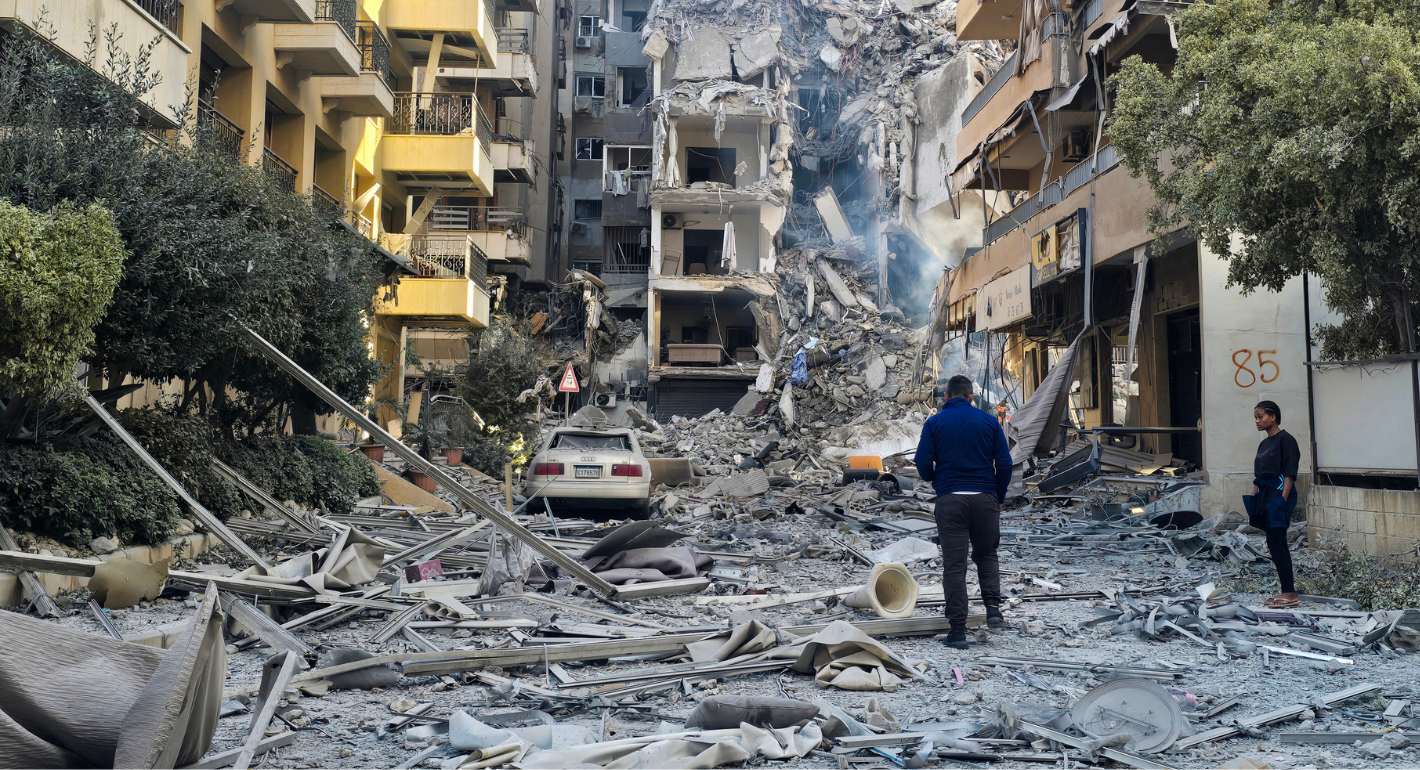
Europe seems to have accepted its sidelining in the Middle East. The EU must reassert its support for the international rules-based order and step up engagement.
Rym Momtaz
Amid uncertainty caused by the Iran war, the global drive for nonproliferation has stalled. With Europe diplomatically marginalized and countries reassessing their nuclear options, efforts to curb the spread of nuclear weapons risk becoming irrelevant.

Jane Darby Menton
The U.S.-Iran war has crossed a dangerous threshold: water infrastructure in the Gulf is now a target. Ecological statecraft is no longer peripheral to security, it's part of its foundations.
Olivia Lazard, Ali Bin Shahid