

Article
- +1
Toby Dalton, Mark Hibbs, Nicole Grajewski, …
{
  "authors": [
    "Mark Hibbs"
  ],
  "type": "legacyinthemedia",
  "centerAffiliationAll": "dc",
  "centers": [
    "Carnegie Endowment for International Peace",
    "Malcolm H. Kerr Carnegie Middle East Center"
  ],
  "collections": [
    "Iranian Proliferation",
    "U.S. Nuclear Policy"
  ],
  "englishNewsletterAll": "ctw",
  "nonEnglishNewsletterAll": "",
  "primaryCenter": "Carnegie Endowment for International Peace",
  "programAffiliation": "NPP",
  "programs": [
    "Nuclear Policy",
    "Middle East"
  ],
  "projects": [],
  "regions": [
    "North America",
    "United States",
    "Middle East",
    "Iran"
  ],
  "topics": [
    "Nuclear Policy",
    "Nuclear Energy"
  ]
}
Source: Getty
Ongoing and difficult diplomacy with Iran does not provide U.S. lawmakers with grounds to require potential 123 partners not to enrich uranium or reprocess reactor fuel as a matter of principle. That would seriously endanger 123 agreements in some cases.
Source: Hill
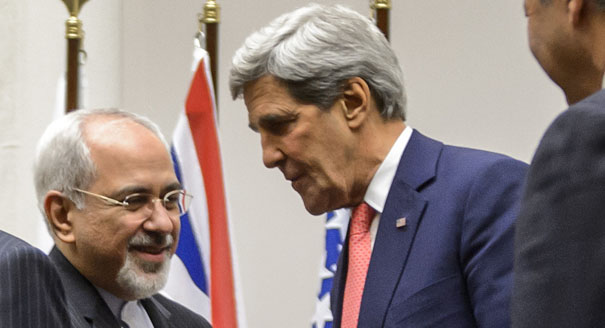
When Secretary of State John Kerry this fall stepped up negotiations on the first stage of what might become a comprehensive deal to end the Iran nuclear crisis, he cribbed the playbook of administration officials who were fine-tuning the United States’ approach to negotiating bilateral nuclear cooperation agreements with its foreign partners.
In both cases, the administration grasped that an important U.S. policy objective—preventing the spread of nuclear weapons—could not be met by squeezing foreign governments to agree to terms they could and would refuse. In adjusting, the administration walked back commonly held assumptions about how much leverage Washington has to force countries to give up nuclear activities which are permitted under the Nuclear Nonproliferation Treaty.
For twenty years Iran concealed the scope of its nuclear program, which included development of uranium enrichment technology that can be used for reactor fuel or bombs. For a decade after Iran’s activities were exposed in 2003, the U.S. aimed to roll back Iran’s enrichment program to zero.That policy failed. Iran shrugged off a hundred billion dollars in losses from sanctions and built up its enrichment capabilities unabated. Last month, sensing an opportunity provided by the election of President Hassan Rouhani, the U.S. and other powers cut a deal with Iran which rolled back or froze key Iranian activities but that did allow Iran to continue enriching uranium. At this point it’s fairly certain that a comprehensive solution the two sides have agreed to negotiate would result in Iran maintaining a circumscribed enrichment program.
As a direct result of the 2003 revelations about Iran’s centrifuge enrichment program, the U.S. sought to impose a ban on the spread of enrichment and reprocessing knowhow to more countries. In line with that objective, Washington concluded a bilateral agreement for nuclear cooperation—a so-called 123 agreement after the relevant section of the U.S. Atomic Energy Act—with the United Arab Emirates which legally commits the UAE in accordance with its national laws not to enrich uranium or reprocess spent fuel.
Flushed with that success, some officials argued that henceforth all new 123 agreements should force partner governments to forgo their options to enrich and reprocess—what became known as “the gold standard” for nuclear cooperation. But like Iran, countries negotiating 123 agreements, including Jordan, Saudi Arabia, and Vietnam, refused to have Washington dictate and limit their future nuclear technology choices. Some protagonists in debates on Iran and broader nuclear policy insist there is no “right” to enrich. Yet, if this were self-evidently true, it would not have been a big deal for the UAE to have agreed not to undertake enrichment. Nor would other countries have a basis for refusing to forego enrichment or reprocessing in their bilateral negotiations with the U.S. and other states.
Faced with the reality that these countries would simply refuse to accept Washington’s terms, and thus shutting out U.S. nuclear industry from competition in those markets, the U.S. has adopted a more conciliatory policy toward potential nuclear partners. In 2008 the U.S. gave up the objective of a global ban on enrichment and reprocessing exports; this year, the U.S. decided that it would not make banning enrichment and reprocessing a condition of all new 123s.
Why did the Obama administration walk back U.S. ambitions to dictate nuclear trade and nonproliferation terms to others? Doesn’t the U.S. want more nonproliferation and not less?
The bottom line is that many countries fully compliant with their NPT obligations recently have been pushing back against the U.S. approach. This is for several reasons—led off by rising interest in nuclear technology to address energy security and climate change concerns, coupled with the conviction that their “rights” to develop and deploy nuclear know-how are at stake. Various countries have been willing to challenge the U.S. on this point because during the last half-century the U.S. has lost its near-hegemony over nuclear intellectual property. Argentina, Brazil, Canada, China, France, India, Japan, Russia, South Africa, and South Korea in the future will all be nuclear supplier states. None of these is dedicated to zero enrichment or reprocessing in countries they are partnering with.
The administration should use its leverage wisely in response through a policy of carefully calibrated adjustment, not appeasement, toward both Iran and future 123s.
Without a negotiated settlement, Iran may indefinitely continue unfettered development of sensitive nuclear capabilities including for uranium enrichment, plutonium production, and for producing nuclear weapons. Last month’s initial agreement suspending and rolling back some key enrichment activities is a hiatus and an opportunity to reach a comprehensive deal limiting the scope of Iran’s nuclear activities, while providing for intrusive verification to assure that Iran’s entire program is transparent, understood, and dedicated to peaceful uses. The U.S. should take advantage of this opportunity, recognizing the risks inherent in the status quo.
The U.S. should also urge prospective 123 partners without enrichment and reprocessing capabilities not to develop these. Some states will refuse to legally abandon these options, but it should prove possible to reach bilateral political understandings that enrichment and reprocessing are not justified by the extent of countries’ nuclear power programs. That’s the basis for the agreement struck last month on a new 123 agreement with Vietnam.
The U.S. should use its leverage to limit the spread of these technologies. But it should keep in mind that its 123 partners have already made, and are honoring, firm nonproliferation and monitoring commitments. Could the U.S. squeeze some countries to say uncle? Probably, but the amount of political capital the U.S. must expend would be disproportionate to the marginal benefit.
In coming weeks and months, the Congress should encourage the administration to persuade countries the U.S. is working with not to enrich uranium or reprocess reactor fuel, and it should encourage President Obama to reach a final deal with Iran which spells out that any uranium enrichment by Iran must be permitted at the price of long-term, formidable and intrusive oversight and transparency. But ongoing and difficult diplomacy with Iran provides no grounds for lawmakers to require that potential 123 partners may not enrich and reprocess as a matter of principle. That would seriously endanger 123 agreements in some cases, just as a policy of “zero enrichment” would result in no deal with Iran.

Nonresident Senior Fellow, Nuclear Policy Program
Hibbs is a Germany-based nonresident senior fellow in Carnegie’s Nuclear Policy Program. His areas of expertise are nuclear verification and safeguards, multilateral nuclear trade policy, international nuclear cooperation, and nonproliferation arrangements.
Recent Work


Toby Dalton, Mark Hibbs, Nicole Grajewski, …
Mark Hibbs
Carnegie does not take institutional positions on public policy issues; the views represented herein are those of the author(s) and do not necessarily reflect the views of Carnegie, its staff, or its trustees.
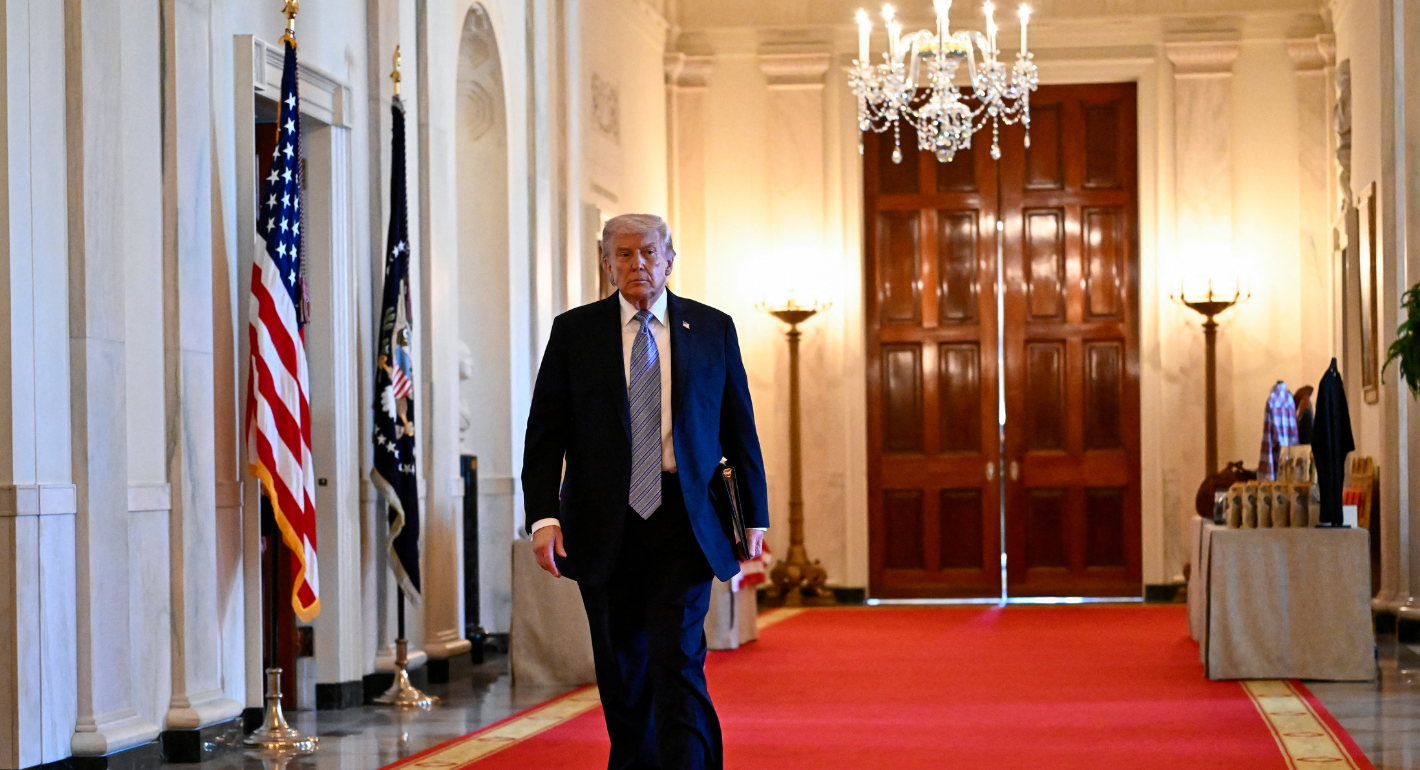
After spending much of 2025 trying to placate Donald Trump, some European leaders are starting to change posture. But is even a hostile Washington still so important to Europe that the U.S. president’s outbursts are worth putting up with?

Rym Momtaz, ed.
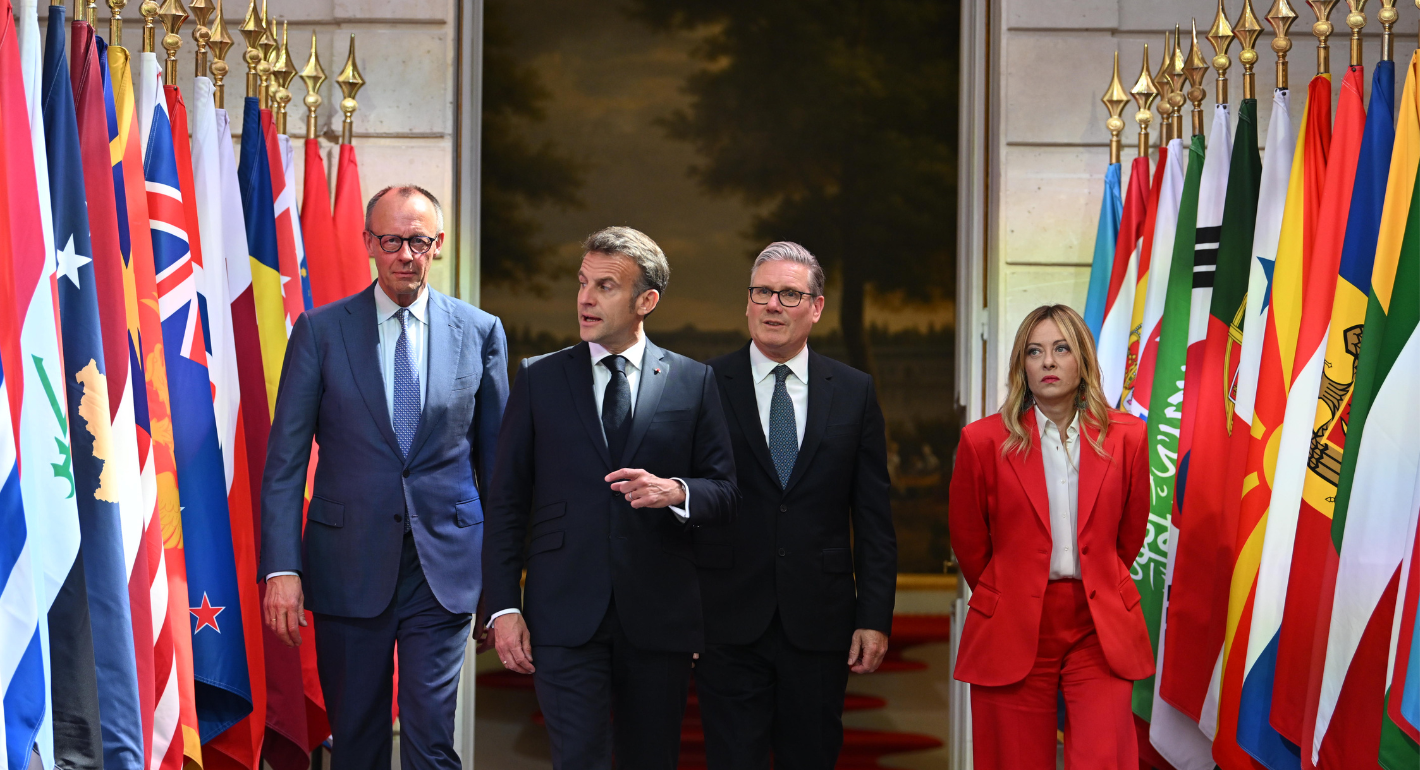
European leaders have now not only lost faith in Donald Trump’s U.S. presidency, but also in America’s hegemony as a whole. But short-term challenges make an immediate divorce unwise.
Rym Momtaz
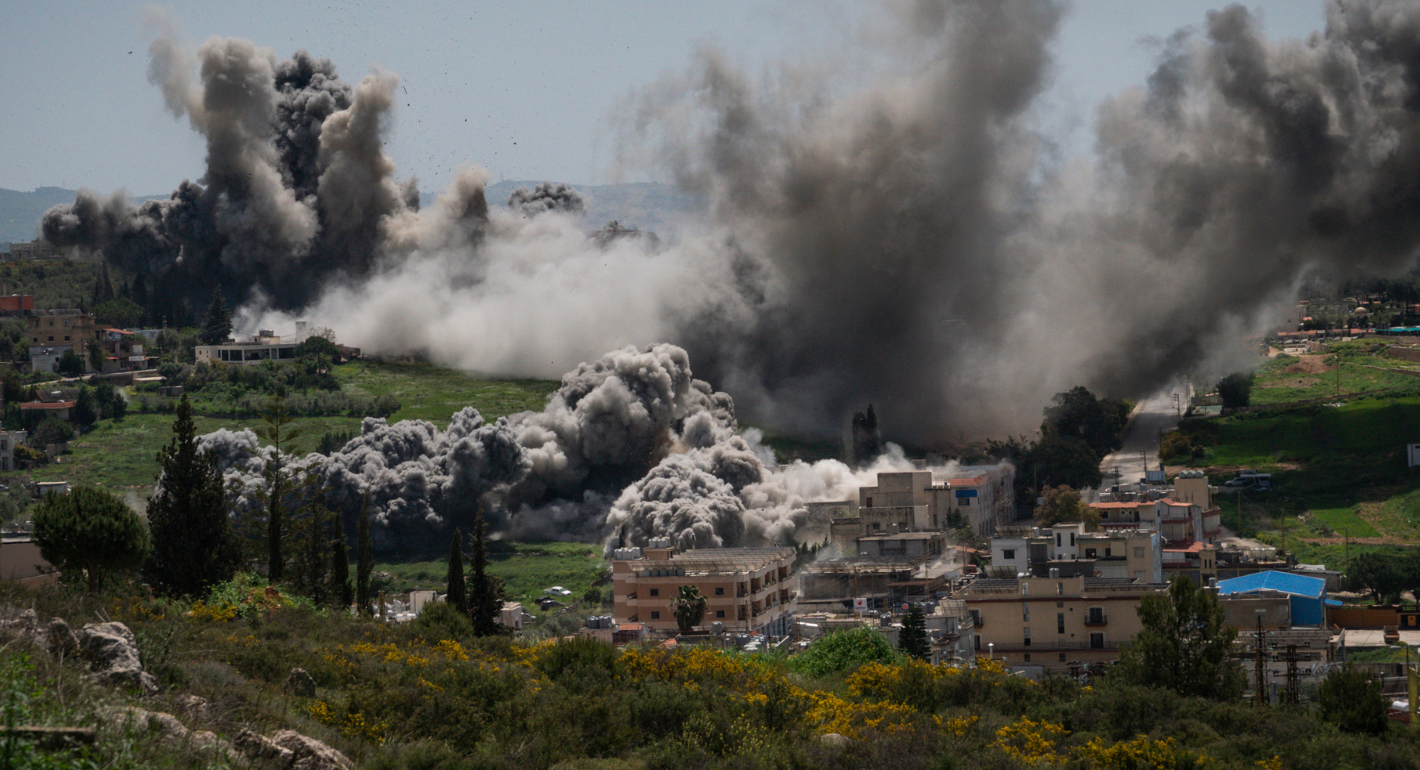
Europe has been standing by while its Southern neighborhood is being redrawn by force. To establish a path to peace between Israel and Lebanon, it’s time for Europeans to get involved with hard power.
Rym Momtaz

In Ukraine, Gaza, and Iran, AI warfare has come to dominate, with barely any oversight or accountability. Europe must lead the charge on the responsible use of new military technologies.

Raluca Csernatoni
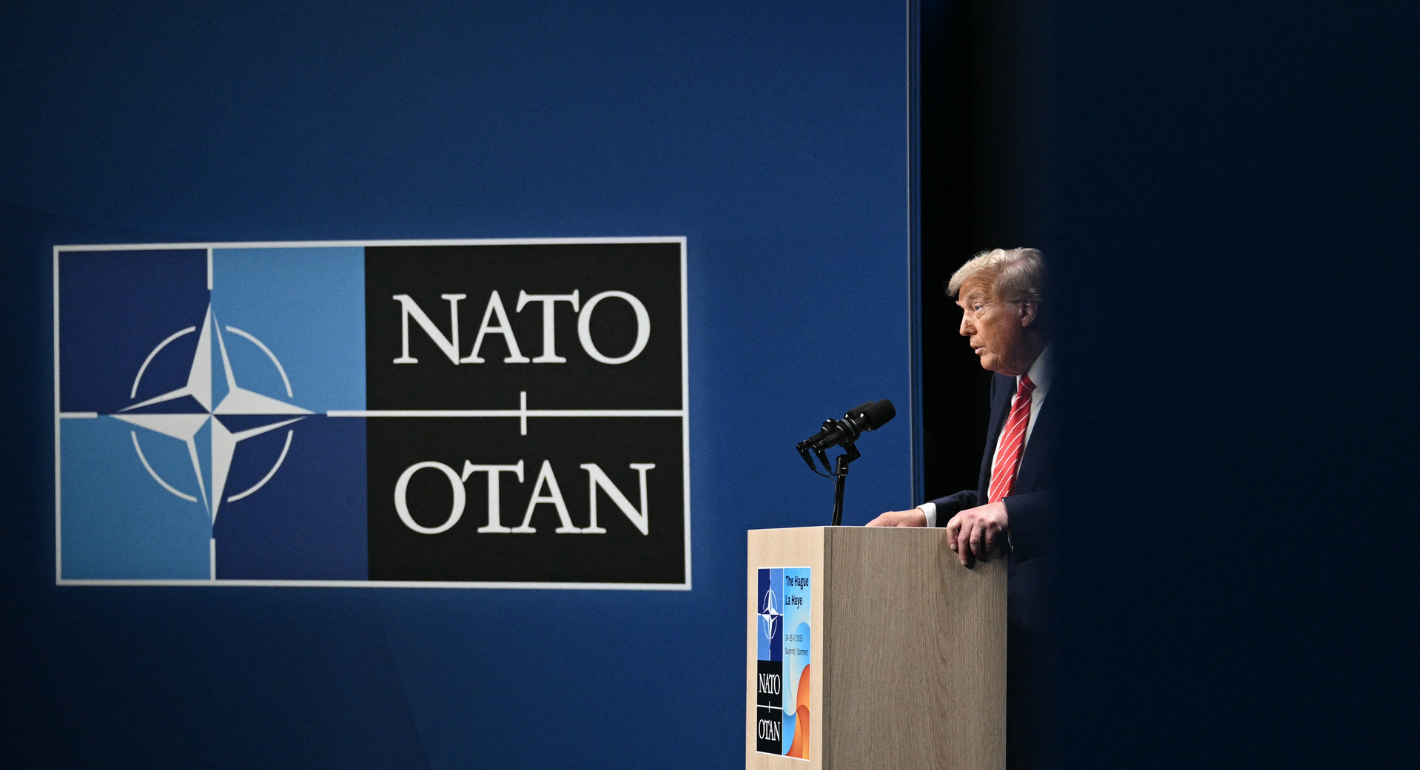
Donald Trump has repeatedly bashed NATO and European allies, threatening to annex Canada and Greenland and deploring their lack of enthusiasm for his war of choice in Iran. Is this latest round of abuse the final straw?
Rym Momtaz, ed.