

Paper
Ariel (Eli) Levite, Toby Dalton
{
  "authors": [
    "Ariel (Eli) Levite"
  ],
  "type": "other",
  "centerAffiliationAll": "dc",
  "centers": [
    "Carnegie Endowment for International Peace"
  ],
  "collections": [
    "U.S. Nuclear Policy"
  ],
  "englishNewsletterAll": "ctw",
  "nonEnglishNewsletterAll": "",
  "primaryCenter": "Carnegie Endowment for International Peace",
  "programAffiliation": "NPP",
  "programs": [
    "Nuclear Policy"
  ],
  "projects": [],
  "regions": [
    "North America",
    "United States"
  ],
  "topics": [
    "Nuclear Policy",
    "Nuclear Energy"
  ]
}
Source: Getty
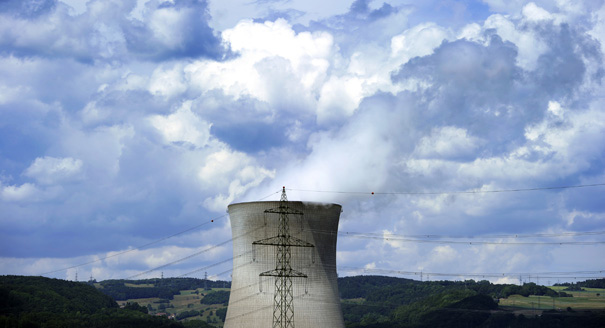
The realization that nuclear technology is, at its core, dual-use in nature occurred early on in the nuclear age, and it has been fundamental to every effort to harness the positive potential widely believed to be inherent in nuclear technology, while minimizing its risks.
Source: The Limits of Secure Nuclear Tolerance, Moscow, National Institute of Corporate Reform
The realization that nuclear technology is, at its core, dual-use in nature occurred early on in the nuclear age, and it has been fundamental to every effort to harness the positive potential widely (though by no means universally) believed to be inherent in nuclear technology, while minimizing its risks.
Every plan unveiled since the mid-1940s to deal with the promotion of nuclear energy has in one way or another tried to address this complexity. Yet overtime this complex reality has only become more sobering.While it has long been recognized that multiple paths may lead to nuclear weapons acquisition, it is widely believed that the diversity of these paths has grown considerably over the years, largely as a result of the accumulation and dissemination of the nuclear knowledge, experience, and capabilities necessary to acquire nuclear weapons, as well as the diminution of the costs associated with such processes.
Alternative explanations for engaging in many activities indispensable for realizing nuclear weapons aspirations abound, be they in the conventional military domain, peaceful nuclear or scientific pursuits, or even nuclear military realms other than weapons.

Senior Fellow, Nuclear Policy Program, Technology and International Affairs Program
Levite was the principal deputy director general for policy at the Israeli Atomic Energy Commission from 2002 to 2007.
Recent Work

Ariel (Eli) Levite, Toby Dalton
Ariel (Eli) Levite, Toby Dalton
Carnegie does not take institutional positions on public policy issues; the views represented herein are those of the author(s) and do not necessarily reflect the views of Carnegie, its staff, or its trustees.

The EU can impose sanctions but struggles to enforce them without the United States. With Washington increasingly disinterested in backing European interests, the bloc must now fend for itself.


Nicu Popescu, Tiago Antunes

Ahead of a tough winter for Ukraine, Donald Trump’s swing back toward Russia bodes ill. But instead of panicking, Kyiv’s European allies are focusing on action.

Rym Momtaz

While the EU and European governments are embracing the much-lauded middle-power moment, this entails three difficult conundrums.

Richard Youngs

Europe is facing rising populism internally as well as external pressures from Russia, China, Turkey, and the United States.

Dimitar Bechev

European NATO countries are wrestling with the possibility of U.S. disengagement from the alliance. With the continent’s security increasingly uncertain, governments must restore the credibility of their collective defense.



Hans-Dieter Lucas, Adam Thomson, Pierre Vimont