

Article
Frederic Wehrey, Charles H. Johnson
{
  "authors": [
    "Frederic Wehrey"
  ],
  "type": "legacyinthemedia",
  "centerAffiliationAll": "dc",
  "centers": [
    "Carnegie Endowment for International Peace",
    "Malcolm H. Kerr Carnegie Middle East Center"
  ],
  "collections": [],
  "englishNewsletterAll": "menaTransitions",
  "nonEnglishNewsletterAll": "",
  "primaryCenter": "Carnegie Endowment for International Peace",
  "programAffiliation": "MEP",
  "programs": [
    "Middle East"
  ],
  "projects": [],
  "regions": [
    "North Africa",
    "Libya",
    "Maghreb"
  ],
  "topics": [
    "Security"
  ]
}
Source: Getty
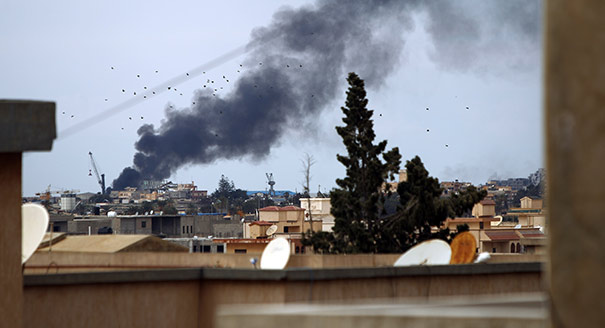
The brutal murder of Egyptian Christians in Libya by the Islamic State has brought the ongoing chaos in Libya to the forefront.
Source: KCRW’s To the Point
The brutal murder of Egyptian Christians in Libya by the Islamic State has brought the ongoing chaos in Libya to the forefront. Speaking on KCRW’s To the Point, Carnegie’s Frederic Wehrey explained how the Islamic State has exploited the vacuum created by the civil war in order to gain a foothold in the country.
General Khalifa Hifter is a polarizing figure who is fighting with one faction, Operation Dignity. Wehrey said that many fear that General Hifter wants to bring back the “deep state” in Libya. “But he’s selling something that’s very appealing and that’s a return to stability, a return to security,” Wehrey added. He explained that the problem is the way Hifter is trying to bring stability back, through labeling all Islamist opposition as terrorists, which could further polarize and destabilize Libya.
Wehrey concluded that while there are extremist Islamist militias in the east, militias are not necessarily ideological and instead fight “for their town, for their tribe, for their particular region.” Labeling those militias as terrorist can be dangerous as some subscribe to democracy and the constitution, he warned.
Senior Fellow, Middle East Program
Frederic Wehrey is a senior fellow in the Middle East Program at the Carnegie Endowment for International Peace, where his research focuses on governance, conflict, and security in Libya, North Africa, and the Persian Gulf.
Recent Work
Frederic Wehrey, Charles H. Johnson
Frederic Wehrey, Charles H. Johnson
Carnegie does not take institutional positions on public policy issues; the views represented herein are those of the author(s) and do not necessarily reflect the views of Carnegie, its staff, or its trustees.

European states control several Overseas Countries and Territories around the world that carry strategic, economic, and environmental weight. As great powers challenge the rules-based order, defending them is a geopolitical imperative for Europe.

Marc Pierini

Mounting economic strain and battlefield losses will not necessarily make the Kremlin less dangerous. They could instead push Moscow toward a more aggressive hybrid campaign designed to test NATO’s Eastern flank, exploit allied hesitation, and fracture European resolve.

Maksym Beznosiuk

Over the past ten years, NATO has held almost as many summits as it did during the entirety of the Cold War. Are they still useful, or is it time to stop holding annual meetings?

Rym Momtaz, ed.
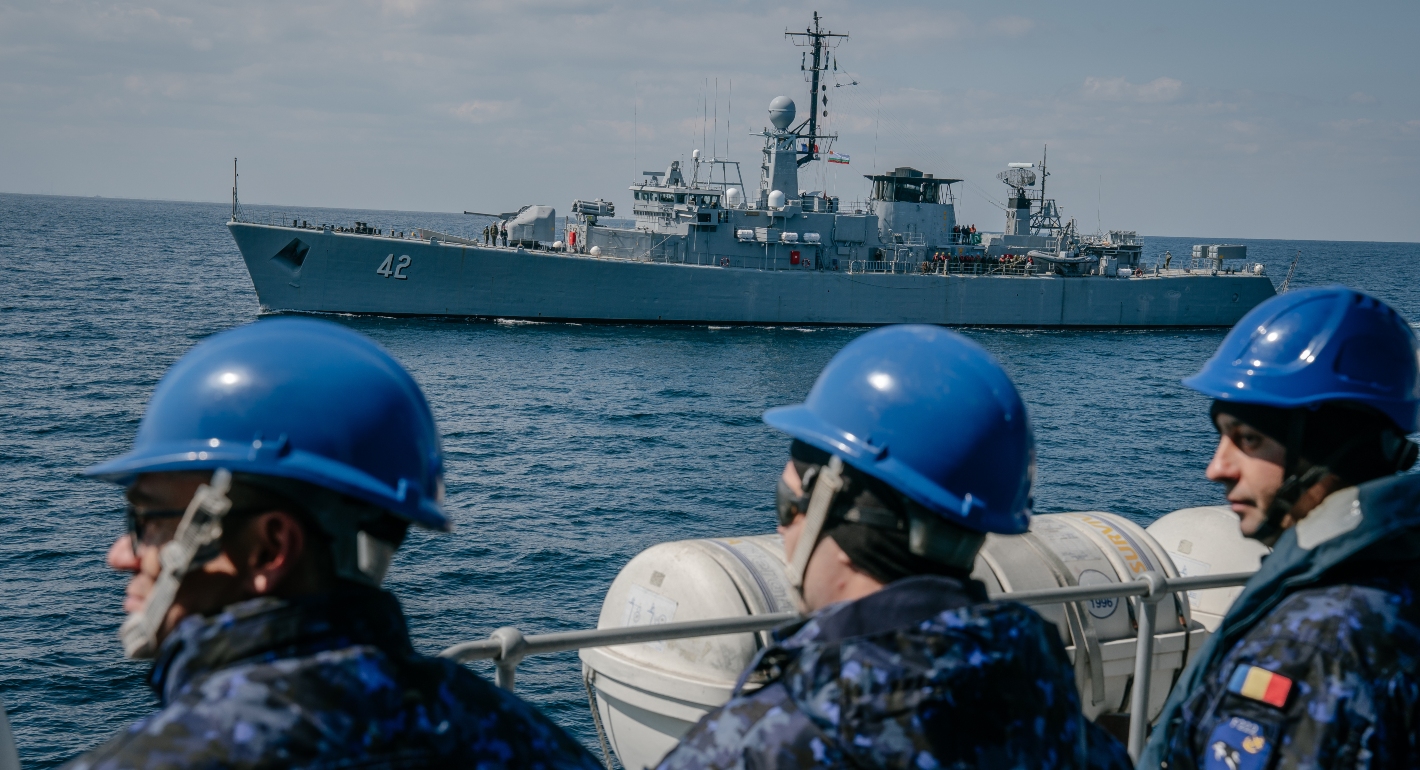
As Russia's war on Ukraine drags on, NATO is expanding its footprint in the Black Sea. Turkey, Romania, and Bulgaria are upgrading their fleets and deepening trilateral cooperation.

Dimitar Bechev
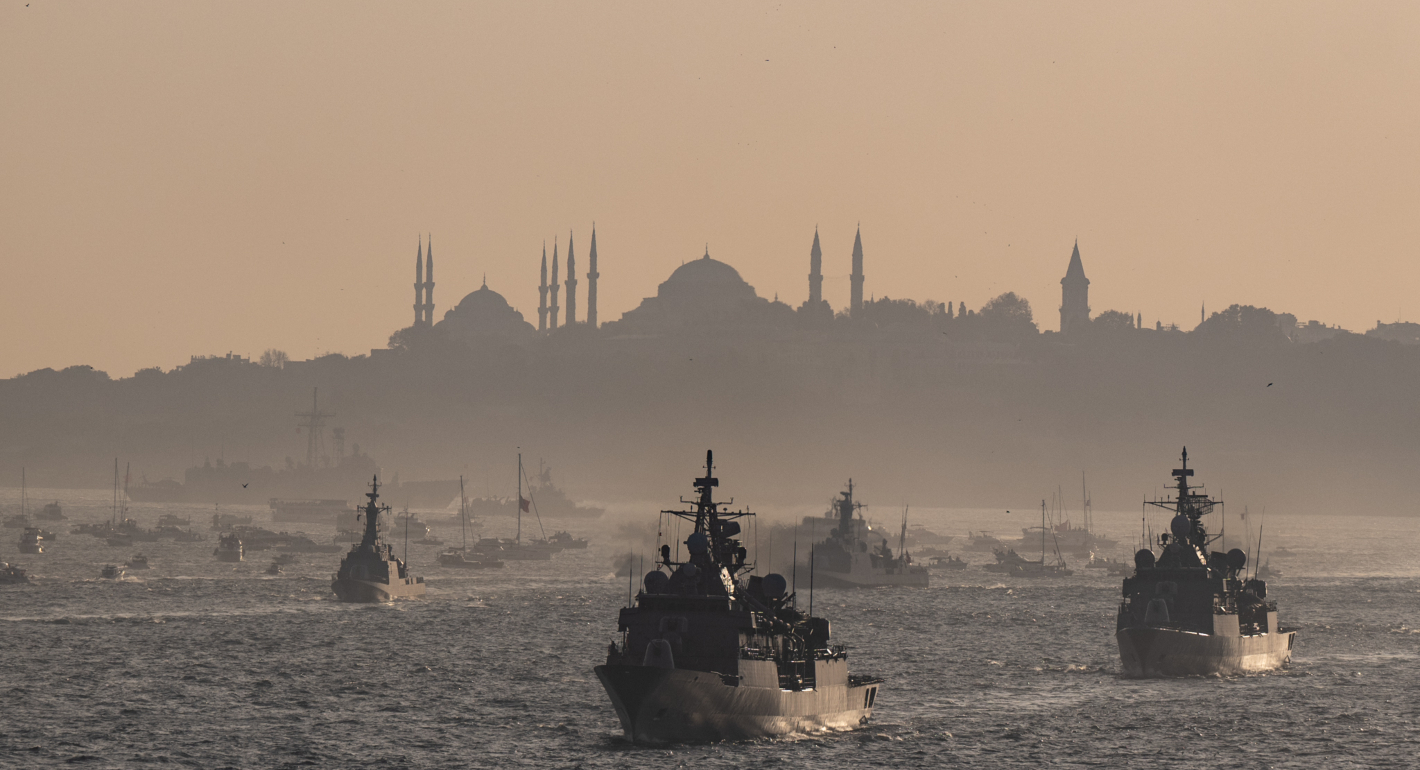
For ninety years, Turkey has been positioned as the principal gatekeeper of Black Sea security. As a result, European and NATO efforts to support Ukraine will require closer engagement with Ankara.

Thomas de Waal