

Research
- +11
Frances Z. Brown, Nate Reynolds, Priyal Singh, …
{
  "authors": [
    "Frederic Wehrey"
  ],
  "type": "legacyinthemedia",
  "centerAffiliationAll": "dc",
  "centers": [
    "Carnegie Endowment for International Peace",
    "Malcolm H. Kerr Carnegie Middle East Center"
  ],
  "collections": [],
  "englishNewsletterAll": "menaTransitions",
  "nonEnglishNewsletterAll": "",
  "primaryCenter": "Carnegie Endowment for International Peace",
  "programAffiliation": "MEP",
  "programs": [
    "Middle East"
  ],
  "projects": [],
  "regions": [
    "North Africa",
    "Libya",
    "Maghreb"
  ],
  "topics": [
    "Security",
    "Military"
  ]
}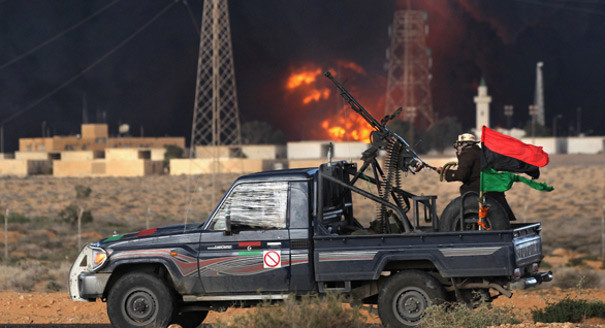
Source: Getty
Frederic Wehrey discusses evidence of the use of cluster munitions as well as the ongoing civil war in Libya.
Source: RFI
During his recent trip to Libya, Frederic Wehrey saw evidence of cluster munitions used against a bank in Libya. The munitions were probably used by the aircraft of the Dignity camp, who obtained the munitions from the former Qaddafi regime in Libya. Preventing the use of the munitions in the future may not be easy as there is an ongoing civil war in Libya with “winner take all” mentality dominating the thinking of the fighting factions.
While both the Dawn and Dignity camps have access to heavy artillery, tanks, and grad rockets the real difference between the weapons of the two sides is that Dignity has more aircraft and has access to munitions for these aircraft from outside of Libya. While Dawn has repaired some aircraft, this side has been flying far less sorties.
But the aircraft on Dignity side, including the ones that have probably used cluster munitions, may not be all that effective. Those aircraft fly and bomb at high altitudes, making them very inaccurate. Also, historical evidence suggests that aircraft alone are not decisive in victory. As the “balance of weakness” continues in Libya, it will be hard to end the ongoing conflict in Libya. This has made the conflict particularly bloody.
Senior Fellow, Middle East Program
Frederic Wehrey is a senior fellow in the Middle East Program at the Carnegie Endowment for International Peace, where his research focuses on governance, conflict, and security in Libya, North Africa, and the Persian Gulf.
Recent Work

Frances Z. Brown, Nate Reynolds, Priyal Singh, …
Charles H. Johnson, Frederic Wehrey
Carnegie does not take institutional positions on public policy issues; the views represented herein are those of the author(s) and do not necessarily reflect the views of Carnegie, its staff, or its trustees.
The war in Iran proves the United States is now a destabilizing actor for Europe and the Arab Gulf. From protect their economies and energy supplies to safeguarding their territorial integrity, both regions have much to gain from forming a new kind of partnership together.

Rym Momtaz
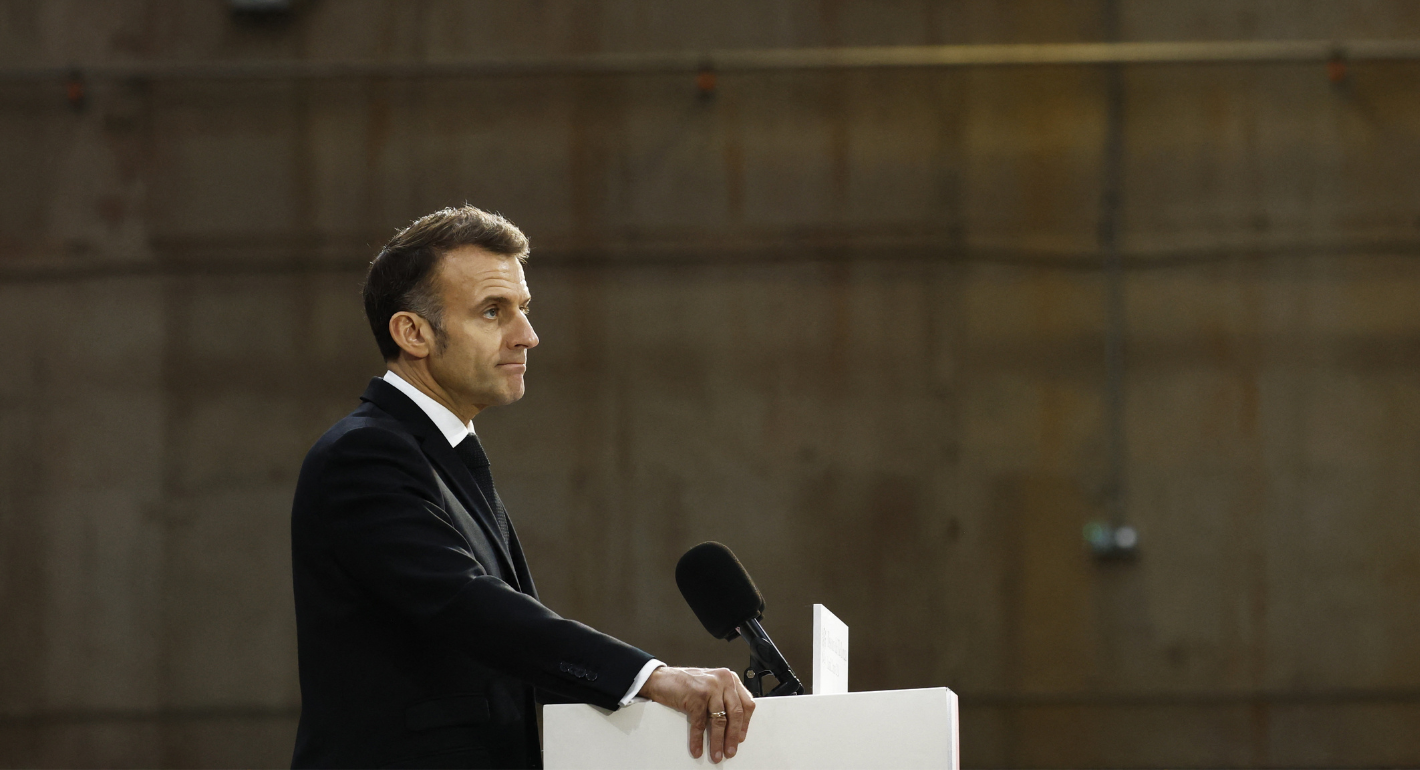
French President Emmanuel Macron has unveiled his country’s new nuclear doctrine. Are the changes he has made enough to reassure France’s European partners in the current geopolitical context?
Rym Momtaz, ed.
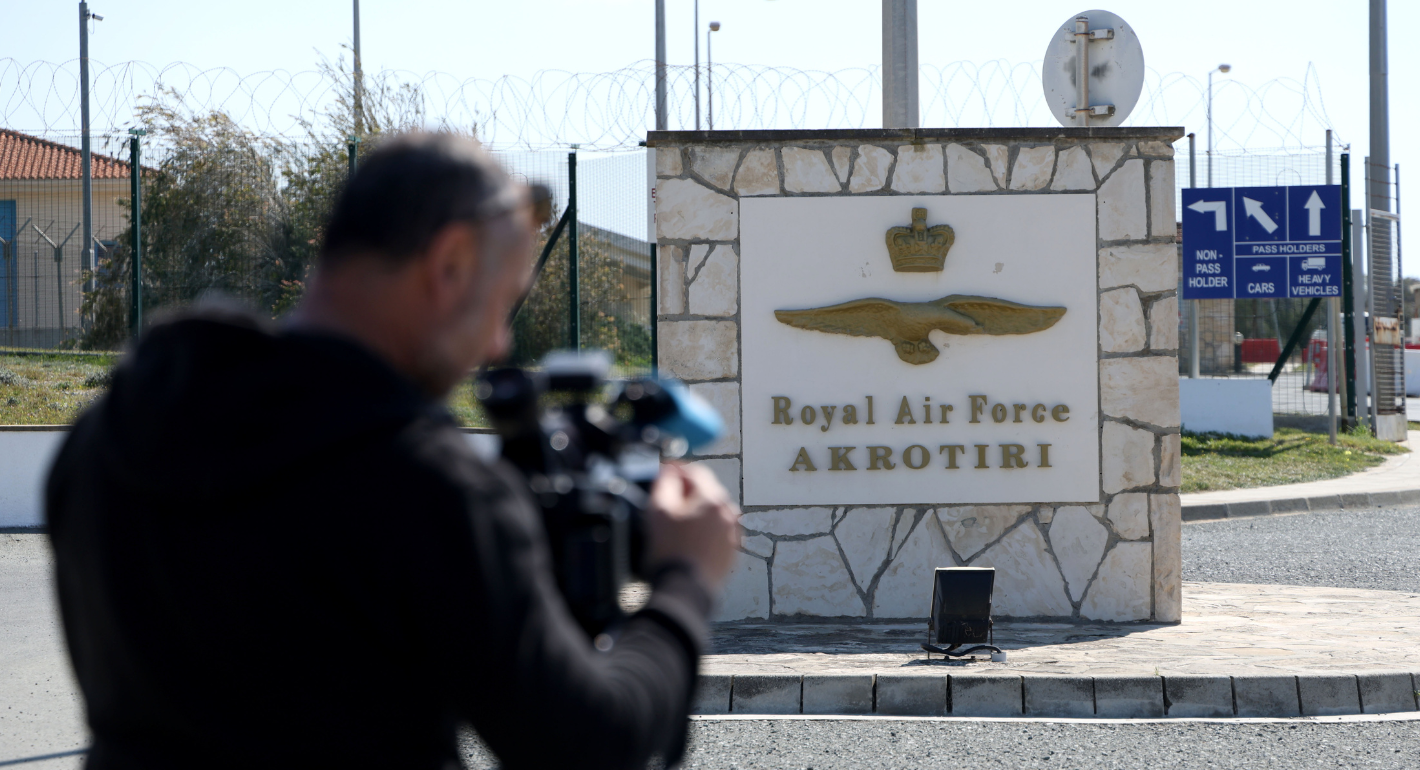
The drone strike on the British air base in Akrotiri brings Europe’s proximity to the conflict in Iran into sharp relief. In the fog of war, old tensions in the Eastern Mediterranean risk being reignited, and regional stakeholders must avoid escalation.

Marc Pierini
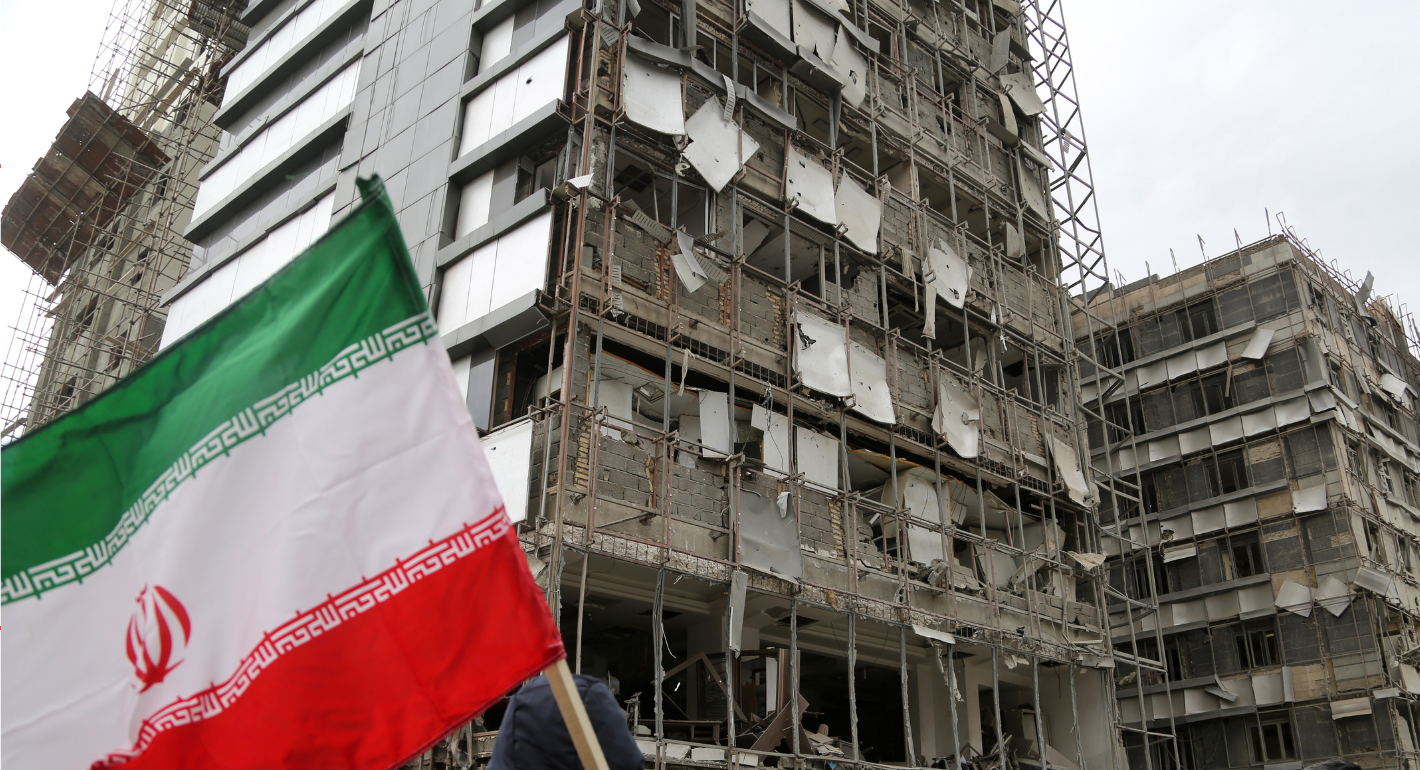
Europe’s reaction to the war in Iran has been disunited and meek, a far cry from its previously leading role in diplomacy with Tehran. To avoid being condemned to the sidelines while escalation continues, Brussels needs to stand up for international law.

Pierre Vimont
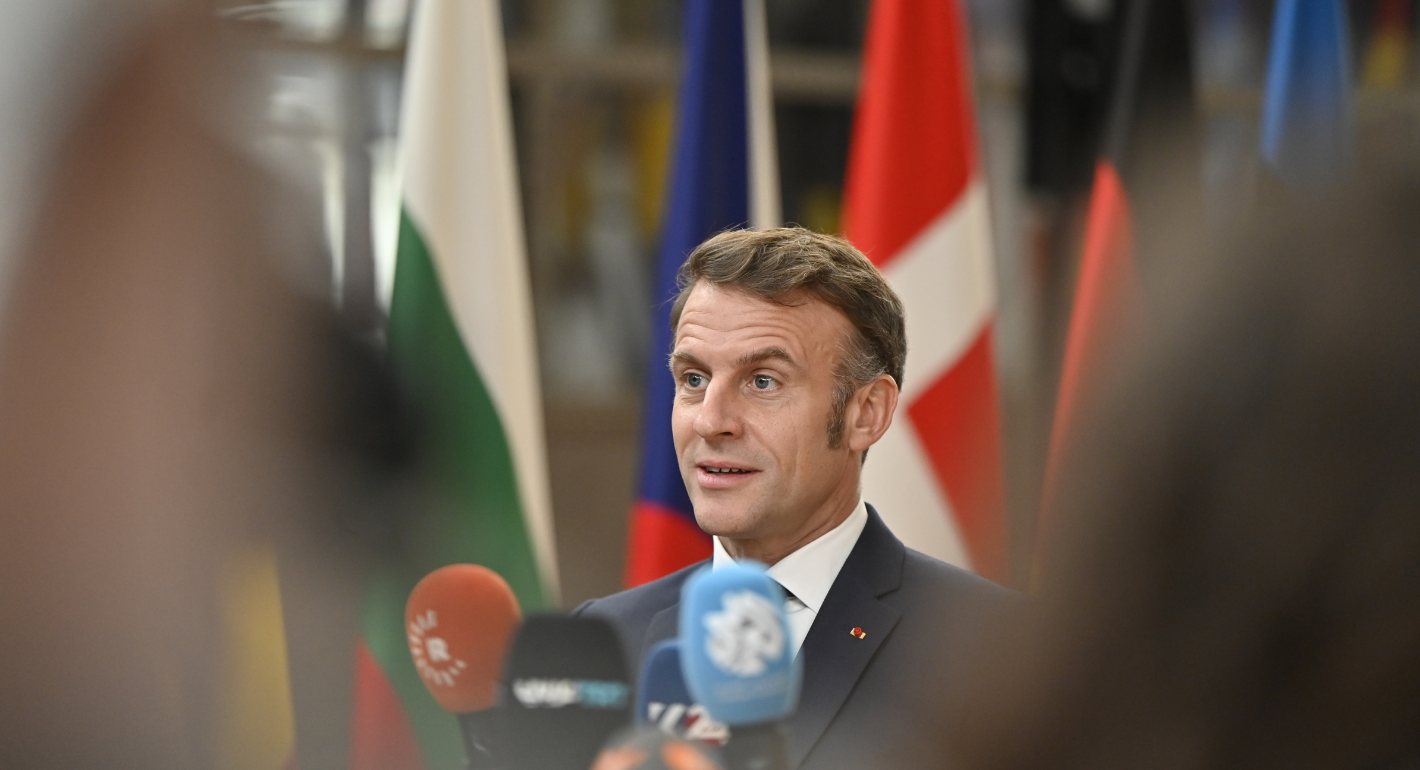
France has stopped clinging to notions of being a great power and is embracing the middle power moment. But Emmanuel Macron has his work cut out if he is to secure his country’s global standing before his term in office ends.
Rym Momtaz