

Research
- +4
Milan Vaishnav, Rahul Verma, Rukmini S., …
{
  "authors": [
    "Christophe Jaffrelot"
  ],
  "type": "legacyinthemedia",
  "centerAffiliationAll": "dc",
  "centers": [
    "Carnegie Endowment for International Peace"
  ],
  "collections": [],
  "englishNewsletterAll": "ctw",
  "nonEnglishNewsletterAll": "",
  "primaryCenter": "Carnegie Endowment for International Peace",
  "programAffiliation": "SAP",
  "programs": [
    "South Asia"
  ],
  "projects": [],
  "regions": [
    "South Asia",
    "India"
  ],
  "topics": [
    "Economy",
    "Trade"
  ]
}
Source: Getty
The paradox is striking: While India has been trying to attract FDI, Indian companies are investing abroad.
Source: Indian Express
Two of the government’s most talked about programmes, “Make in India” and “Skill India”, imply massive investments in industry and the education system. There is a lot at stake, because the promise of the creation of new jobs clearly contributed hugely to the mandate that the BJP received in 2014. While these schemes are very much part of the economic diplomacy practised by Narendra Modi on his many trips abroad, one may wonder why India is not relying more on its own forces.
There is a certain paradox in the fact that India, since the 1991 reforms, has been trying to attract foreign direct investment for its development when the outward flow of FDI by Indian corporate houses is rising. According to the OECD, between 2006 and 2012, FDI outflow was about $103.30 billion, while inflow was merely double that number ($212.70 billion). This is an ongoing trend. Last year, while the GDP grew by about 5 per cent, the overseas FDI (OFDI) from India increased by 8 per cent. Most of this OFDI is in the form of mergers and acquisitions. The outbound acquisitions made by India Inc in the decade since 2003 was found to be worth $126 billion, according to Dealogic. In the manufacturing sector, $21 billion has been invested by Indian companies abroad between 2007-14. Recently, it has become easier for Indian companies to invest abroad; the ceiling to raise funds by pledging shares and domestic as well as overseas assets has been relaxed. The annual investment ceiling for Indians investing abroad to establish joint ventures and subsidiaries has now been raised from $75,000 to $1,25,000.
The contradiction with the Make in India scheme is only partly apparent. First, India needs to secure sources of energy that are sometimes more easily accessible abroad — hence the purchase of oil and gas fields, as well as coal mines, overseas. Recently, three large Indian companies initiated major deals in Australia’s coal industry — Lanco Infratech acquired Griffin Coal for A$730 million, GVK acquired Hancock Coal and Infra for $1.21 billion, and the Adani Group, which is acquiring Abbot Point for A$1.8 billion, is in negotiations to invest in the Carmichael coal mine, which could be worth over A$7 billion. Second, Indian companies may feel that they need to acquire foreign competitors in order to learn from their technology and thereby save years of research and development.But this reasoning does not apply always to the consumer goods industry, and even less in services. What kinds of benefits can the Indian people draw from the recent acquisitions of hotels, a submarine cable between the US and Brazil, a chat application created by an American startup or food brands by India Inc? These investments, which are usually made through offshore centres like Singapore, Mauritius, the Netherlands, Cyprus and the British Virgin Islands — countries that boast of friendly taxation regimes coupled with legal statuses that prove to be beneficial for corporations — are more motivated by financial calculations and, sometimes, prestige-related considerations.
Other kinds of investment abroad may be even more problematic. A recent study by Land Matrix, a global land monitoring initiative that tracks land dealings worldwide, placed India eighth from the top in a list of countries by the amount of land acquired abroad. Popular destinations of Indian companies have been Cambodia, Indonesia, Madagascar, Kenya and Ethiopia, where India is the biggest investor in land. In Ethiopia, Indian companies have acquired 6,00,000 hectares, that is, 70 per cent of the land acquired by foreigners since 2008. The Indian government, which has acquired over 4.8 million hectares worldwide in a series of nine deals since 2000, also has a large presence in the land market, especially in East Africa.
India is not the only emerging country following this kind of strategy. China comes first in this regard. But the logic of such a policy may be flawed anyway. Certainly, the agricultural lands purchased abroad are intended to make up for the loss of agricultural lands acquired in India to build factories. But the money spent in Africa or elsewhere to develop agricultural land could have been used in India to bring irrigation to lands that jobless peasants could then have been able to cultivate. Not to say anything about the food dependency on foreign territories that this policy may eventually create.
In the domain of real estate, the amount of money invested abroad by rich Indians continues to rise. Indians are the largest non-Arab investors in Dubai, having put in AED 44 billion ($12 billion) in the city’s realty in the last three years. But most of the acquisitions continue to take place in the West. British land registry records show that Indians have spent over £450 million on prime central London property in 2013-14. The Lodha Group recently purchased land worth £306 million in the upmarket Grosvenor Square. It plans to buy and develop land in London at a total cost of over £5 billion in the coming years, which will be the largest FDI in real estate that the UK will have ever received. But these figures cannot compete with those of American cities, including New York. In one year, from April 2013 to March 2014, Indians have spent $5.8 billion to acquire properties in the US (against $3.9 billion the year before), which puts them in fourth place after the Canadians, Chinese and Mexicans.
Similar questions arise about the field of higher education, which is part of the “Skill India” programme. While the Indian university system remains severely underdeveloped, big Indian companies are investing in American universities, including Harvard, Cornell, Yale and Stanford, which are already among the richest in the world. The total amount of Indian endowments that have been made to the Ivy League and elsewhere in the West stands above $120 million.
This export of money can be explained by the prestige it generates for companies that are image-conscious. It may also be because of the fact that the generous donors are alumni of these universities.
This article was originally published in the Indian Express.

Former Nonresident Scholar, South Asia Program
Jaffrelot’s core research focuses on theories of nationalism and democracy, mobilization of the lower castes and Dalits (ex-untouchables) in India, the Hindu nationalist movement, and ethnic conflicts in Pakistan.
Recent Work


Milan Vaishnav, Rahul Verma, Rukmini S., …
Christophe Jaffrelot
Carnegie does not take institutional positions on public policy issues; the views represented herein are those of the author(s) and do not necessarily reflect the views of Carnegie, its staff, or its trustees.
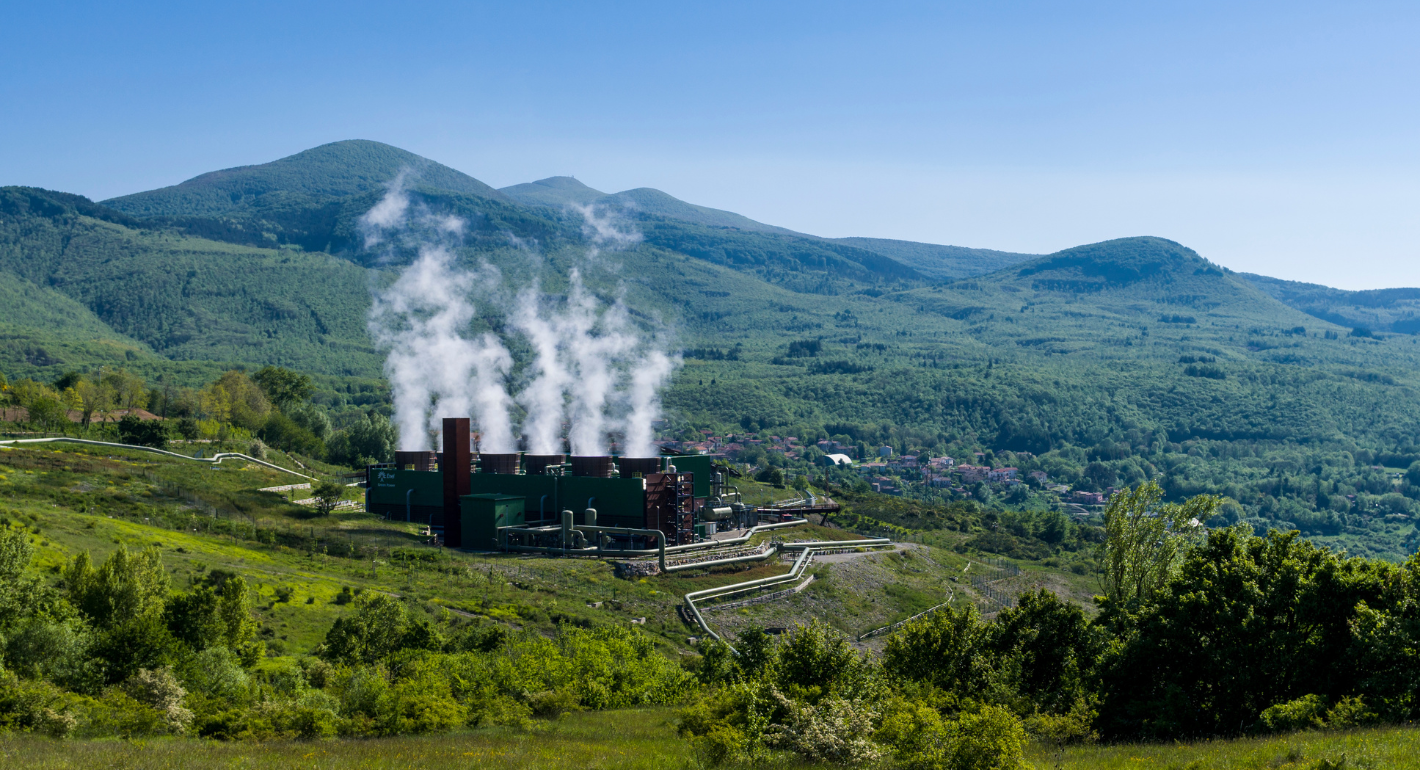
Europe’s industrial supply chains leave it vulnerable to global shocks. The EU needs a pragmatic green industrial strategy that balances durable partnerships and bolsters homegrown clean tech without sacrificing low-carbon ambition.


Milo McBride, Pauline Gerard
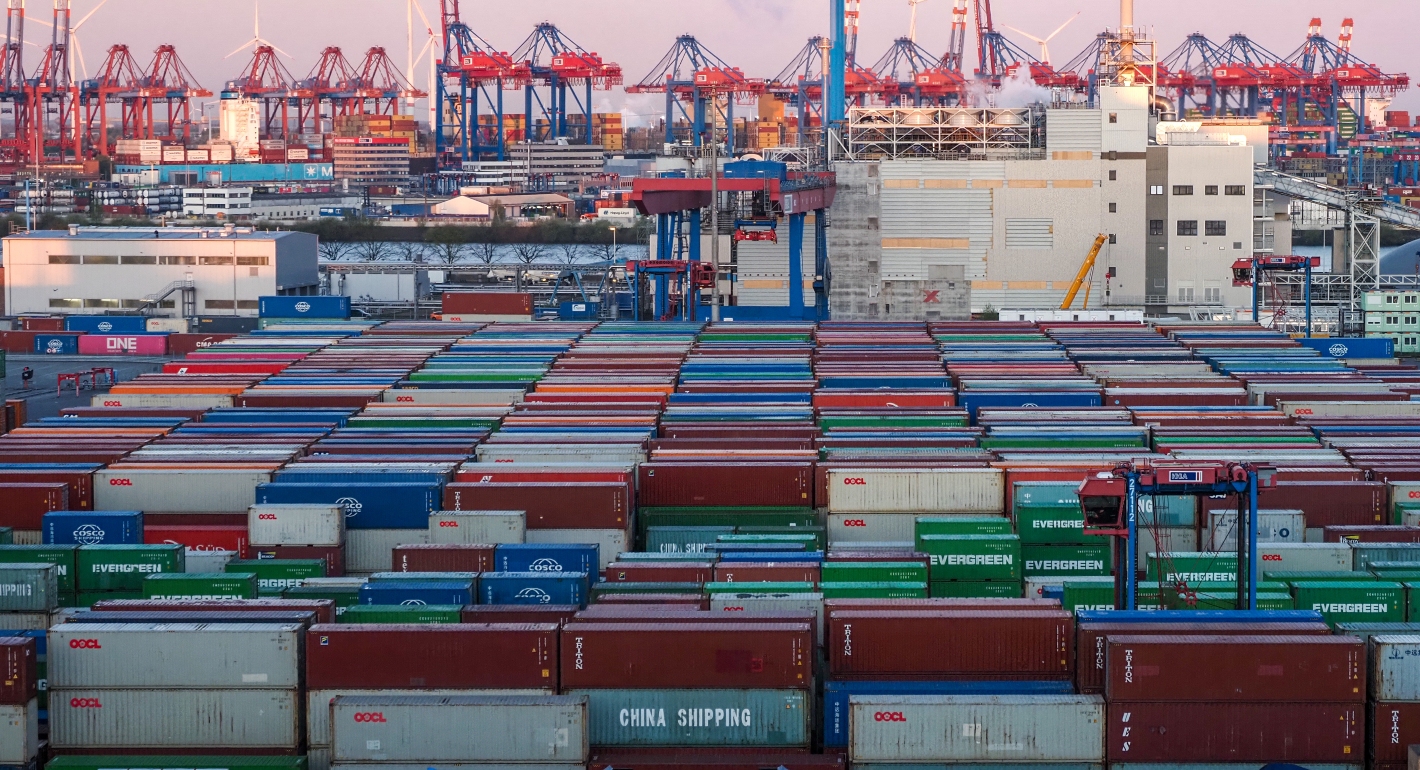
As geopolitical rivalry weaponizes global supply chains, the EU’s true vulnerability lies in emerging-risk imports. For these goods, suppliers are growing more concentrated, substitution more difficult, and political risk is looming.

Sinan Ülgen

The EU is putting together a new security strategy to meet today’s myriad challenges. But for any proposal to be effective, the union needs to grapple with its identity and ambitions.

Pierre Vimont
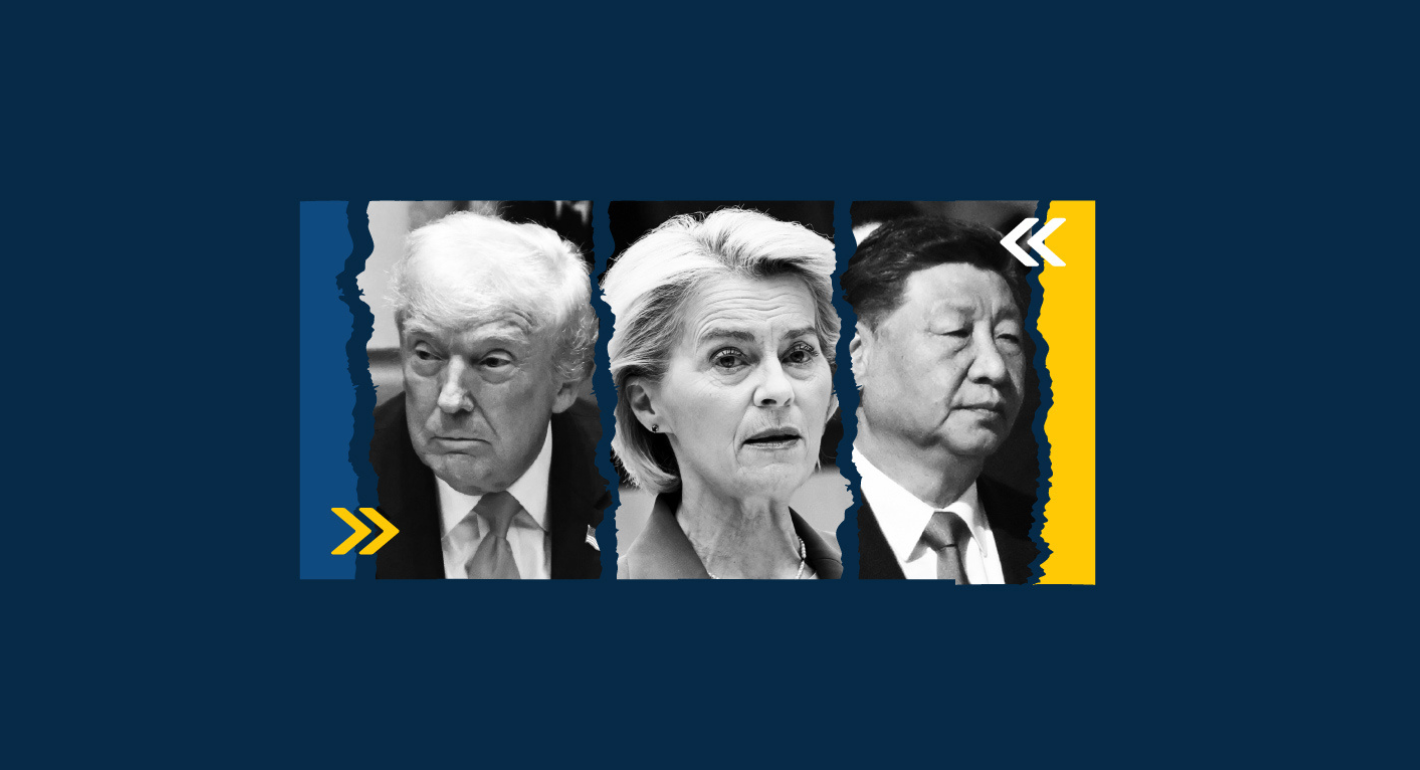
Between the United States’ market-driven approach and China's state-led industrial strategy, Europe is reckoning with how it can remain competitive in the global economy. But is Europe in danger of becoming a U.S. or China colony?


Noah Barkin, Anu Bradford
Following Ursula von der Leyen’s gaffe equating Turkey to Russia and China, relations with Ankara risk deteriorating even further. Without better, more consistent diplomatic messaging, how can the EU pretend to be a geopolitical power?
Sinan Ülgen