

Commentary
Duyeon Kim, Andrei Lankov, Leon V. Sigal
{
  "authors": [
    "Duyeon Kim"
  ],
  "type": "other",
  "centerAffiliationAll": "dc",
  "centers": [
    "Carnegie Endowment for International Peace"
  ],
  "collections": [
    "U.S. Nuclear Policy",
    "Korean Peninsula"
  ],
  "englishNewsletterAll": "ctw",
  "nonEnglishNewsletterAll": "",
  "primaryCenter": "Carnegie Endowment for International Peace",
  "programAffiliation": "NPP",
  "programs": [
    "Nuclear Policy"
  ],
  "projects": [],
  "regions": [
    "North America",
    "United States",
    "East Asia",
    "South Korea"
  ],
  "topics": [
    "Nuclear Policy",
    "Nuclear Energy"
  ]
}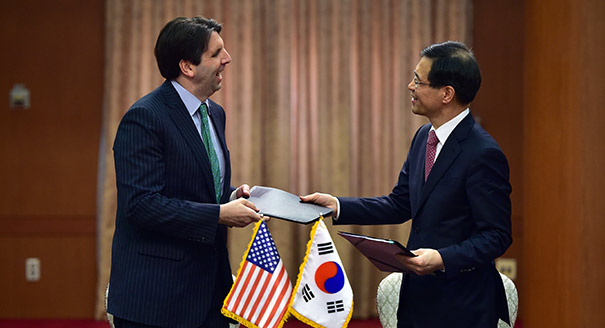
Source: Getty
The successor agreement to the U.S.-South Korean 1974 civil nuclear cooperation accord reflects the interdependence of the American and South Korean nuclear industries as an equal partnership.
Source: CSIS
On June 15, the United States and South Korea signed a successor agreement to their 1974 civil nuclear cooperation accord. Updating the existing agreement took over four years of challenging negotiations complicated by Seoul’s demands for the right to enrich uranium and reprocess (or pyroprocess) spent nuclear fuel to which Washington objected. What began as nearly irreconcilable political differences resulted in win-win compromises that strike a balance between maintaining the U.S.' core nonproliferation policy and reflecting South Korea’s industrial maturity and desire to advance its civil nuclear program while establishing pathways for an unprecedented level of cooperation between the two allies. The new agreement reflects the interdependence of the American and South Korean nuclear industries as an equal partnership—from a unilateral obligation to reciprocal consent rights and obligations—as well as mature, strong bilateral relationship...This report was originally published by CSIS

Former Associate, Nuclear Policy Program, Asia Program
Kim is an expert on nuclear nonproliferation, diplomacy, and Northeast Asia.
Recent Work
Duyeon Kim, Andrei Lankov, Leon V. Sigal
James L. Schoff, Duyeon Kim
Carnegie does not take institutional positions on public policy issues; the views represented herein are those of the author(s) and do not necessarily reflect the views of Carnegie, its staff, or its trustees.

Canadian Prime Minister Mark Carney has twice inspired praise for standing up to U.S. President Donald Trump: at the 2026 World Economic Forum in Davos and on Canada-U.S. trade negotiations. Is Carney showing a third way better than the EU has in dealing with the Trump administration?

Rym Momtaz, ed.

European states control several Overseas Countries and Territories around the world that carry strategic, economic, and environmental weight. As great powers challenge the rules-based order, defending them is a geopolitical imperative for Europe.

Marc Pierini
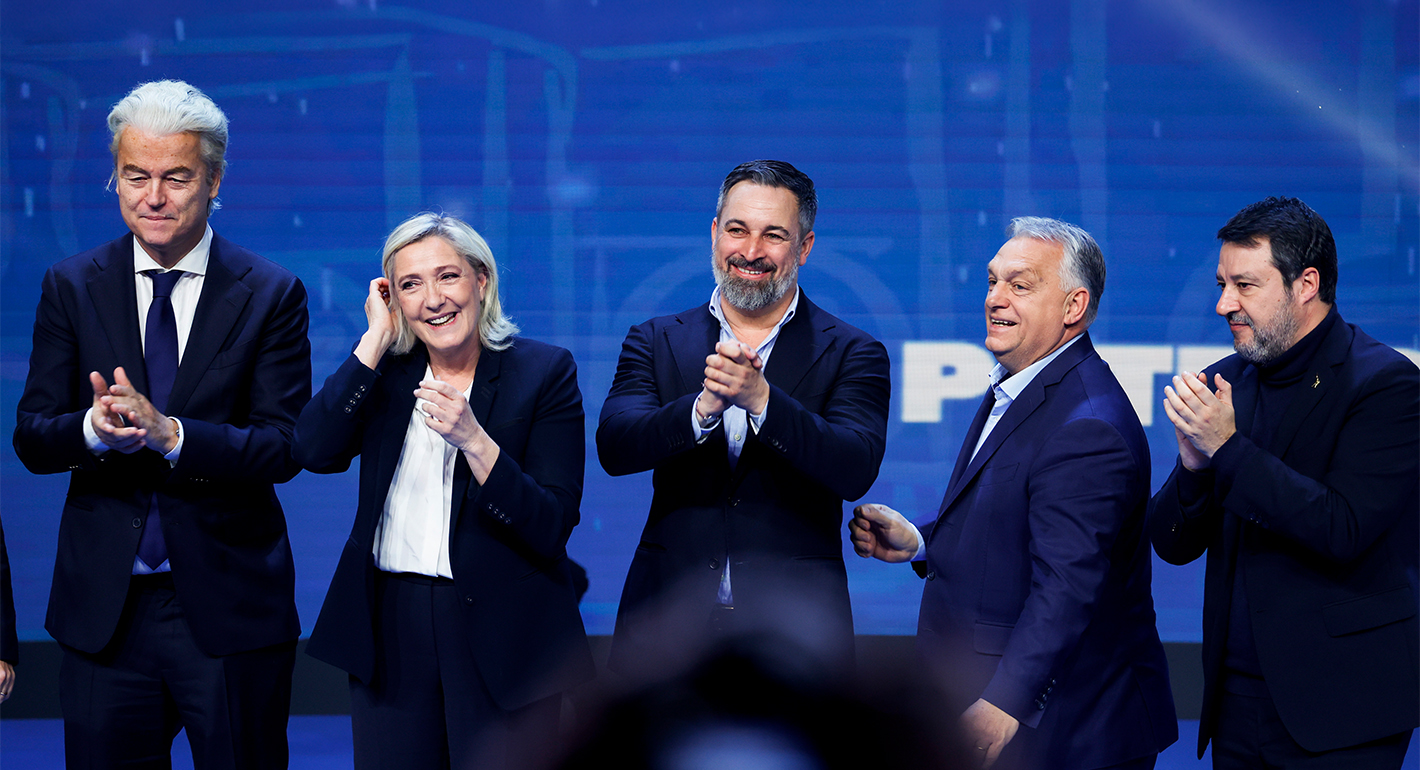
In supporting Europe’s far-right, MAGA and Russia both want the same thing: a weaker EU. Europe must defend itself without abandoning the openness these forces exploit.

Armida van Rij
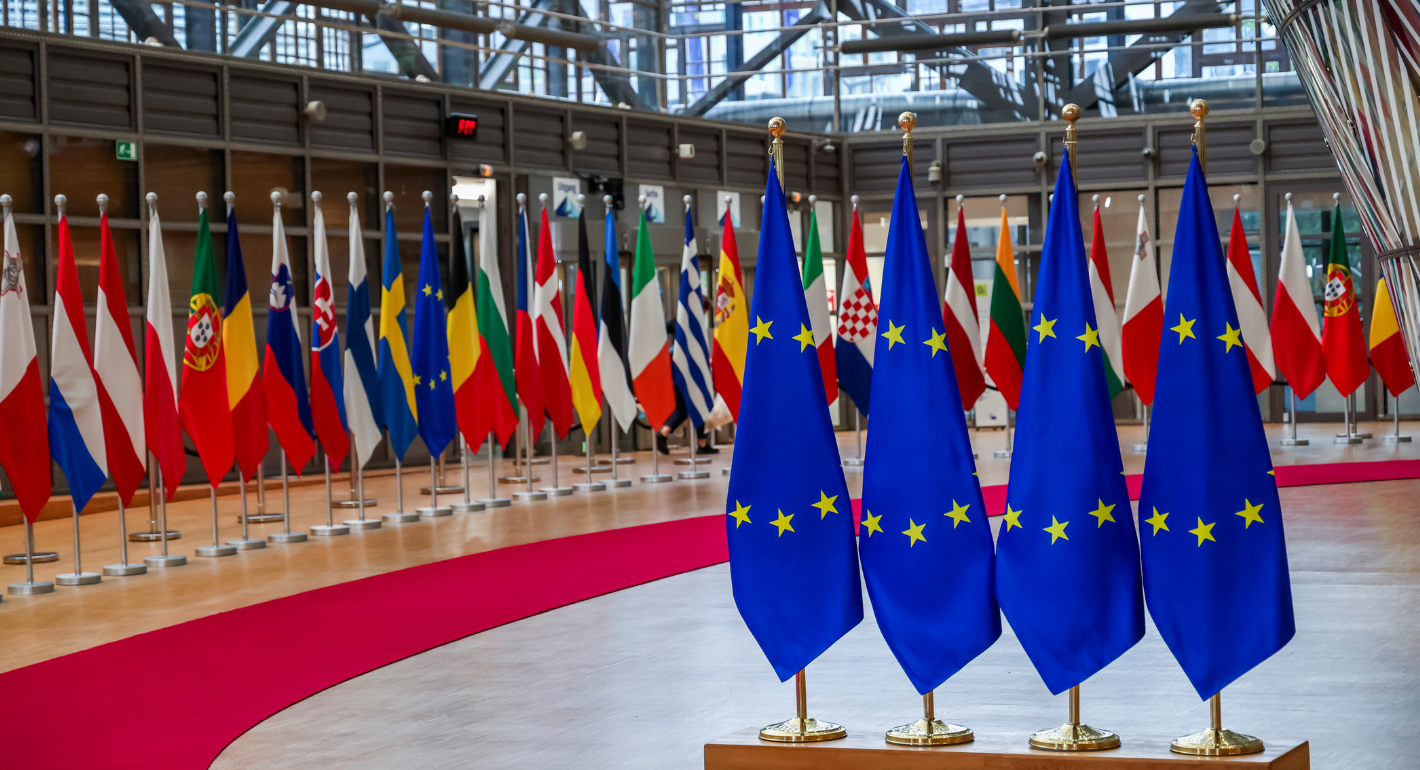
As we close out another season of Strategic Europe, it is worth taking stock of the deep shifts underway.
Rym Momtaz

The hybrid warfare landscape is evolving rapidly, leaving policymakers without clear strategies. To better inform their work in addressing emerging challenges, governments must dig deeper into the underlying dynamics at play.


Raluca Csernatoni, Alicia Wanless