

Commentary
Much has been said of the changes Brussels is trying to make to the EU enlargement process. Here’s why gradual integration might—or might not—be the answer.
Dimitar Bechev
{
  "authors": [
    "Bayram Balci",
    "Thomas Liles"
  ],
  "type": "other",
  "centerAffiliationAll": "dc",
  "centers": [
    "Carnegie Endowment for International Peace"
  ],
  "collections": [],
  "englishNewsletterAll": "ctw",
  "nonEnglishNewsletterAll": "",
  "primaryCenter": "Carnegie Endowment for International Peace",
  "programAffiliation": "russia",
  "programs": [
    "Russia and Eurasia"
  ],
  "projects": [],
  "regions": [
    "Caucasus",
    "Georgia"
  ],
  "topics": [
    "Religion"
  ]
}
Source: Getty
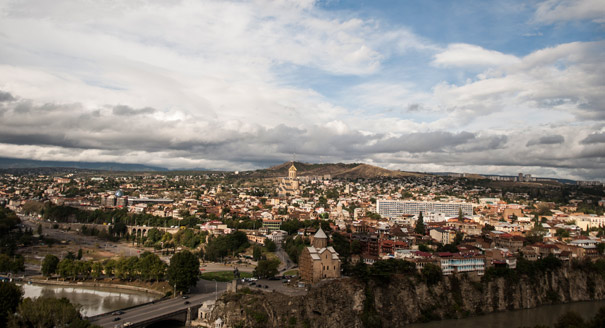
Despite the relatively small number of Muslims in Georgia, issues related to Islam and Muslims have taken on an increasingly high profile in recent years.
Source: Yearbook of Muslims in Europe
Despite the relatively small number of Muslims in Georgia, issues related to Islam and Muslims have taken on an increasingly high profile in recent years. 2014 witnessed continued public debate over the permissibility of ethnic Georgian Sunni Muslims to establish and preserve religious institutions.
Global events and transnational links also caused resonance. The participation of ethnic Kist, Georgian citizens in the so-called Islamic State of Iraq and Syria (ISIS), on the one hand, stoked fears of Salafi radicalisation among Georgia’s Kists, who are closely related to the Chechens, reside primarily in the Pankisi Gorge, and have traditionally adhered to Islam. On the other hand, Turkish and Iranian religious actors continued to develop links with Georgia’s Sunni and Shi‘i communities, respectively.Meanwhile, institutional and legal developments prompted state actors to become increasingly involved in managing Muslim issues. The Administration of Muslims of All Georgia (AMAG)—a state-supported Muslim organisation created by the government of former President Mikheil Saakashvili in 2011—underwent personnel changes and asserted greater control over Muslim persons and property in Eastern Georgia. Similarly, the creation of a new State Agency for Religious Issues gave the state a stronger legal basis for coordinating Muslim affairs....
This chapter originally appeared in the Yearbook of Muslims in Europe, Volume 7.
Former Nonresident Scholar, Russia and Eurasia Program
Balci was a nonresident scholar in Carnegie’s Russia and Eurasia Program, where his research focuses on Turkey and Turkish foreign policy in Central Asia and the Caucasus.
Thomas Liles

Much has been said of the changes Brussels is trying to make to the EU enlargement process. Here’s why gradual integration might—or might not—be the answer.

Dimitar Bechev
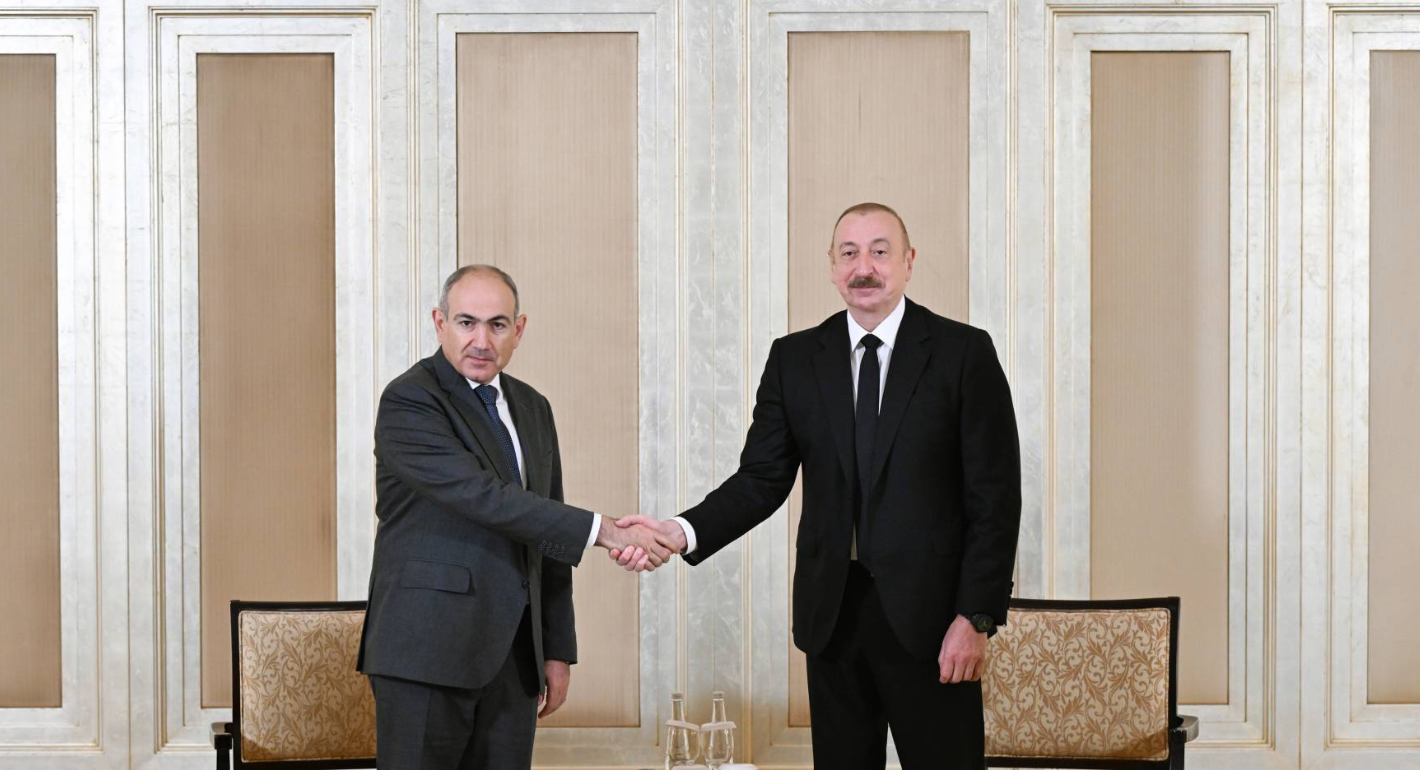
The U.S.-sponsored TRIPP deal is driving the Armenia-Azerbaijan peace process forward. But foreign and domestic hurdles remain before connectivity and economic interdependence can open up the South Caucasus.


Thomas de Waal, Areg Kochinyan, Zaur Shiriyev
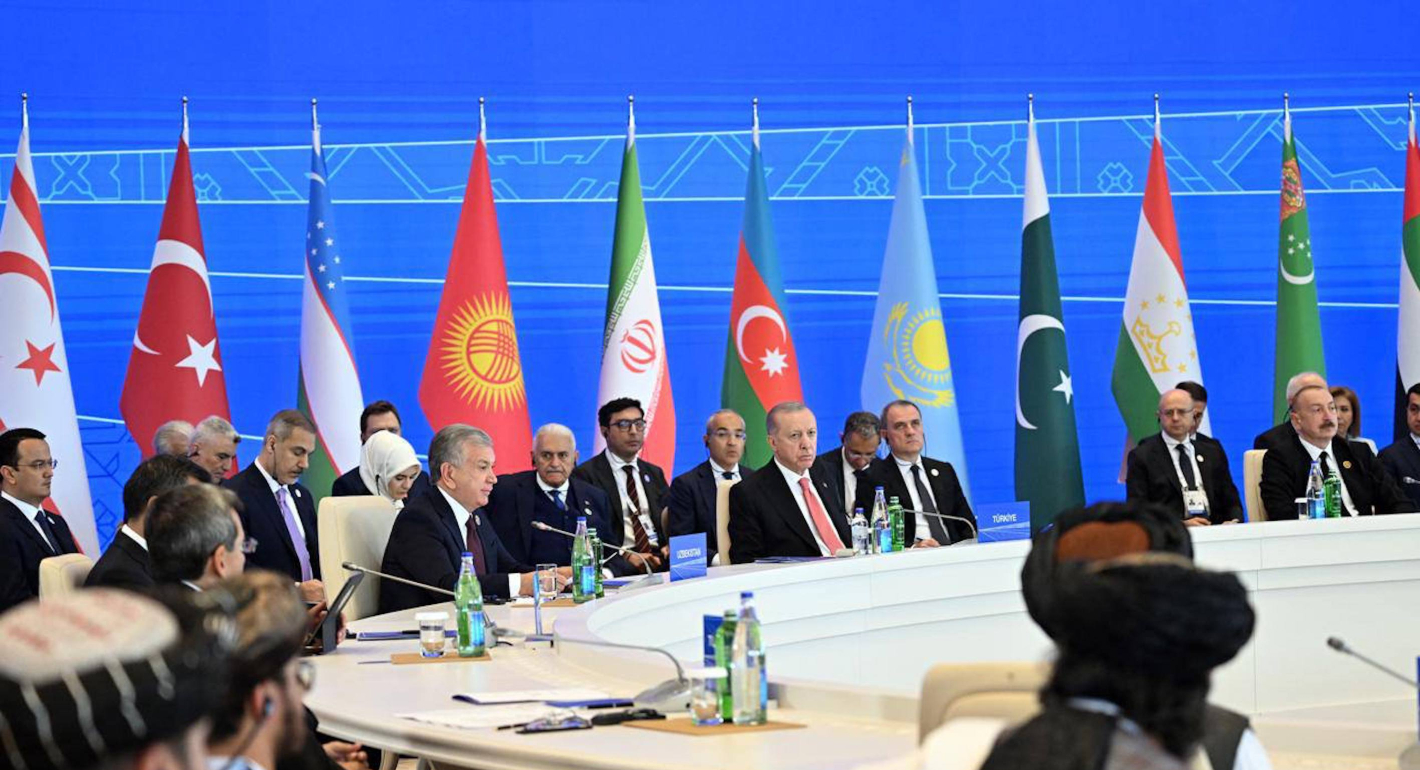
Over the past two decades, regional collaboration in the South Caucasus has intensified. Turkey and the EU should establish a cooperation framework to accelerate economic development and diversification.

Feride İnan, Güven Sak, Berat Yücel
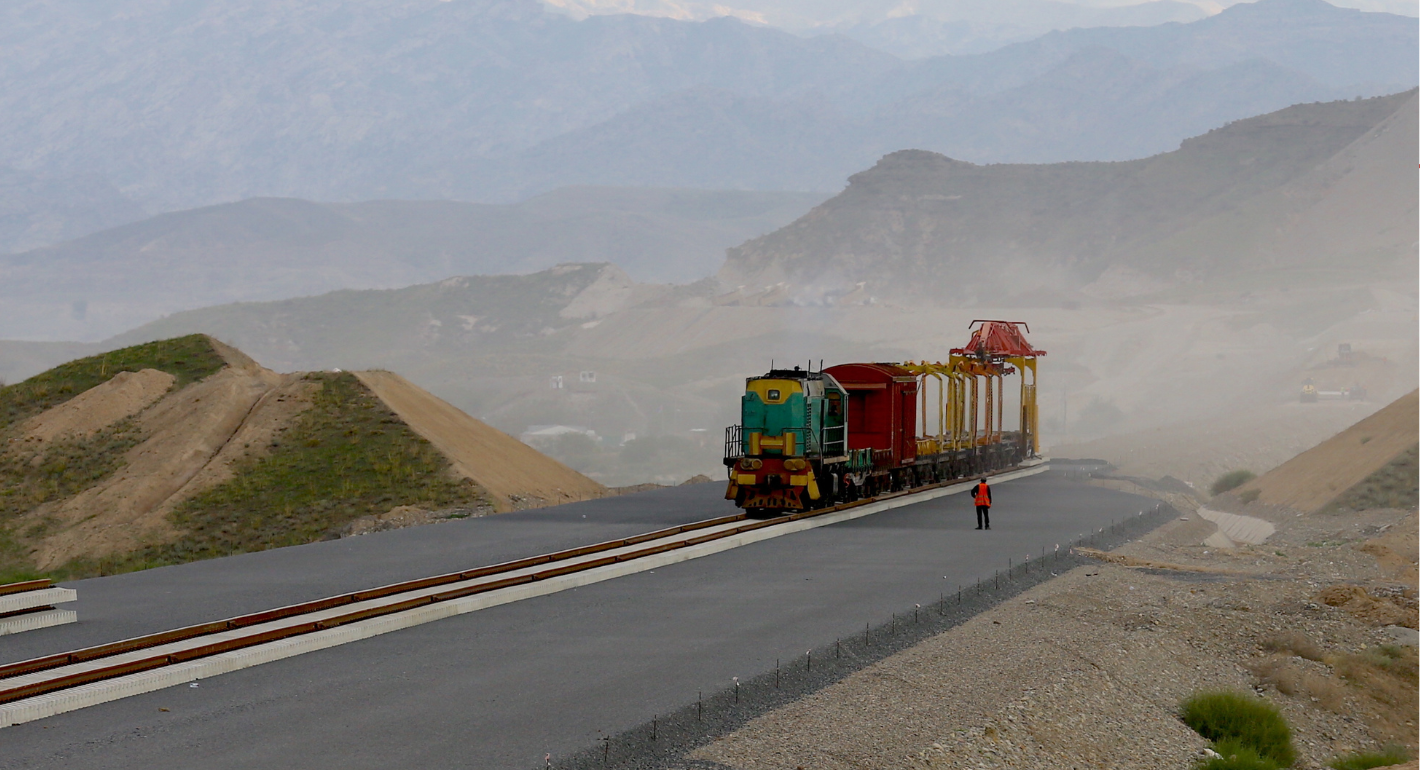
The EU lacks leadership and strategic planning in the South Caucasus, while the United States is leading the charge. To secure its geopolitical interests, Brussels must invest in new connectivity for the region.
Zaur Shiriyev
2026 has started in crisis, as the actions of unpredictable leaders shape an increasingly volatile global environment. To shift from crisis response to strategic foresight, what under-the-radar issues should the EU prepare for in the coming year?
Thomas de Waal