• Research
  • Strategic Europe
  • About
  • Experts
Carnegie Europe logoCarnegie lettermark logo
EUUkraine
  • Donate
{
  "authors": [],
  "type": "legacyinthemedia",
  "centerAffiliationAll": "dc",
  "centers": [
    "Carnegie Endowment for International Peace"
  ],
  "collections": [],
  "englishNewsletterAll": "asia",
  "nonEnglishNewsletterAll": "",
  "primaryCenter": "Carnegie Endowment for International Peace",
  "programAffiliation": "AP",
  "programs": [
    "Asia"
  ],
  "projects": [],
  "regions": [
    "East Asia",
    "Southeast Asia"
  ],
  "topics": []
}

Source: Getty

In The Media

Beijing’s Refusal to Accept South China Sea Ruling Has All Sides on Edge

Following the Permanent Court of Arbitration’s ruling in favor of the Philippines on the South China Sea issue and its rejection of any legal basis for Beijing to claim historical rights to the nine-dash line, Chinese leadership must be wrestling with the question of whether to transform its disavowal of the decision into more than words

Link Copied
Published on Jul 13, 2016

Source: Australian Broadcasting Corporation

Following the Permanent Court of Arbitration's ruling in favor of the Philippines on the South China Sea issue and its rejection of any legal basis for Beijing to claim historical rights to the nine-dash line, Douglas Paal discusses potential Chinese responses to the ruling with ABC's Fran Kelly. He states that the Chinese leadership must be wrestling with the same questions of whether to transform its disavowal of the court's decision into more than words, and addresses the potential effects of further Chinese militarization in the South China Sea.

Listen now, or download the audio. 

The interview was originally broadcast on ABC.

East AsiaSoutheast Asia

Carnegie does not take institutional positions on public policy issues; the views represented herein are those of the author(s) and do not necessarily reflect the views of Carnegie, its staff, or its trustees.

More Work from Carnegie Europe

  • Commentary
    Strategic Europe
    How the EU’s Global Gateway Can Compete in the Global South

    In competition with China’s Belt and Road Initiative, the Global Gateway strategy needs to find an edge. To better promote its interests through investment, the EU’s offer must become more coherent, transparent, and accountable.

      Ceren Ergenc, Chaofan Yu

  • Research
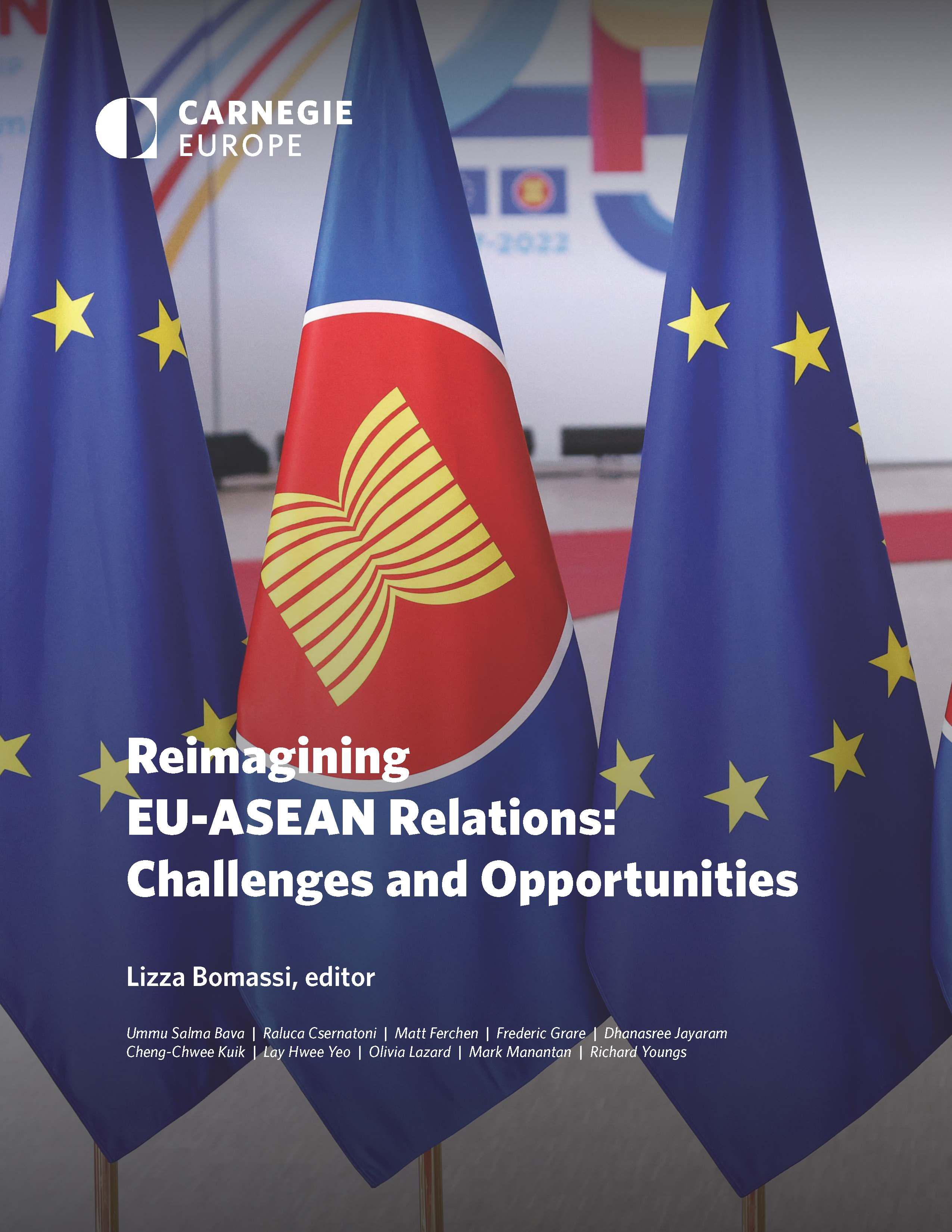
    Reimagining EU-ASEAN Relations: Challenges and Opportunities

    The EU and ASEAN have diverging priorities in climate, security, technology, trade, and democracy. Stronger cooperation in these fields would enable the two blocs to tackle shared challenges and pursue common interests.

      Lizza Bomassi

  • Commentary
    Strategic Europe
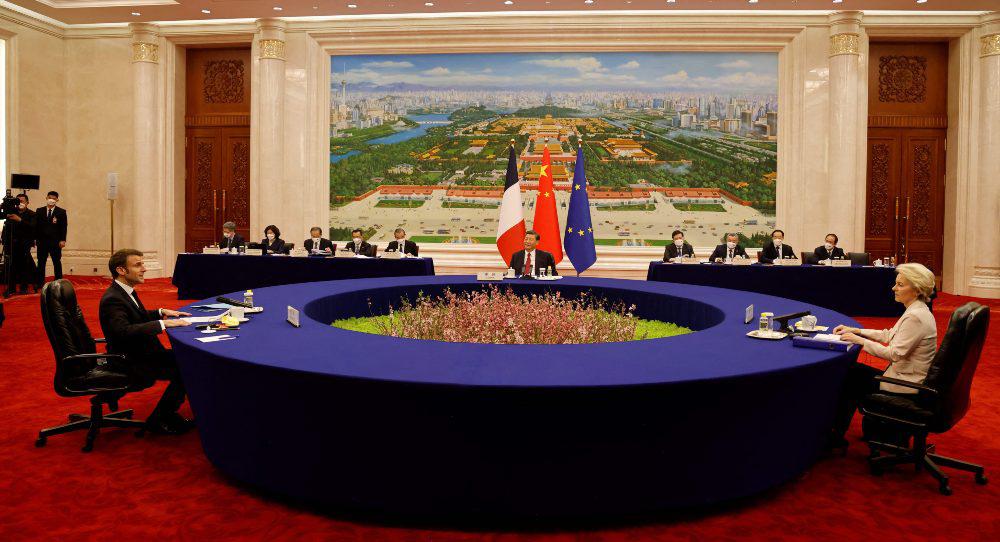
    Judy Asks: Can Europe Forge a Common China Policy?

    EU member states’ policies toward China have been hardening, but different national interests prevent a joint, coherent approach to Beijing. It may take a conflict over Taiwan to unify Europe.

      Judy Dempsey

  • Research
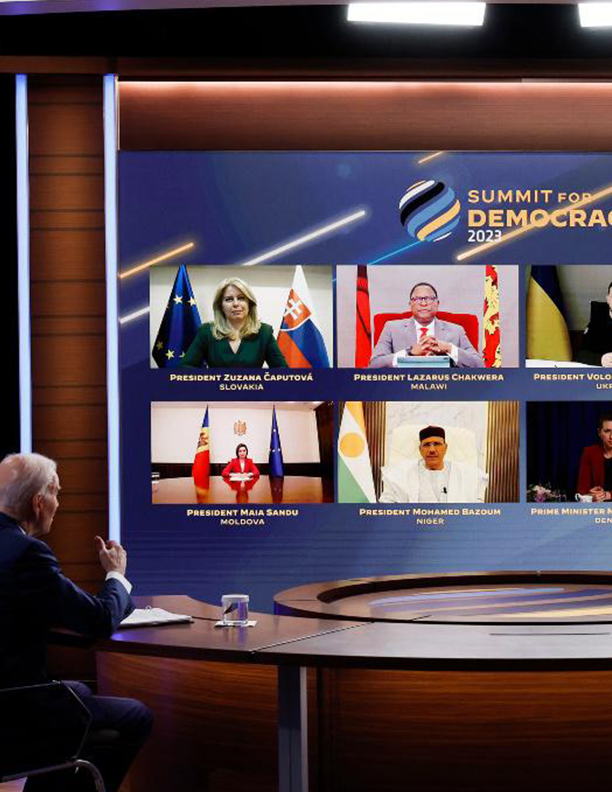
    How Can Europe Help the Next Phase of the Summit for Democracy?

    Leaders agreed that the Summit for Democracy process will continue to improve coordination among democracies. If the EU is to prove its credibility and effectiveness, concrete actions are needed in the months ahead.

      • +7

      Richard Youngs, Ken Godfrey, Thomas Carothers, …

  • Commentary
    Strategic Europe
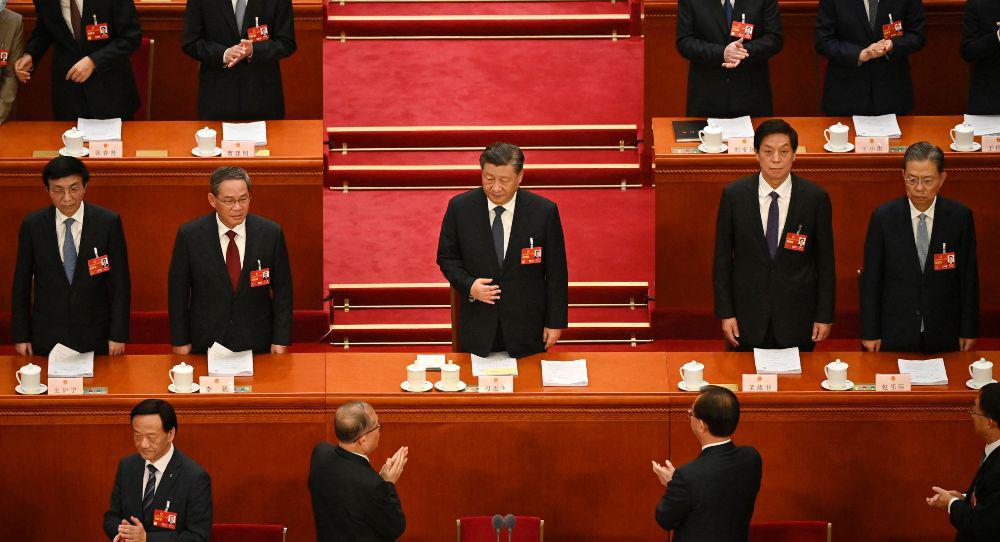
    Europe’s Dangerous Dependence on China

    Europe is waking up to the malevolent influence of the Chinese regime. European leaders need a common political and economic strategy to manage China’s irreversible rise.

      Judy Dempsey

Get more news and analysis from
Carnegie Europe
Carnegie Europe logo, white
Rue du Congrès, 151000 Brussels, Belgium
  • Research
  • Strategic Europe
  • About
  • Experts
  • Projects
  • Events
  • Contact
  • Careers
  • Privacy
  • For Media
  • Gender Equality Plan
Get more news and analysis from
Carnegie Europe
© 2026 Carnegie Endowment for International Peace. All rights reserved.