

Q&A
Matt Ferchen
{
  "authors": [
    "Matt Ferchen"
  ],
  "type": "other",
  "centerAffiliationAll": "",
  "centers": [
    "Carnegie Endowment for International Peace",
    "Carnegie China"
  ],
  "collections": [
    "China and the Developing World",
    "China’s Foreign Relations"
  ],
  "englishNewsletterAll": "",
  "nonEnglishNewsletterAll": "",
  "primaryCenter": "Carnegie China",
  "programAffiliation": "",
  "programs": [],
  "projects": [],
  "regions": [],
  "topics": [
    "Economy"
  ]
}
Source: Getty
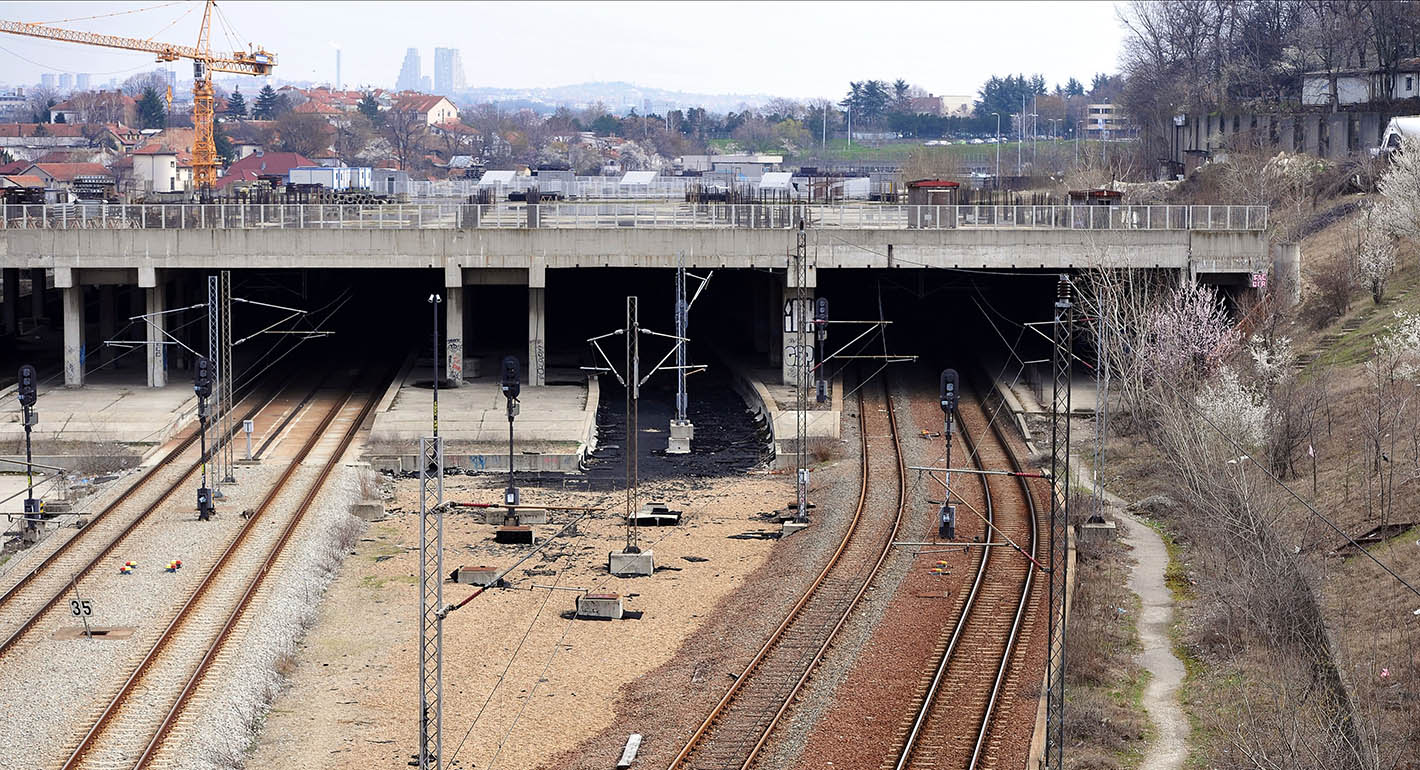
The signature project of the 16+1 framework between China and sixteen countries in central and eastern Europe is a Chinese-financed railway between Hungary and Serbia. The project has become a symbol of not just the 16+1 framework but also of what China’s Belt and Road Initiative (BRI) means for Europe.
Source: Leiden Asia Centre
The signature project of the 16+1 framework between China and sixteen countries in central and eastern Europe is a Chinese-financed railway link between the capitals of Hungary and Serbia. In the years since it was first proposed in 2013, the China-backed Hungary-Serbia rail project has become a symbol, and also a much-criticized lightening rod, of not just the 16+1 framework but also of what China’s Belt and Road Initiative (BRI) means for Europe. For China, as well as for its official Hungarian and Serbian counterparts, the rail project has been framed and promoted as the type of concrete outcome that is possible through the 16+1 diplomatic framework and as an example of actual infrastructure cooperation on offer through the BRI more broadly. Yet within the EU, no project has been more controversial in highlighting concerns about how both the 16+1 structure and the BRI might allow China to gain “divide-and-rule” political leverage within the EU and its neighborhood through commercial deal-making.
In an effort to go beyond the hype, headlines and often polarized discussions about how Chinese investment and finance is leading to greater influence in Europe, Matt Ferchen conducted an in-depth case study of the Chinese-financed railway link between Budapest and Belgrade. Among the key findings are the following:

Former Nonresident Scholar, Carnegie-Tsinghua Center for Global Policy
Ferchen specializes in China’s political-economic relations with emerging economies. At the Carnegie–Tsinghua Center for Global Policy, he ran a program on China’s economic and political relations with the developing world, including Latin America.
Recent Work
Matt Ferchen
Matt Ferchen, Anarkalee Perera
Carnegie does not take institutional positions on public policy issues; the views represented herein are those of the author(s) and do not necessarily reflect the views of Carnegie, its staff, or its trustees.
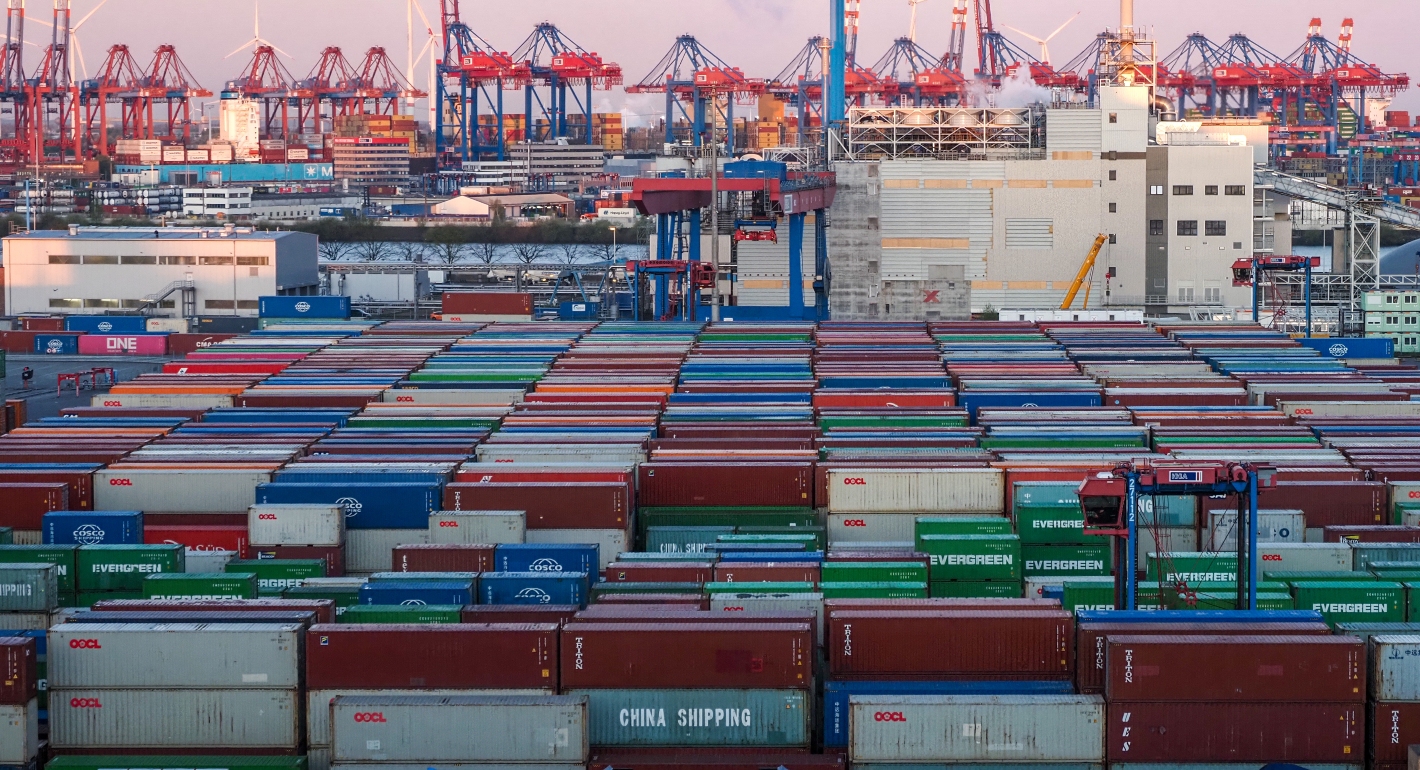
As geopolitical rivalry weaponizes global supply chains, the EU’s true vulnerability lies in emerging-risk imports. For these goods, suppliers are growing more concentrated, substitution more difficult, and political risk is looming.

Sinan Ülgen

The EU is putting together a new security strategy to meet today’s myriad challenges. But for any proposal to be effective, the union needs to grapple with its identity and ambitions.

Pierre Vimont
Between the United States’ market-driven approach and China's state-led industrial strategy, Europe is reckoning with how it can remain competitive in the global economy. But is Europe in danger of becoming a U.S. or China colony?


Noah Barkin, Anu Bradford
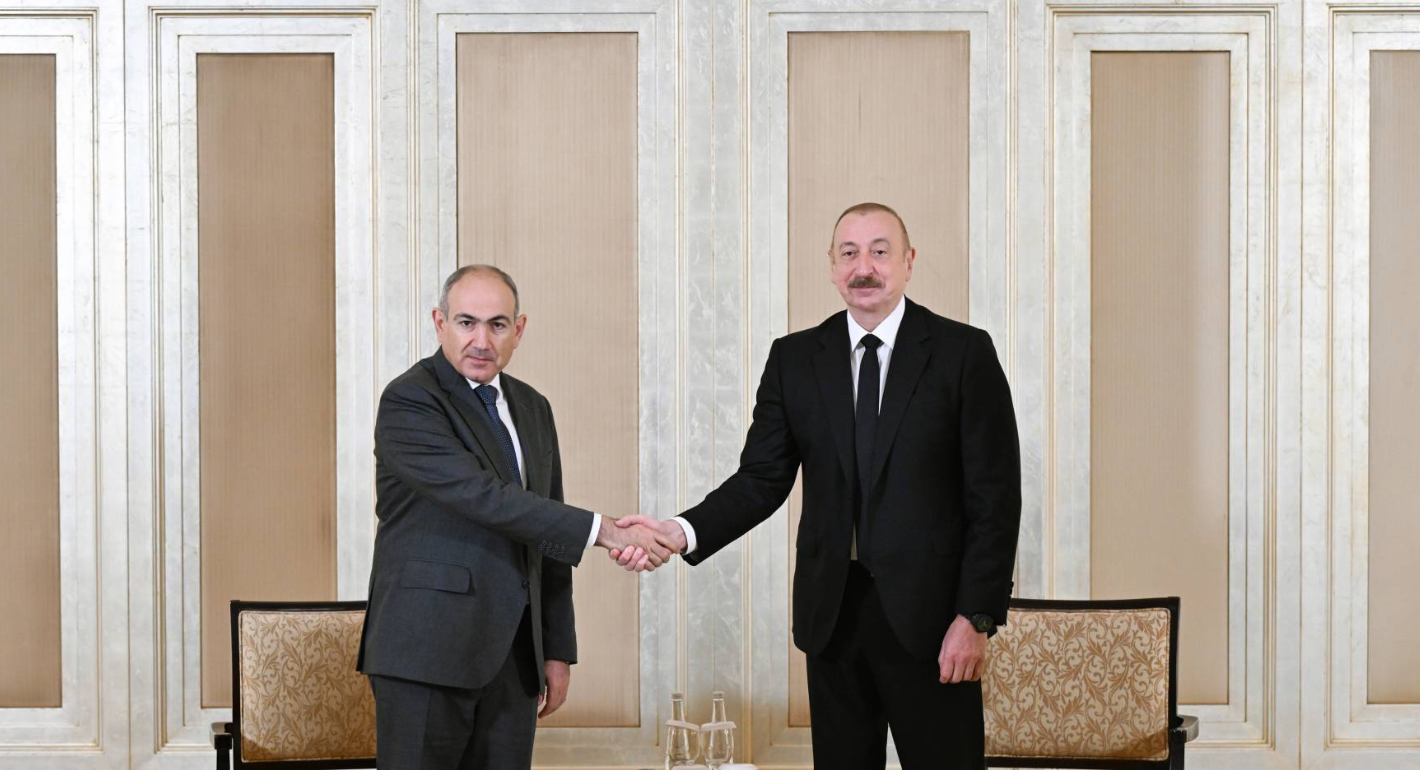
The U.S.-sponsored TRIPP deal is driving the Armenia-Azerbaijan peace process forward. But foreign and domestic hurdles remain before connectivity and economic interdependence can open up the South Caucasus.


Thomas de Waal, Areg Kochinyan, Zaur Shiriyev

Economic growth is at the heart of a dilemma between planetary and international security.

Olivia Lazard