

Paper
Ariel (Eli) Levite, Toby Dalton
{
  "authors": [
    "Ariel (Eli) Levite"
  ],
  "type": "other",
  "centerAffiliationAll": "dc",
  "centers": [
    "Carnegie Endowment for International Peace"
  ],
  "collections": [],
  "englishNewsletterAll": "ctw",
  "nonEnglishNewsletterAll": "",
  "primaryCenter": "Carnegie Endowment for International Peace",
  "programAffiliation": "NPP",
  "programs": [
    "Nuclear Policy"
  ],
  "projects": [],
  "regions": [],
  "topics": [
    "Nuclear Policy",
    "Arms Control"
  ]
}
Source: Getty
Why have numerous states that embarked on the path of developing nuclear weapons, or at least seriously toyed with the idea, never ultimately acquired them?
Source: Wilson Center
This chapter explores the reasons why so few states that have been widely believed to be seeking nuclear weapons have ultimately acquired them. It advances two mutually complementary explanations to explain this anomaly. The first is that intelligence estimates and the other types of analysis used at the time (and in numerous studies since) to classify states as nuclear aspirants, and to develop theoretical propositions pertaining to them, have been skewed or even outright biased. Their overly alarmist conclusions ascribed nuclear-weapon intent where little or no genuine desire to acquire such weapons had existed. The second explanation is that this interpretation bias has largely been rooted in the failure to seriously contemplate the possibility that nuclear activity, even actions that may appear to be unequivocally or at least predominantly directed at acquiring nuclear weapons, might be driven by other motivations. Most of these in fact fall far short of determination to obtain the weapons themselves.
Proliferation analysts have been persistent and creative in trying to unearth the various motivations guiding states to pursue nuclear weapons. Heretofore, however, they have not been equally good at unpacking the various causal paths that may make a state seem to be trying to acquire nuclear-weapon motivations when it has no such ulterior motive. Consequently, and to the general detriment of international security, the proliferation studies undertaken to date have not really examined these possibilities when analyzing known past and present proliferation cases. In an effort to address this major weakness in the understanding of proliferation dynamics, this chapter has laid out and explained some of these understudied causal paths.
In addition to the lack of imagination in understanding causes and motivations, various analytical and collection limitations 38 Nuclear Latency and Hedging: Concepts, History, and Issues and biases complicate the challenge of understanding the real motivations underlying nuclear activity and how they can and do evolve over time. Yet the prolonged incubation and maturation period of nuclear-weapon programs does create important opportunities to better understand what guides them, and opens up chances to try influence their outcome. To seize these opportunities, researchers and analysts must be aware of the mental constructs guiding both the investigation of and policy deliberations on the nuclear programs, and expand these constructs to consider alternative explanations for observable nuclear-weapon activity. Finally, studying nuclear reversal processes is a vital means of generating insights for analytical and policy discourse, but such exploration must be done with considerable attention and care. It depends on the successful acquisition of pertinent high-quality primary data, without which the richness of the proliferation phenomenon will go underappreciated and its potential contribution to both proliferation research and policy analysis will be curtailed severely.

Senior Fellow, Nuclear Policy Program, Technology and International Affairs Program
Levite was the principal deputy director general for policy at the Israeli Atomic Energy Commission from 2002 to 2007.
Recent Work

Ariel (Eli) Levite, Toby Dalton
Ariel (Eli) Levite, Toby Dalton
Carnegie does not take institutional positions on public policy issues; the views represented herein are those of the author(s) and do not necessarily reflect the views of Carnegie, its staff, or its trustees.

When the U.S.-Iran memorandum of understanding was announced, the UK, France, Germany, and Italy declared their readiness to help demine the Strait of Hormuz and lift nuclear sanctions on Tehran. But does Europe need new tools to recover a diplomatic role?

Rym Momtaz, ed.

Amid uncertainty caused by the Iran war, the global drive for nonproliferation has stalled. With Europe diplomatically marginalized and countries reassessing their nuclear options, efforts to curb the spread of nuclear weapons risk becoming irrelevant.

Jane Darby Menton
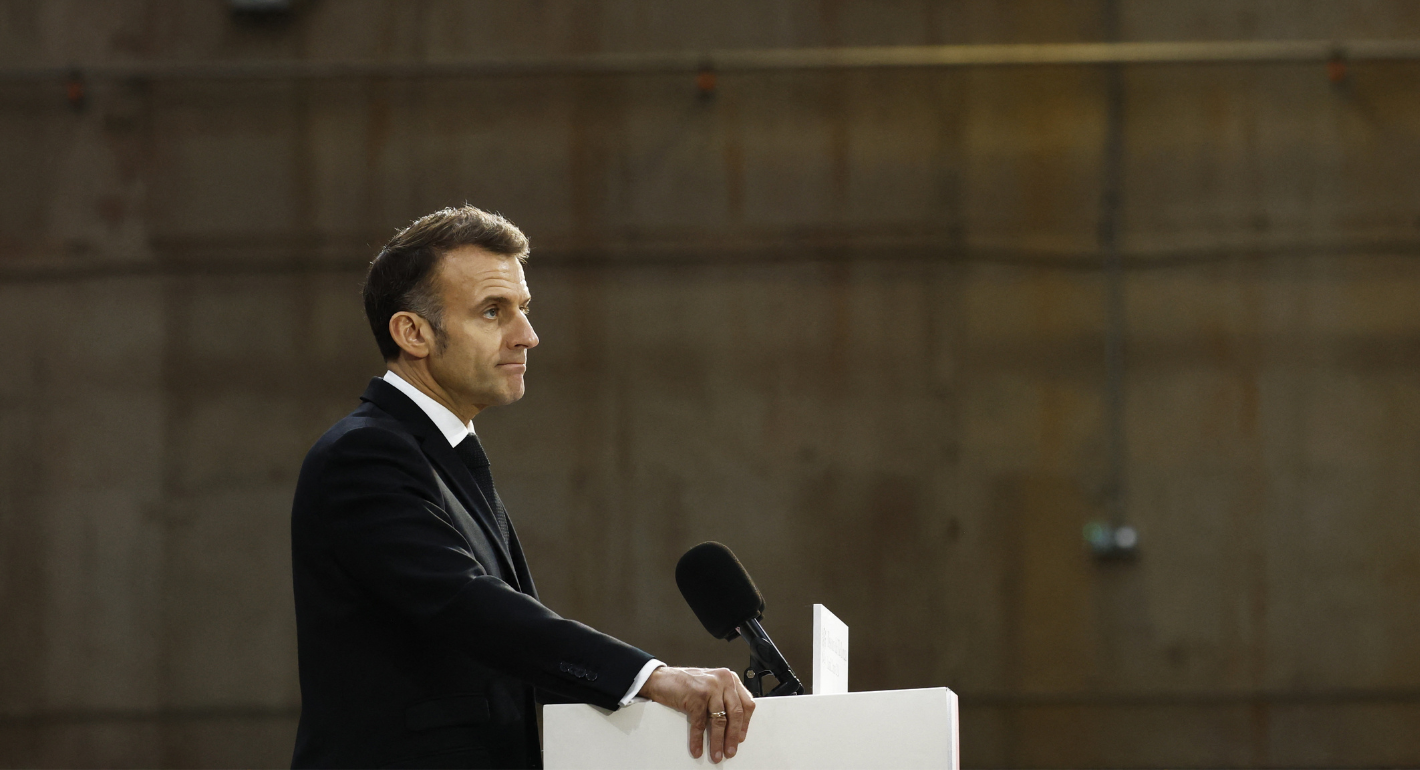
French President Emmanuel Macron has unveiled his country’s new nuclear doctrine. Are the changes he has made enough to reassure France’s European partners in the current geopolitical context?
Rym Momtaz, ed.
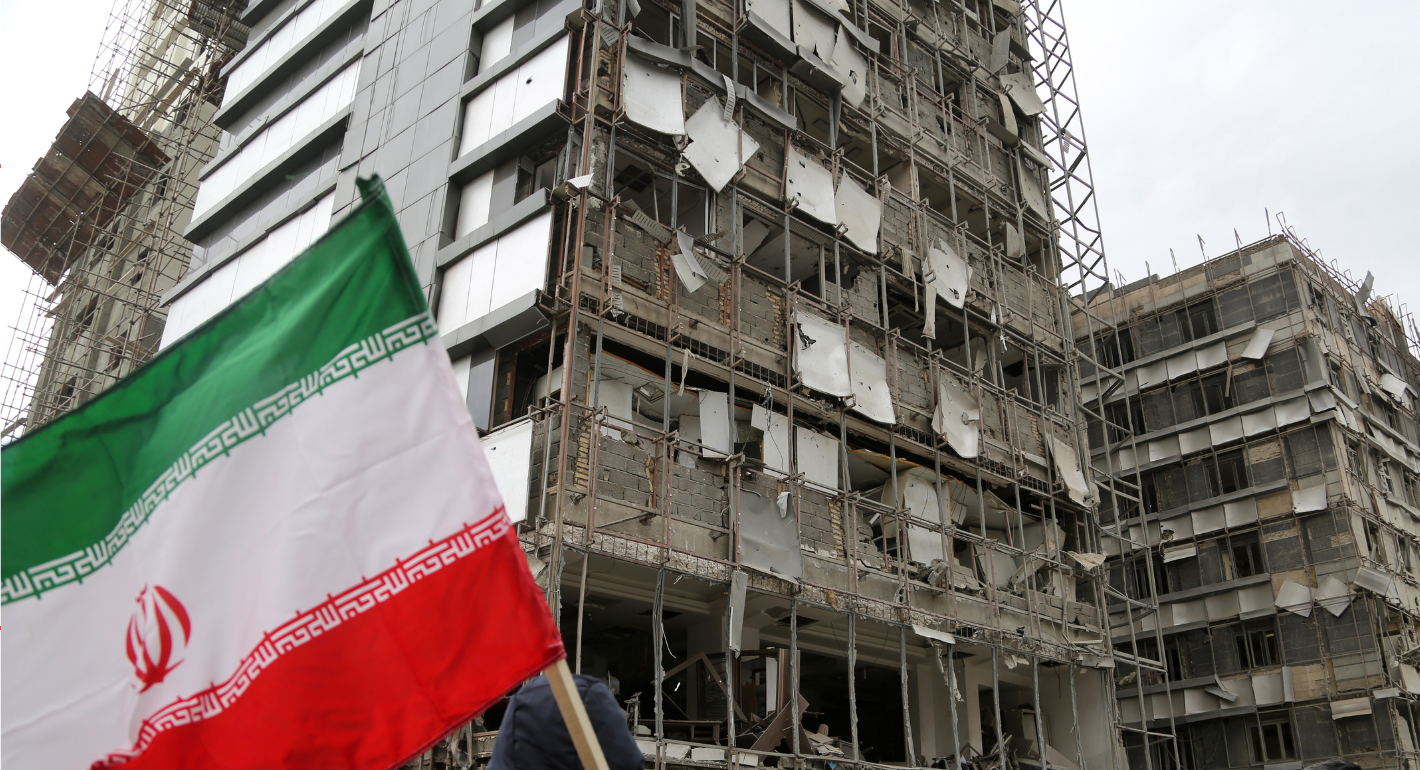
Europe’s reaction to the war in Iran has been disunited and meek, a far cry from its previously leading role in diplomacy with Tehran. To avoid being condemned to the sidelines while escalation continues, Brussels needs to stand up for international law.

Pierre Vimont
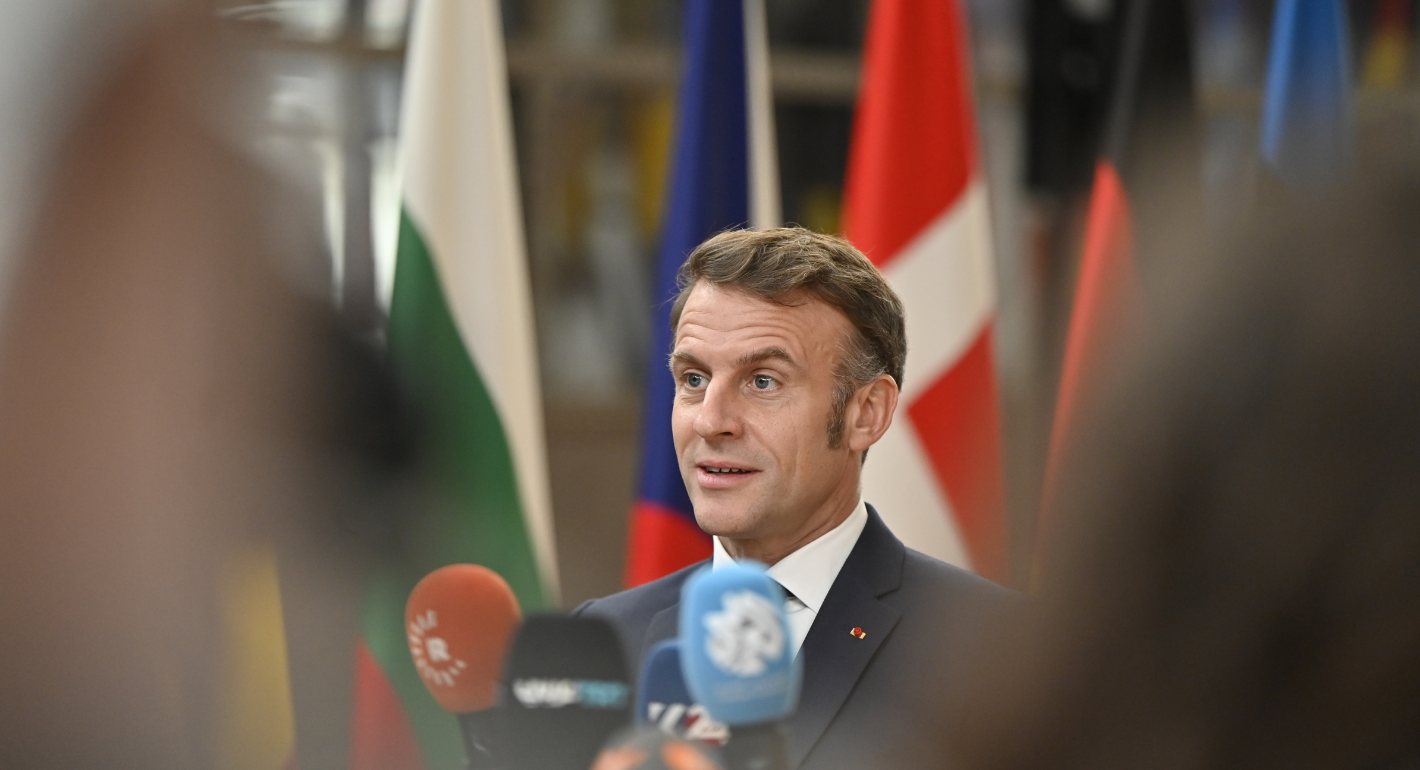
France has stopped clinging to notions of being a great power and is embracing the middle power moment. But Emmanuel Macron has his work cut out if he is to secure his country’s global standing before his term in office ends.
Rym Momtaz