

Other
François Godement, Ashley J. Tellis
{
  "authors": [
    "François Godement"
  ],
  "type": "other",
  "centerAffiliationAll": "dc",
  "centers": [
    "Carnegie Endowment for International Peace"
  ],
  "collections": [],
  "englishNewsletterAll": "asia",
  "nonEnglishNewsletterAll": "",
  "primaryCenter": "Carnegie Endowment for International Peace",
  "programAffiliation": "AP",
  "programs": [
    "Asia"
  ],
  "projects": [],
  "regions": [],
  "topics": [
    "Global Governance"
  ]
}
Source: Getty
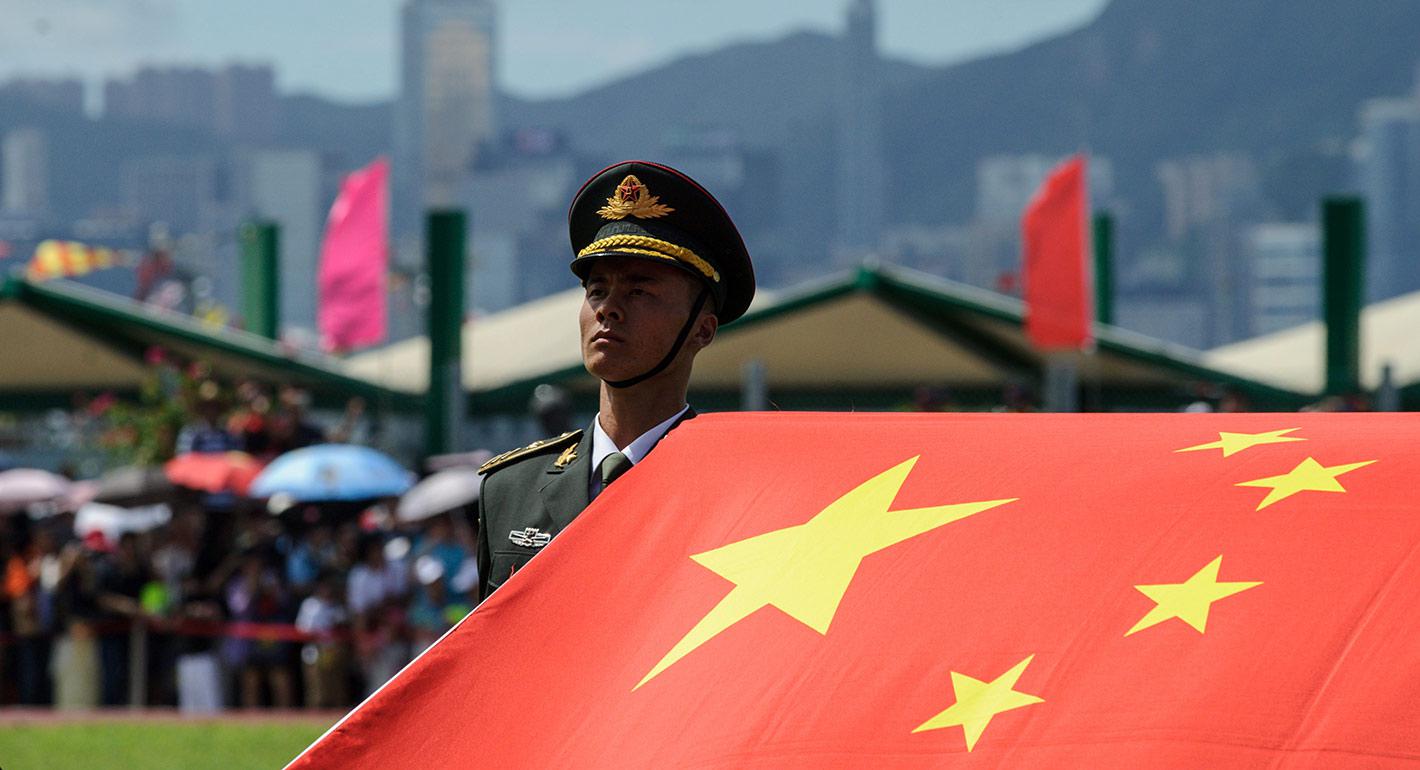
What China seeks is a nonintrusive, low-cost international order built on two very contrasting pillars: national sovereignty as an absolute principle, and the free flow of goods and services for as long as China’s exceptional status as a nominal developing economy is maintained.
Source: The National Bureau of Asian Research
China has moved over time from a global alliance with the Soviet Union, followed by a short-lived revolutionary stance, to a path of integration with most international institutions and rules. But that course has abated as the country has gained wealth and power. With Xi Jinping’s ascent, China has set aside its long-standing reservations and defensive stance and begun to directly contest the liberal world order through the promotion of Chinese alternatives presented as “complementary,” with a strong preference for bilateral deals with other nation-states. China is more interested in hollowing out the international order than in a revisionist upheaval, and it also rides the trend of self-doubt and isolationism in several democracies. Mutual interest is the operative factor, often coinciding with the lure of financial gains for partners. China’s approach remains pragmatic, emphasizing diversified participation in multilateral institutions. What China seeks is a nonintrusive, low-cost international order built on two very contrasting pillars: national sovereignty as an absolute principle, and the free flow of goods and services for as long as China’s exceptional status as a nominal developing economy is maintained.

Former Nonresident Senior Fellow, Asia Program
Godement, an expert on Chinese and East Asian strategic and international affairs, was a nonresident senior fellow in the Asia Program at the Carnegie Endowment for International Peace.
Recent Work
François Godement, Ashley J. Tellis
François Godement, Abigaël Vasselier
Carnegie does not take institutional positions on public policy issues; the views represented herein are those of the author(s) and do not necessarily reflect the views of Carnegie, its staff, or its trustees.
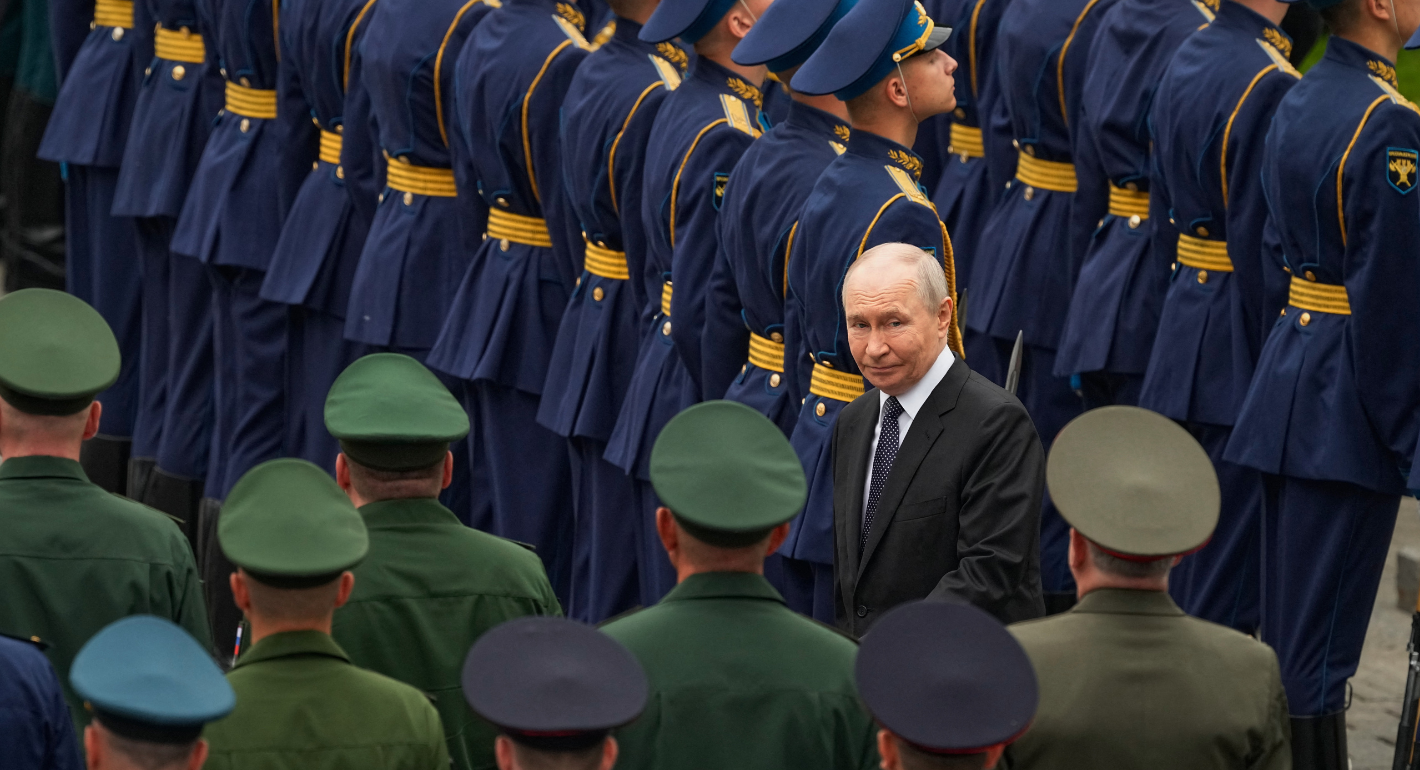
While Russia is not ready to sue for peace on Europe’s terms, it could still either seek a ceasefire in Ukraine or try escalation. Brussels needs to prepare for both and prioritize that preparation over normative discussions.
Kadri Liik

As geopolitical rivalry weaponizes global supply chains, the EU’s true vulnerability lies in emerging-risk imports. For these goods, suppliers are growing more concentrated, substitution more difficult, and political risk is looming.

Sinan Ülgen
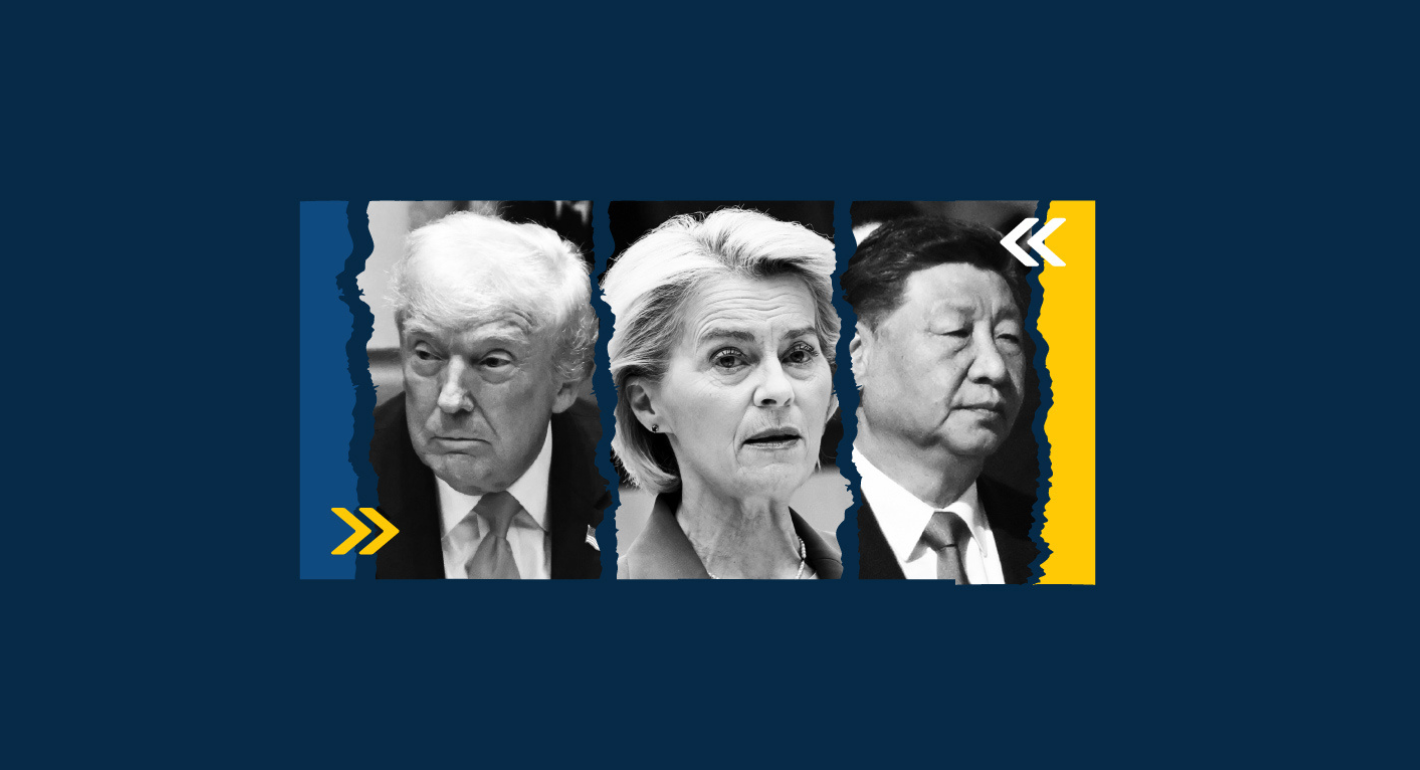
Between the United States’ market-driven approach and China's state-led industrial strategy, Europe is reckoning with how it can remain competitive in the global economy. But is Europe in danger of becoming a U.S. or China colony?
Noah Barkin, Anu Bradford
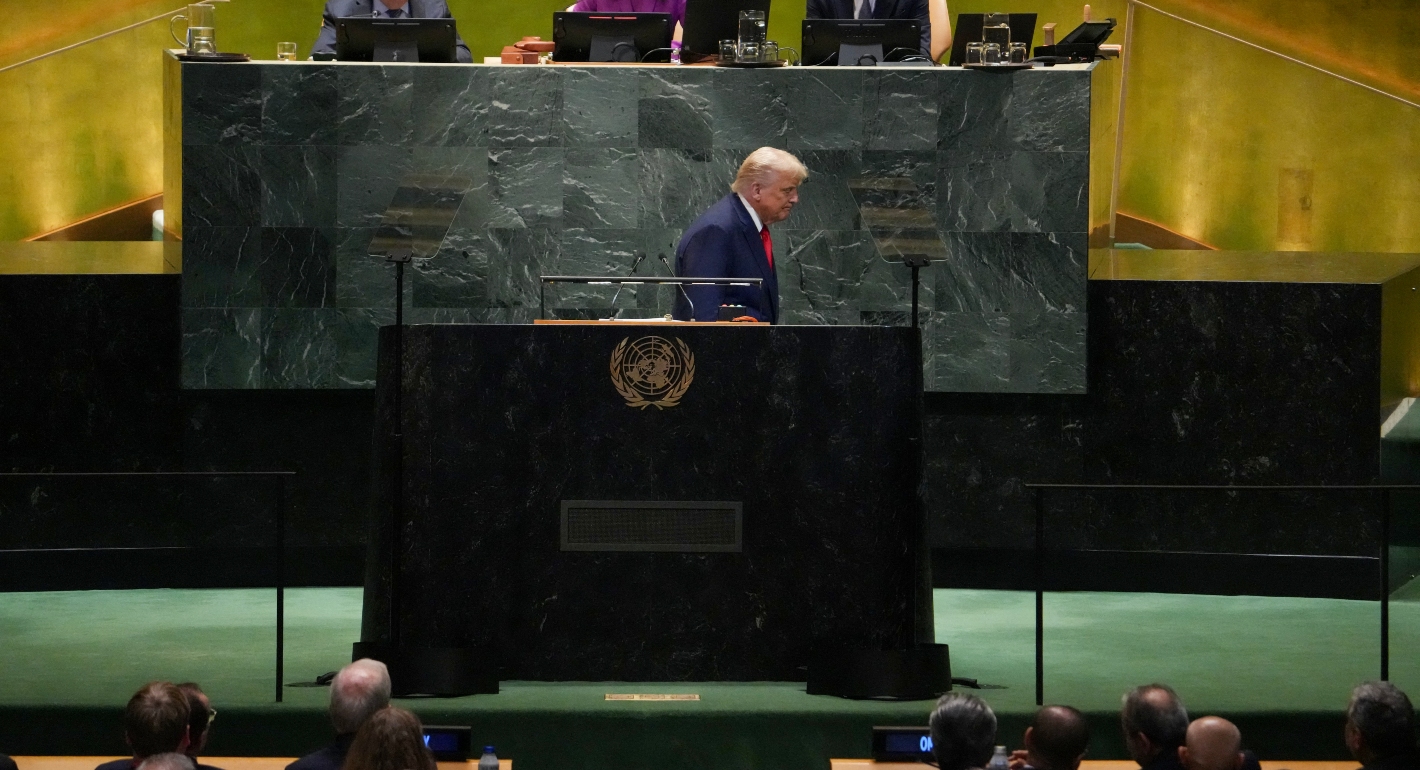
For years, the United States anchored global cyber diplomacy. As Washington rethinks its leadership role, the launch of the UN’s Cyber Global Mechanism may test how allies adjust their engagement.

Patryk Pawlak, Chris Painter
Europe’s policy of subservience to the Trump administration has failed. For Washington to take the EU seriously, its leaders now need to combine engagement with robust pushback.

Stefan Lehne