

Other
François Godement, Ashley J. Tellis
{
  "authors": [
    "François Godement"
  ],
  "type": "legacyinthemedia",
  "centerAffiliationAll": "dc",
  "centers": [
    "Carnegie Endowment for International Peace"
  ],
  "collections": [],
  "englishNewsletterAll": "asia",
  "nonEnglishNewsletterAll": "",
  "primaryCenter": "Carnegie Endowment for International Peace",
  "programAffiliation": "AP",
  "programs": [
    "Asia"
  ],
  "projects": [],
  "regions": [
    "East Asia",
    "China"
  ],
  "topics": []
}
Source: Getty
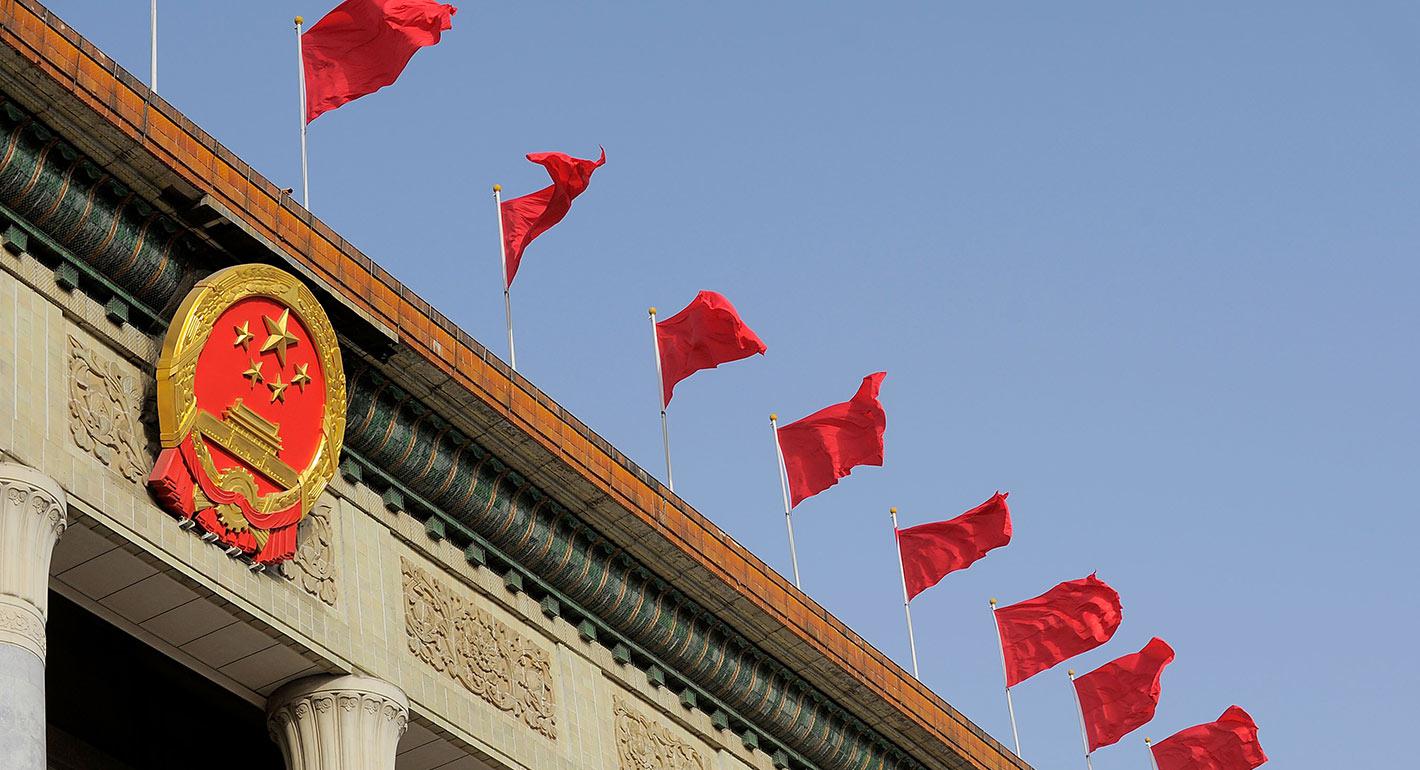
The secret vote for the director post at the World Intellectual Property Organization has handed China a crushing defeat, with an official from Singapore winning by 55-28 against China’s candidate, a long-time UN civil servant in the agency.
Source: Institut Montaigne
The secret vote for the Director post at the World Intellectual Property Organization (WIPO), has handed China a crushing defeat, with an official from Singapore winning by 55-28 against China’s candidate, a long-time UN civil servant in the agency. The vote was preceded by a loud public diplomacy contest between China and the United States, but few expected the outcome to be so clear. China’s role has become controversial at two levels: that of undue Chinese influence throughout the UN, but also of China as an R&D power that knows its beef about innovation, or that is instead, as someone wrote, "a fox in the henhouse". These questions require distinct answers. The first issue starts from a very high place: a Chinese national now heads 4 of the UN’s 15 specialized agencies (3 more than any other country) and has placed 7 nationals as Deputy Directors-General, also a record. China’s mandatory contribution to the UN budget is now second only to the United States – and it has also put in place a Peace and Development Fund whose allocation is decided jointly by Chinese diplomats and the UN Secretary-General. It has become a procedural force far beyond its use of the veto, and also beyond its traditional leverage at the UN General Assembly, where it has been able for a decade to muster more voting coalitions than any other member.
It is clear that China’s leverage has vastly increased and that it is misused. China’s influence radiates from its "core interests": Taiwan, which it consistently blocks at the World Health Organization (WHO) in spite of the island’s world-class medical system and contribution to global health and human rights, where it lobbies, threatens and sanctions, including by using budgetary levers to block peace-keeping operations that include human rights aspects. Recently, the Belt & Road Initiative has become a key topic to be rammed through many UN pronouncements and organizations. Fascinatingly, even the United Nations High Commissioner for Refugees (UNHCR), which has nothing to do with the Silk Road topic, felt the need to sign in Beijing a BRI MoU. The WHO’s Director has been embroiled in a controversy over his lavish praise of China in January 2020 – precisely the period when Chinese officials denied the gravity of the COVID-19 crisis and withheld information from the international community. Whether this was in the hope of gaining precisely more cooperation is pointless: it just means that at the UN one must court China to get results from it.
Caveats must be inserted: if the US was not pulling away at the political level from the UN system as it currently does, its balancing power would be larger. And if the EU were a united actor, it would also get better results, which has not happened in the recent selection of a new director for the Food and Agriculture Organization (FAO). Some technical agencies are fair game for Chinese influence: given the huge Chinese investment in IT and telecommunications, and its push in the area of 5G, it is not really surprising that a Chinese national – with a long career at the International Telecommunications Union (ITU) runs the organization. With some hesitation, it may be added that if spying is an issue, one does not really need to be a director at a UN agency to pry into its processes…
This article was originally published by Institut Montaigne.

Former Nonresident Senior Fellow, Asia Program
Godement, an expert on Chinese and East Asian strategic and international affairs, was a nonresident senior fellow in the Asia Program at the Carnegie Endowment for International Peace.
Recent Work
François Godement, Ashley J. Tellis

François Godement, Abigaël Vasselier

As geopolitical rivalry weaponizes global supply chains, the EU’s true vulnerability lies in emerging-risk imports. For these goods, suppliers are growing more concentrated, substitution more difficult, and political risk is looming.

Sinan Ülgen

Amid uncertainty caused by the Iran war, the global drive for nonproliferation has stalled. With Europe diplomatically marginalized and countries reassessing their nuclear options, efforts to curb the spread of nuclear weapons risk becoming irrelevant.

Jane Darby Menton
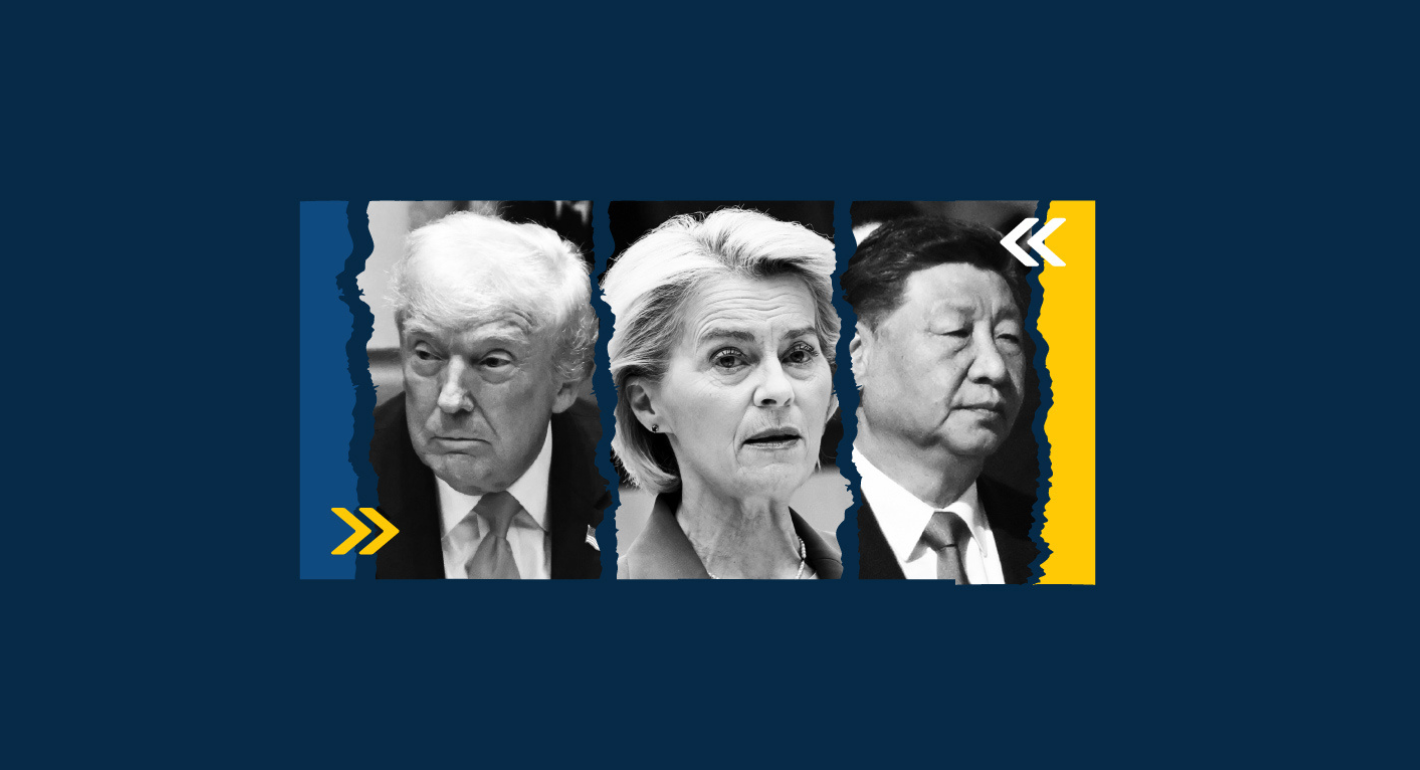
Between the United States’ market-driven approach and China's state-led industrial strategy, Europe is reckoning with how it can remain competitive in the global economy. But is Europe in danger of becoming a U.S. or China colony?
Noah Barkin, Anu Bradford
For years, the United States anchored global cyber diplomacy. As Washington rethinks its leadership role, the launch of the UN’s Cyber Global Mechanism may test how allies adjust their engagement.

Patryk Pawlak, Chris Painter
EU member states clash over how to boost the union’s competitiveness: Some want to favor European industries in public procurement, while others worry this could deter foreign investment. So, can the EU simultaneously attract global capital and reduce dependencies?

Rym Momtaz, ed.