

Commentary
Western Europe’s dual-use infrastructure melted down during its latest heat wave. If a predicted hot weather event can take the continent by surprise, what chance does it have to withstand unexpected geopolitical crises?
Rym Momtaz
{
  "authors": [],
  "type": "scholarSpotlight",
  "centerAffiliationAll": "",
  "centers": [
    "Carnegie Endowment for International Peace",
    "Carnegie Europe"
  ],
  "collections": [],
  "englishNewsletterAll": "",
  "nonEnglishNewsletterAll": "",
  "primaryCenter": "Carnegie Europe",
  "programAffiliation": "",
  "programs": [],
  "projects": [],
  "regions": [],
  "topics": [
    "Climate Change"
  ]
}
Source: Getty
Humanity’s extractive and predatory relationship with nature plunders ecosystems critical for regulating Earth’s climate.
For the last twelve years, I worked around the world as a mediation and peacemaking practitioner. Through engaging with communities, armed actors, and policymakers, I learned to decipher conflicts systemically, combining two specialties: political economy and political ecology. One pattern became increasingly evident over the years, independent of the contexts where I worked. Predatory elites instrumentalize human vulnerability, identities, ideologies, and violence to concentrate power and wealth, which widens inequalities, and fosters violence. Such predation benefits from extractive and rent-seeking behaviors that destroy nature.
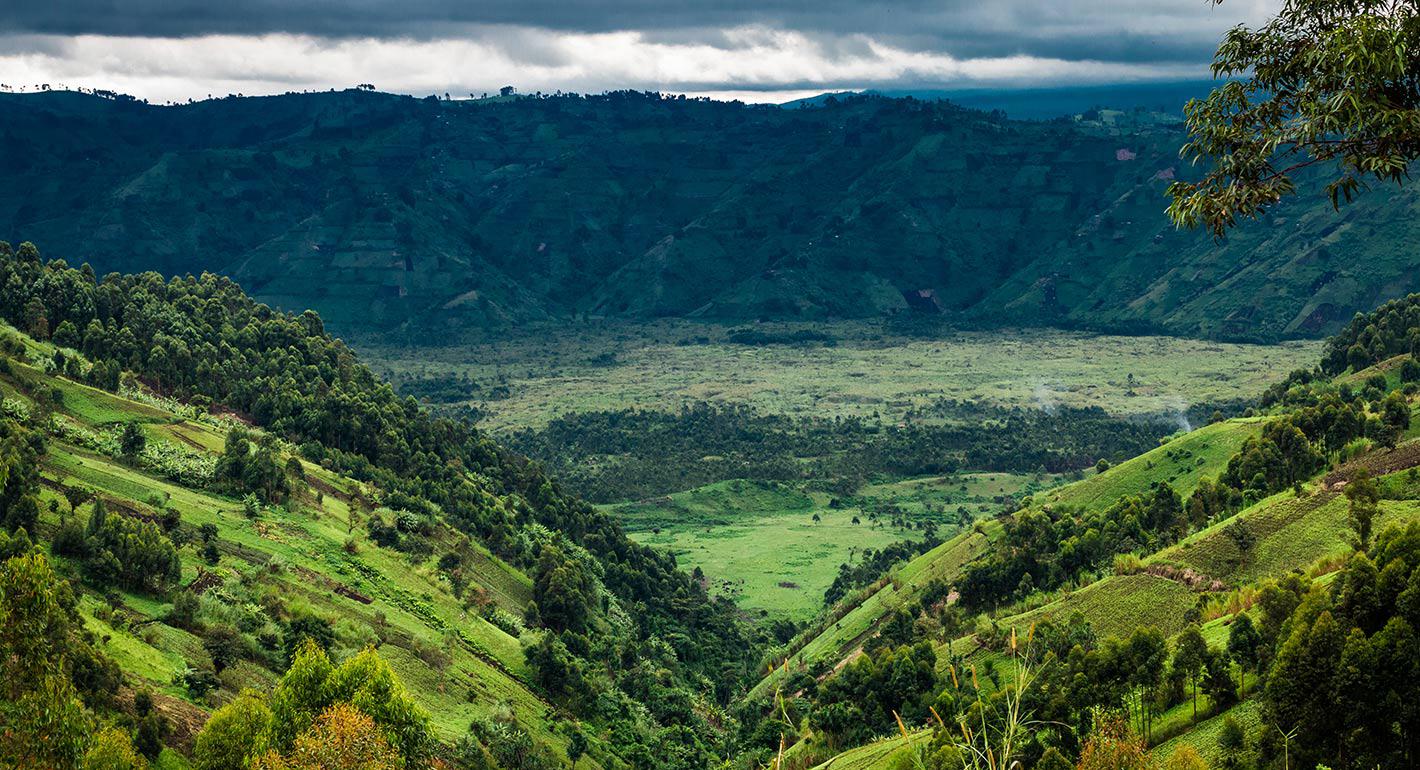
North Kivu, in the Democratic Republic of Congo, used to be a forested cradle of biodiversity. And yet, on my last mission there in 2016, a few standing trees were the silent witnesses of decimated forests. While the international community focused their attention over the last two decades on the mineral trade, we failed to notice the role of charcoal production in the political economy of violence. Deforestation of the eastern flank of the Congo Basin left in its wake protracted conflict and environmental collapse. It led to changes—like disrupted rainfall patterns, drought, and floods—that we mistakenly associate with global warming, when in fact landscape degradation is largely to blame. This damage has regional and global repercussions, ungoverned at present in our international institutional structures.
Our extractive and predatory relationship with nature plunders ecosystems critical for regulating Earth’s climate. Humans are not breaking just the carbon cycle, but the hydrological one too, which we should instead harness to mitigate global warming. We are undermining our best chances of fighting climate change and averting irreparable damage to life processes necessary for human survival and peace. At present, our governance and economic systems are inadequate to face interdependent challenges connecting local with global realities.
In parallel, our multilateral order is being tested to the core. Geopolitical tensions run high, raising the risk of global insecurity at a moment when concerted efforts are required to address a crisis of planetary proportions.
Can we redesign geopolitical incentives within planetary boundaries? Can Europe withstand democratic and geopolitical stresses while reconfiguring its own future in a climate-induced transition? What systemic changes will reconcile human systems and ecosystems?
I have worked on policy and programming responses on environmental peacemaking with actors such as the European External Action Service, NATO, and organizations based both in Brussels and in the field. I now take on a new challenge by leading Carnegie Europe’s research on climate and geopolitics. In doing so, I aim to reframe the conversation on climate security, support systemic analysis and policy development regarding our climate-induced transitions, and provide a narrative for how to rebuild ecological integrity and protect ecological interdependencies within our political-economic systems. This is no small task, but one I believe Carnegie is global enough to shoulder.
Carnegie does not take institutional positions on public policy issues; the views represented herein are those of the author(s) and do not necessarily reflect the views of Carnegie, its staff, or its trustees.
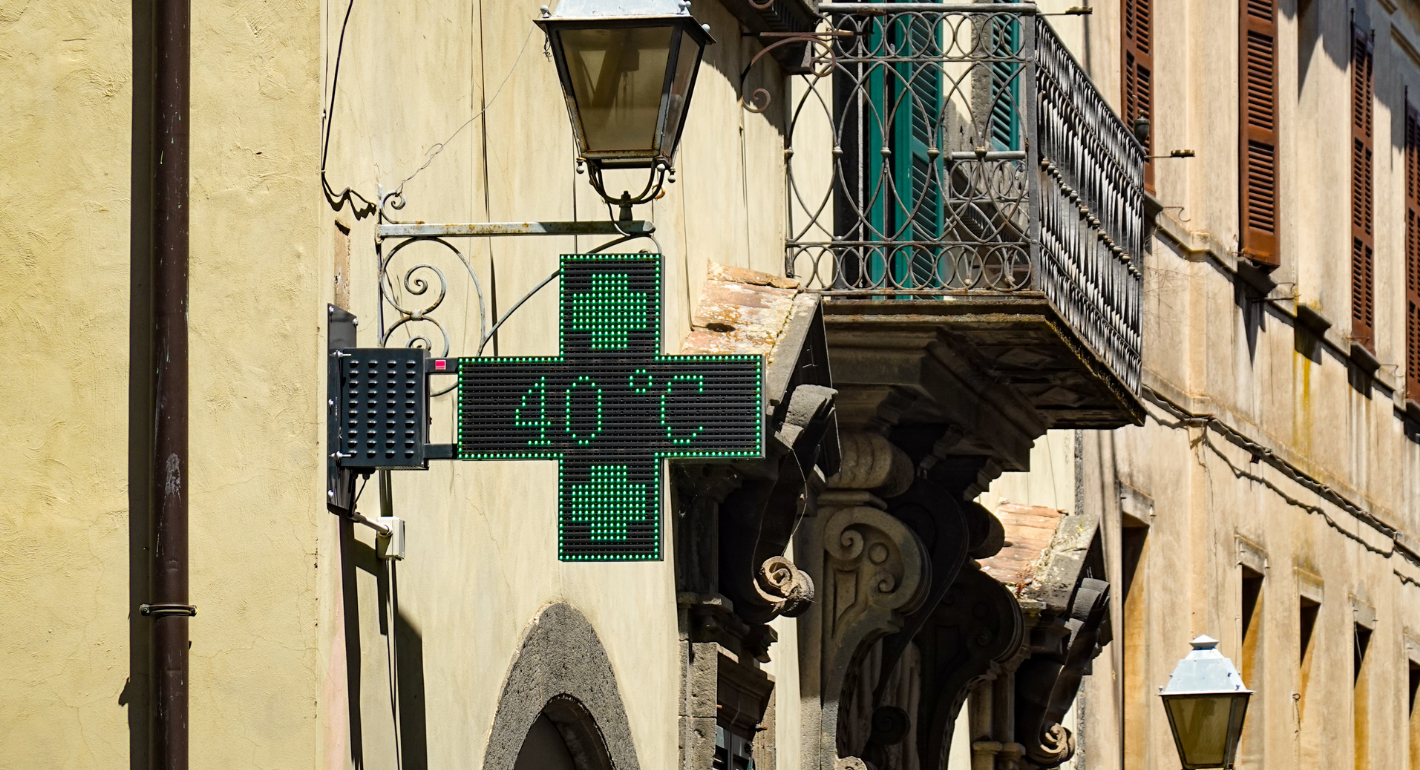
Western Europe’s dual-use infrastructure melted down during its latest heat wave. If a predicted hot weather event can take the continent by surprise, what chance does it have to withstand unexpected geopolitical crises?

Rym Momtaz

Europe’s industrial supply chains leave it vulnerable to global shocks. The EU needs a pragmatic green industrial strategy that balances durable partnerships and bolsters homegrown clean tech without sacrificing low-carbon ambition.


Milo McBride, Pauline Gerard

The EU’s new migration policy is not suited to today’s realities. With climate change increasingly becoming a driver of displacement, Europe needs to rethink its deterrence-focused approach.

Shana Tabak
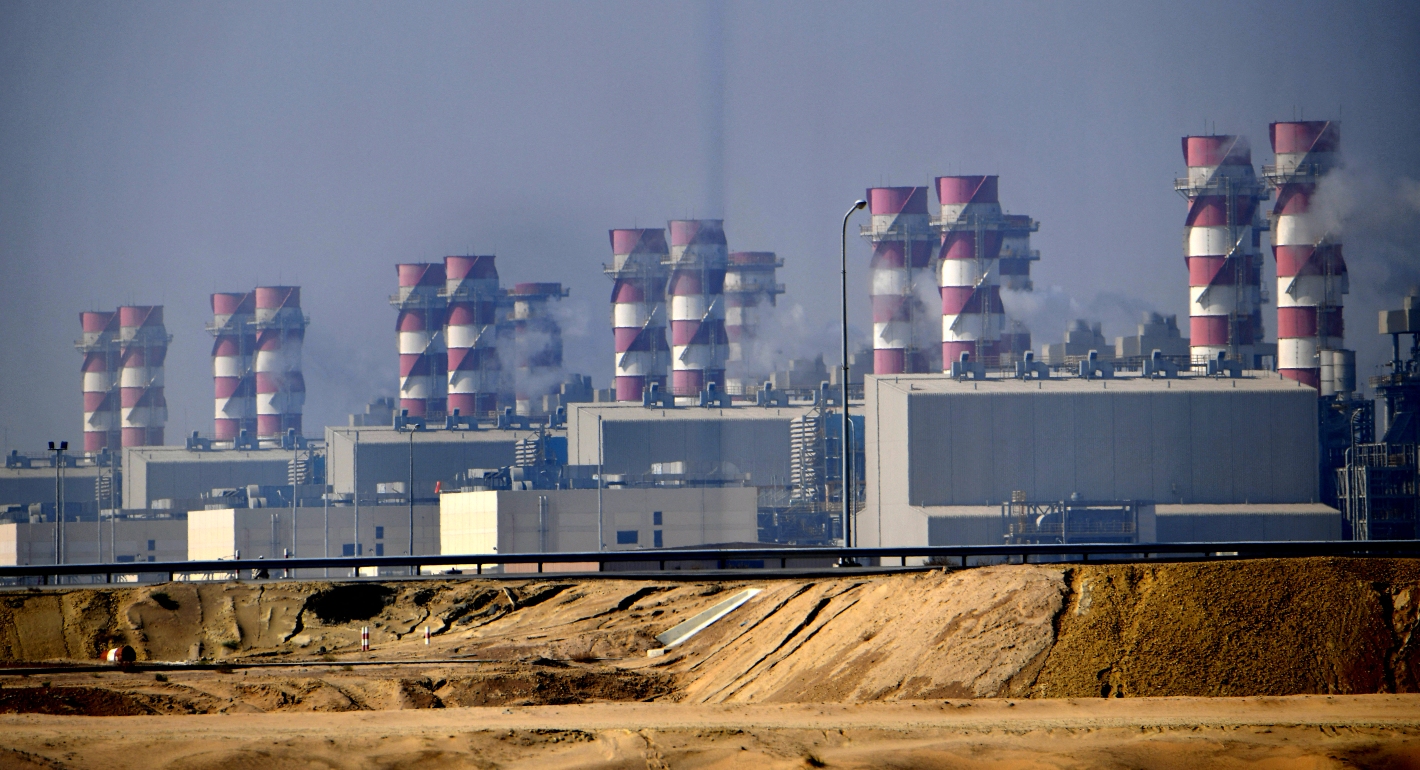
The U.S.-Iran war has crossed a dangerous threshold: water infrastructure in the Gulf is now a target. Ecological statecraft is no longer peripheral to security, it's part of its foundations.


Olivia Lazard, Ali Bin Shahid
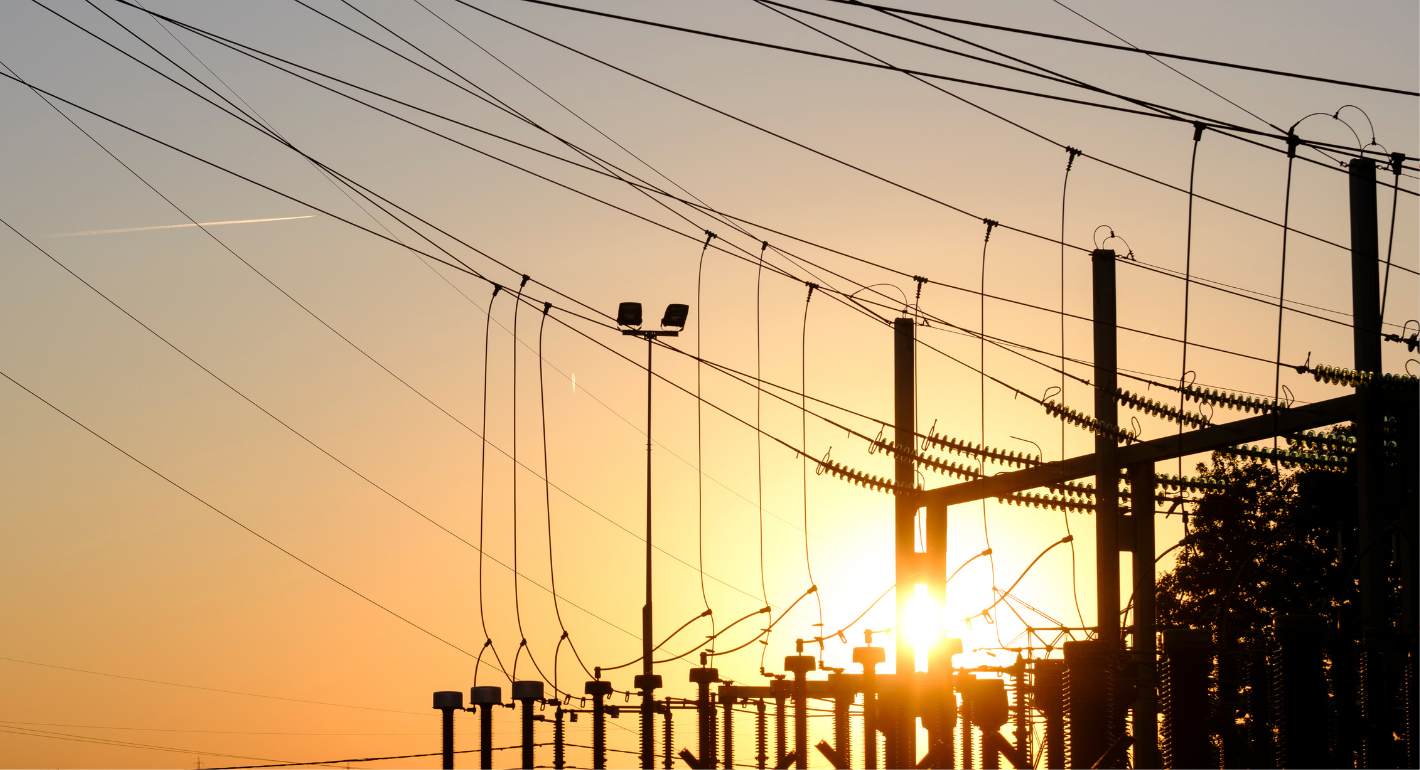
The closure of the Strait of Hormuz has triggered a global energy crisis, but Europe is stuck in reaction mode. Without more strategic foresight, the EU will remain dependent on fossil fuels and will never be truly secure.
Milo McBride, Pauline Gerard